Announce: Your 'Authentic' Vietnam Trip is a Lie. Find Real Gold Here.
- Quick Tags: Vietnam Budget Travel, Local Vietnam Experiences, Southeast Asia Backpacking, Hanoi Street Food
- Editor: Alex Reynolds
- Updated: Sep,27,2026
- Views: 360.4k









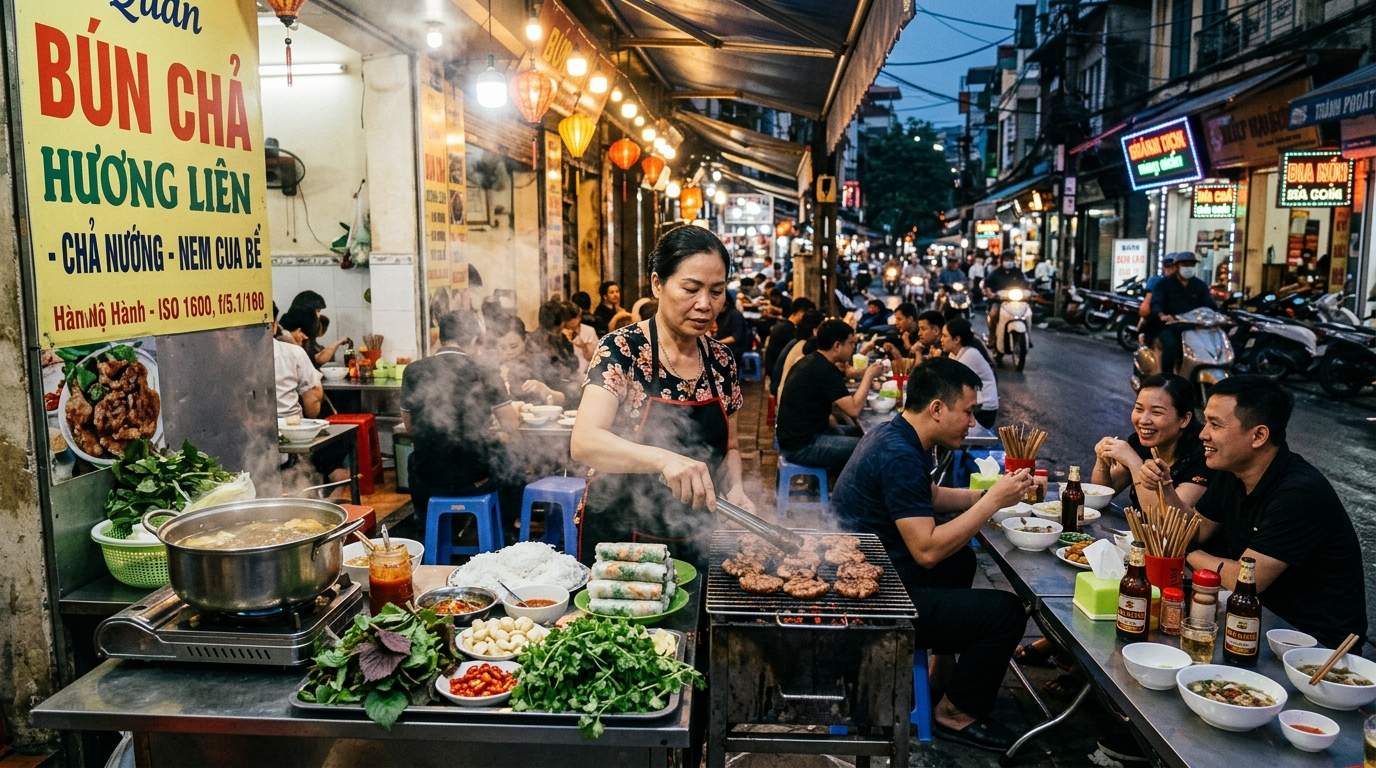
A humid, sticky evening in Hanoi’s Old Quarter, the kind that makes your clothes cling and your skin prickle. I remember sitting on a ridiculously small plastic stool, precariously balanced on a crumbling sidewalk, nursing a potent cà phê sữa đá. Around me, the relentless symphony of motorbikes, the clang of woks, and the chatter of vendors faded into a comfortable hum. This wasn't the tourist-trap restaurant with glowing reviews I'd fallen for just two days earlier; this was a tiny, nameless stall serving up the most exquisite bún chả I'd ever tasted, for a price that made my wallet sing. This was Vietnam, finally. And if you're planning a trip, prepare to ditch the glossy brochures and get ready for some uncomfortable truths – because most "authentic" experiences are just cleverly disguised tourist traps.
My first evening in Hanoi, fresh off an overnight flight and fueled by anticipation, I made a classic rookie mistake. Lured by an English menu and a smiling hostess outside a restaurant promising "traditional Vietnamese cuisine" in the Old Quarter, I dove in. The food was… fine. Bland, overpriced, and clearly calibrated for palates unused to the vibrant chaos of real Vietnamese flavors. A plate of phở cost me 120,000 VND (about $5), and a small beer was another 50,000 VND. The next day, guided by a local I’d befriended on a walk, I found a street stall where a steaming bowl of phở bò with fragrant herbs and tender beef cost 35,000 VND (less than $1.50) and tasted like a symphony. My friend, Mark, who joined me later, nearly choked on his bia hơi when he saw the price difference. "You mean I paid triple for mediocre?" he grumbled, wiping sweat from his brow. Yes, Mark. Yes, you did.
The trick to unlocking Hanoi's culinary magic and saving a fortune? Forget TripAdvisor's top 10 and follow your nose down the narrowest alleys. Look for stalls bustling with locals, where the menu might be handwritten in Vietnamese (or non-existent, just point!). A common pitfall for new travelers is assuming that cleanliness equals safety. While hygiene is important, don't write off a place just because it looks "rough." Those plastic stools and open-air kitchens are often where the freshest, most delicious, and cheapest food lives. I once saw a couple, clearly on their honeymoon, pay 200,000 VND for two bánh mì from a spot near Hoan Kiem Lake, while across the street, a vendor with a well-worn cart sold them for 20,000 VND each – and they tasted heavenly. "You just paid ten times what I did for the exact same thing," I confessed to my friend Sarah who was on a solo trip with her sister, pointing to the cart. "Ouch," was all she could say.
Ah, Halong Bay. The UNESCO World Heritage site, the emerald waters, the karst formations... and the absolute circus. My partner and I, on an earlier trip, booked a "mid-range" cruise based on online reviews, excited for a tranquil escape. What we got was a sardine can of tourists, a mediocre buffet, and a relentless schedule of "kayaking" in congested waters. We paid around $150 per person for a 2-day/1-night trip, which seemed reasonable at the time. A few years later, traveling with my college friends, we decided to try something different: Lan Ha Bay, often overlooked for its famous neighbor.
Instead of jumping on a tourist bus directly to Halong City, we took a local bus to Cat Ba Island (about 120,000 VND from Hanoi's Yen Nghia bus station), which serves as a gateway to Lan Ha Bay. From there, we negotiated directly with a local boat owner in Ben Beo Harbor. For less than $50 a person, we had a private day-long tour, paddling through pristine lagoons, discovering hidden beaches where we were the only souls, and feasting on fresh seafood prepared right on the boat. No blaring music, no queues for kayaks, just the sound of the water and our own laughter. The boatman even taught us some basic Vietnamese fishing techniques. It was cheaper, more authentic, and infinitely more peaceful. This is where you experience the magic, not battling for a selfie spot.
Hue and Hoi An often feature on every Vietnam itinerary, and for good reason. Hue, with its Imperial City, and Hoi An, with its lantern-lit ancient town, are undeniably beautiful. But again, where there's beauty, there's often an opportunity for upselling. Instead of joining a pre-packaged tour of Hue's Imperial Citadel (which can cost $20-30 for transport and guide), my family and I rented bicycles for a mere 30,000 VND ($1.20) each for the entire day. We explored at our own pace, stopping for sugarcane juice and practicing our broken Vietnamese with local vendors. The entrance fee to the Citadel itself is fixed, but navigating independently allowed us to discover quiet corners and interact with locals far from the selfie stick brigade.
In Hoi An, the Old Town is enchanting, but many shops sell mass-produced souvenirs at inflated prices. My best advice for both these cities, especially if you're visiting in the shoulder seasons (March-April or September-October) when the weather is milder and crowds thinner, is to get off the main drag. Wander away from the riverfront in Hoi An, cross the bridges, and find the smaller markets. This is where you'll find genuine local crafts, delicious bánh xèo, and textiles at a fraction of the price. My mother, usually a cautious shopper, found a hand-embroidered silk scarf in a tiny alley shop for half what she'd seen in the main market, and the artisan herself was there to chat. It’s not just about saving money; it’s about the stories.
Let's talk brass tacks: money. Vietnam is incredibly affordable if you know how to play the game.
Vietnam truly shines when you step off the well-trodden path and embrace the unexpected. Don't let glossy ads or inflated prices dictate your experience; the real adventure, and the best value, lies in finding your own 'gold'.