Regret Fushimi Inari? Uncover Kyoto's True Zen, No Crowds, Just Value.
- Quick Tags: Kyoto budget travel, Niche Japan experiences, Fushimi Inari alternatives, Reverse travel Kyoto
- Editor: Chloe Jones
- Updated: Sep,05,2026
- Views: 204.8k









The whisper of the bamboo leaves, a gentle rustle against the morning chill, was my first true welcome to Kyoto. Not the clamor of a thousand tourists vying for the perfect Torii gate photo, but a quiet, almost conspiratorial greeting from nature itself. I was tucked away on a tiny, nameless path, a forgotten offshoot of Arashiyama, and it was in that solitary moment I knew: this trip would be about seeking the soul of Kyoto, not just its Instagram feed.
Let's be brutally honest: Fushimi Inari Taisha. Yes, it's iconic. Yes, the thousands of vermilion torii gates are breathtaking in photographs. In my experience? It was less a spiritual journey and more an Olympic event in dodging selfie sticks and navigating a human conveyor belt. I went with my friend, Mark, a fellow "reverse travel" enthusiast, and even our cynical humor wore thin after elbowing our way through the lower sections. "This isn't an experience, it's a social experiment in patience," Mark grumbled, as a tour group blocked our ascent, posing with precisely zero awareness of anyone else. We pushed a bit further, climbing past the initial crush, and found pockets of relative calm higher up, where the air was thinner and the forest reclaimed its silence. But the memory of the descent, a sardine-can shuffle back to the train station, sealed its fate in my mental "tourist trap" ledger.
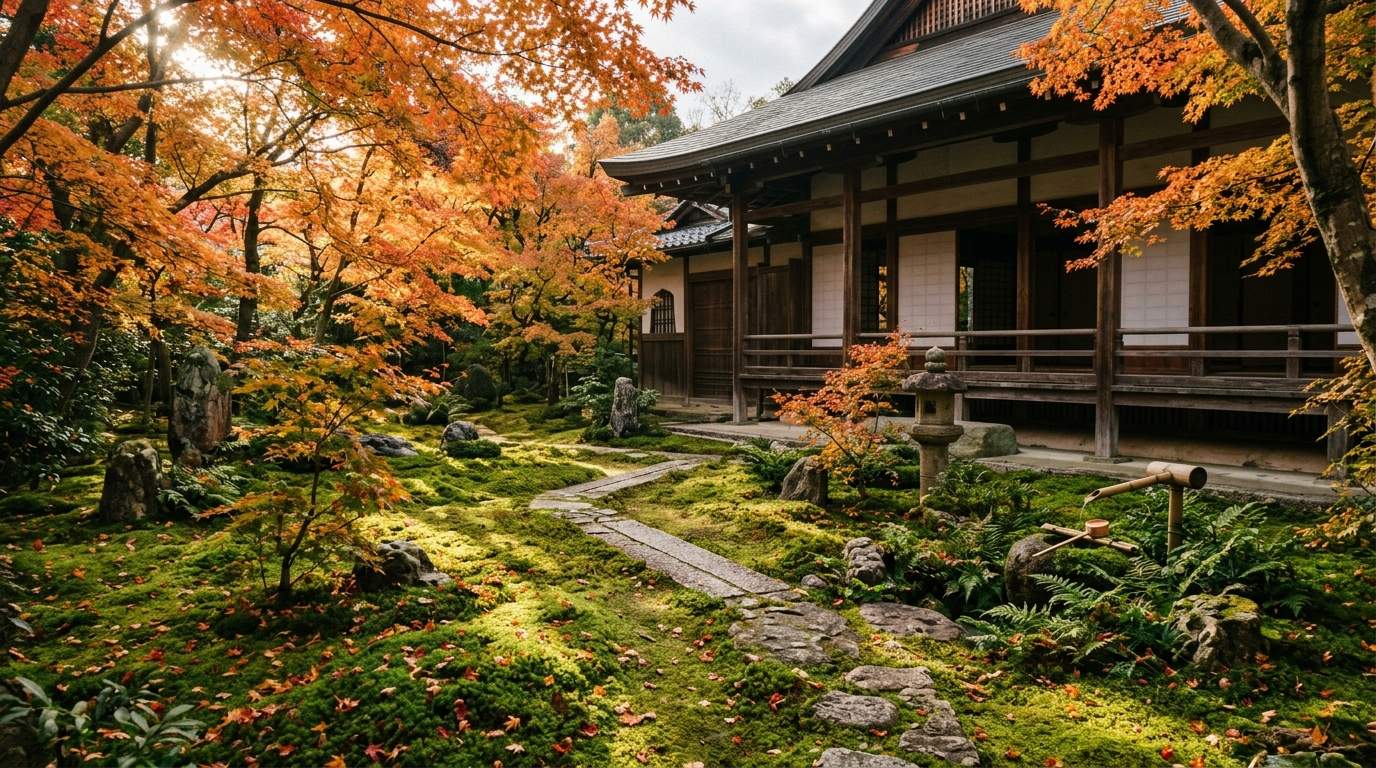
Instead of chasing another "must-see" from a listicle, we shifted gears. Our mission: find tranquility without the entrance fee stampede. That led us to Konchi-in Temple, a sub-temple of Nanzen-ji. While Nanzen-ji itself can get busy, Konchi-in feels like stepping into a private garden. For a mere ¥400 (about $3), we wandered through its exquisite 'Crane and Turtle Garden' – an Edo period dry landscape that radiates serenity. "Seriously, where are all the people?" Mark whispered, genuinely bewildered. We spent an hour there, the only sound the chirping of crickets and the distant murmur of Kyoto. No queues, no photo bombers, just pure, unadulterated contemplation. It was the antithesis of Inari, and worth every single yen.
Remember that bamboo whisper? That was from a little-known path near Adashino Nenbutsu-ji in Sagano. Everyone flocks to the Arashiyama Bamboo Forest, and for good reason—it’s stunning. But it's also a highway. A 15-minute walk past Adashino Nenbutsu-ji, up a winding road, led us to a grove just as ethereal, but completely empty. We met one elderly woman walking her dog, who offered us a warm "Ohayo gozaimasu." No gift shops, no rickshaws, just towering green stalks swaying in the breeze. The air felt cleaner, the light softer, and the experience profoundly more personal. It cost nothing but a little extra legwork, proving that sometimes, the best things truly are free.
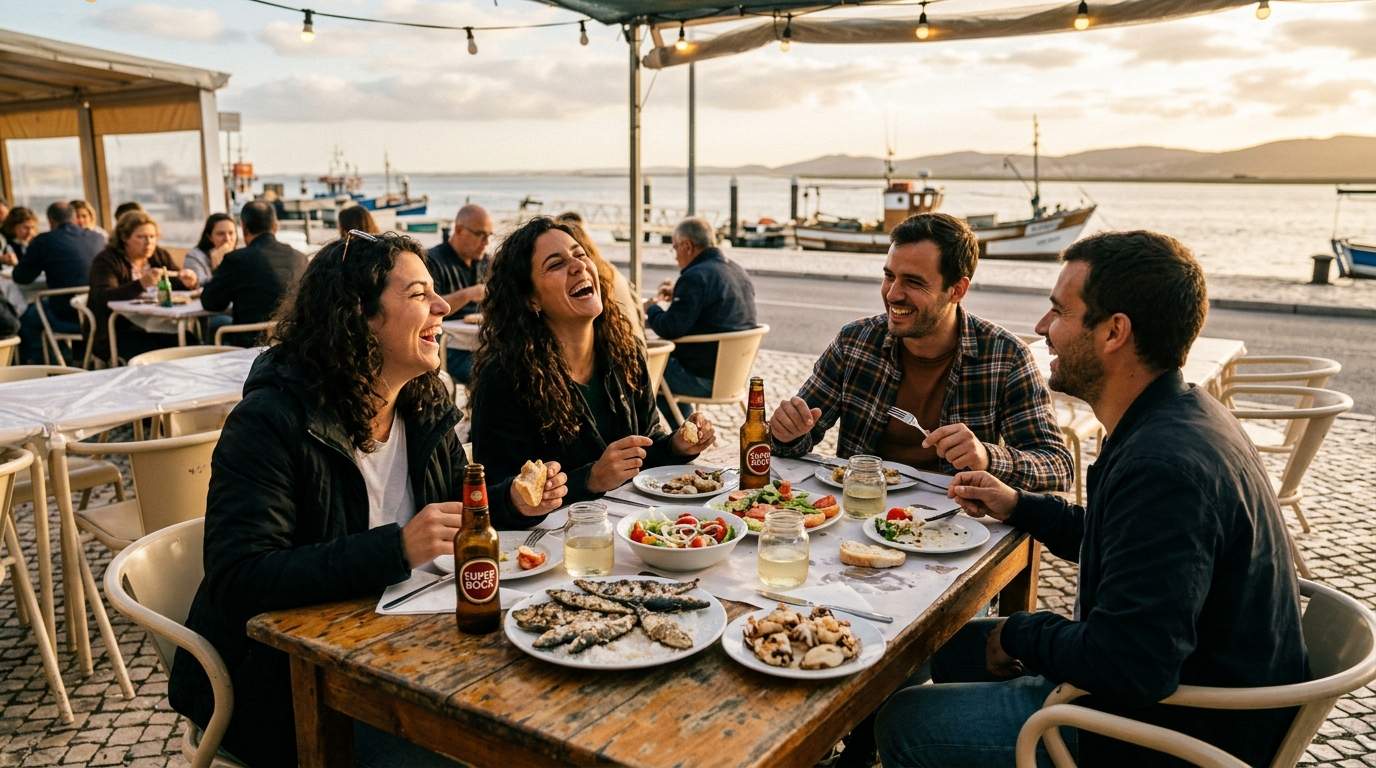
Eating in Kyoto can be a wallet-wrestle if you stick to the well-trodden paths. A bowl of ramen near Gion could easily set you back ¥1200-¥1500. Our strategy? Dive into local markets and tiny, unassuming eateries tucked down side streets. At Nishiki Market, yes, it’s famous, but if you know where to look, it’s a treasure trove of budget-friendly delights. We found a stall selling takoyaki (octopus balls) for ¥500 a generous portion, piping hot and fresh. Compare that to the ¥800 we saw for a paltry plate just two blocks away in a tourist-focused restaurant. Another win: the onigiri (rice balls) at a small family-run shop near our Airbnb for ¥180 each. "This is real food," I declared, biting into one filled with pickled plum. "Not the Instagrammable, overpriced stuff." The elderly woman running the shop smiled, clearly amused by our enthusiasm.
One evening, we stumbled upon a tiny izakaya called "Kinmata" in the Pontocho alley area, but specifically off the main tourist drag. We were the only foreigners, surrounded by jovial locals. We ordered a selection of skewers (yakitori) and some draft beer. The bill? A shockingly reasonable ¥4000 for both of us, including several rounds. This was a stark contrast to a nearby establishment where we saw a couple paying over ¥8000 for what looked like half the food. The difference was not just in price but in authenticity. The conversations, even in broken English and Japanese, felt genuine, a shared moment of local life that no guide book could buy.
Beyond food, accommodation can be a major drain. We opted for an Airbnb outside the immediate city center, near Tofuku-ji temple, which cut our nightly costs by almost 30% compared to similar places in downtown Gion. The trade-off was a 15-minute train ride, but Kyoto's public transport is efficient and inexpensive (a one-day bus pass is around ¥700 and pays for itself quickly). As for souvenirs, skip the mass-produced trinkets at Kiyomizu-dera. We found beautifully crafted pottery and local textiles at tiny shops in the residential areas surrounding Daitoku-ji Temple, often at half the price and with a much more compelling story behind them. Always carry cash; some smaller establishments are cash-only, and it helps you keep track of your spending.
Traveling in late autumn (November) proved perfect. The heat and humidity of summer were gone, replaced by crisp air and fewer crowds than the spring cherry blossom rush. The autumn foliage, especially around Eikando Zenrin-ji Temple, was spectacular, making the ¥1000 entrance fee feel justified for the sheer artistry of nature. However, remember that specific temple hours might be shorter in autumn, so plan morning visits. For those eager to avoid the mainstream, consider Daitoku-ji Temple Complex. It houses numerous sub-temples, many with stunning gardens, and you can often find one or two that are open to the public without the hordes. We spent a quiet afternoon exploring Ryogen-in, another dry landscape garden, for ¥300, a truly serene escape. And if you're feeling adventurous, rent a bike for a day (around ¥1000-¥1500). Pedaling along the Kamo River or through residential streets reveals a side of Kyoto few tourists ever see.
Kyoto isn't just a city; it's a labyrinth of experiences waiting to be discovered beyond the crowded highlights. Skip the obvious, dive deep into its quieter corners, and your wallet (and soul) will thank you.