Help! Venice Felt Like a Trap? Discover Its Soulful Secrets for €40!
- Quick Tags: Venice Budget Travel, Niche Venice, Avoid Tourist Traps, Venice Hidden Gems
- Editor: Alex Reynolds
- Updated: Sep,07,2026
- Views: 321.8k


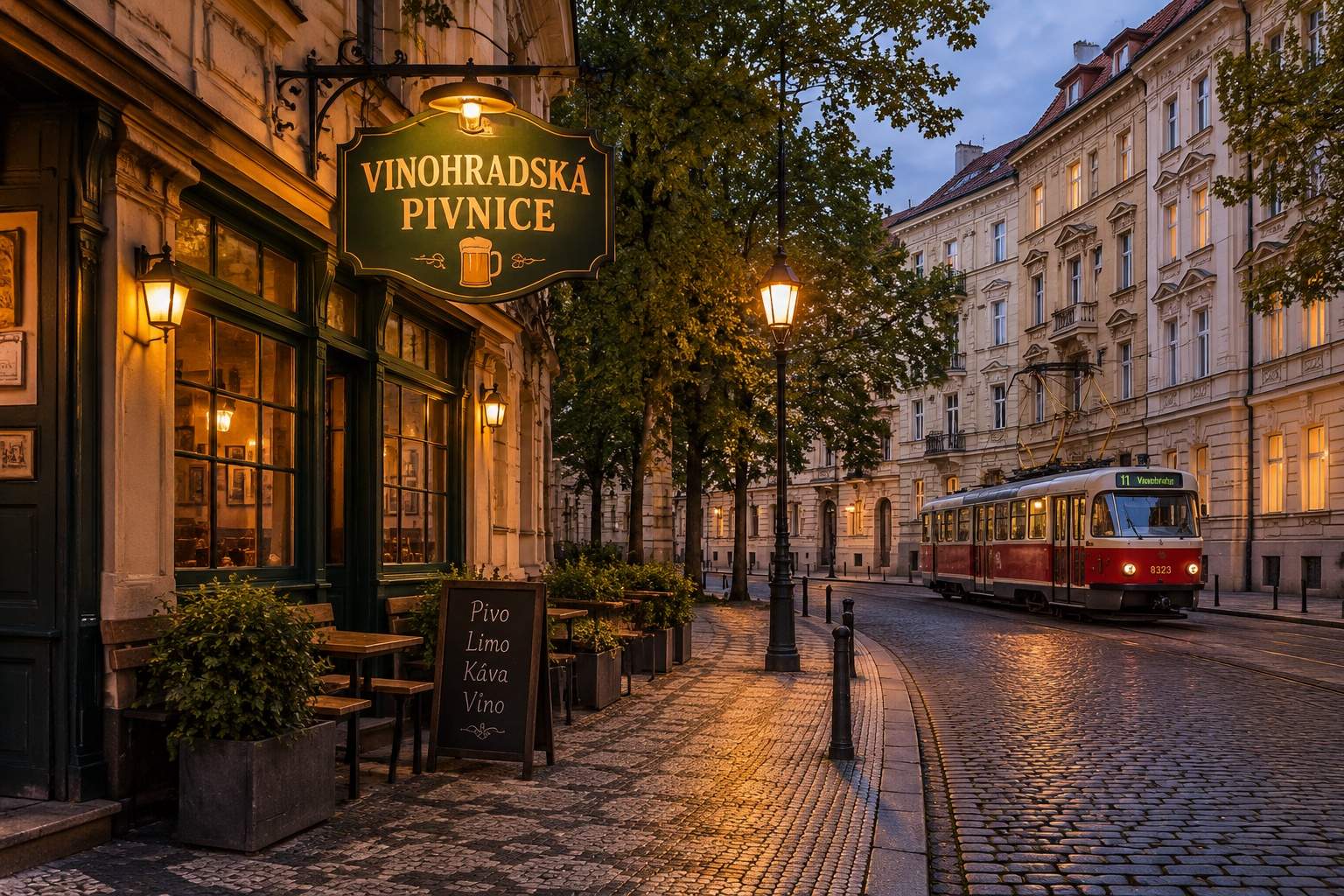
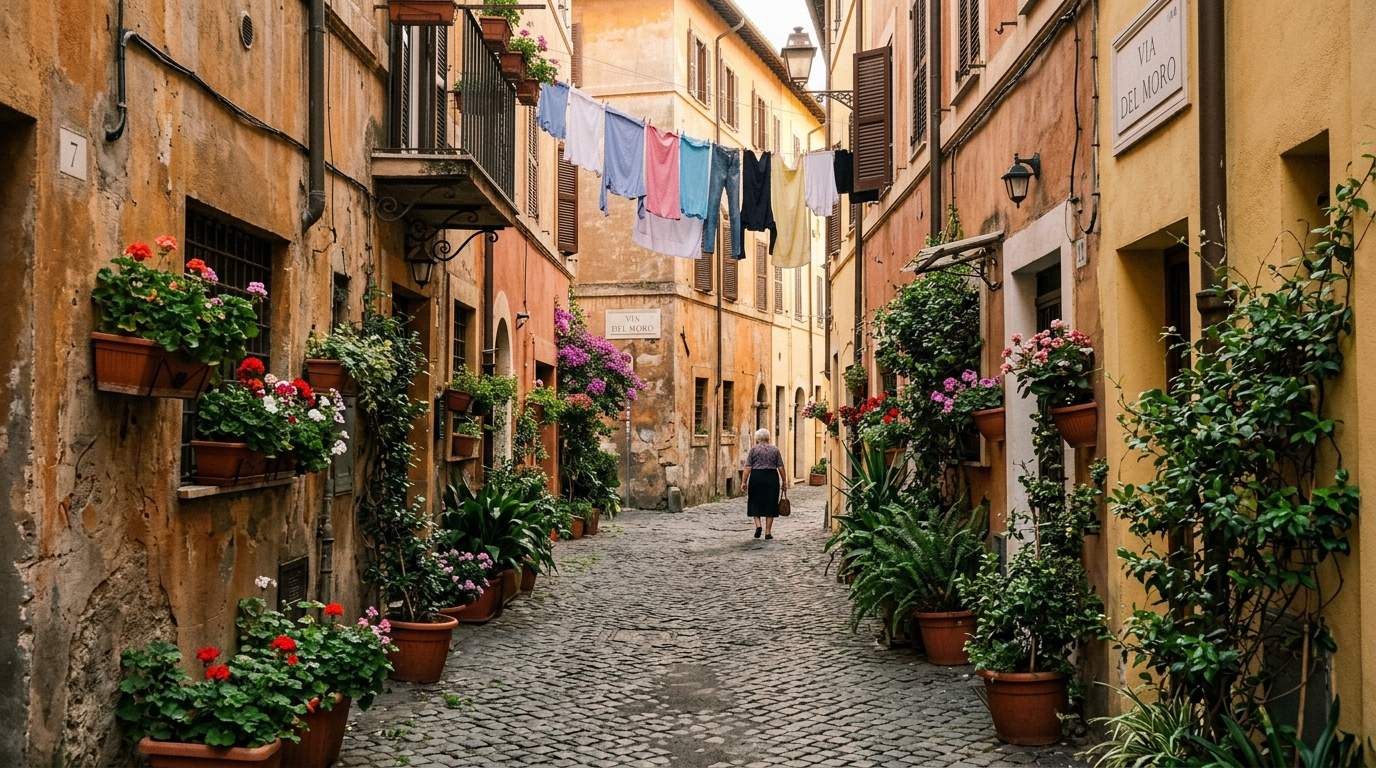
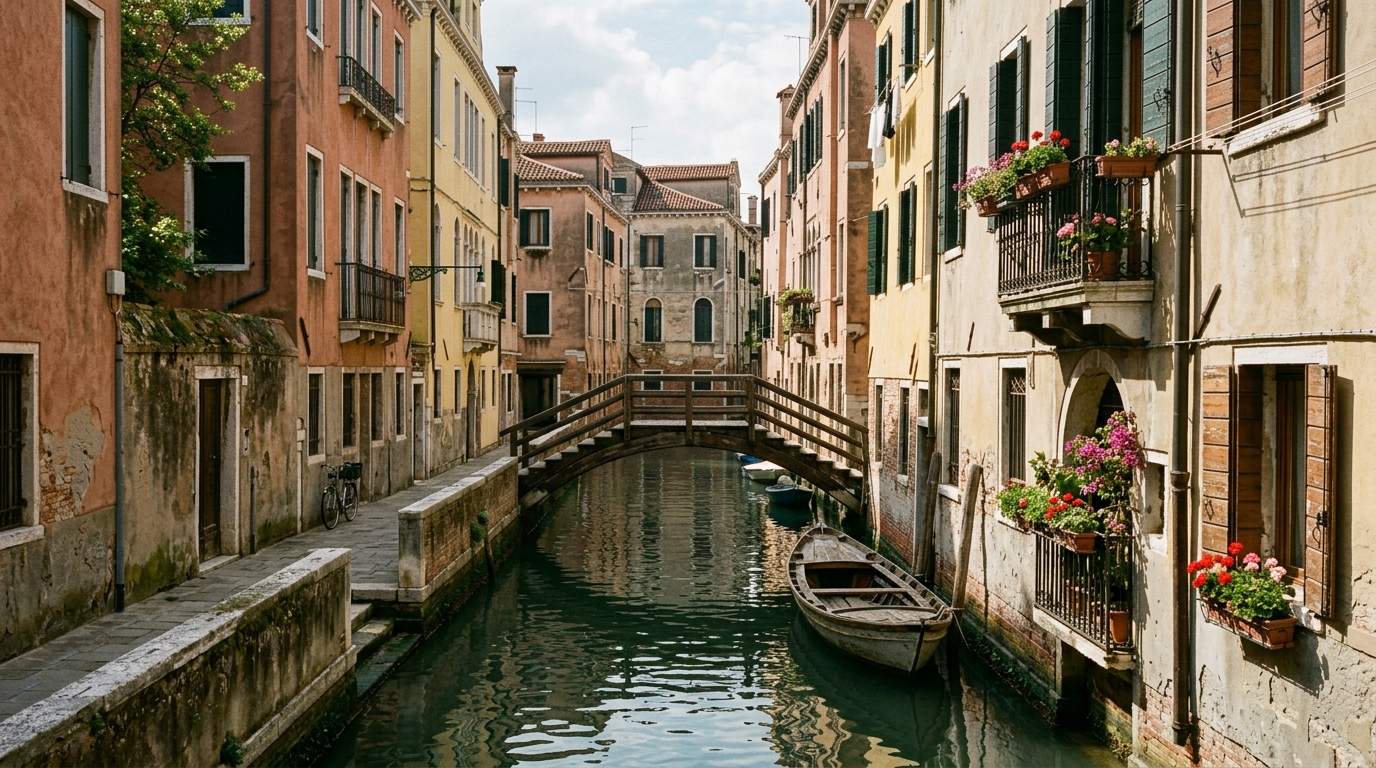
The water slapped gently against ancient stone, a rhythmic whisper against the backdrop of an otherwise impossibly quiet canal. Sunlight, mellow and golden, painted the worn façades of pastel-hued buildings, reflecting off the glassy surface. I wasn't in St. Mark's Square, battling selfie sticks and pigeon-feeding frenzies. I was tucked away in a tiny campo in Castello, sipping an espresso that cost me a grand total of €1.50, feeling utterly smug. This, I thought, is the Venice everyone thinks they want, but rarely finds. And let me tell you, getting here didn't require selling a kidney.
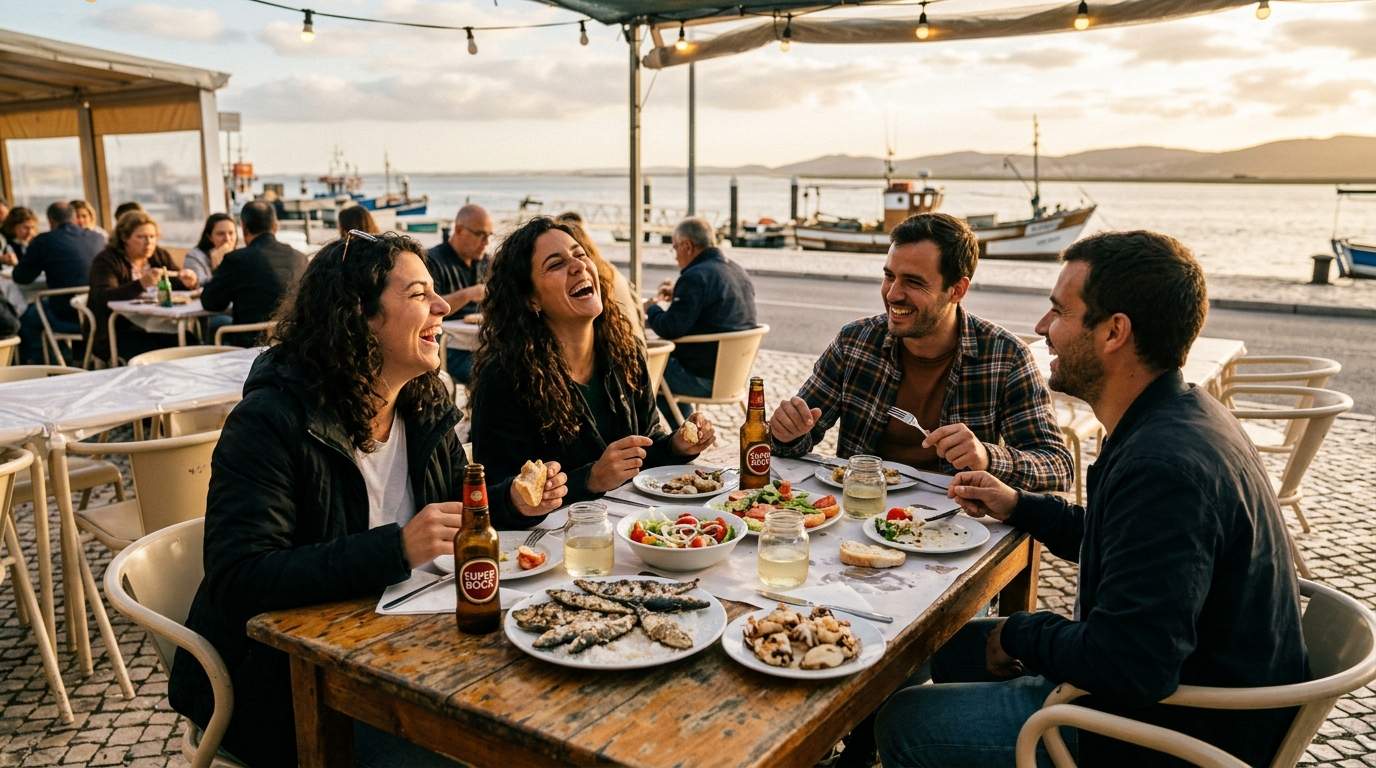
First, let's talk food. Everyone knows Venice is pricey, but the real scandal isn't the price itself; it's what you're paying for. Walk into a cafe near Rialto, order a coffee and a croissant, and watch your wallet weep a €15 tear. I learned this the hard way on my first solo trip, fresh off the train, desperate for caffeine. Never again. The true Venetian culinary experience, my friends, lies in the bacari – tiny, unassuming taverns serving cicchetti, which are essentially Venetian tapas. My partner and I, on a subsequent trip, made it our mission to eat nothing but these small bites for lunch and dinner. A glass of house wine and two cicchetti? Typically €5-€7. For a substantial, delicious lunch, we’d spend about €10-€12 per person. The secret? Head to the less-trodden paths of Cannaregio or Castello. In one bustling bacaro in Cannaregio, I overheard a local grumble in Italian about "another €8 spritz" from a nearby tourist bar, while his spritz at the counter cost €3.50. Just stand at the bar, order in basic Italian ("un ombra e due cicchetti, per favore"), and voilà – you're practically family.
Oh, the gondola ride. The quintessential Venetian experience! Also, the quintessential €80 for 25 minutes experience. Look, if you're on a honeymoon and it's a non-negotiable, fine. But for everyone else, especially those eyeing that €40-a-day target, I'm here to tell you about the traghetto. Imagine a giant gondola, piloted by two gondoliers, that ferries locals across the Grand Canal at specific points where bridges are scarce. It's not a scenic tour; it's a public transport service. You stand, you sway, you cross. The cost? A glorious €2. Two euros! You get the feel of a gondola, the unique perspective of the water, and you save yourself enough cash to buy three rounds of cicchetti. My friends and I hopped on one near Santa Sofia and giggled like schoolchildren, feeling like we’d pulled off a heist. It's one of those "locals know" hacks that makes you feel like you've unlocked a secret achievement.
Everyone flocks to St. Mark's, fights for space on the Rialto Bridge. Don't get me wrong, they're iconic. But after you've ticked them off (preferably early morning or late evening), truly immerse yourself in the labyrinthine beauty of areas like Castello or Dorsoduro. One rainy afternoon, my sister and I stumbled into Libreria Acqua Alta, a bookstore where books are piled in bathtubs and gondolas to protect them from high water. It's a whimsical, quirky spot worlds away from the commercial noise. Later, we wandered through quiet residential streets, finding hidden squares (campos) where children played football and old women chatted from their windows. We passed a small, anonymous church, its doors open, revealing centuries of art and silence. No entrance fee, no queue, just pure, unadulterated Venetian magic. This is where the true character of the city resides, far from the polished tourist façade.
Most first-timers rush to Murano and Burano for glass and colorful houses. They're pretty, sure, but also jam-packed and often overpriced. My advice for the reverse traveler? Take the Vaporetto (public water bus) to Chioggia, and then hop on another to Pellestrina. This long, thin island, a natural barrier between the Adriatic and the Venetian Lagoon, feels like a different country entirely. My family and I rented bikes for €5 each and spent a glorious afternoon cycling along the sea wall, with the calm lagoon on one side and the roaring Adriatic on the other. We stopped at a local trattoria for fresh seafood (the fritto misto was heavenly and surprisingly affordable at €18) and watched fishermen mend their nets. It's authentic, devoid of tourist traps, and offers a glimpse into a hardworking, traditional Venetian way of life.
So, when to go for this elusive, affordable Venice? Avoid summer at all costs, unless you enjoy sweltering heat, elbow-to-elbow crowds, and peak prices. Late autumn (October/November) or early spring (March/April) are your sweet spots. The air is crisp, the light is gorgeous, and while you might encounter a sprinkle or two, the sheer lack of crowds makes any weather minor. Be aware of acqua alta (high water) in late autumn/winter; pack waterproof shoes or wellies. It can be a nuisance but also an oddly charming experience, with temporary walkways appearing in flooded squares. This season also brings out fewer street vendors hocking mass-produced souvenirs, allowing local artisans to shine.
Venice can be an overpriced, crowded nightmare if you let it. But with a little strategic planning and a willingness to step off the well-worn path, you can experience its profound beauty and vibrant local culture without breaking the bank. It's not about avoiding Venice; it's about outsmarting it.