Heartbreak or Holy Grail? Solo Girl's Kyoto: Skip Crowds, Eat Like a Local.
- Quick Tags: Kyoto travel guide, Japan budget travel, Niche Kyoto spots, Avoid tourist traps
- Editor: Alex Reynolds
- Updated: Sep,29,2026
- Views: 210k









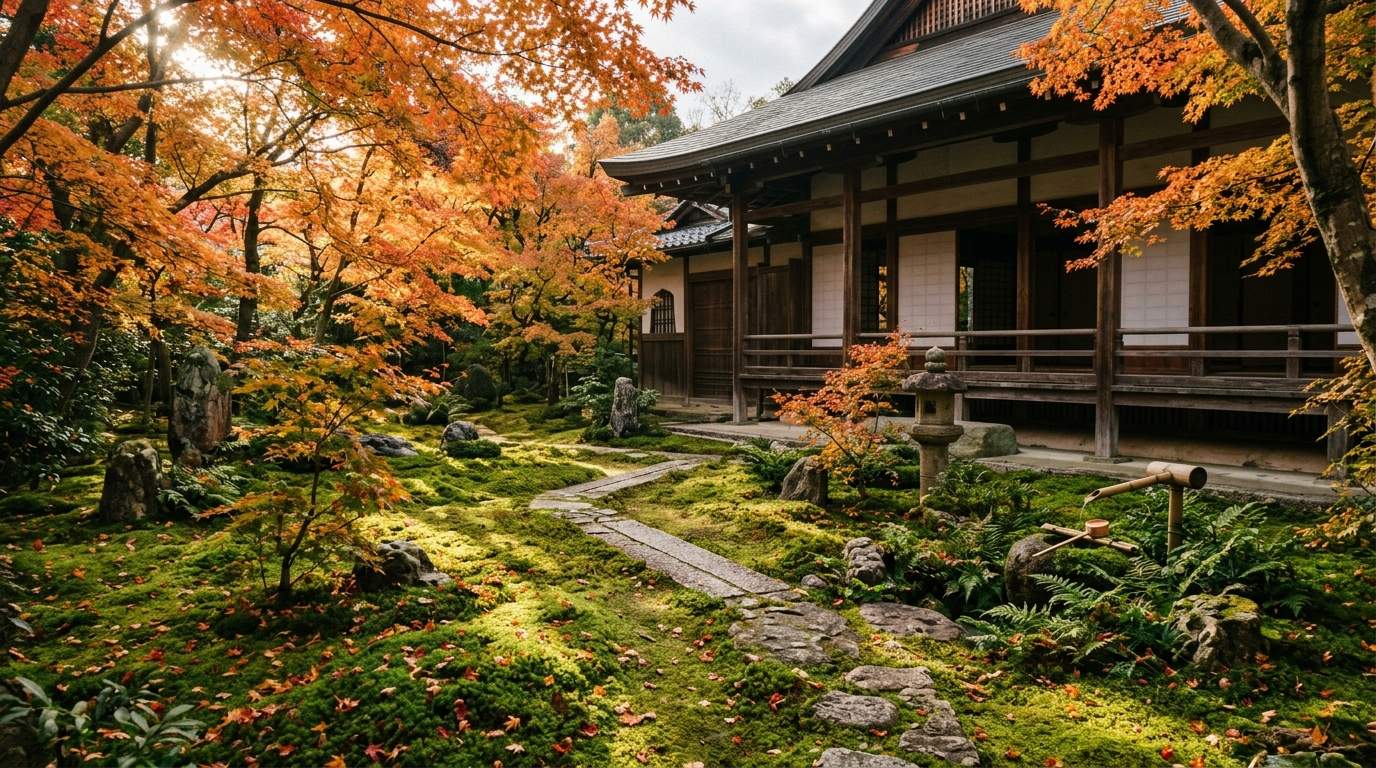
The faint scent of cedarwood and damp moss hung in the crisp morning air, a stark contrast to the buzzing street I'd navigated just moments before. Tucked away behind a nameless wooden gate, this tiny, unassuming temple garden in Kyoto's Higashiyama district felt like a whispered secret. Sunlight filtered through ancient pines, dappling the raked gravel, and the only sound was the distant call of a hawk. It was 7 AM, and I, a solo traveler, had stumbled upon a moment of pure, unadulterated Kyoto – the kind you won't find on any postcard or crowded Instagram feed. This isn't about just seeing Kyoto; it's about feeling it, without emptying your wallet or wrestling with selfie sticks.
Ah, Gion. The very name conjures images of elegant geiko gliding through lantern-lit alleys. My first visit with friends was, frankly, a bit of a letdown. We elbowed our way through throngs of tourists snapping photos of every kimono-clad person, often disrespectfully. "Are they even geisha?" my friend Maya whispered, as a young woman in a rental kimono posed for a selfie. "Probably not," I muttered back. The real magic? It happens later, and often away from the main drag. Instead of lurking on Hanamikoji Dori, we discovered a tiny, unmarked teahouse in Pontocho Alley, recommended by a local bartender. For 1,500 yen each, we had a simple matcha ceremony and watched genuine maiko practice their art for a select few. No cameras, just quiet appreciation. It felt like unlocking a hidden level, a far cry from the free-for-all photo ops.
Everyone flocks to Kinkaku-ji, the Golden Pavilion. It's beautiful, no doubt, but the 500 yen entrance fee feels a bit steep when you're shuffled along a set path with hundreds of others, gazing at a distant, unapproachable beauty. "Worth it for the photo," my family conceded on our trip, but the experience felt impersonal. Contrast that with Honen-in Temple, just a short walk from the bustling Philosopher's Path. Free to enter, its moss-covered grounds and quiet wooden halls invite contemplation. When my partner and I visited in late October, the maple leaves were just starting to turn in its lesser-known gardens, offering a calm beauty completely absent from the peak-season chaos. We spent an hour simply sitting on a bench, listening to the wind rustle through the trees. That kind of profound peace? Priceless.
Let's talk food. Tourist traps love to serve up overpriced "traditional" meals. Near popular temples, a set lunch can easily run you 2,500-3,000 yen. My advice? Walk two blocks away from the main attraction. Seriously. One evening, after a long day of exploring solo, I was ravenous but wanted to avoid the flashy tourist restaurants. I ducked into a small, unassuming ramen joint down a backstreet in downtown Kyoto, the kind with a ticket machine for ordering. The ramen, rich and comforting, cost me only 750 yen. The old man behind the counter, wiping down the bar, nodded approvingly when I slurped loudly. "Oishi!" I managed, giving him a thumbs-up. He chuckled, a warm, genuine sound. Compare that to the 1,800 yen "Kyoto-style" ramen I once had near Nishiki Market, which tasted suspiciously bland. Look for places frequented by salarymen or students – they know where the good, cheap eats are.
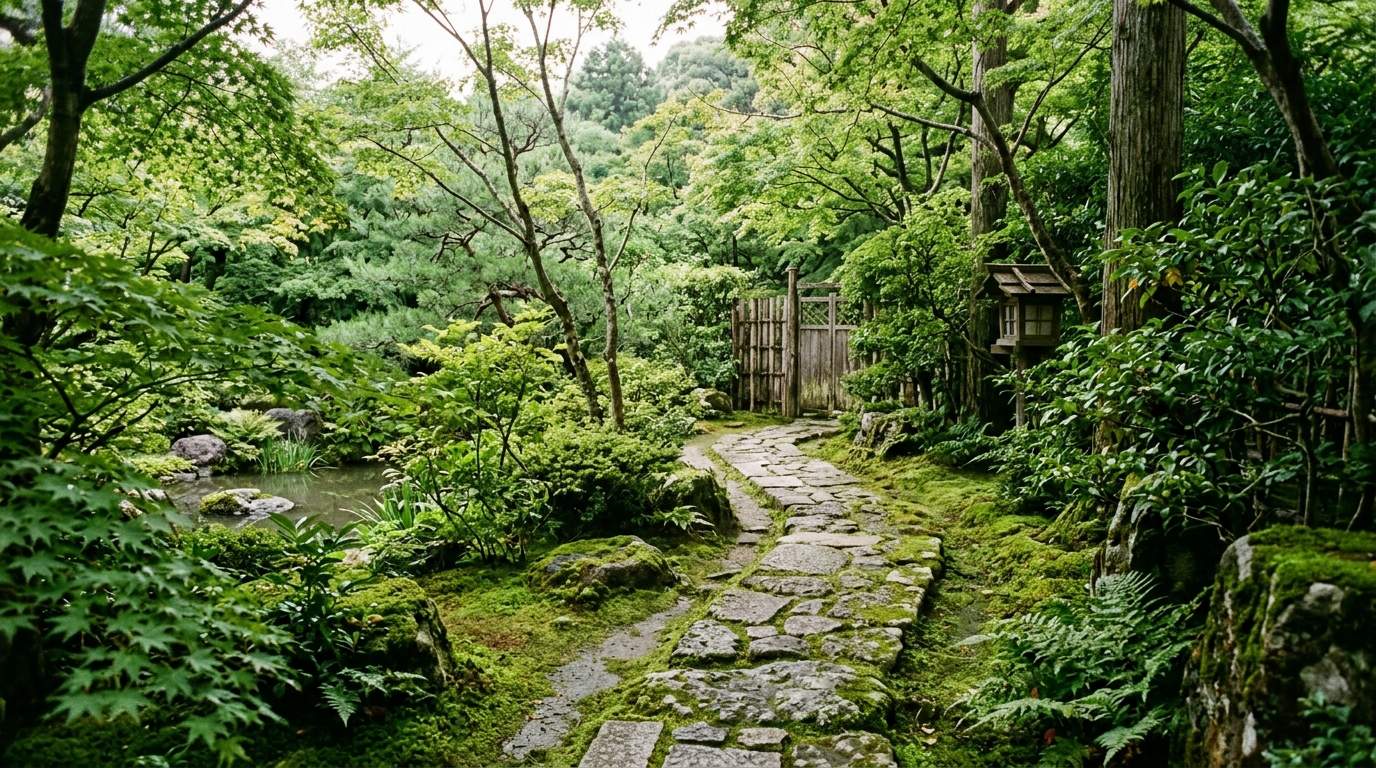
Arashiyama's Bamboo Grove is iconic, but often feels like a human conveyor belt. During a spring trip with my family, my sister was initially disappointed by the crowds. "This is it?" she asked, looking at a wall of people. Instead of fighting for a photo, we veered off, following a sign for the Hozugawa River boat ride. The roughly two-hour traditional wooden boat journey down the scenic river, led by witty boatmen, offered breathtaking views of the natural landscape, far from the tourist crush. It cost us about 4,100 yen per person, which might seem like a splurge, but the unique experience and relative solitude were completely worth it, especially when compared to paying for multiple crowded attractions. Afterward, we skipped the main street and found a tiny, local soba shop, where a hearty bowl set us back only 900 yen. The difference between an Instagram moment and a genuine memory is often a detour.
Transportation in Kyoto can seem intimidating, but it's crucial for avoiding costly detours. Forget taxis unless you're truly desperate – a short ride can easily cost over 1,500 yen. When I travel with friends, we often opt for the Kyoto City Bus Pass. For just 700 yen, it offers unlimited rides for a day, which is a steal if you plan to visit three or more places. For solo journeys, I often found myself walking, discovering countless small shrines and local shops I would have otherwise missed. The Kyoto Station area can be a hectic hub, but for arriving via Shinkansen or JR lines, it’s a necessary evil. Just be prepared for the crush, especially during rush hour. To truly save, combine walking with strategic bus or train usage. My best advice for any season: visit popular spots like Fushimi Inari or Arashiyama before 8 AM or after 5 PM. You'll avoid the worst of the crowds and catch some incredible light.
Navigating Kyoto without falling into tourist traps is entirely possible with a bit of planning and a willingness to step off the well-trodden path, transforming a potentially overwhelming trip into a deeply personal and affordable adventure.