Chiang Mai: Did Your Friends Get Scammed? Here's How You Won't.
- Quick Tags: Chiang Mai Travel, Budget Thailand, Avoid Tourist Traps, Niche Chiang Mai
- Editor: Alex Reynolds
- Updated: Sep,11,2026
- Views: 228.4k









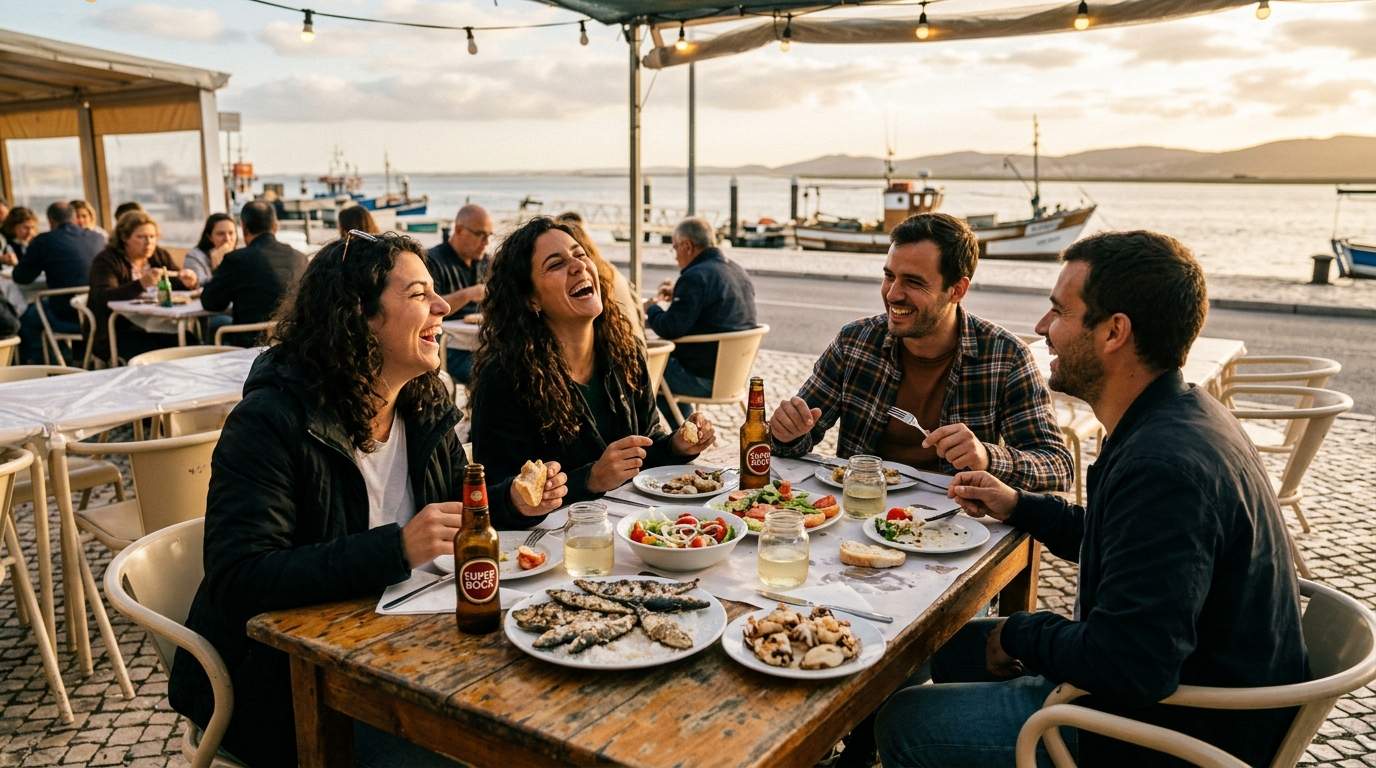
A soft breeze rustled through the palm fronds, carrying the scent of grilling pork and blooming jasmine. I sat cross-legged on a worn bamboo mat at a noodle stall tucked down a narrow soi in Chiang Mai's old city, the kind of place where locals outnumber tourists ten to one. My bowl of khao soi, a creamy coconut curry noodle soup, cost me 50 baht – roughly $1.40. Just yesterday, I'd overheard a group of wide-eyed travelers near a popular temple complaining about paying 250 baht for a 'traditional' Thai meal that looked suspiciously like microwave-heated blandness. It’s moments like these that remind me why I travel, and why I’m here to tell you how to skip that bitter taste of an overpriced experience.
Chiang Mai is beautiful, no doubt. The golden temples shimmer, the markets buzz, and the mountains call. But it's also a master illusionist when it comes to separating tourists from their cash. Take the Sunday Walking Street, for instance. It's a kaleidoscope of crafts and street food, but venture beyond the initial throng near Tha Pae Gate, and you'll find the prices inflate and the "authentic" souvenirs become mass-produced plastic. I remember my first time, a starry-eyed solo traveler, dropping 800 baht on what I thought was a unique silver pendant, only to see nearly identical ones for half the price a few blocks away in a quieter market. Live and learn, right? Or, read this, and don't. The trick is to peel back the layers, to push past the obvious, and to ask a local where they would go. That 250 baht bland meal? Probably from a restaurant with English menus and glossy pictures near a major temple. My khao soi came from a stall with only Thai script and an elderly woman who smiled warmly, pointing to the steaming pots.
Food is where Chiang Mai truly shines, both in flavor and value, if you know where to look. Forget the 'authentic Thai' restaurants boasting air-conditioning and polished wooden tables in the tourist zones – they're charming, but your wallet will weep. My friend Mark, a seasoned budget traveler, and I once made it a game: find the best khao soi for under 60 baht. We stumbled upon a place called Khao Soi Mae Sai, north of the old city. It's not fancy, just a few tables, often packed with university students and local workers. The broth was rich, the noodles perfectly chewy, and the crispy bits on top were pure magic. My bowl was 50 baht. Mark ordered two. The touristy spots might charge you triple for something half as good. Don't be afraid of the plastic chairs and the occasional language barrier; a simple "Khao soi gap gai" (khao soi with chicken) or "moo" (pork) and a pointing finger will usually do the trick. For breakfast, skip the hotel buffet and hunt down a tiny stall selling patongo (fried dough sticks) with nam tao hoo (soy milk) for less than 30 baht. It’s a game-changer.
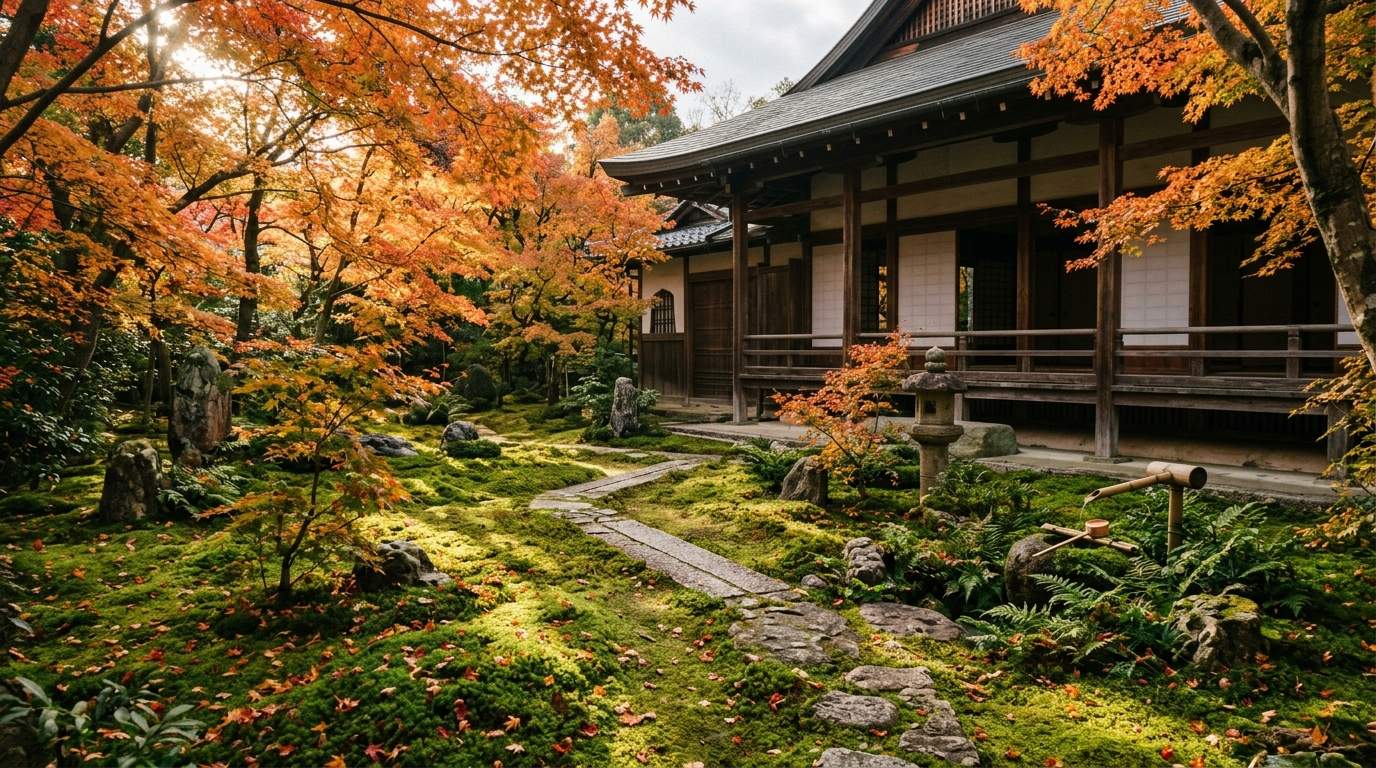
Everyone goes to Wat Phra Singh and Wat Chedi Luang, and they are stunning. But for a different vibe, and fewer selfie sticks, try Wat U Mong. It's a "forest temple" west of the city, complete with ancient tunnels, a tranquil pond, and roaming deer. I took my family there last year – my sister, her husband, and my two young nieces. The girls loved exploring the dim tunnels, giggling as their echoes bounced off the brick walls. It’s free to enter, a serene escape, and a perfect example of "reverse travel" by experiencing a sacred space without the usual clamor. Another overlooked gem is Wat Palad (Wat Pha Lat), nestled in the jungle on the way up to Doi Suthep. It’s accessible via a moderately easy hike or a quick scooter ride, offering stunning views and intricate Lanna architecture, often with only a handful of monks and serious photographers. We spent an entire afternoon there, soaking in the peaceful atmosphere, a welcome contrast to the bustling city below.

This is a big one, folks, and where many travelers inadvertently step into a pit. You see countless ads for elephant interactions, but many still involve unethical practices. If a place offers elephant riding, painted elephants, or shows where elephants perform tricks, walk away. My niece, Maya, a huge animal lover, was desperate to see elephants. So, after extensive research, we booked a visit to an ethical sanctuary outside the city. It wasn't cheap – around 2,500-3,000 baht per person for a half-day – but every baht went towards rescuing and caring for these magnificent creatures. We spent the morning feeding them bananas, walking with them through muddy fields, and watching them splash in a river. No riding, no hooks, just respecting these gentle giants in their natural, protected environment. The look on Maya's face, pure joy and wonder as an elephant gently took a banana from her hand, was absolutely priceless. Your friends might brag about riding an elephant; you can tell them you helped save one.
Getting around Chiang Mai doesn't have to break the bank. Tuk-tuks and red songthaews (shared taxis) are ubiquitous, but always, always agree on the price before you get in. Tourists often get quoted double or triple the local rate. For short distances within the old city, 30-50 baht per person is fair for a songthaew; for longer trips, 100-150 baht. For longer distances or if you're traveling with friends, Grab (Southeast Asia's Uber) is a lifesaver. It’s transparent, often cheaper than haggling, and shows you the price upfront. Renting a scooter can be incredibly liberating for exploring the countryside, but only do so if you're an experienced rider and have international driving permits; the roads can be chaotic, and accidents are common. I usually rent one for around 250 baht a day when I'm solo, but when traveling with my partner, we stick to Grab for safety and convenience.
Regarding the time of year, Chiang Mai has a "burning season" from late February to April, where agricultural burning leads to haze. While still visitable, the air quality can be poor, and views are obscured. The cooler, dry season (November to February) is fantastic for exploring, though it's peak tourist time. The green season (May to October) brings lush landscapes and fewer crowds, but expect afternoon showers. Aim for the shoulder months (November/February or May/October) for a good balance of weather, crowds, and prices.
Haggling isn't just for souvenir stalls; it's a way of life in many markets, and a crucial skill for cost-effective travel. My partner, Alex, hates haggling, but I thrive on it. When buying clothes or crafts at the Night Bazaar or Warorot Market, start by offering about 50-60% of the initial asking price. Keep a friendly demeanor, smile, and be prepared to walk away – often, they'll call you back with a better offer. I once got a beautiful silk scarf from 400 baht down to 180 baht simply by feigning disinterest and saying, "Khop Khun Ka, paeng mak" (Thank you, too expensive). It's a polite dance, not a confrontation, and it saves you a surprising amount of money that can then be spent on another bowl of delicious khao soi.
Chiang Mai is an incredible city that rewards curiosity and a willingness to step off the beaten path. Arm yourself with this knowledge, and you'll experience its true magic without paying a premium for a subpar show.