Crazy: Kyoto's 'Must-Dos' Are Tourist Traps! Girls' Guide Smashes Crowds & Costs.
- Quick Tags: Kyoto travel, Japan budget travel, Niche Kyoto spots, Avoid tourist traps
- Editor: Chloe Jones
- Updated: Sep,09,2026
- Views: 400.7k









The late afternoon sun filtered through the bamboo grove, not the iconic Sagano one, mind you, but a quiet, almost forgotten path leading to Adashino Nenbutsu-ji. My best friend, Maya, sighed contentedly beside me, her phone tucked away, a rare sight. "Remember how we almost got trampled trying to find that 'famous' green tea place yesterday?" she whispered, a ghost of a shudder passing through her. I just grinned, listening to the rustle of leaves and the distant, muffled chant from the temple. This, I thought, this was the Kyoto we had been promised, not the Insta-perfect, sardine-can version peddled by every travel influencer. Our girls' trip had quickly morphed into an undercover operation: finding the real Kyoto, sans the wallet-draining crowds and manufactured charm.
Most itineraries scream "Arashiyama Bamboo Forest!" and "Fushimi Inari's Vermillion Gates!" and honestly, our initial plan was no different. We pictured serene strolls and contemplative moments. What we found instead were human conveyor belts, selfie sticks galore, and an elbow-to-elbow battle for any semblance of a view. Maya, ever the pragmatist, declared, "My spiritual journey does not involve this much aggressive jostling." That was our pivot point. Instead of pushing through the throngs in Arashiyama, we veered slightly north. Just a 15-minute walk from the main circus, past quiet residential streets, we stumbled upon Adashino Nenbutsu-ji. This isn't your flashy brochure temple. It’s a somber, profoundly moving place dedicated to the souls of the dead, marked by thousands of stone Buddha statues donated by local people over centuries. The atmosphere was hushed, reverent, and utterly devoid of tour groups. The 500 JPY (about $3.50 USD) entrance fee felt like a donation to tranquility itself, a stark contrast to the free-but-priceless sense of being constantly on edge at its famous neighbor. We spent over an hour just wandering, reading the small English plaques, and feeling a connection far deeper than any "must-see" could offer.
Kyoto's culinary scene can be a minefield of exquisite, yet eye-watering, prices. A traditional kaiseki dinner can easily set you back $100+ per person. While tempting, our wallets wept at the thought. Our strategy? Hunt down the local haunts and embrace the convenience store revolution.
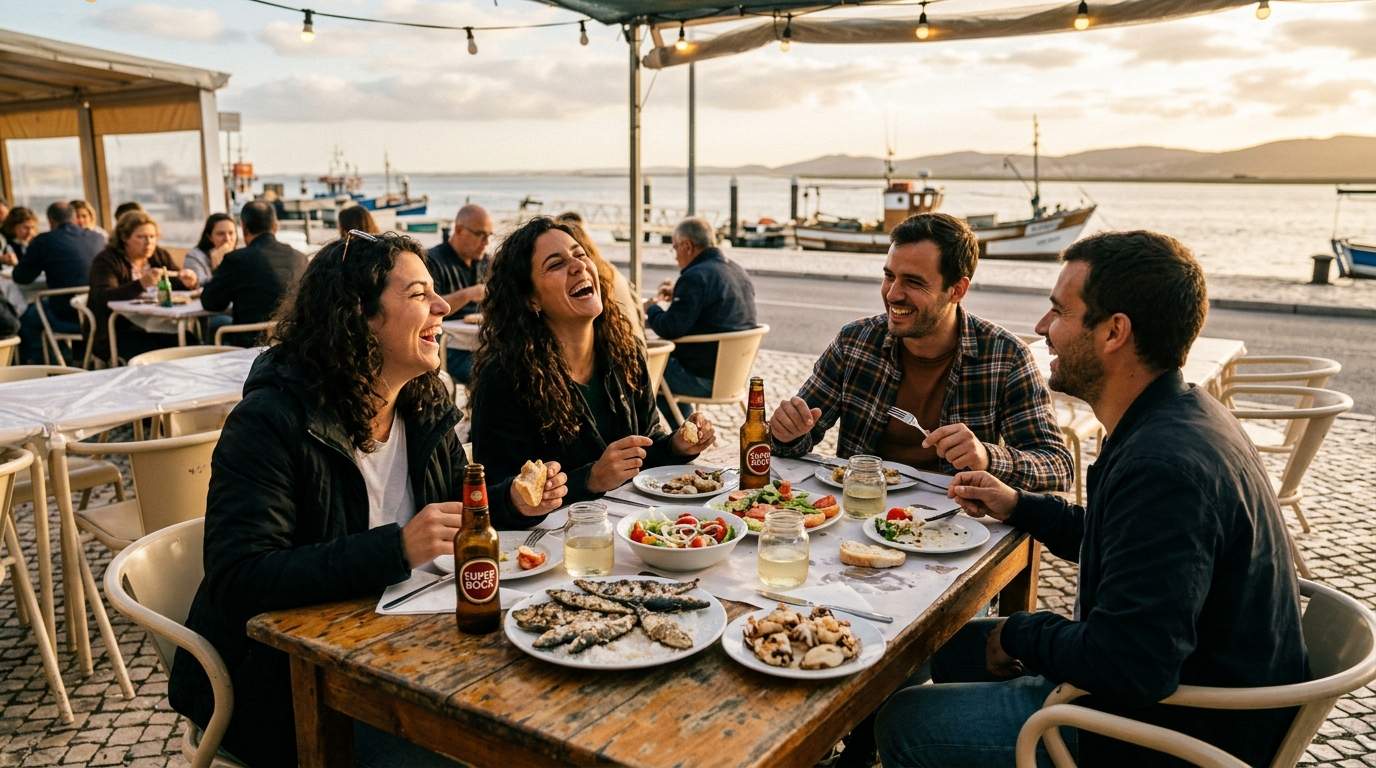
Forget the fancy ryotei. For dinner, our secret weapon became the local supermarket. Around 6-7 PM, stores like FRESCO or Izumiya slash prices on pre-made sushi, bento boxes, and tempura. We'd grab a delicious assortment – an 8-piece sushi platter for 400 JPY ($2.80), yakisoba for 300 JPY ($2.10), even a hearty chicken katsu bento for 500 JPY ($3.50) – and head back to our guesthouse. Paired with a cheap local sake or strong chu-hi, it was a feast for under $10 each. One evening, we overheard a bewildered American couple debating a 10,000 JPY ($70) tempura meal. Maya just winked at me, "We’re eating better for less than a tenth of that."

Breakfast became another budget battlefield we won. Instead of overpriced hotel buffets, we'd dive into the nearest konbini (convenience store) for coffee, yogurt, and surprisingly good pastries, all for under 500 JPY ($3.50). For a more artisanal touch, we discovered a tiny, nondescript bakery near our Airbnb. Their melon pan was impossibly soft, slightly sweet, and only 150 JPY ($1.05). The owner, an elderly woman with flour on her apron, would always offer us an extra anpan (red bean bun) "for good luck." That personal touch? You won't find it at a chain hotel.
Beyond the brochure, Kyoto holds a wealth of experiences that offer profound cultural value without the crowds or the cost. These aren't just "lesser-known," they're often forgotten by the masses.
Otagi Nenbutsu-ji Temple: This place is pure magic. Tucked away in the mountains, a bus ride past Arashiyama (use your bus pass!), it houses 1,200 unique rakan (disciples of Buddha) statues, each carved with its own distinct, often humorous, expression. There's a joyful, slightly eerie vibe to them. Maya spent 20 minutes trying to find the one with a camera. We were two of maybe ten people there. The 400 JPY ($2.80) entrance fee is a steal for such an idiosyncratic, photo-worthy (without the fight) experience. "This is what they mean by 'Zen'!" Maya exclaimed, laughing at a rakan scratching his head.
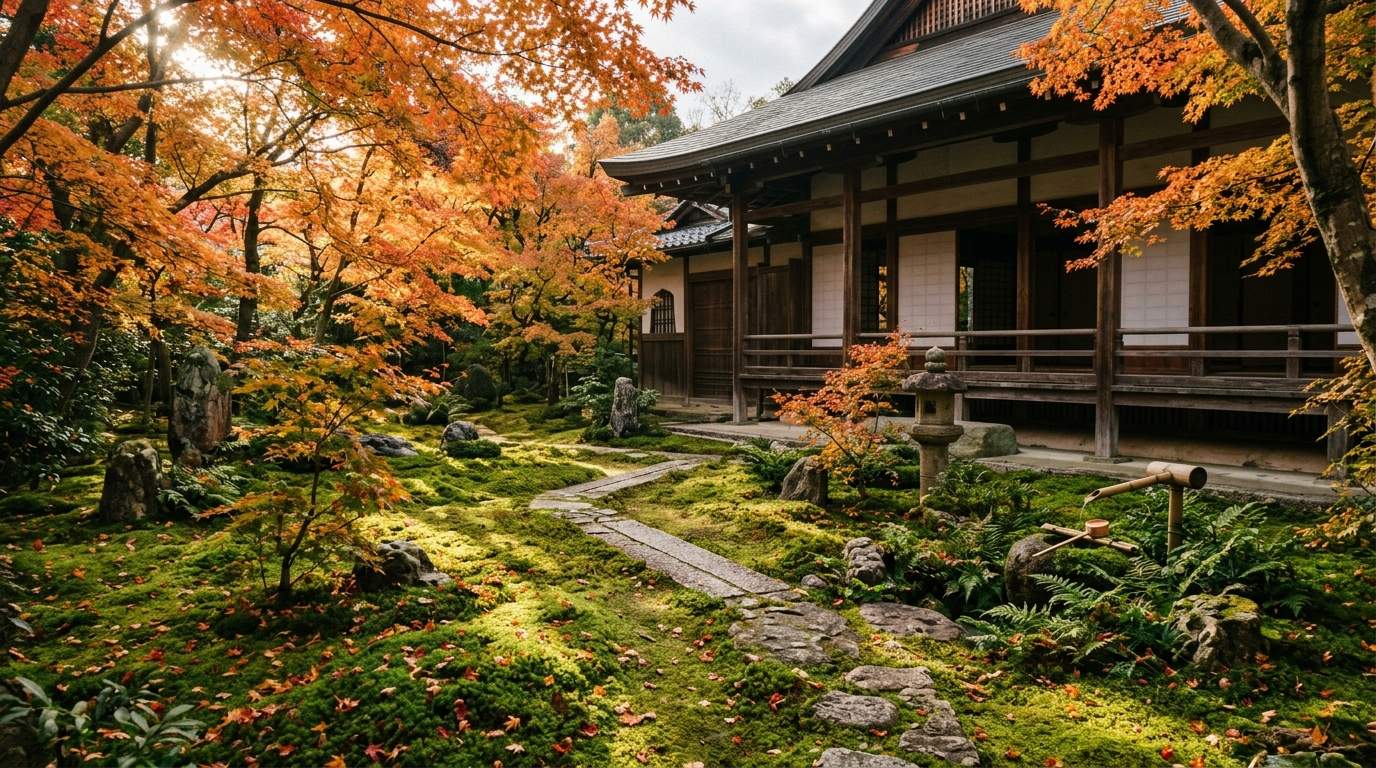
Shisen-do Garden: Far from the sprawling, famous gardens, Shisen-do is a compact, contemplative haven. Once the home of a Edo period scholar, it's known for its precise design and the shishi-odoshi (deer scarer) that punctuates the quiet with its rhythmic clack. The garden is beautiful in any season, but without the autumn leaf-peeper crush, we practically had the place to ourselves. Sitting on the veranda, sipping the complimentary matcha, we felt like we'd stepped into a private, centuries-old retreat. The 500 JPY ($3.50) entrance was a bargain for this level of serene immersion.
Forget taxis and expensive ryokans if you're serious about saving. Kyoto's public transport is a lifesaver, and savvy accommodation choices make all the difference.
Our trusty Kyoto City Bus One-Day Pass (700 JPY / $4.90) became our best friend. It pays for itself after three rides. We embraced the art of getting slightly lost and then finding our way, which often led to discovering charming local shops or quiet side streets. "Turn left here for adventure!" became our running joke. For accommodation, we bypassed the central, tourist-heavy districts. We found a charming, clean Airbnb in a residential area, a bit further out but well-connected by bus, for roughly $40 a night per person. This was half the price of anything similar near Kyoto Station or Gion, and it gave us a glimpse into everyday Japanese life, complete with early morning school children greetings and the rhythmic delivery of newspapers.
Everyone flocks to Kyoto for cherry blossoms in spring and fiery maple leaves in autumn. "My cousin went last autumn," Maya recalled, "said she spent more time looking at people's backs than at the foliage." This popularity translates to exorbitant prices and suffocating crowds. We deliberately chose early summer (June). Yes, it was a bit humid, but the upside? Fewer tourists, and a different kind of beauty. The hydrangeas at Mimuroto-ji Temple were spectacular, bursting with vibrant blues and purples, and we shared the tranquil grounds with only a handful of local enthusiasts. Plus, we snagged fantastic flight and accommodation deals. If you can handle the chill, winter in Kyoto is magical – often snow-dusted, utterly serene, and you’ll practically have the temples to yourself. Imagine Kinkaku-ji (Golden Pavilion) dusted in white, without a soul in sight.
Our Kyoto adventure taught us that the real magic isn't in ticking off famous landmarks, but in seeking out the quiet corners, embracing local life, and letting genuine experiences unfold. Skip the hype, dodge the crowds, and your wallet (and your soul) will thank you.