Don't Be A Kyoto Sheep: Hack Hidden Temples, Halve Your Yen.
- Quick Tags: Kyoto offbeat, Japan budget travel, Niche Kyoto, Avoid tourist traps, Reverse travel Japan
- Editor: Chloe Jones
- Updated: Sep,21,2026
- Views: 324.7k









The aroma of roasting hojicha filled the air, a whisper against the distant hum of Kyoto. I wasn’t at the throngs of Kiyomizu-dera, nor navigating the selfie-sticks of Arashiyama’s bamboo grove. My friend, Leo, was busy capturing the perfect bokeh of a moss-covered stone lantern in a courtyard no wider than my outstretched arms. “This,” I murmured, stirring my matcha, “this is the Kyoto they don’t put on postcards.” We’d spent days peeling back the layers of this ancient city, not by following the tour buses, but by stubbornly walking the other way, guided by nothing but instinct and a severe aversion to queues. And guess what? Kyoto repaid us with secrets.
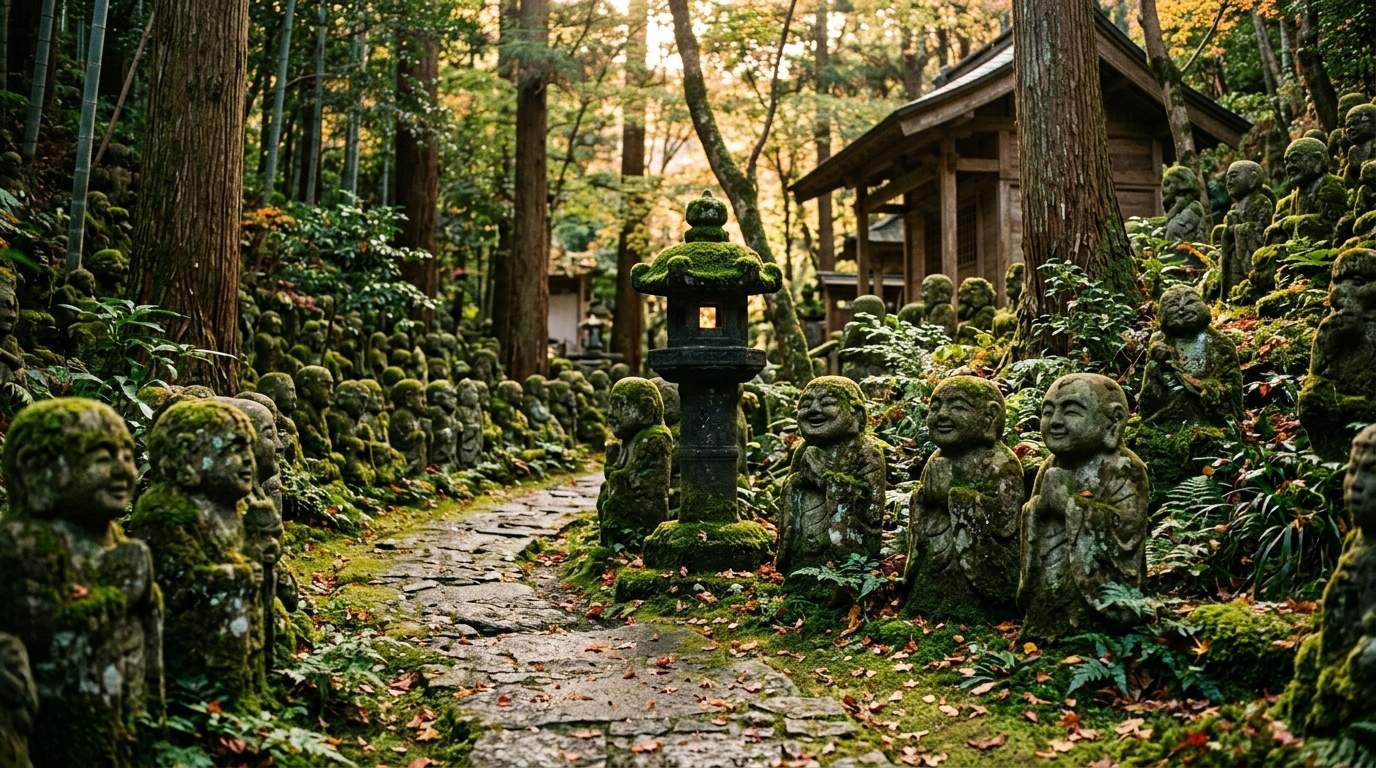
Forget the main shrines choked with tour groups; Kyoto holds a treasure trove of smaller, infinitely more serene sanctuaries. Our first gem was Otagi Nenbutsu-ji Temple, tucked away in the foothills of Arashiyama. We took a local bus (a mere 230 yen, paid with our ICOCA card) from Arashiyama station, then embarked on a brisk 15-minute uphill walk, passing charming traditional houses. The reward? Hundreds of Rakan statues, each with a uniquely carved, often humorous, expression. Leo literally gasped, pointing at one statue wearing a knitted hat. For a modest 400 yen entrance fee, we spent two hours wandering among these silent, smiling guardians, sharing the space with maybe three other souls. It felt like stumbling upon a secret garden party for statues, a world away from the human conveyor belt at Kinkaku-ji.
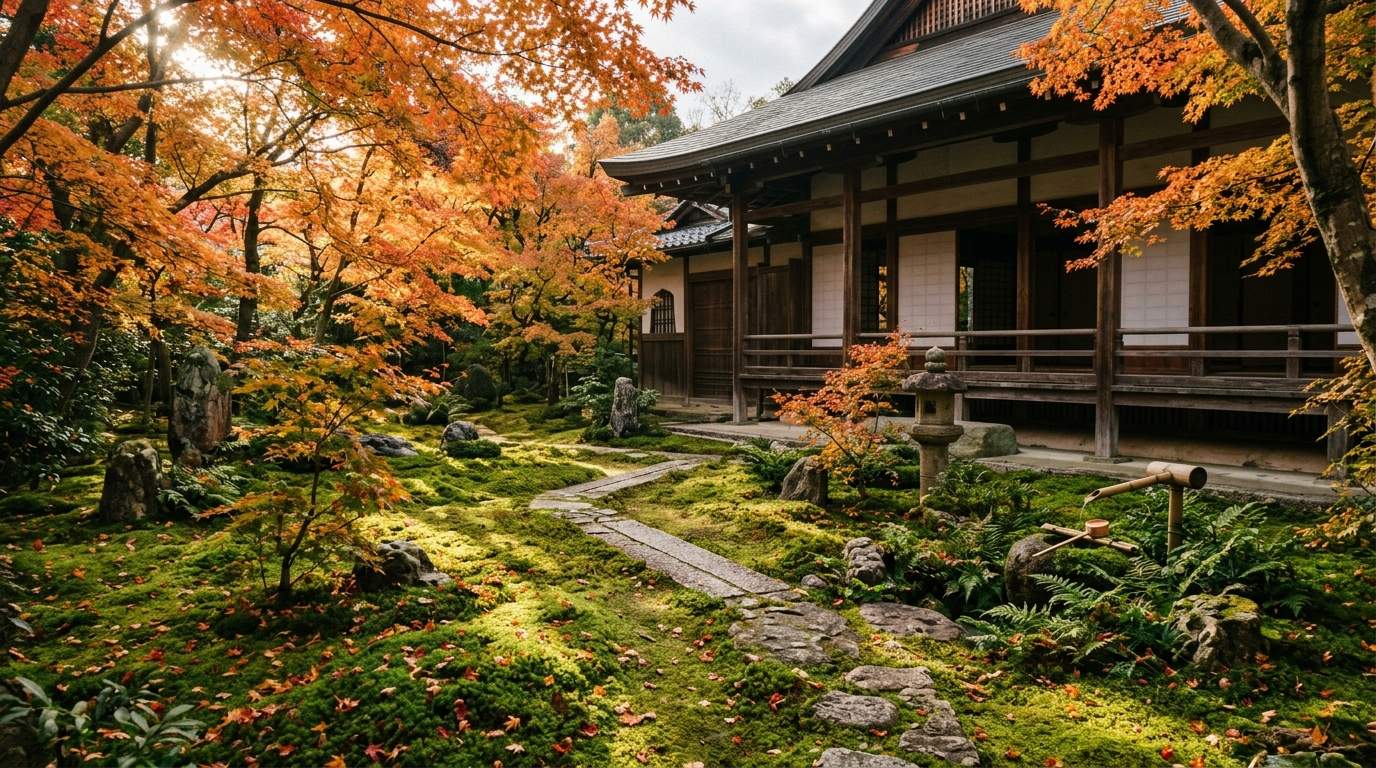
Another quiet escape was Gio-ji Temple, a tiny oasis of emerald velvet known for its enchanting moss garden. Tucked beside the larger, more frequented Daikaku-ji, Gio-ji’s intimate scale and hushed atmosphere are a balm for the soul. The entrance fee was 300 yen, and we practically had the place to ourselves on a crisp late-autumn afternoon. The changing leaves provided a dramatic backdrop to the vibrant green moss, making the entire experience feel like stepping into a living, breathing haiku.
One of the quickest ways to halve your food budget in Japan is to embrace the local supermarket. After 7 PM, many larger supermarkets like FRESCO or Izumiya slash prices on their pre-made bentos, sushi, and side dishes. Our dinner of premium sashimi, perfectly crisp chicken katsu, and fresh salads, bought after 7 PM from the supermarket near our guesthouse, cost us less than one mediocre bowl of ramen near Gion – a total of about 800 yen per person. Forget the ¥2,500 "tourist special" set menus; these supermarket deals are high-quality, delicious, and a true local secret. Don't knock it till you've tried their surprisingly gourmet onigiri and Family Mart's perpetually perfect karaage.
For a sit-down meal that won’t break the bank, ditch the flashy tourist restaurants and look for small, unassuming izakayas or udon/soba shops down side streets. They often have plastic food displays outside (your best friend for ordering when you don't speak Japanese!) and are usually packed with locals. One evening, venturing a few blocks off Kawaramachi, we found a tiny udon shop. A wizened obaasan, giggling at my attempts to pronounce "gyoza," brought us piping hot bowls of udon so good, I almost cried. Total bill for two hearty bowls and a plate of gyoza? ¥1,800 – easily half of what we’d pay at a Western-style "sushi bar" on the main drag. The trick is to look for places where no one speaks English and the menu is purely Japanese – that’s usually a sign of authenticity and fair pricing.
Everyone wants that iconic shot of Fushimi Inari's torii gates. Most people show up mid-morning, only to find themselves herded like, well, sheep. Leo and I, fueled by convenience store coffee, dragged ourselves out of bed to arrive by 6 AM. The difference was night and day. The vibrant orange gates, usually a blur of human traffic, stood in majestic, solitary rows. The only sounds were our footsteps, the chirping of early birds, and the occasional rustle of unseen creatures. We hiked for two hours, reaching the upper shrines with hardly anyone else in sight. The misty morning light filtering through the trees created a mystical atmosphere that no midday crowd could ever replicate. It’s free to enter, so all it cost us was an early start and the profound satisfaction of beating the system.
Similarly, Arashiyama's famous bamboo grove becomes an entirely different beast as the day wanes. While mornings are often overrun, visiting late afternoon, as shops begin to close and the main crowds thin out, offers a far more contemplative experience. We arrived around 5 PM in late October. The stalks whispered secrets, bathed in the soft, fading light, a stark contrast to the human cacophony we'd witnessed earlier in the day when the Rickshaw drivers were shouting directions. The gentle breeze rustling through the towering bamboo felt like a private serenade. The area is always open and free to enter, so timing is truly everything here.
Kyoto's bus system is extensive, but a single ride costs ¥230. If you plan on more than two bus trips in a day, invest in the Kyoto City Bus One-Day Pass for ¥700. Leo, ever the pragmatist, calculated we’d break even on the fourth ride. We ended up taking five buses that day, essentially getting one for free, plus the peace of mind of not counting every single fare. However, our feet were our best guides. We often walked between closely located areas, discovering charming side streets, unexpected shrines, and hidden gardens that the bus routes would never show us. Wear those comfortable walking shoes!
When to visit? Late autumn (late October to early November) offers crisp air and beautiful foliage, but it can still be busy. If you crave the famous fiery maples, target late November, but prepare to share the view with half of Asia. Go a week or two earlier, and you'll find plenty of color with slightly more elbow room, along with pleasant, mild temperatures perfect for walking. We avoided early spring's cherry blossom chaos entirely, opting for the less crowded but equally lush greenery of early summer during a previous trip.
Instead of hitting the souvenir shops hawking generic trinkets, we sought out places where local artistry thrives. Off Sanjo-dori, we found a family-run pottery studio, a tiny space where generations had crafted exquisite Kyo-yaki ceramics. There was no aggressive sales pitch; just the quiet hum of a potter's wheel and the earthy scent of clay. We picked up two beautifully simple ceramic cups for ¥1,500 each, a fraction of what "souvenir" shops charged for mass-produced items, and with a far richer story. The artisan, a kind man with hands stained with clay, even wrapped them carefully for us, bowing deeply as we left.
Another unexpected delight was Kamishichiken, Kyoto’s oldest geisha district, often overshadowed by the more famous (and tourist-saturated) Gion. It’s much quieter, with narrow streets lined with traditional wooden teahouses. We didn’t see any geiko or maiko, but the serene atmosphere, devoid of aggressive photographers and souvenir stands, felt genuinely authentic. We simply wandered, soaking in the old-world charm, imagining the hushed footsteps of centuries past. It was free, just a pleasant walk and an invaluable glimpse into a quieter side of Kyoto.
So, next time Kyoto calls, don't just follow the herd. Veer left when everyone else goes right. Ask a local where they eat. And remember, the real magic of Japan isn't always stamped on a glossy brochure – it's found in the quiet corners, the unexpected smiles, and the delightful realization that you've just experienced something truly unique, without breaking the bank.