Forget Kyoto's Temples! Where Savvy Travelers Actually Go (Save Your Sanity AND Yen)
- Quick Tags: Kyoto budget travel, Kyoto hidden gems, Japan tourist traps, Authentic Kyoto experience
- Editor: Alex Reynolds
- Updated: Sep,15,2026
- Views: 455.6k









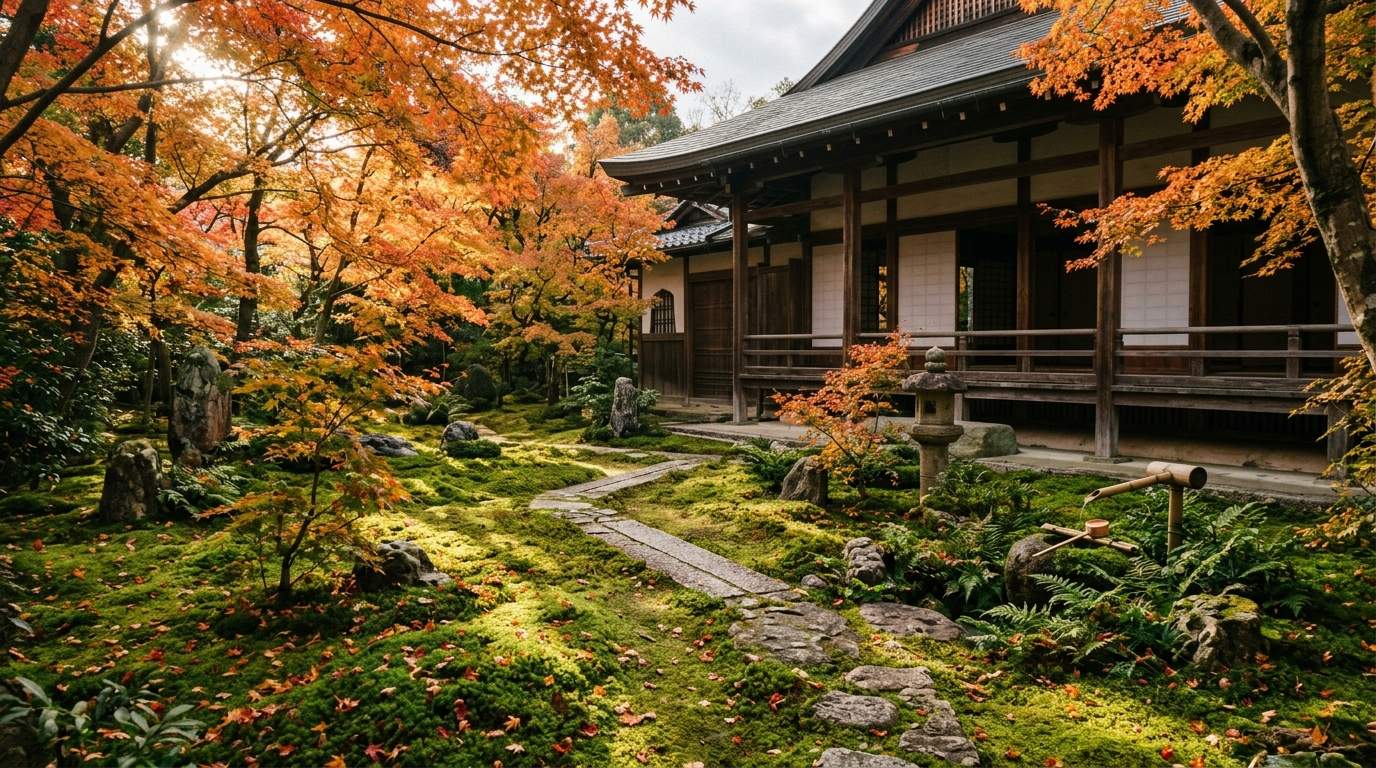
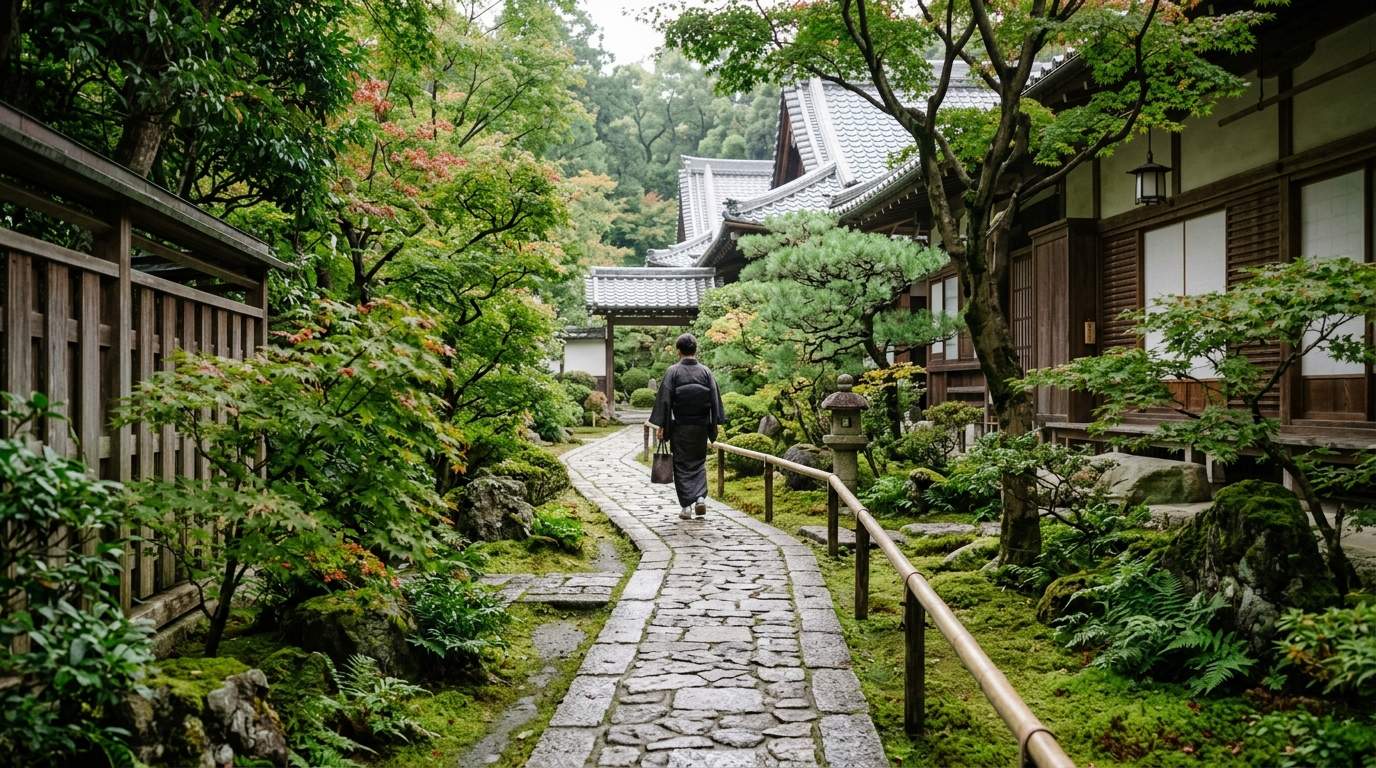
The faint scent of damp moss and old wood clung to the air, a cool whisper against my skin as I stepped through the worn wooden gates. Sunlight, fractured by ancient cedars, dappled the moss-covered stones of a path leading to a small, almost forgotten shrine. No tour buses, no selfie sticks, just the quiet rustle of leaves and the distant, rhythmic clang of a temple bell. This wasn't the Kyoto most visitors queue for, and thank goodness for that.
Let's be real, you've seen the Instagram shots. Thousands of vermillion gates at Fushimi Inari. Arashiyama Bamboo Grove packed tighter than a Tokyo subway car at rush hour. My last trip with my partner, Alex, and our friends, Mia and Ben, started with the usual pilgrimage. Mia, ever the optimist, declared, "It'll be different for us! We're early birds!" Bless her heart. By 8:30 AM at Fushimi Inari, the lower paths were a sea of elbows and camera flashes. We pushed our way up, past the "Insta-perfect" spots, and it wasn't until we were almost at the summit, drenched in sweat, that we finally found pockets of relative calm. Alex, wiping his brow, muttered, "We just paid the 'tourist tax' in physical exertion, didn't we?" He wasn't wrong. The iconic shots? Sure, you can get them. But is battling a thousand strangers for a moment of manufactured peace really why you crossed an ocean?
For the real magic, you need to shed the guidebooks that prioritize popular opinion. Instead of the main drag of Higashiyama, we spent an entire afternoon exploring Otagi Nenbutsu-ji. Imagine a hillside temple guarded by 1,200 unique rakan statues, each with its own mischievous grin, thoughtful expression, or utterly bizarre pose. They're carvings made by amateurs, restored by volunteers over decades, and they radiate a quirky, almost playful energy you won't find at the grander, more solemn temples. My friend Ben, usually glued to his phone, spent an hour just wandering, chuckling at the statues, pointing out a rakan holding a camera or another in a wrestling pose. There was a quiet old man sweeping leaves, who, after a friendly nod, told us in broken English that the temple was a "place of joy, not just prayer." It felt like walking through a secret garden where spirits had a sense of humor, and the only cost was the ¥300 entrance fee, which felt more like a donation to a labor of love than a ticket.
Now, let's talk brass tacks: your wallet. You think that ¥1800 matcha parfait near Kiyomizu-dera is an authentic experience? It's an authentic tourist trap. We learned this the hard way on our first day. Mia, seeing the elaborate displays, couldn't resist. While she waited 40 minutes for her perfectly styled dessert, Alex and I ducked into a small, unassuming café just around the corner, where an elderly woman served us bowls of truly exquisite ceremonial matcha for ¥450 each, with a tiny, sweet dorayaki on the side. "This," Alex declared, "is the taste of winning." Dinner? A sushi restaurant in Gion might set you back ¥7000-¥10000 per person. We found a tiny izakaya a few subway stops away, packed with salarymen, where we gorged on grilled skewers, tempura, and sake for ¥2500 each, and struck up a lively, if grammatically questionable, conversation with the chef. The difference wasn't just in price; it was in the vibrancy, the genuine local buzz.
Another gem we unearthed was the Sagano Scenic Railway combined with a gentle river boat ride down the Hozugawa River. Instead of battling the crowds at Arashiyama Bamboo Grove (which we did visit at 6:30 AM, mostly to ourselves, by the way), we took the delightful, old-fashioned train through stunning gorges. The real highlight, though, was the river journey. Three boatmen, using long poles, navigate traditional wooden boats downstream. It’s not just a ride; it’s a performance, with their banter, stories of the river, and skill. Mia, who usually gets seasick, found herself captivated. The cost was around ¥4400 for both the train and boat, a steal for an experience that blends nature, history, and a touch of adventure. Compare that to a generic "cultural show" in a tourist district which often feels rushed and inauthentic. Here, we were part of the scenery, not just observing it from a distance.
Timing is everything in Kyoto. Everyone flocks during cherry blossom season (April) and autumn leaves (November). And for good reason – they're breathtaking. But the crowds? The inflated prices for flights and accommodation? Not so much. Consider early spring (March) or late autumn (early December). We visited in late October, just before peak foliage, and while there were crowds, they weren't the crushing sort. We also became masters of the "reverse commute." Want to see Fushimi Inari? Be there at dawn. Kiyomizu-dera? Go just before closing, as the sun dips. For a truly unique experience, consider visiting a local market like Nishiki Ichiba after the morning rush, but before lunch. The crowds thin, and vendors are more relaxed, ready to offer samples and chat. We stumbled upon a tiny stall selling freshly made yatsuhashi (a Kyoto specialty) and spent a delightful 15 minutes sampling different flavors, all thanks to a friendly vendor and a less hectic atmosphere.
So, what's the playbook for a Kyoto trip that won't leave you feeling like you've been processed through a human factory farm? Ditch the "must-see" lists that scream "tourist trap." Embrace the joy of getting slightly lost down an alleyway. Eat where the menu isn't in five languages. Prioritize the quiet, authentic experience over the picture-perfect but hollow Instagram moment. Your sanity and your wallet will thank you.
Kyoto, beyond its well-trodden paths, offers a rich tapestry of genuine experiences and incredible value for those willing to look a little deeper and walk a little further.