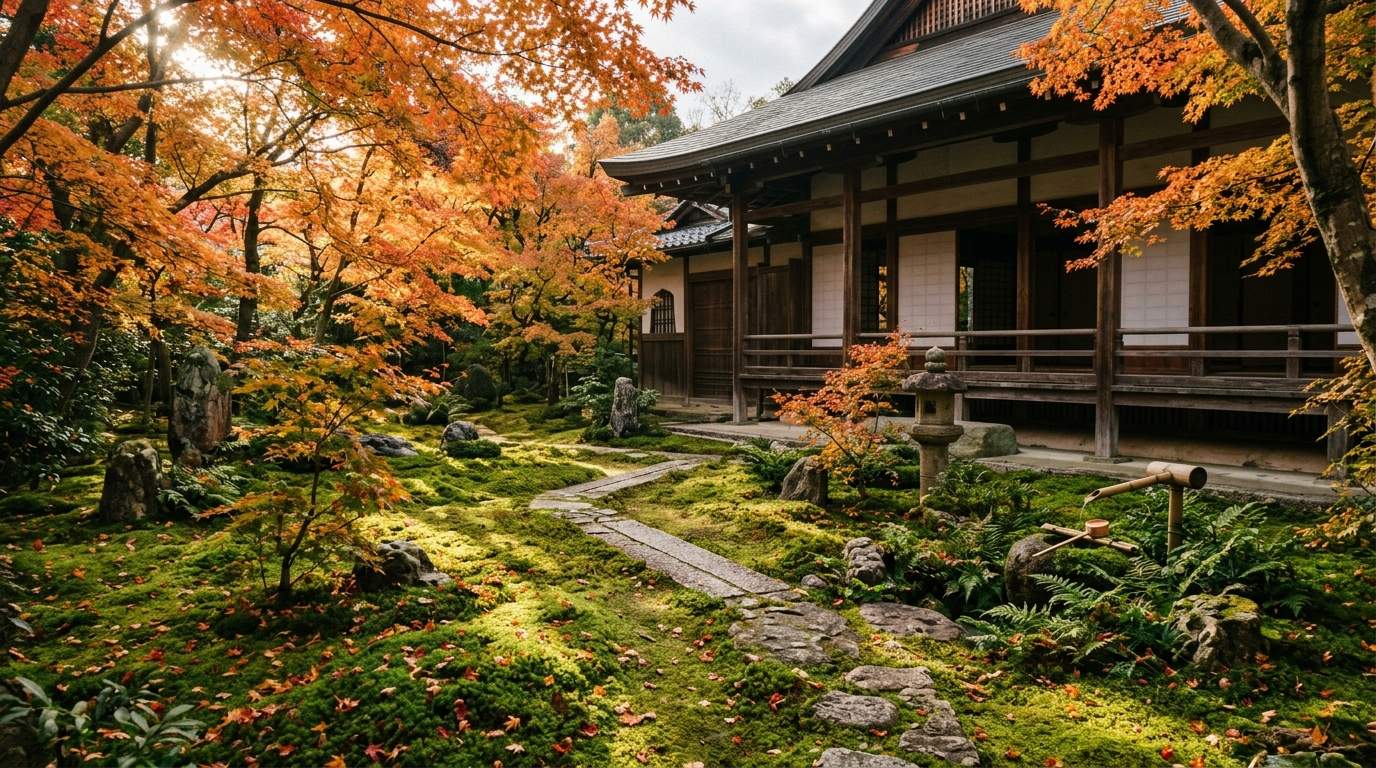
The scent of aged teak and jasmine incense swirled around me, a cool breeze whispering through the open-air temple hall. Sunlight dappled the ancient carvings, illuminating dust motes dancing in the silent air. It was barely 7 AM, and I was utterly alone, save for a lone monk sweeping fallen leaves in the distance. This wasn't the crowded, selfie-stick-infested Doi Suthep everyone raves about. This was Wat Palad, a truly hidden gem just outside Chiang Mai's city center, and it was the moment I realized most travelers were doing Chiang Mai all wrong.
Ditch the Crowds, Find Your Calm: Unveiling Chiang Mai's Authentic Gems
Wat Palad: The Secret Sanctuary Between the City and the Sky
My first trip to Chiang Mai with friends felt like a constant battle against the tide of tourists. Every "must-see" spot was just a glorified queue. "There has to be more," I grumbled, flipping through a tattered local guide I'd picked up. That's when I found a tiny, blurry photo of Wat Palad. "Let's ditch the main temple for this," I suggested, and my friends, equally exasperated, agreed. We hopped into a red songthaew – not a tuk-tuk, because we’re not made of money – and for 80 baht each, our driver took us to the base of the winding road. We then walked a tranquil path for about 20 minutes, passing moss-covered stupas and trickling streams. The contrast to the bustling city was instant and profound. The temple itself felt ancient and meditative, a truly free and soul-stirring experience that cost us nothing but the ride and a little legwork. If you want peace, not push-and-shove, this is your morning pilgrimage.
Baan Kang Wat: A Creative Escape Beyond Souvenir Stalls
On a solo venture a year later, armed with a rented scooter (just 200 baht for the day – remember your international driver's permit, folks!), I aimed for something off the beaten path entirely. Baan Kang Wat, an artist's village, was a revelation. Tucked away from the main tourist drag, it's a collection of beautiful wooden houses housing artisan studios, independent cafes, and small boutiques. I spent an entire afternoon chatting with a potter about her craft, sipping on a ridiculously good iced matcha (60 baht, not the 150 baht you’d pay in a trendy Nimman cafe) and browsing handmade jewelry. It felt like stepping into a community, not just another commercial venture. It’s perfect for picking up truly unique, locally made souvenirs that aren't mass-produced elephants.
Master the Market: Local Feasts and Price Hacks
Warorot Market vs. Night Bazaar: Where Your Baht Buys More
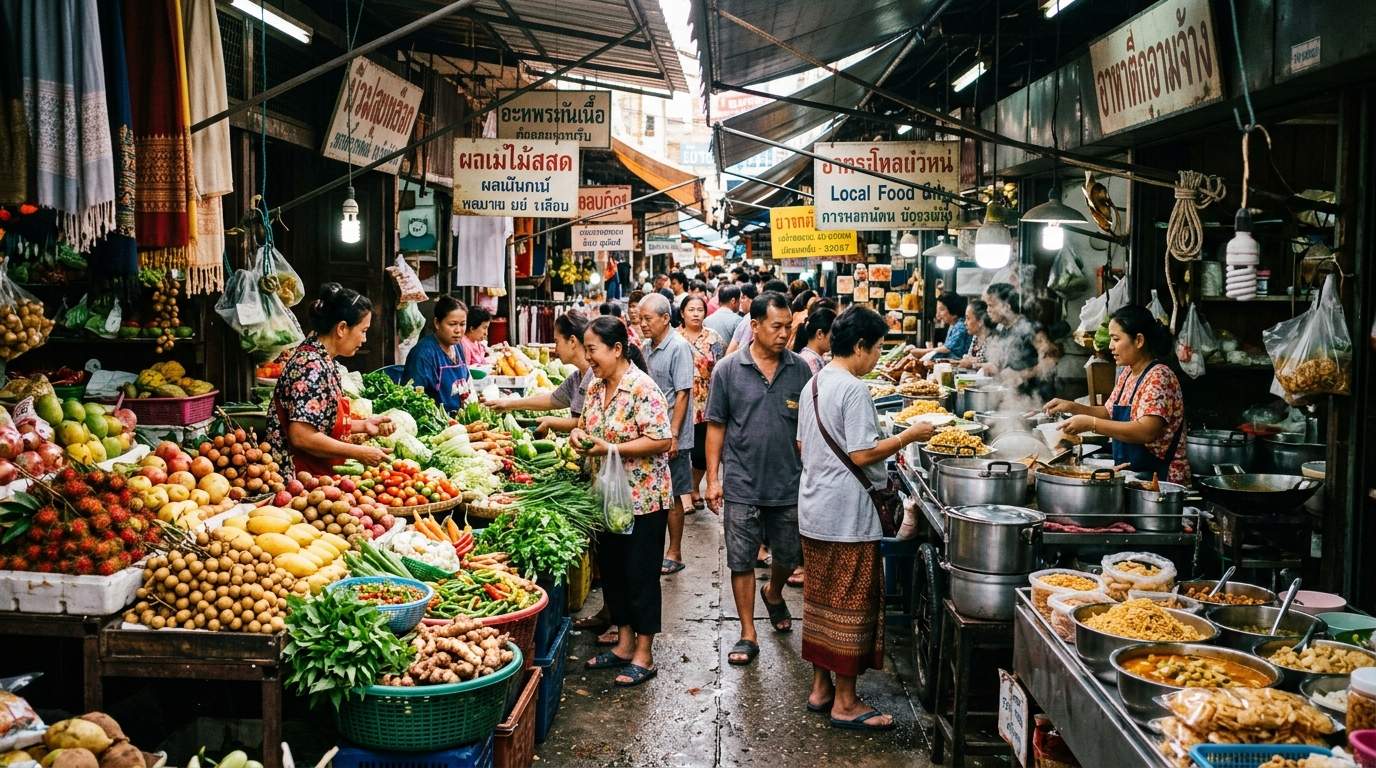
"No, no, not that one, papa!" my youngest niece, Maya, insisted, dragging my partner and me past a brightly lit stall selling "authentic" pad Thai for 120 baht. We were at Warorot Market, Chiang Mai’s oldest public market, a chaotic symphony of sights and smells, and a world away from the sanitized Night Bazaar. Maya, a budding foodie, pointed to a humble stall where a woman was expertly frying up plates of Khao Soi – the rich, creamy, coconut curry noodle dish that is Chiang Mai’s culinary crown jewel. We watched her ladle the fragrant broth, pile on crispy noodles, and add a squeeze of lime. Each bowl cost a mere 40 baht! We ate three bowls between us, marveling at the depth of flavor. Later, we stocked up on local dried fruits and spices, haggling playfully. The same bag of dried mangoes at the Night Bazaar would set you back 200 baht; here, I paid 80 after a quick negotiation. Forget the "tourist menu" prices; Warorot is where local families eat, and so should you.
Street Food Savvy: Eat Like a Local, Pay Like a Local
The trick to truly cheap and delicious food in Chiang Mai? Follow the locals. If a stall is swarming with Thai people, you're onto a winner. My friends and I made it a game to find the busiest stalls. One evening, we discovered a place near our guesthouse that served incredible Sai Oua (Northern Thai sausage) for 10 baht a piece, alongside sticky rice for 5 baht. We’d pile our plates high for less than 100 baht per person, sharing stories and laughter. Compare that to the 300-400 baht per head you'd easily drop in a sit-down tourist restaurant for often inferior fare. Remember: bottled water is cheap (10 baht), and iced coffee from a street vendor is usually 30-40 baht. Your taste buds and your wallet will thank you.
Navigate Like a Native: Transport Truths and Scooter Freedom
Grab vs. Songthaew vs. Tuk-tuk: Your Ride, Your Rupee
On a scorching afternoon, trying to get to the Sticky Waterfall with my friends, a tuk-tuk driver quoted us 800 baht for the round trip. "Are you serious?" my friend blurted out. "That's more than our lunch for three!" Instead, we flagged down an empty red songthaew. After a bit of back-and-forth, we negotiated 400 baht for the round trip. Lesson learned: always negotiate with songthaews, and never accept the first price from a tuk-tuk. For shorter distances within the city, Grab (Southeast Asia's Uber equivalent) is fantastic, offering transparent pricing. Expect to pay around 50-100 baht for most rides within the Old City. For real freedom, a scooter rental is unbeatable for exploring beyond the city limits, but only if you're an experienced rider and have the correct license. Don't cheap out on helmets!
Sticky Waterfall (Bua Tong): Climb Beyond the Usual
The Bua Tong "Sticky" Waterfall, about an hour's drive north of Chiang Mai, is an absolute marvel and completely free to enter. The rocks are genuinely non-slip, thanks to a unique mineral deposit, allowing you to climb up the waterfall with surprising ease. My friends and I spent hours scrambling, laughing, and cooling off in the natural pools. It's a fantastic day trip for families or adventurous groups, offering a completely different kind of natural beauty than the heavily promoted elephant sanctuaries (many of which, frankly, are tourist traps with questionable ethics). Pack snacks and water; facilities are minimal, which is part of its charm.
Shoulder Season Sweet Spot: Best Time to Roam Chiang Mai
Forget the peak winter months when Chiang Mai is swamped. I consistently find October and November to be the sweet spot. The rainy season has just ended, leaving the landscape lush and vibrant. The air is still warm, but the oppressive humidity has lifted, making it perfect for outdoor explorations like trekking to Wat Palad or climbing the Sticky Waterfall. Critically, the massive crowds haven't arrived yet, meaning less queuing, easier navigation, and slightly better prices on accommodation. Plus, the rivers are full, making any boat trip or water-related activity much more enjoyable.
My Ultimate Chiang Mai Pitfall Playbook (And How I Saved Big)
Listen up, because I've seen enough wide-eyed tourists get fleeced to fill a small temple. The single biggest mistake is assuming prices are fixed. They are not. If you're buying souvenirs, taking a taxi, or even just looking at an activity, always negotiate, especially outside of established stores. For tours, skip the expensive hotel-arranged packages. Walk into any local tour agent's office, and you'll find similar, if not identical, tours for significantly less. For instance, a half-day cooking class that my family paid 800 baht for through a local vendor was being advertised at our guesthouse for 1200 baht. Always inquire about "local price" versus "tourist price" for things like entry to some lesser-known parks or specific services, though be polite about it. When booking accommodation, opt for guesthouses or smaller boutique hotels in areas like the Old City or just outside, rather than branded resorts. You'll get more charm and save a bundle. My partner and I once scored a beautiful guesthouse room with breakfast for 600 baht a night, which included laundry service, a steal compared to the 2000 baht we saw for a standard hotel room.
Chiang Mai isn't just about crowded temples and elephant selfies; it's a city with an honest soul and incredible value if you're willing to peel back the tourist veneer and embrace the local way. Go forth, explore, and leave those tourist traps in your dust – your wallet and your memories will thank you.