Heartbreak Over Pricy Pho? Hanoi's Real Gems Cost Pennies, Not Pounds.
- Quick Tags: Hanoi travel guide, Vietnam budget, local food Hanoi, avoid tourist traps
- Editor: Alex Reynolds
- Updated: Oct,16,2026
- Views: 332.3k


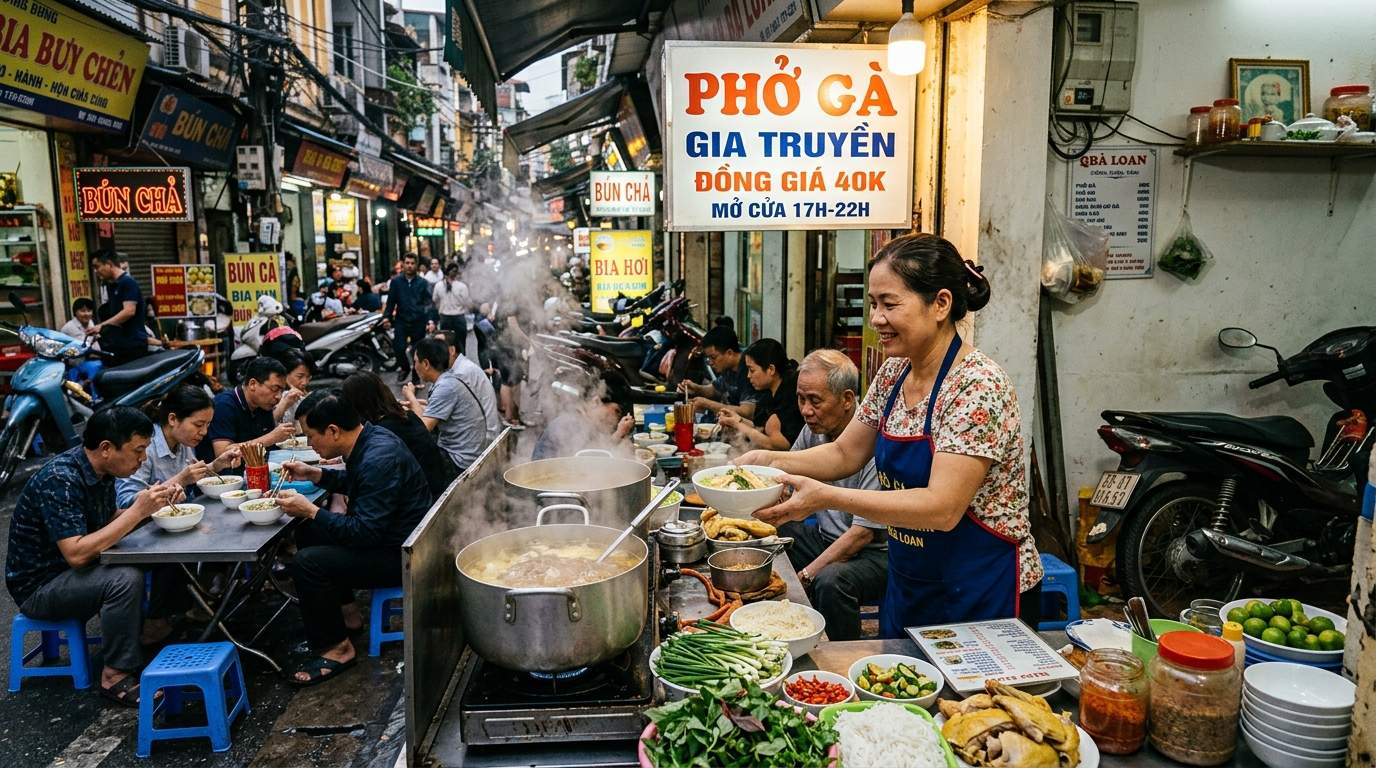
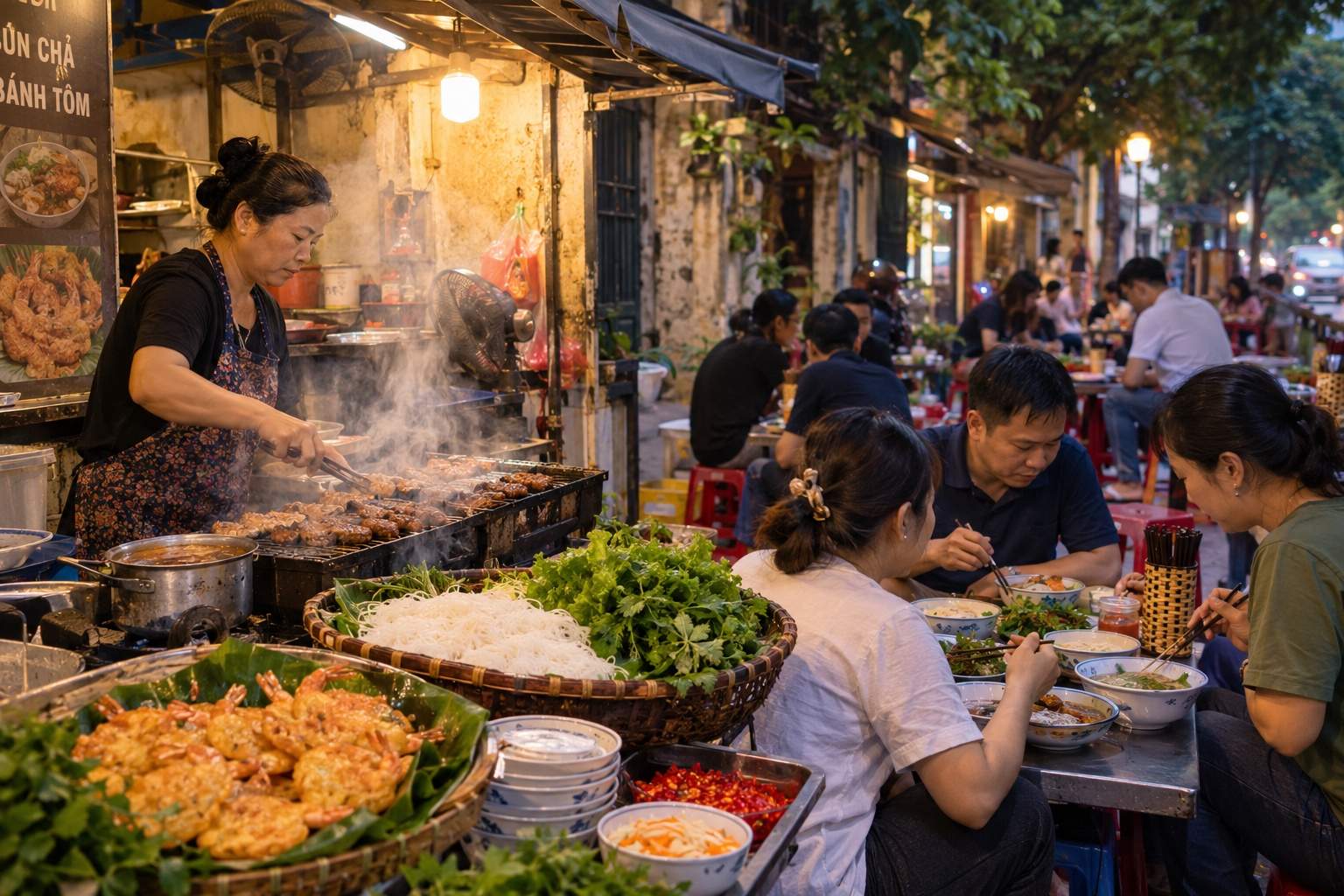
The humid Hanoi air still clings to my memory, not from the relentless motorbike symphony of the Old Quarter, but from a quiet, sun-dappled alleyway off an unassuming street near West Lake. I was hunched over a steaming bowl of bún chả, the charcoal-grilled pork aromatic, the dipping sauce a perfect balance of sweet, sour, and spicy. My friend, Liam, looked up from his own bowl, eyes wide, "This costs what? And we almost paid triple for that tourist trap pho near Hoan Kiem yesterday? Regret just seeing the lakeshore!"
I get it. You land in Hanoi, the ancient capital beckons, and you immediately head for the Old Quarter. Temples, bustling markets, the iconic Hoan Kiem Lake. It’s charming, it’s chaotic, and it’s also where your wallet goes to die if you’re not careful. My first solo trip here, years ago, taught me this the hard way – paying 100,000 VND for a mediocre pho because it had a "Recommended by [Popular Travel Site]" sticker. Fast forward to my last trip, with Liam and my sister, Chloe. We navigated the initial frenzy, but even with my experience, the temptation of convenience can be a siren song. Chloe almost bought a ridiculously overpriced silk scarf that was probably polyester blend, hawked by a lady who practically glued herself to her side. This is where the local wisdom kicks in: if someone is too eager to pull you into their shop or restaurant, they’re probably not looking out for your best interests, or your budget.
Forget the curated gardens that charge an entrance fee, or the flower vendors aggressively pushing bouquets in the Old Quarter. Head northwest, just a short Grab bike ride (around 20,000-30,000 VND, always check the app price before you get on), and you'll find Ngoc Ha Flower Village. This isn’t a scenic spot designed for tourists; it’s a living, breathing community where generations have cultivated flowers. I wandered through with my partner, Alex, one early morning, the air thick with the scent of chrysanthemums and lilies. Old women in conical hats tended to their plots, their hands moving with practiced ease. We saw no other foreigners, just locals buying their daily blooms. It’s free to walk through, offers incredible photo opportunities, and provides a truly authentic glimpse into a traditional Hanoi livelihood. We spent an hour just observing, watching the sun filter through the greenhouses – an experience far more valuable than any ticketed attraction.
While Hoan Kiem Lake draws the selfie sticks, West Lake offers a more serene, local experience, especially on its less-developed western and northern shores. Don't just stick to the Truc Bach side. Liam, Chloe, and I rented bicycles for a mere 50,000 VND each for the whole afternoon (from a small shop tucked away from the main road, not the flashy rentals). We cycled past opulent villas, quiet temples, and most importantly, countless local eateries. We stopped at a nondescript street stall for bánh tôm (shrimp fritters) – crispy, succulent, and served with fresh herbs and a tangy dipping sauce. The vendor, a cheerful woman named Lan, chatted with us while frying, explaining her family recipe. Three generous plates and iced tea cost us a total of 90,000 VND. Compare that to the 150,000 VND per person you might pay for similar fare in a tourist-centric restaurant. It’s not just about the money; it’s about the connection, the genuine taste of Hanoi that thrives beyond the tour bus routes.
Seriously, if you haven't downloaded Grab (Southeast Asia's Uber equivalent) before you land in Hanoi, you're doing it wrong. This app isn't just for rides; it's your currency converter, your price checker, and your ultimate pit-avoidance tool. Need a motorbike taxi? Use Grab Bike. Car? Grab Car. Food delivery? Grab Food. My family always used it to estimate fair prices for journeys. When a traditional taxi driver quoted 150,000 VND for a 10-minute ride from our guesthouse to the Temple of Literature, a quick Grab check showed the actual cost was closer to 60,000 VND. Instant leverage! We ended up paying the Grab price. Also, when ordering food via Grab Food, you can see what locals are paying, which gives you a benchmark for street food prices. If a vendor is trying to charge you more than the app's listed price for a similar item nearby, you know it's time to bargain or move on.
Hanoi has an unwritten rule: if you look foreign, you're fair game for a higher price. This isn't necessarily malicious, but it's a reality. The trick is to observe and blend. When I travel with friends, we often split up slightly when approaching a market stall – one of us (the most "local-looking," often Alex) might go ahead to inquire about a price for, say, a fruit smoothie. We've seen prices drop by 20-30% just by this subtle tactic. Another crucial tip: always have small denominations of VND. If you flash a 500,000 VND note for a 30,000 VND purchase, the vendor might 'forget' your change or round up the price. Carrying 10,000, 20,000, and 50,000 VND notes makes transactions smoother and less prone to 'misunderstandings'. Look for places bustling with locals – these are almost always the most authentic and fairly priced.
Everyone flocks to Hanoi in the dry season, leading to crowded spots and often inflated prices. If you're looking for that "reverse travel" vibe, consider the shoulder months: March-April or October-November. The weather is milder, the humidity is lower, and the sheer volume of tourists significantly drops. We visited in late October, enjoying pleasant 25°C days with a gentle breeze. This allowed us to explore the Long Bien Bridge at sunset without battling crowds for a photo op, watching the trains rumble across and the fishermen cast their nets below. It’s an architectural marvel and a piece of history, offering fantastic views of the Red River – completely free and rarely overrun outside peak hours. This time of year is also perfect for exploring the many small pagodas tucked into residential areas, like Chùa Kim Liên near West Lake, which offers a serene escape and beautiful traditional architecture without a single ticket booth.
Hanoi is a city of incredible contrasts and deep cultural richness. Go beyond the glossy brochures and eager touts; find your own rhythm, follow the locals, and you’ll discover a city that offers not just memories, but genuine connection, without breaking the bank.