Crazy! Dodged Hoi An's Tourist Tax, Ate Like Kings for Pennies.
- Quick Tags: Hoi An budget travel, Vietnam hidden gems, Central Vietnam secrets, Reverse travel guide
- Editor: Alex Reynolds
- Updated: Aug,16,2026
- Views: 224.4k


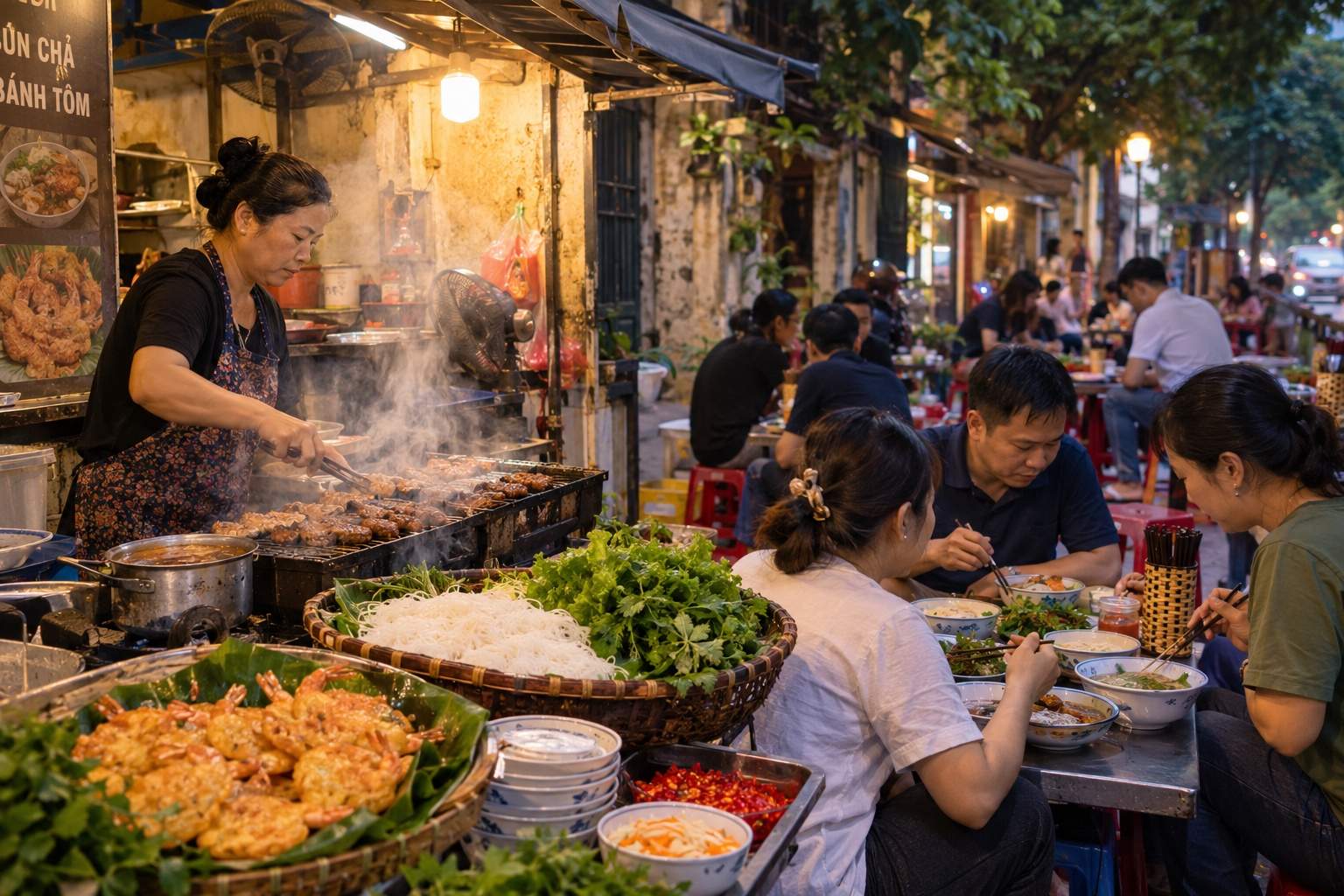
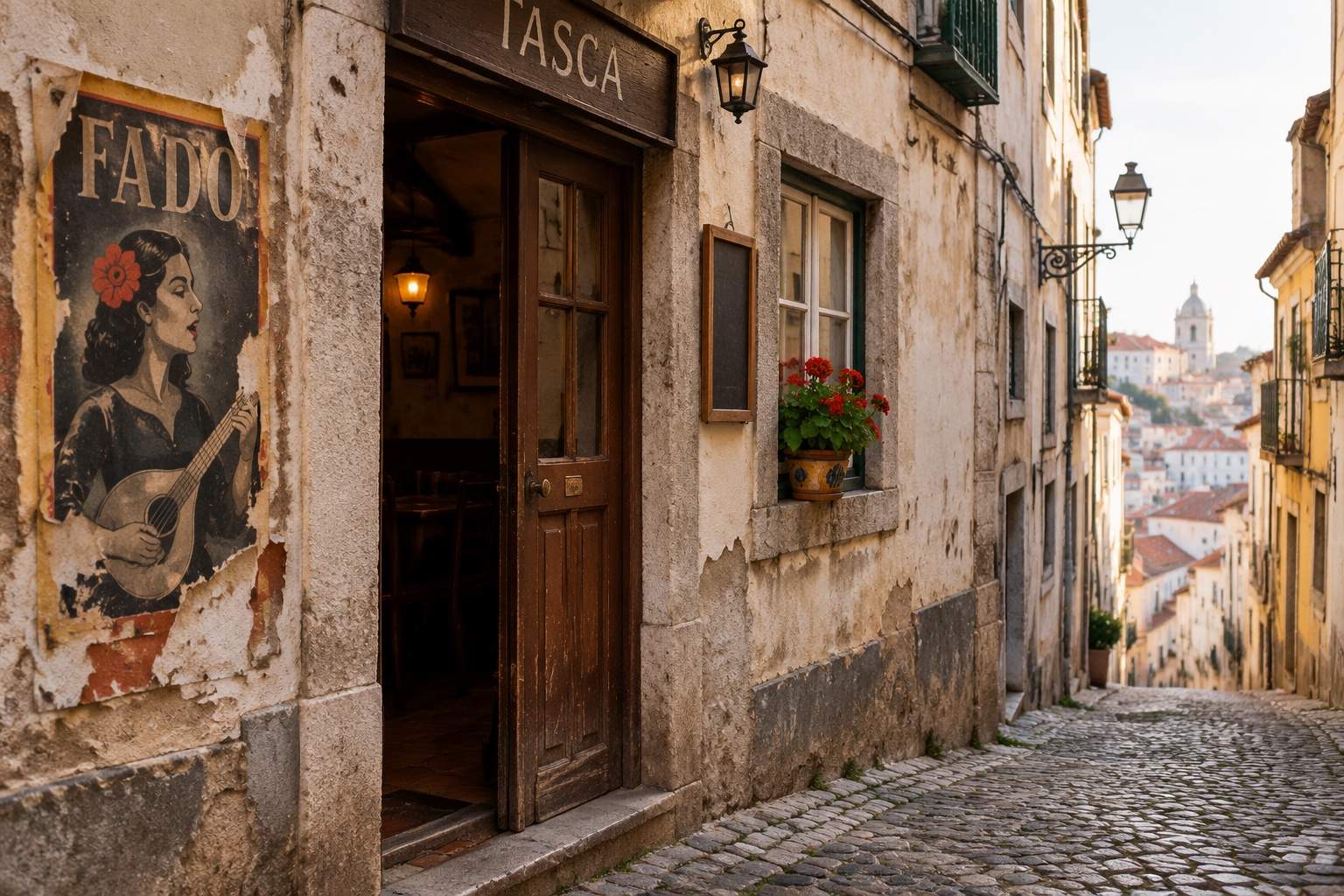
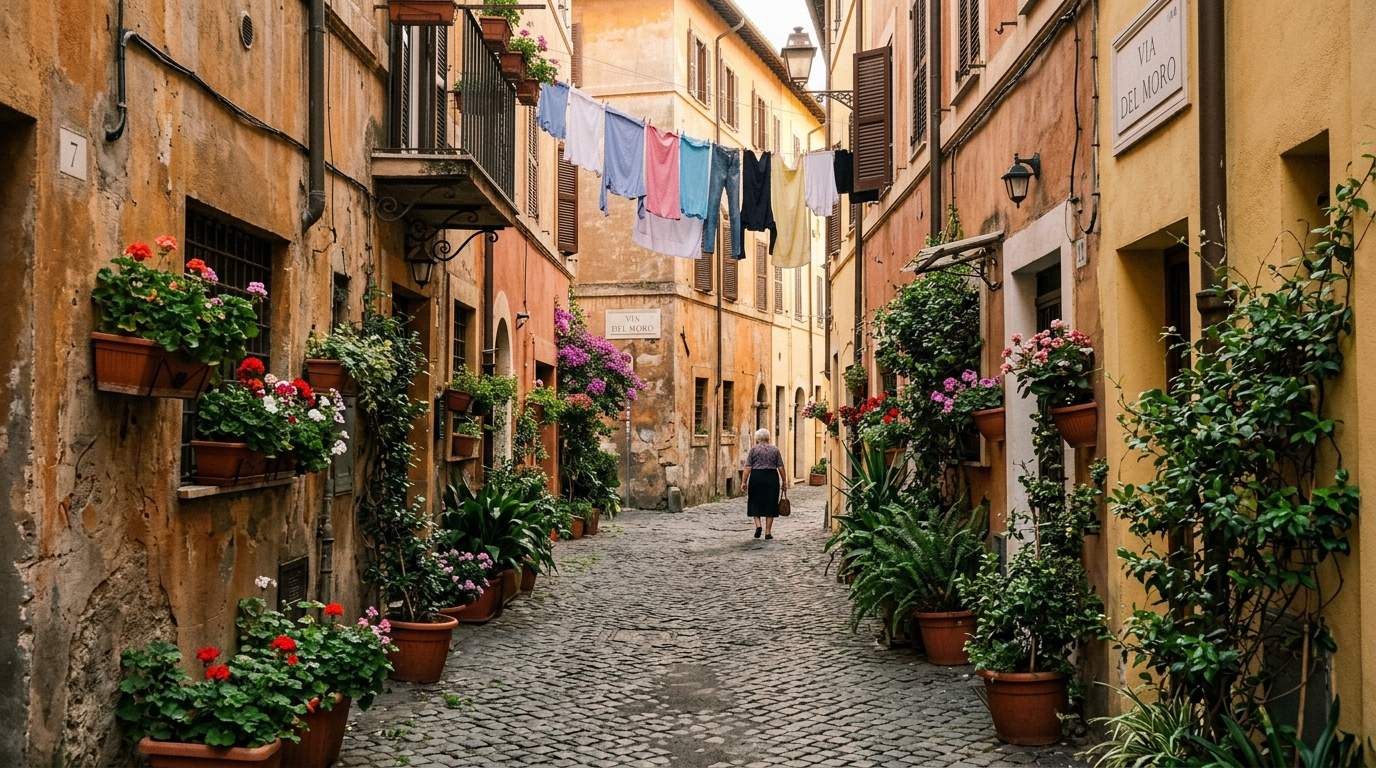
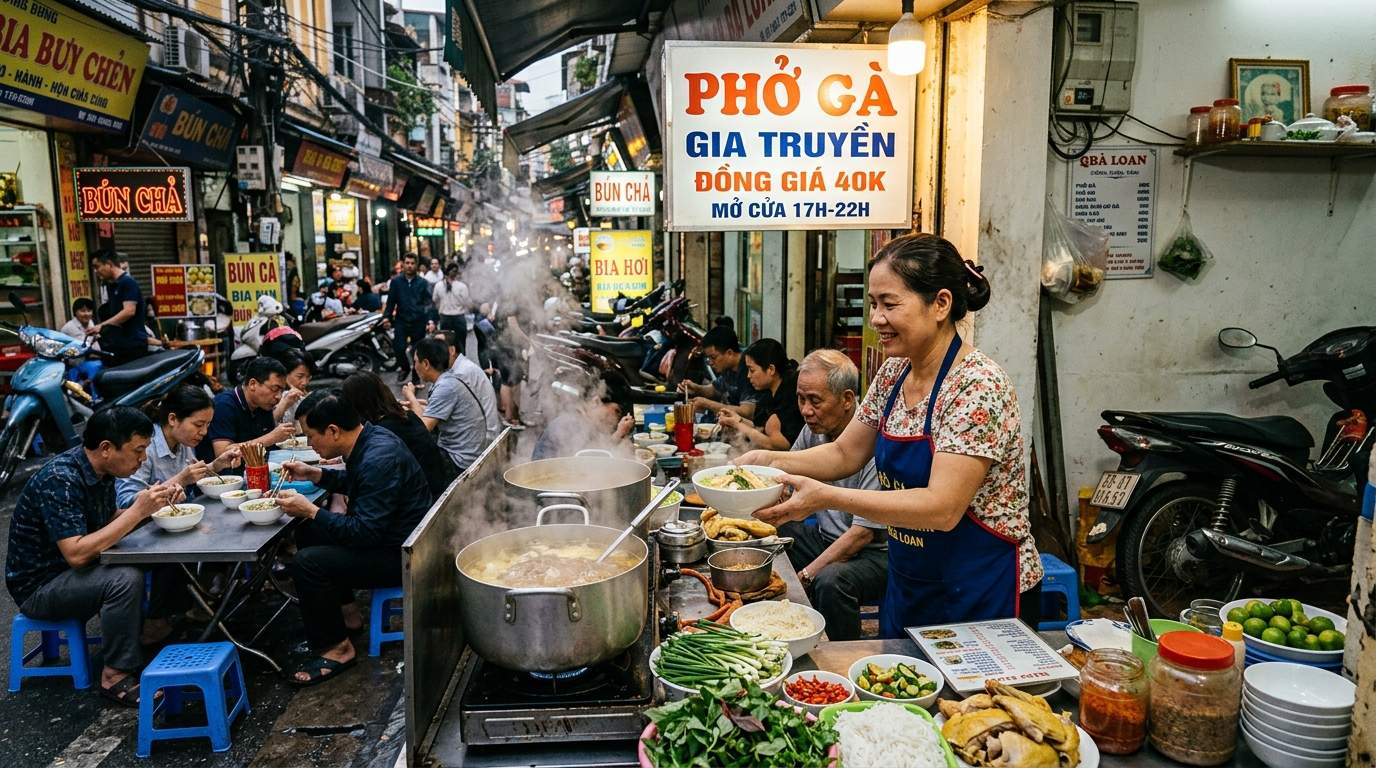
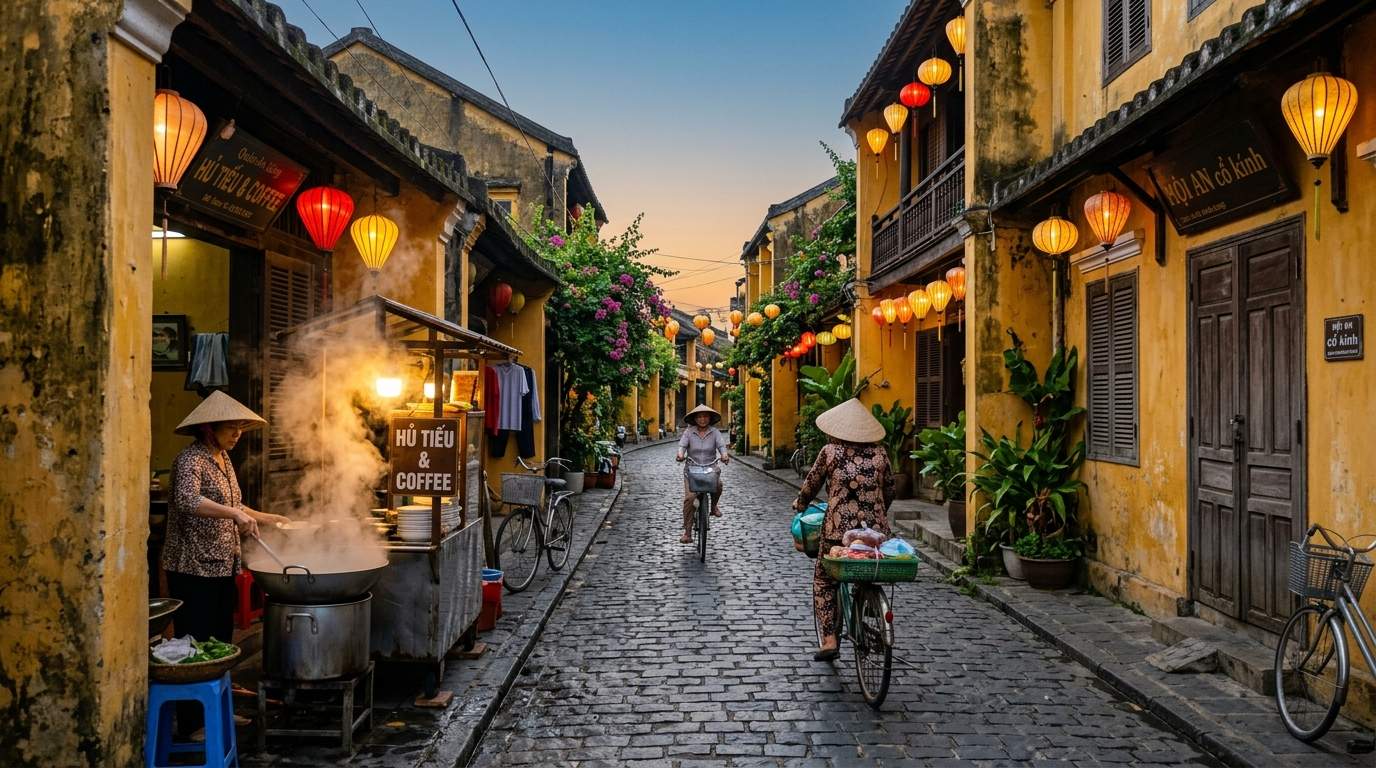
The scent of star anise and grilled pork belly drifted from a side alley, mingling with the distant, hushed chatter of locals. It was 6 AM in Hoi An, a world away from the selfie-stick frenzy that would engulf the ancient town just hours later. My mission was clear: crack the code of this beautiful, yet notoriously tourist-taxed, gem. This isn't about avoiding Hoi An; it's about reclaiming it, seeing past the glossy facades, and truly tasting its soul without emptying your wallet.
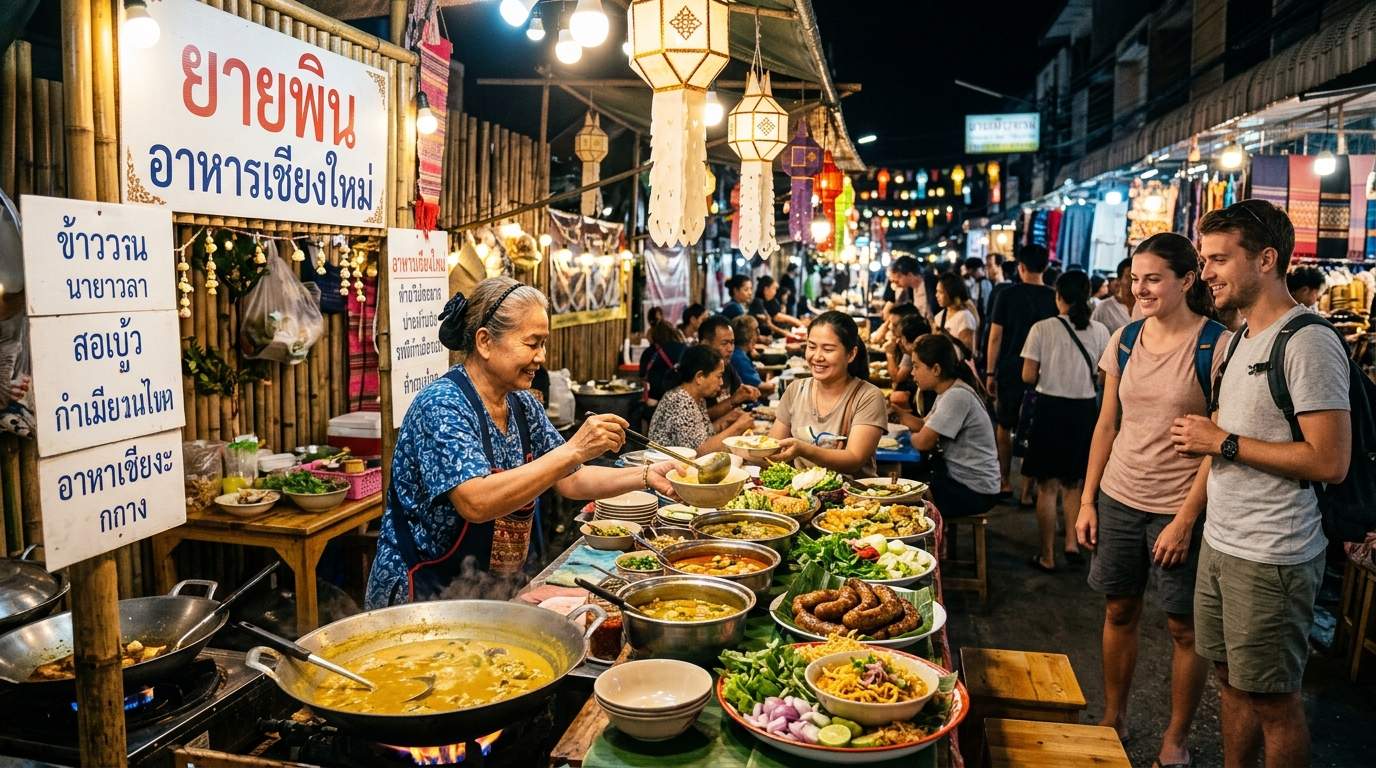
Forget the Instagram-famous cafes on Tran Phu Street where a bowl of Cao Lau will set you back 100,000 VND ($4 USD) and arrive lukewarm with a side of patronizing smiles. My friend, Lien, a Da Nang local, once dragged me by the arm, muttering "Tourist trap!" as we walked past one such establishment. We ended up at a tiny, unlabeled stall behind the Central Market, where a stoic elderly woman served us bowls of Cao Lau so rich and flavorful, I nearly wept. The cost? A scandalous 30,000 VND ($1.20 USD). The secret, Lien explained, wasn't just walking away from the main drag; it was looking for the tiny plastic stools, the minimal English, and the sheer volume of locals slurping away. This isn't just about saving money; it's about tasting the real Hoi An, the kind that whispers stories through generations, not marketing campaigns.
We’ve all seen the pictures: hundreds of lanterns floating down the Thu Bon River. Beautiful, yes. But also, crowded, overpriced, and often a mad scramble for a decent shot. My partner and I, on our last trip, opted for a different kind of "lantern experience." Instead of the tourist boats, we rented a couple of bicycles (for about 20,000 VND each for the entire day, a true steal) and cycled out to Tra Que Vegetable Village just before sunset. The light cast a golden glow over the perfectly manicured plots, farmers tended to their greens, and the only "soundtrack" was the chirping of crickets. We helped a friendly farmer harvest some herbs, and he shared fresh basil with us, urging us to make a salad. It was free, authentic, and offered a glimpse into the rural rhythm that powers Hoi An's culinary scene. Don't pay for an organized tour; grab a map, a bike, and get delightfully lost.
Let's talk money and how it mysteriously multiplies when you're a foreigner. Taxis are notorious for "forgetting" to turn on the meter or claiming it's broken. On a solo trip, I once got into a heated debate with a driver who quoted me triple the standard fare for a short hop. My advice? Download a ride-hailing app like Grab (it's ubiquitous and reliable in Vietnam). A ride from Da Nang airport to Hoi An should cost around 300,000-400,000 VND ($12-16 USD). If you're feeling adventurous and understand basic scooter safety, rent one for about 120,000 VND ($5 USD) a day. Just ensure your helmet fits and drive defensively. Also, at the Hoi An Central Market, sharpen your haggling skills. Vendors often start at double or triple the local price. A playful "Too expensive!" with a smile and a walk-away often brings the price tumbling down.
The UNESCO World Heritage site of My Son Sanctuary, an ancient Cham temple complex, is breathtaking. But visiting at noon in the dry season (February to August) is a special kind of self-inflicted torture, both for your skin and your patience, navigating throngs of tour groups. My family and I drove out there at 6:30 AM one morning. We were among the first few people to enter, greeted by a misty, ethereal quiet as the sun slowly burned off the morning fog, illuminating the ancient brick structures. We heard the rustling of leaves, not the cacophony of camera clicks. By 9 AM, as the first tour buses rolled in, we were already enjoying a leisurely breakfast at a local café on the outskirts of Hoi An. Entrance is about 150,000 VND ($6 USD), but the timing is everything for a truly spiritual experience.
Everyone flocks to the central part of An Bang Beach, with its trendy beach clubs and overpriced cocktails. It’s pretty, sure, but it’s hardly a "hidden gem." Take a walk further north or south along the coastline, past the main cluster of resorts, and you'll stumble upon smaller, more rustic beach shacks run by local families. Here, you can rent a sun lounger for next to nothing (or just order a fresh coconut for 20,000 VND and claim your spot), and the seafood is caught fresh that morning. My friends and I shared a platter of grilled squid, prawns, and fish, with cold beers, for less than what a single cocktail would cost at the fancier spots. The vibe is laid-back, the sand is just as soft, and the conversation flows easily with the local proprietors who are genuinely happy to chat.
Hoi An is stunning, but its true magic hides just beyond the well-trodden paths. Ditch the crowds, save your cash, and embrace the real Vietnamese charm waiting to be discovered.