Regretting Kyoto's Crowds? Unlock Tranquility, Snag Soulful Nooks, Save Serious Yen.
- Quick Tags: Kyoto off-the-beaten-path, Japan budget travel, Niche Kyoto experiences, Avoiding tourist traps
- Editor: Chloe Jones
- Updated: Aug,14,2026
- Views: 339.4k









The mid-afternoon sun, usually a spotlight for jostling crowds, cast long, languid shadows through a bamboo grove so utterly, breathtakingly silent, I could almost hear the moss sigh. No selfie sticks poked the air, no tour guides barked into megaphones, just the gentle rustle of leaves and the distant chirping of cicadas. My friend, typically a whirlwind of activity, stood transfixed beside me, a rare, serene smile gracing his face. This wasn’t the Kyoto plastered all over Instagram, the one choking with tourists at Fushimi Inari or Arashiyama; this was a Kyoto whispered by locals, a secret sanctuary for those audacious enough to look beyond the guidebooks.
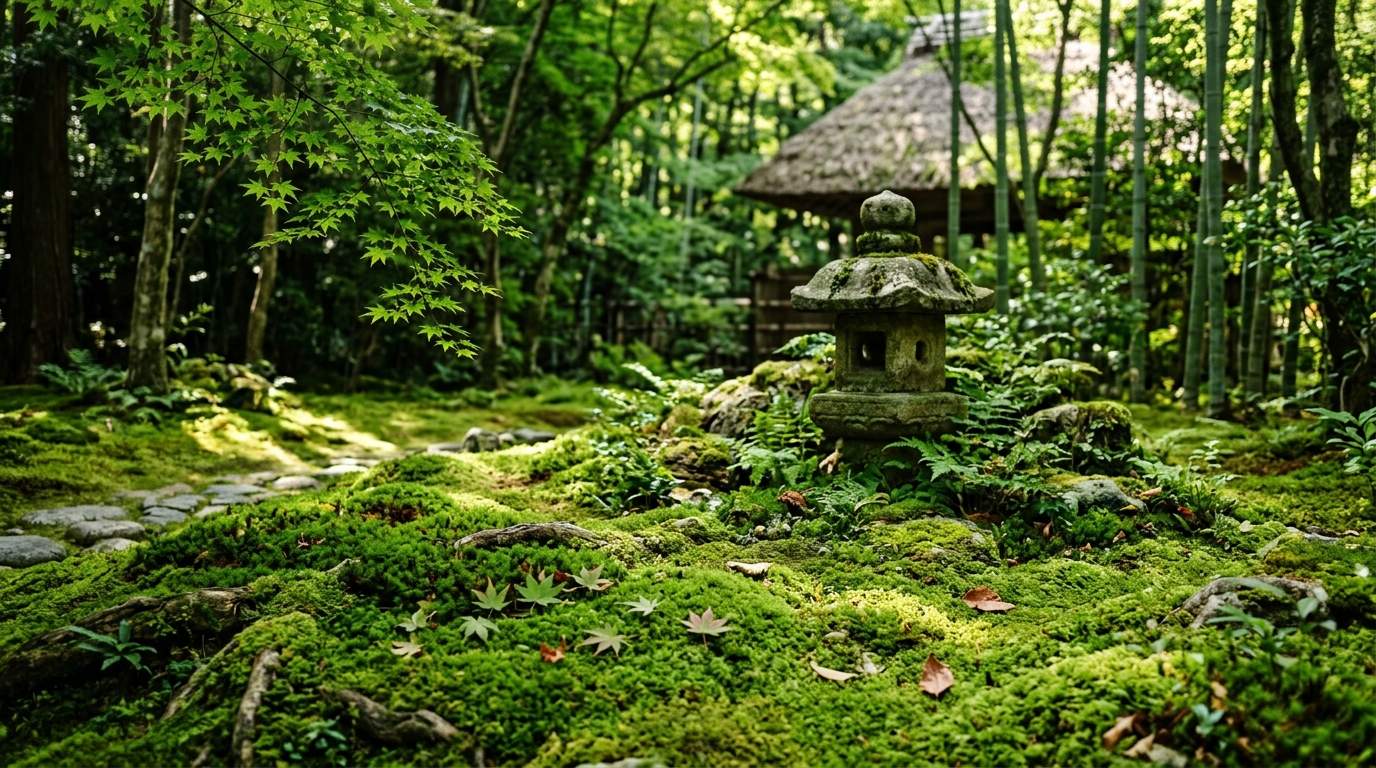
While most were battling the sheer human tide to catch a glimpse of the 'famous' bamboo forest, my partner and I were already enjoying our third cup of green tea in a tiny, unassuming teahouse, preparing for our expedition to Gio-ji Temple. "Are you sure this isn't just a moss patch?" she'd teased earlier, eyeing the map with playful skepticism. Oh, how wrong she was! For a mere 300 yen (less than a fancy coffee, mind you, and a fraction of the price of some other grand temples), we stepped into a fairytale. Gio-ji is a miniature wonderland, famous for its verdant moss garden that blankets every surface, creating a tapestry of emerald and jade. The air, usually thick with humid summer crowds in the city, felt cool and crisp here. We sat on the wooden veranda, legs dangling, watching a single dragonfly flit over the pond. There’s a quiet dignity to Gio-ji, a profound sense of peace that you simply won't find elbow-to-elbow with thousands of others. It’s the kind of place that makes you wonder if those influencers even know what they're missing.
After our mossy meditation, our stomachs started staging a polite rebellion. Instead of diving into a tourist-trap restaurant near a major sight, we hopped on a local bus heading north. Our destination? Imamiya Shrine, a rather ancient but often overlooked spot, and more importantly, the home of Aburi Mochi. This isn't your average supermarket mochi; these are tiny, grilled rice cakes, skewered, and slathered with sweet miso paste. They've been making them the same way for over 1,000 years! There are two competing shops right outside the shrine, a friendly rivalry that tastes delicious. We chose the one with the longer queue (a local tip for authenticity) and paid a paltry 500 yen for a plate of ten. "These are dangerously good," my friend mumbled between bites, "and you can't even get them online." The old ladies grilling the mochi smiled, occasionally exchanging playful jabs with each other. It’s food that connects you to history, to a community, and frankly, puts those overpriced matcha lattes to shame.
If you're after profound serenity without the grand entrance fees and Instagrammers posing awkwardly, bypass the main Tofukuji Temple (though stunning in autumn) and head to its often-forgotten sub-temples. We stumbled upon Komyo-in, a small, unassuming gem known for its dry landscape garden. Unlike the sprawling, meticulously manicured gardens that draw tour buses, Komyo-in felt intimate, personal. We paid a modest fee, maybe 400 yen, and found ourselves completely alone, gazing at the carefully raked gravel and strategically placed stones. The air hummed with a quiet intensity. No tour groups. No chatter. Just the sound of our own breathing, and the occasional soft whisper of wind through the pines. It felt less like a sightseeing stop and more like a private meditation retreat. I still remember the specific light filtering through the shoji screens, illuminating dust motes dancing in the stillness.
Kyoto's often portrayed as this bastion of high culture and ancient traditions, which it is, but it also has a down-to-earth side. After a long day of walking, my feet were begging for mercy. Forget the fancy onsens that cost an arm and a leg; we sought out a local sento (public bathhouse). This isn't just about getting clean; it's a social ritual, a quintessential Japanese experience.
We found one, Nishijin Onsen, tucked away in a quiet residential area. For about 450 yen, we were ushered into separate male and female sections. The initial awkwardness of being naked with strangers quickly faded into the sheer bliss of soaking in hot, mineral-rich water. "This is so much better than a hotel tub," my friend messaged me later (after we’d reunited, of course), "and probably just as good as those 5000 yen private baths." There were no fancy amenities, just pure, unadulterated relaxation and the comforting sounds of local chatter, a truly immersive experience far from any guidebook recommendations.
Kyoto can bleed your wallet dry if you're not careful. But it doesn't have to! Our "reverse travel" strategy wasn't just about avoiding crowds; it was a crusade against inflated tourist prices.
First off, public transport is your best friend. While taxis are convenient, they'll drain your yen faster than a leaking bucket. We invested in a 1-day Kyoto City Bus Pass for 700 yen, which paid for itself after just three rides. We walked miles, too, discovering charming back alleys and hidden shops that cars would never see. The best views are often free, found simply by wandering.
Eating out: forget those flashy restaurants with English menus near major attractions. Dive into the smaller, local eateries a few blocks away. My partner discovered an amazing ramen shop where a hearty bowl cost us about 800 yen – half of what we'd pay in a tourist hot spot. We also became masters of convenience store meals (konbini bentos are seriously underrated for quality and price!) and supermarket sushi, perfect for budget picnics by the Kamo River.
While peak cherry blossom and autumn foliage seasons are undeniably beautiful, they also mean peak crowds and peak prices. We chose to visit in early summer (late May/early June). The weather was pleasantly warm, the gardens were lush, and importantly, the number of tourists had significantly thinned out compared to April or November. This allowed for truly peaceful experiences at places like Gio-ji and Komyo-in. For those who absolutely must see the popular spots, go at sunrise. We witnessed a near-empty Fushimi Inari at 6 AM – a stark contrast to the human avalanche later in the day.
Kyoto doesn't have to be an expensive, overcrowded tick-box exercise. With a little intentional exploration, a dash of local insight, and a healthy dose of anti-tourist zeal, you can uncover a city that is not just beautiful, but truly, soul-stirringly serene and refreshingly affordable.