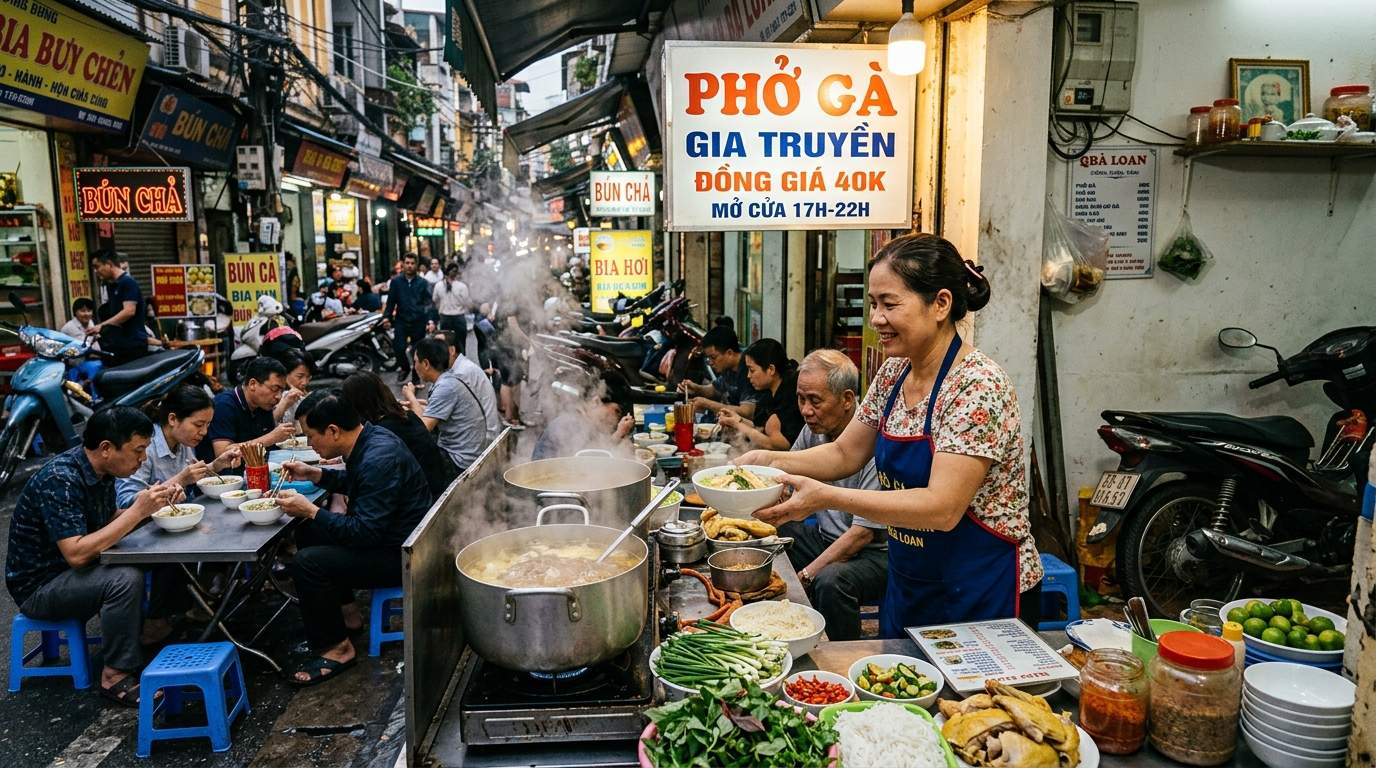
The Hanoi humidity was already clinging to us like a second skin, a familiar embrace after years of chasing adventures in Southeast Asia. My partner and I had just navigated a whirlwind of motorbikes across a dizzying intersection, a daily ritual that still gives me a thrill, and found ourselves in a quiet, almost forgotten corner of the Old Quarter. Here, tucked between a perpetually dripping air conditioner and a makeshift shrine, an elderly woman was meticulously pouring hot broth over fresh noodles. No crowds, no selfie sticks, just the clatter of chopsticks and the murmur of local chatter. This, I thought, this is why we travel – not for the flashy postcards, but for these unscripted, utterly authentic moments that whisper the city's true soul. If you're tired of paying double for watered-down experiences and want the real deal, lean in, because I'm about to spill some truths about Hanoi that might just save your wallet and your sanity.
Hanoi's Infamous 'Train Street': Is It Worth the Insta-Hype?
Forget what the influencers tell you. Hanoi’s Train Street, that narrow alley where the locomotive supposedly brushes past cafés, is the ultimate tourist trap, and frankly, a bit of a safety hazard that locals actively avoid. My cousin, bless her heart, insisted we check it out on our first day. After elbowing our way through a thicket of eager tourists all vying for the same "spontaneous" photo op, we found ourselves paying an inflated price for a lukewarm coffee just to sit on a precarious stool. "Did you know," I whispered to her, "that the authorities frequently shut this down for safety, and these cafés are often operating illegally?" Her face, initially alight with anticipation, sagged a little. The trains? They don't even run that regularly anymore, and when they do, it's a quick, terrifying blur, not the quaint experience you see online. You’re essentially paying a premium to stand in a fire hazard. Seriously, save your money, and more importantly, your nerves.
Unlocking Authentic Hanoi Flavors: Your Wallet Will Thank You
Street Food: The Real Culinary Tour
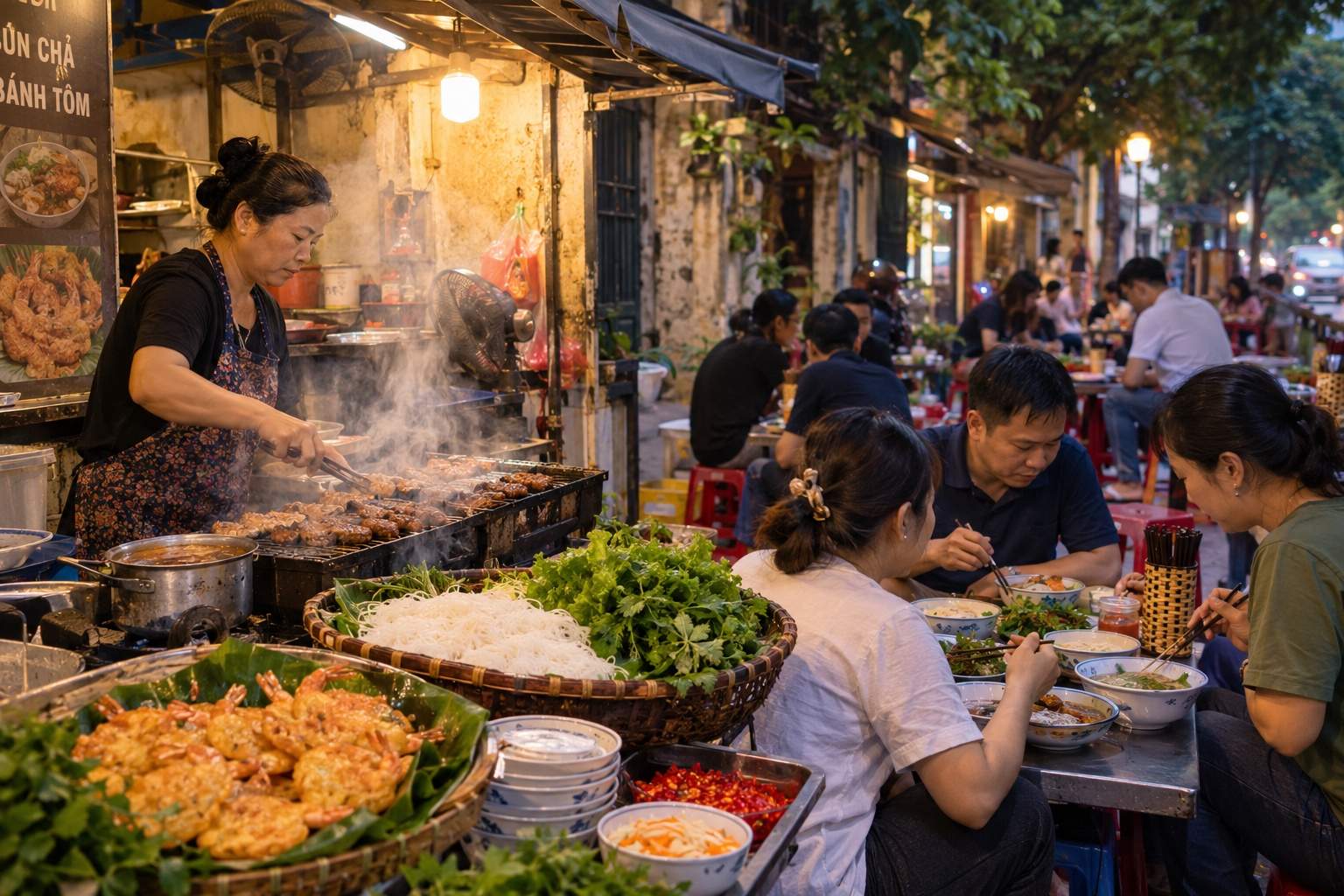
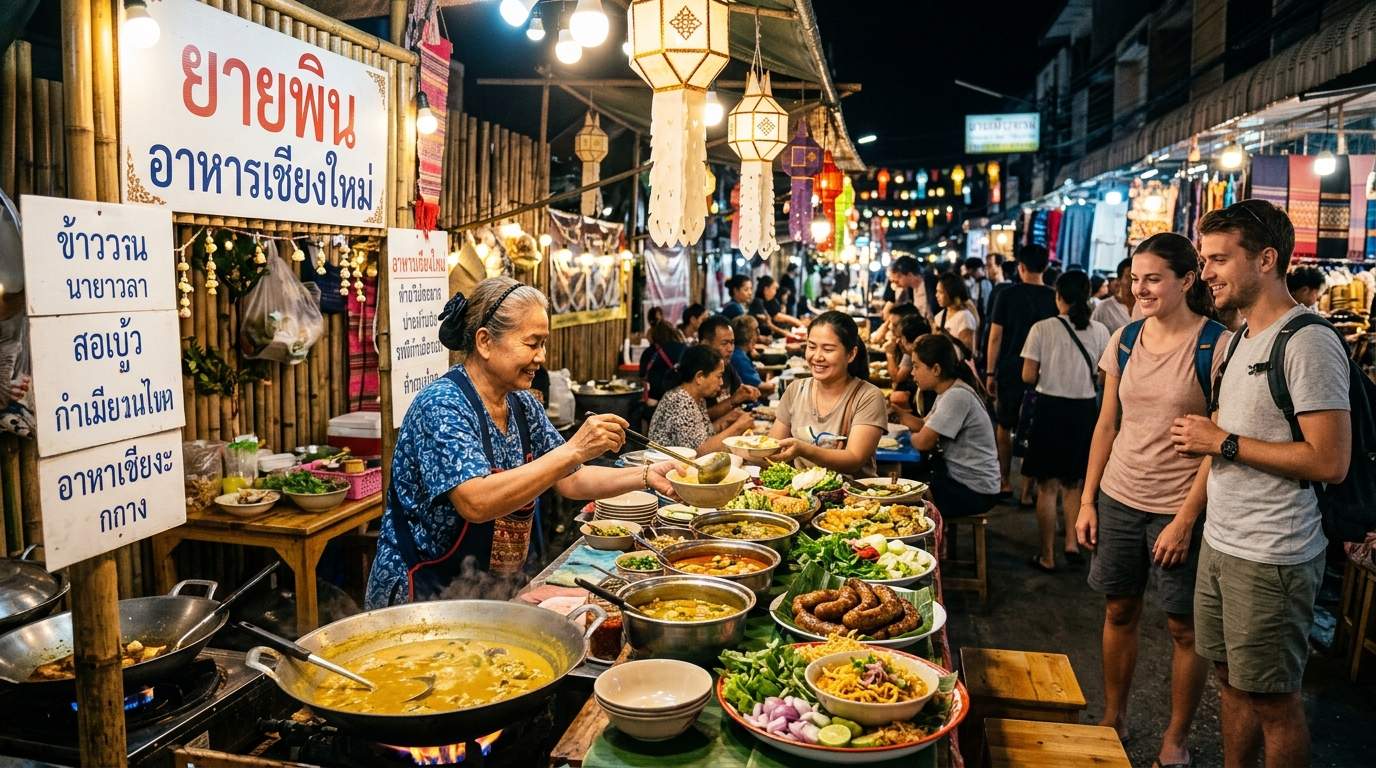
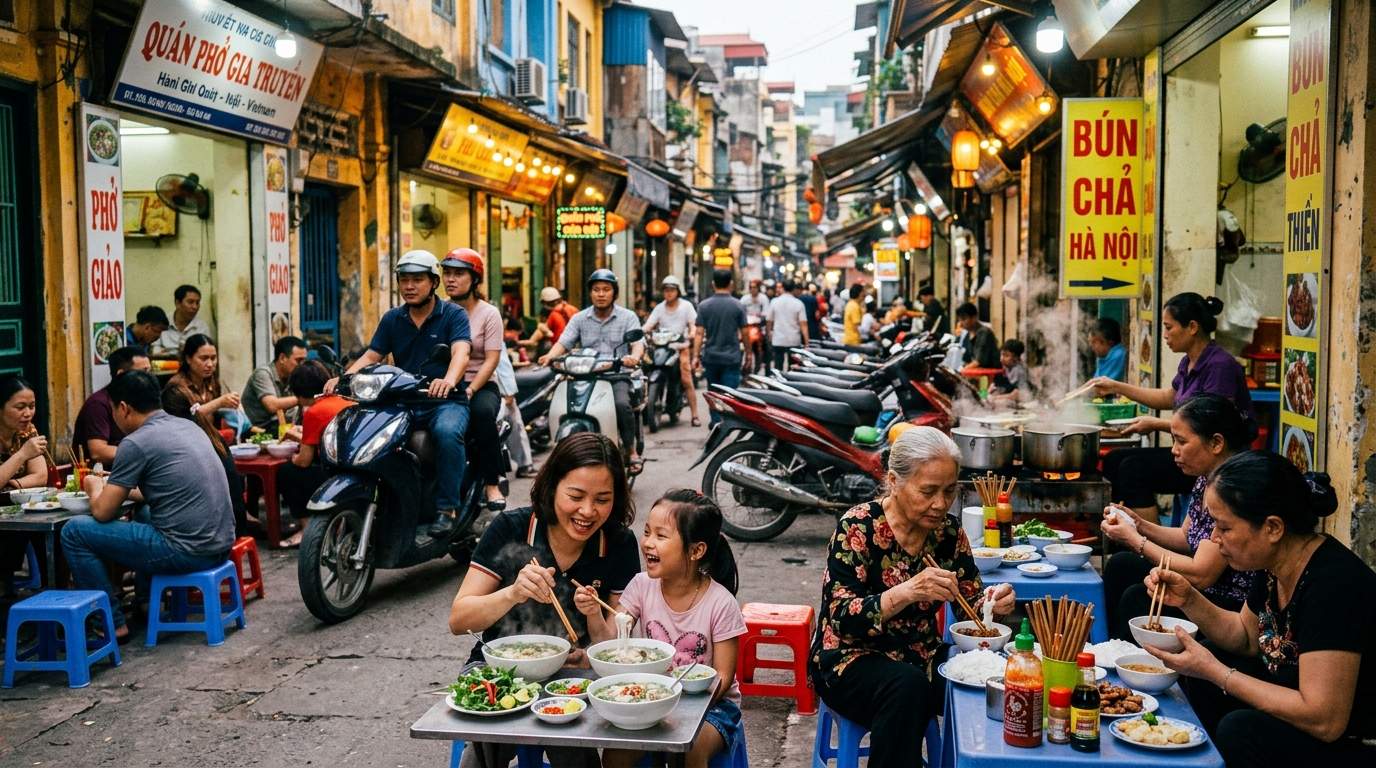
Now that we've swerved the Train Street, let's talk about where your money should go: directly into the hands of the incredible street food vendors. The difference in cost and quality between a tourist-targeted restaurant and a humble sidewalk stall is frankly, insulting. On a recent trip with friends, we stumbled upon a bún chả stall down an alleyway near Hoan Kiem Lake. It was just plastic stools, sizzling pork patties, and a huge vat of fragrant broth. Two bowls of bún chả and a couple of nem rán (fried spring rolls) cost us about 60,000 VND total – less than $3 USD. That same meal in a well-lit restaurant catering to foreigners would easily set you back 150,000-200,000 VND per person, and trust me, it won't taste as good.
The key to finding these gems? Follow your nose, and look for stalls bustling with locals, especially during lunch and dinner. Don't be afraid to point at what others are eating. The best phở isn't found under a neon sign; it's ladled out of a giant pot by a matriarch on a smoky corner. For about 30,000-40,000 VND ($1.50-$2 USD), you'll get a bowl of soul-warming broth that will put any fancy sit-down version to shame. My family, initially hesitant about the "hygiene," quickly became converts after tasting the sheer depth of flavor. My dad, a man of few words, just grunted "better than any restaurant" between slurps.
Long Bien Bridge: A Steel Symphony at Sunrise (It's Free!)
Instead of joining the throngs at the Temple of Literature or paying for a boat ride on a polluted lake, consider a walk across Long Bien Bridge. This historic cantilever bridge, built by the French, is a testament to resilience and offers a unique perspective of Hanoi life. I dragged my travel-weary brother out of bed before dawn on a scorching August morning. The air was still thick, but as the sun painted the Red River in hues of orange and pink, the bridge came alive. Cyclists, motorbikes, and vendors carrying baskets of produce flowed across, creating a symphony of whirring tires and quiet conversations.
We walked along the railway tracks, dodging the occasional passing train (a real train, not a manufactured spectacle), and watched fishermen cast their nets below. It's not a 'tourist attraction' in the conventional sense, but it’s a living, breathing part of Hanoi, completely free, and profoundly moving. You’ll see the city from a different angle, literally and figuratively, connecting with its working pulse. Plus, the light for photos is unbeatable, and you won't have to fight for space. This experience costs nothing but a bit of sweat and an early wake-up call, offering far more cultural value than any overpriced museum.
Caffeine Culture & Hidden Alleyways: Beyond Egg Coffee
Everyone flocks to the famous egg coffee spots, and while delicious, they're often packed and expensive. For a truly local coffee experience, venture into the labyrinthine alleys of the Old Quarter. My friend, a true coffee connoisseur, and I spent an afternoon just wandering, ducking into unassuming doorways. We found a tiny café tucked away behind a scooter repair shop, its entrance marked only by a faded yellow curtain. Inside, the owner brewed cà phê sữa đá (iced condensed milk coffee) with an almost reverent precision. We paid 20,000 VND ($0.80) for two glasses, half the price of the more famous spots, and sat on miniature plastic chairs, watching the world go by.
These hidden cafés are the social hubs for many Hanoians, places where gossip is exchanged, business is discussed, and time slows down. They offer a window into daily life that you simply won't get on a curated tour. Don't be afraid to get lost; some of the best discoveries are made when you let go of the map. Just keep an eye out for small signs advertising "Cà phê" or the distinct aroma of robusta beans.
Navigating Hanoi Like a Local: Cost-Saving Tips & Scams to Avoid
Let's talk logistics. Taxis are notorious for overcharging or taking circuitous routes with foreign tourists. Download Grab (Southeast Asia's Uber/Lyft equivalent) before you arrive. It’s a game-changer for getting around. A 15-minute ride that a taxi driver might quote you 150,000 VND for (and then try to negotiate up from there) will often cost you 40,000-60,000 VND on Grab, with the price fixed upfront. This simple app will save you countless headaches and a significant chunk of your travel budget. My solo female friends swear by Grab for safety and transparency, especially after dark.
Another common pitfall: haggling for souvenirs. It's expected, even encouraged, in markets like Dong Xuan. But know your limits. A good rule of thumb: start at half the asking price and aim for about 60-70% of what they first quote. If you're not comfortable haggling, head to fixed-price shops, but expect to pay a bit more. When traveling with my grandmother, who detests bargaining, we stuck to department stores for peace of mind, though she admitted she missed the "drama" of the market. Also, always keep small denominations of VND on hand. Larger bills often result in vendors claiming they have no change.
Timing Your Trip: Be Smart, Not Sweaty
Hanoi in July and August can be brutal – hot, humid, and prone to sudden downpours. While the prices for flights and accommodation might be lower, the constant battle with the heat can detract from the experience. I visited last July with my family, and we spent a significant portion of our days retreating to air-conditioned cafes. If you want to truly enjoy walking the streets and exploring, aim for October to December, when the weather is cooler and drier, or March to April, which offers pleasant temperatures before the summer heat kicks in. Visiting during the shoulder seasons (late spring/early autumn) often means fewer crowds than peak winter months, without the oppressive summer climate. You’ll find better deals on accommodation too, and the queues (if any) will be far shorter.
Hanoi offers an exhilarating blend of history, culture, and culinary delights that can be experienced without emptying your wallet or falling prey to common tourist traps. Embrace the chaos, seek out the local experiences, and you'll discover a city that's both challenging and utterly captivating.