Don't Blow Your Lisbon Budget: Locals Spilled These 4 Niche Secrets
- Quick Tags: Lisbon Travel, Portugal Budget, Niche Lisbon, Avoiding Tourist Traps
- Editor: Alex Reynolds
- Updated: Aug,24,2026
- Views: 384.1k


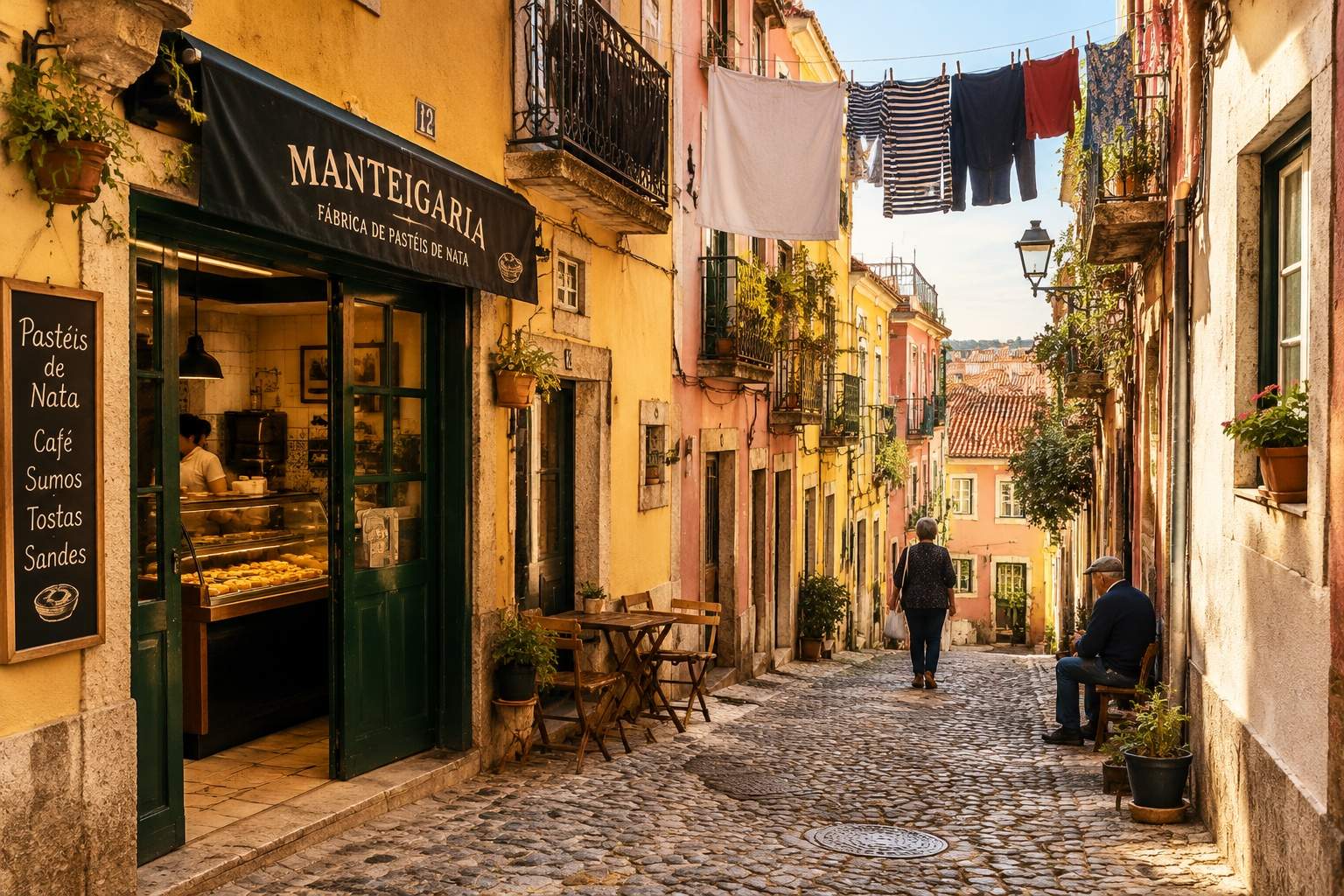

The morning light in Lisbon always has a way of tricking you. You’re weaving through a tangle of ancient, sun-drenched alleys in Alfama, the scent of espresso and baking bread clinging to the air, and for a glorious second, you feel like you’ve cracked the code – found the real Lisbon. Then, you turn a corner, and there it is: a tsunami of tourists armed with selfie sticks, all converging on the same three viewpoints you saw on Instagram. We've all been there, eyes rolling so hard they almost fall out. But what if I told you there’s another way? A way my friends, my partner, and even my notoriously picky nephew have vouched for? Read on, because your wallet and your sanity will thank you.
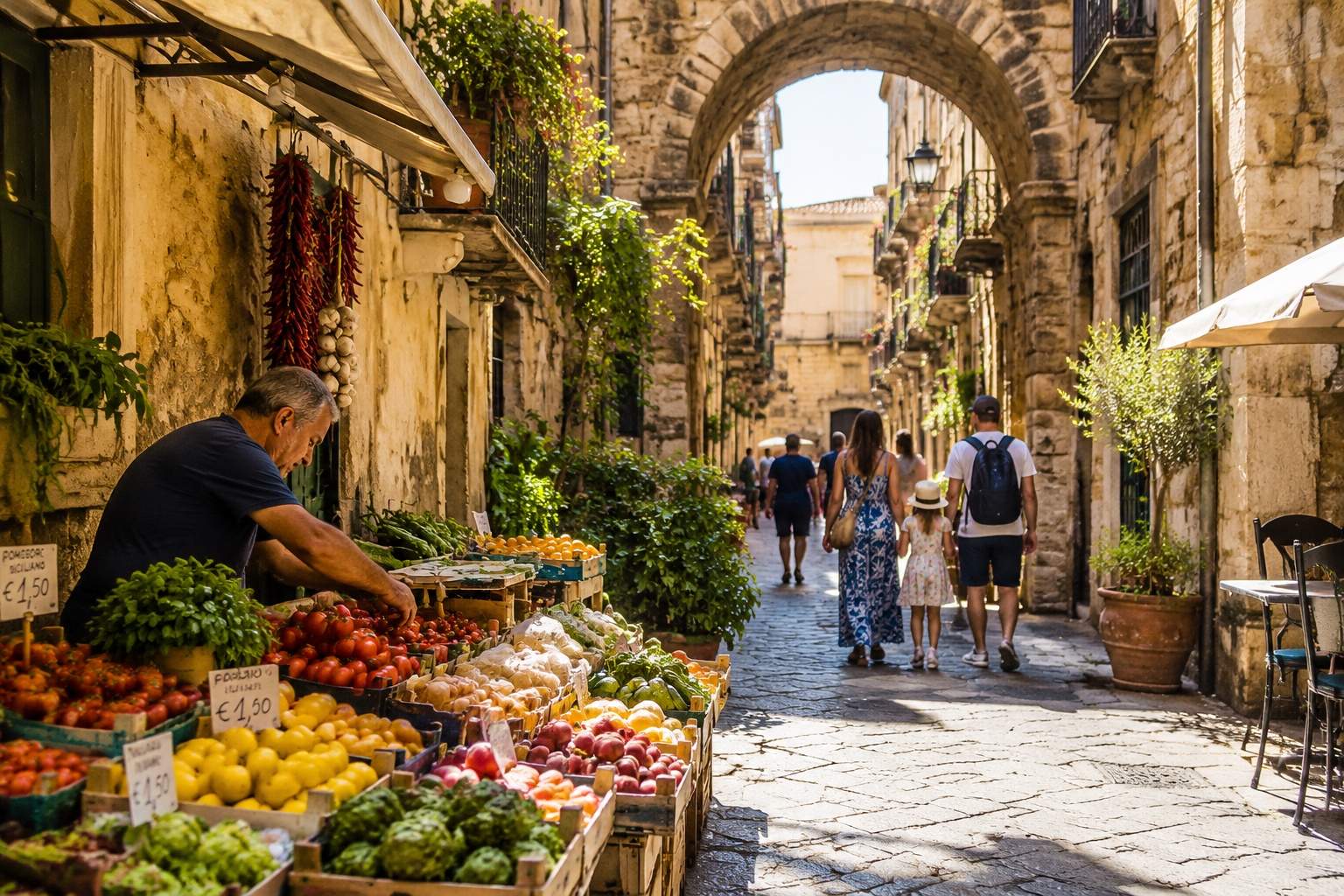
Everyone raves about Tram 28, right? "Iconic!" "Authentic!" What they don't tell you is it's often a sardine can on wheels, pickpocket central, and you'll spend half your time stuck behind a tour bus. My friend, Sarah, insisted we try it for "the experience." Two stops in, crammed against a stranger's backpack, she whispered, "Okay, this is hell. Get me off." So, we bailed, hailed a sensible (and air-conditioned!) Tram 24 – a far less crowded route – and ended up in Campo de Ourique. This residential neighborhood market is the antithesis of the Time Out Market circus. We found fresh fish for €8/kg, artisan cheeses, and the most glorious prego no pão (steak sandwich) for €5 from a tiny stall. Sarah, who usually demands white tablecloths, devoured hers saying, "This is embarrassingly good for the price." That afternoon, we cobbled together a gourmet picnic for less than €15 total, a fraction of what we would've spent on a mediocre tourist trap meal. Trust me, the €2.50 tram fare (with a Viva Viagem card, more on that later) was the best investment we made all week.
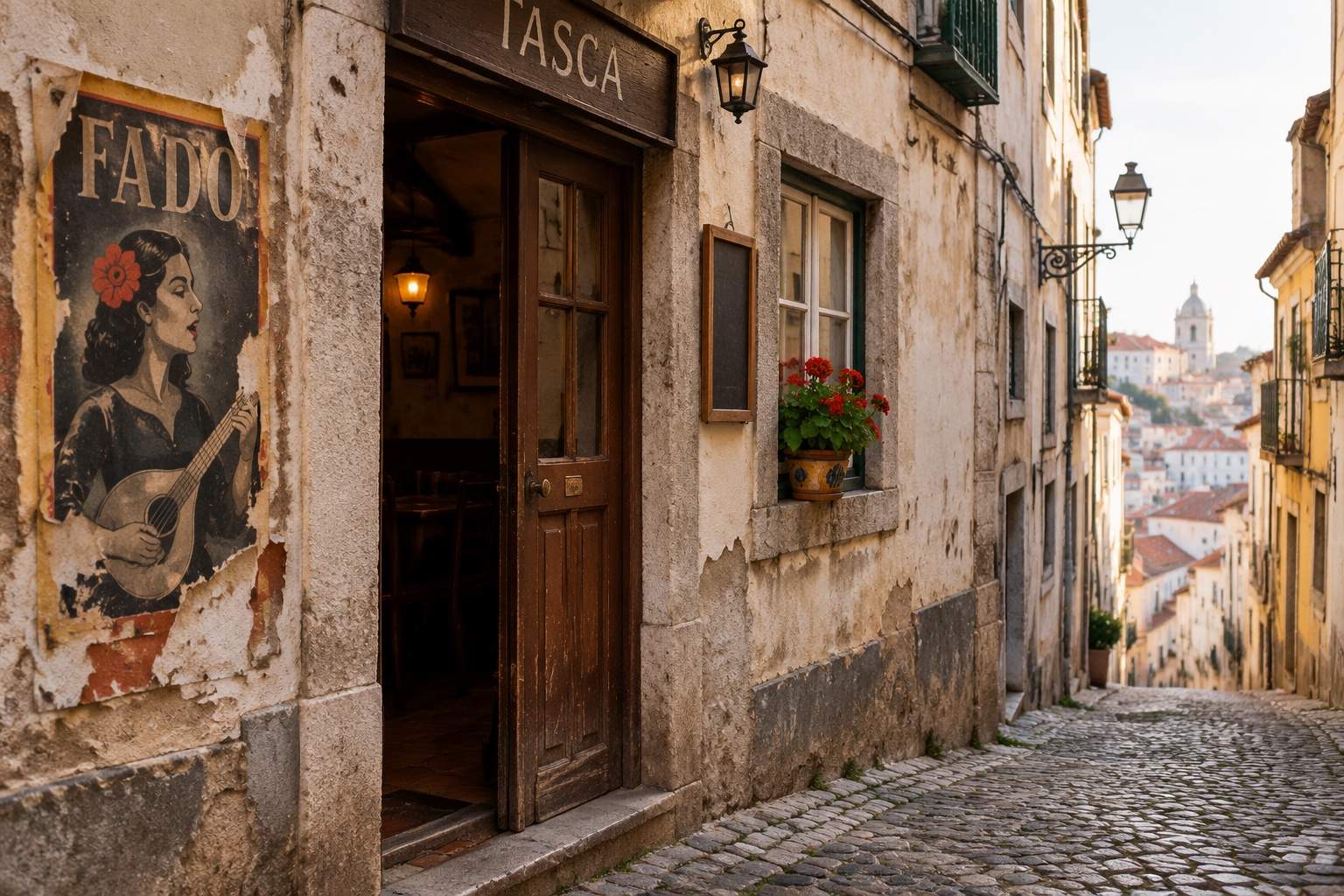
Thinking of a Fado show? Good luck finding an authentic one without selling an organ. The Chiado and Bairro Alto spots? Full of performers whose smiles look as rehearsed as their songs, and cover charges that make your eyes water. While traveling solo, I decided to wander beyond the polished tourist zones. I strayed into Mouraria, Lisbon’s oldest neighborhood and the birthplace of Fado. One evening, drawn by a melancholic strumming, I stumbled into a tiny, unassuming tasca. No flashing neon signs, no velvet ropes. Just a few locals, a couple of bottles of red wine, and a woman with a voice that could crack stone. There was no entrance fee; you simply bought food and drinks. My glass of house wine? €2.50. A plate of petiscos? €7. The raw, unfiltered emotion of the Fado that night was priceless. It wasn't a "show"; it was life, shared. If you want Fado with soul, not just a hefty bill, this is where you go.
Belém. Jerónimos Monastery, Belém Tower, Pastéis de Belém. All famous, all beautiful, all swarming with people. Last year, I went with my sister and her kids. My nephew, Leo, aged 8, was already whining about the crowds at the Tower before we even got through the entrance. "Can we just leave?" he asked, kicking at the cobblestones. Instead of battling another queue for the monastery, we took a short taxi ride (about €5-€7) to the Ajuda Botanical Garden. And just like that, tranquility. This garden, a former royal botanical collection, is sprawling, beautifully maintained, and blissfully uncrowded. Leo, usually glued to his tablet, was captivated by the peacocks strutting across the manicured lawns. My sister and I found a quiet bench, sipping coffee from the garden's small café, enjoying the scent of exotic plants. Entry was a measly €2.50 per adult, kids went free. While our friends were sending us photos of their miserable, queue-filled afternoon at Belém Tower, we were snapping pictures of peacocks and enjoying actual peace.

Everyone's chasing that iconic sunset shot from Miradouro da Senhora do Monte or Portas do Sol. And everyone is there. Elbows out, jockeying for position, selfie sticks in a frantic battle. My partner and I, on a quest for an actually romantic and uninterrupted sunset, ventured a bit further. We climbed through the quiet residential streets of Penha de França to Miradouro de Monte Agudo. This isn't a grand, manicured viewpoint; it's a small, local park with a simple kiosk. But oh, the view! The city stretched out before us, a tapestry of terracotta roofs and glowing lights, with the castle silhouetted against a fiery sky. There were locals walking their dogs, a few couples sharing a bottle of wine, but no crush of tourists. We bought two cold Sagres beers from the kiosk for €2 each and watched the magic unfold. It was free, it was stunning, and it felt like we'd been let in on a secret. Compare that to paying €10 for an overpriced cocktail at a crowded rooftop bar!
Let's talk brass tacks: Lisbon can drain your wallet if you’re not careful.
This isn't about being cheap, it's about being smart. It's about experiencing the vibrant, authentic Lisbon that exists just beyond the postcard clichés.
When to Visit? (And What to Bring) Forget battling the relentless heat and peak-season crowds of July and August. Spring (April-May) and Autumn (September-October) are your sweet spots. The weather is gloriously mild for endless walking (and you will walk, so pack those comfortable walking shoes I mentioned!). Evenings can get a bit breezy, especially on the hills, so a light jacket or a stylish scarf is a must. During these shoulder seasons, you'll find fewer queues, slightly lower prices, and a generally more relaxed atmosphere. Plus, the light for photography is just divine.
Lisbon offers so much more than its famous views. By simply stepping off the well-trodden path and embracing a bit of local wisdom, you'll uncover hidden gems, save a fortune, and leave with truly unforgettable stories, not just standard tourist photos.