Krakow: Overpay for Crowds or Find Real Polish Soul for Pennies?
- Quick Tags: Krakow travel guide, Niche Krakow spots, Krakow budget trip, Avoid Krakow tourist traps
- Editor: Chloe Jones
- Updated: Jul,26,2026
- Views: 285.9k









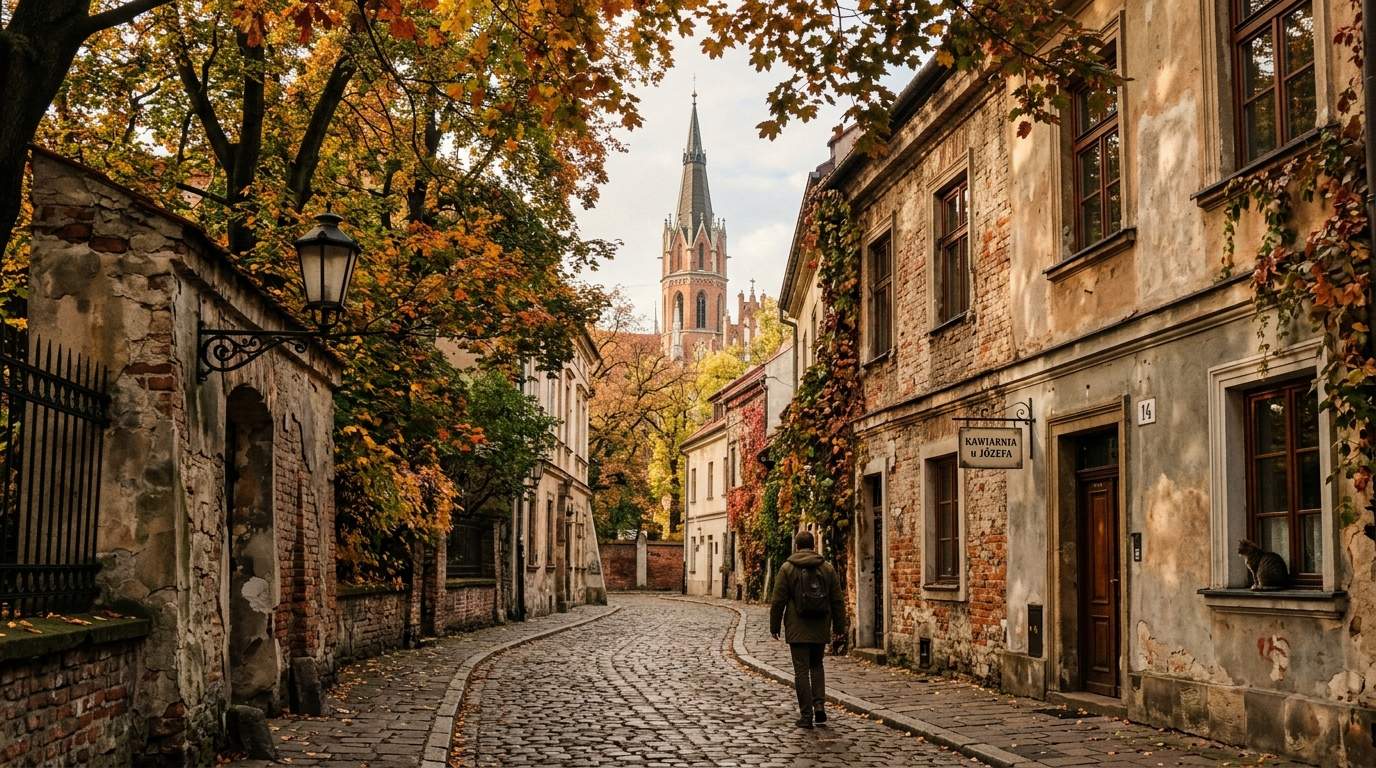
The scent of charred wood and smoked sausage hangs heavy in the crisp autumn air, a comforting blanket as I weave through a narrow, cobbled alleyway just off the main drag of Kazimierz. A lone musician, his face etched with stories, pulls mournful melodies from an accordion, not for the tourists milling a block away, but for the sheer joy of it. This isn't the Krakow you see plastered on postcards, nor the one where guides herd you like sheep. This is the Krakow I live for – the one that whispers its secrets to those who bother to listen, and certainly, to those who refuse to pay full price for the privilege.
Everyone and their Babcia will tell you to "see Wawel Castle." And yes, it’s magnificent, looming over the Vistula like a grand old sentinel. But here’s the rub: if you just show up and start buying tickets for every single royal chamber, state room, and dragon’s den, you'll haemorrhage zloty faster than you can say "Smok Wawelski." My advice for a genuine experience, especially for us frugal wanderers? Skip the individual entry fees for the castle interiors unless you're a devout art historian. Instead, wake up early. Seriously, before the tour buses cough their way into the city.
I was up at 6:30 AM one chilly October morning, pulling on my walking boots, a thermos of local coffee in hand. The Wawel Royal Castle grounds are largely free to roam. Stroll through the courtyards, admire the architecture, take in the panoramic views of the city waking up, all bathed in that soft, golden light that makes Krakow truly glow. You can descend into the Dragon's Den for a mere pittance, or even better, just enjoy the statue at the bottom of the hill, breathing fire on cue. "See, Marek," I told my friend, pointing to the dragon as it exhaled a puff of flame, "that's our €15 savings right there, for ten seconds of fire and a whole lot of brisk air." He just shivered and reached for his own coffee, but I saw the quiet awe in his eyes.
Kazimierz, the historic Jewish Quarter, is undeniably charming. It's bustling, full of character, and unfortunately, packed with overpriced restaurants peddling "traditional" Polish fare to unsuspecting tourists. You'll see menus in five languages, often with pictures, and those, my friends, are your red flags. The ubiquitous zapiekanka (open-faced baguette pizza) from Plac Nowy is iconic, a must-try for about 15-25 PLN. It's cheap, cheerful, and hits the spot after a few beers.
But if you want to eat like a local, and truly understand what "high cost performance" means, you need to find a bar mleczny, or milk bar. These Communist-era canteens are government-subsidized and serve up hearty, no-frills Polish comfort food at laughably low prices. You walk in, point at what looks good (or brave a Polish menu), and for less than 20 PLN (around €4-5), you'll get a full meal: soup, main course, side, and even a compote. One afternoon, my travel buddy, Anya, who’s usually a bit wary of anything too "authentic," reluctantly joined me in a tiny milk bar tucked away on Ulica Meiselsa. The stern woman behind the counter slapped a plate of pierogi ruskie and a bowl of żurek in front of us. Anya’s eyes widened at the total: 18 PLN. "Are you sure that's not per dish?" she whispered. I just smirked.
Don't expect gourmet dining or white tablecloths. Do expect deliciously simple, filling food cooked with generations of tradition. The decor might be spartan, the service brisk, but the food is honest, and the value is unbeatable. We found ourselves going back daily for lunch, savoring the daily specials and the feeling of truly participating in local life, far removed from the tourist traps around Plac Nowy, where the same pierogi would cost double.
Ah, the Wieliczka Salt Mine. It's UNESCO-listed, visually stunning, and on every single Krakow "must-do" list. It’s also a well-oiled machine designed to separate you from your cash: pricey tickets, mandatory guided tours, bus trips from the city that add even more to the bill. Don't get me wrong, it's impressive – but after two hours underground, my neck was aching from craning to see the carved chapels, and I was mostly thinking about how much I’d paid to get there.
For those eager to experience Krakow's underground history without the full tourist factory treatment, consider the Rynek Underground Museum, right beneath the Main Market Square. It’s a fascinating, modern exhibition showcasing medieval Krakow beneath your feet, complete with holographic projections and excavated artifacts. It’s significantly cheaper, requires no lengthy bus journey, and offers a concise, engaging historical deep dive. You'll spend less time traveling, less money, and still get a profound sense of the city's past.
While summer brings crowds, autumn in Krakow is pure poetry. The air is crisp, the Vistula riverbanks glow with golden foliage, and the scent of roasted chestnuts wafts through the squares. It’s the perfect time for "reverse travel" – seeking out tranquility where others chase the buzz.
My top recommendation for an autumn escape is Tyniec Abbey. Just a short, scenic bus ride (#112 or #203 from Salwator) along the Vistula, this Benedictine monastery perches majestically on a limestone cliff. It's serene, offers breathtaking river views, and a sense of timeless peace that you won't find in the city center. We packed a picnic of local cheeses and bread, sat overlooking the river, and watched barges drift by. The journey itself, passing through sleepy villages, is part of the charm, and the abbey entrance is free.
Another unsung hero is the Podgórze district. Often overshadowed by its glitzier neighbor, Kazimierz, Podgórze was the site of the Krakow Ghetto during WWII. It holds a different, rawer kind of history. Walk across Father Bernatek Footbridge (kitsch, but charming) and explore the area. Visit Oskar Schindler's Factory (get tickets online well in advance), but also wander through Ghetto Heroes Square, with its poignant empty chairs. Discover local street art, grab a coffee in a quiet cafe, and experience a Krakow that feels less curated, more authentic. This isn't about avoiding tourists, it's about finding a deeper connection to the city's soul.
My Krakow adventure, mostly a boys' trip with a couple of intrepid female friends thrown in for good measure, was a masterclass in stretching every zloty while maximizing experience. We embraced the tram system (buy tickets at stops or on board), walked tirelessly, and refused to eat anywhere that actively tried to lure us in from the street. Our daily spending on food was rarely more than 50 PLN (€10-12) per person, thanks to those glorious milk bars and occasional street food. Accommodation was a well-reviewed hostel in Kazimierz, costing us about €15 a night.
The trick is to slow down, look up, and listen. Don't be afraid to wander aimlessly down side streets. That’s how we stumbled upon a tiny bakery making the most divine pączki (Polish doughnuts) for 3 PLN each, selling only to locals who knew the secret. It’s about accepting that some of the most profound travel moments aren't in guidebooks; they're in the accidental conversations, the quiet observations, and the thrill of discovering something truly your own.
Krakow offers an incredible journey for those willing to look beyond the obvious, providing authentic, soulful experiences without the tourist trap prices, if you know where to look.