Announce Your Rome Rebellion: Ditch The Swarms, Snag Local Charms, Own Your Budget!
- Quick Tags: Rome Budget Travel, Niche Rome, Avoid Tourist Traps, Local Italian Food
- Editor: Chloe Jones
- Updated: Jul,27,2026
- Views: 311.4k









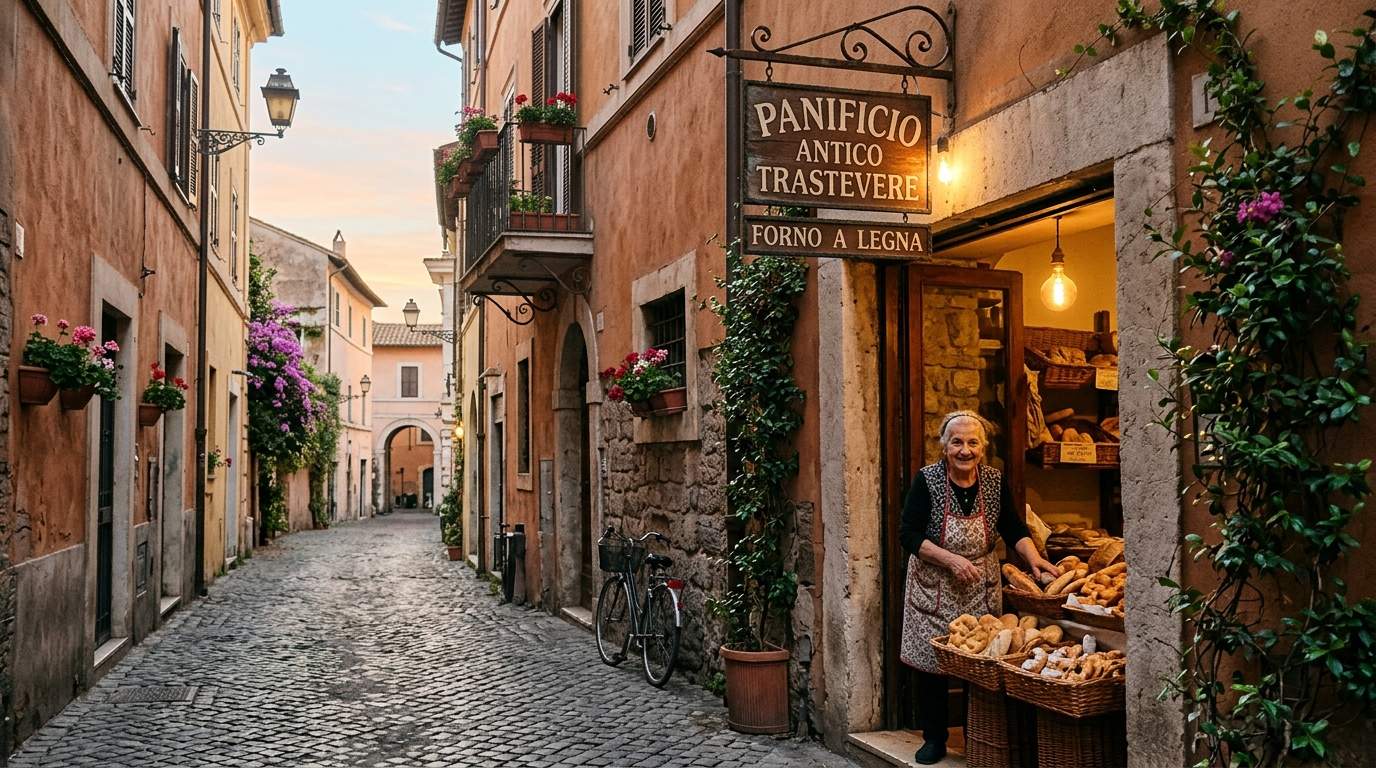
My first taste of Rome wasn't under the grand arch of the Colosseum or the majestic dome of St. Peter's. No, it was in a tiny, unassuming bakery tucked away on a side street in Trastevere, far from the tourist-choked piazzas. The scent of warm, yeasty bread and freshly brewed espresso enveloped me, a welcome assault on the senses after navigating the pre-dawn quiet. A nonna, her face a roadmap of Roman history, slid a cornetto and a cappuccino across the counter with a smile that crinkled her eyes. "Buongiorno, bella," she hummed. That moment, €3.50 well spent, wasn't just breakfast; it was a whisper of the real Rome, a sharp contrast to the €15 'artisan' gelato I'd almost splurged on the day before. This trip, my family and I were determined to peel back the layers of the Eternal City, past the postcard façade, to discover its beating, authentic heart – and do it without emptying our wallets.
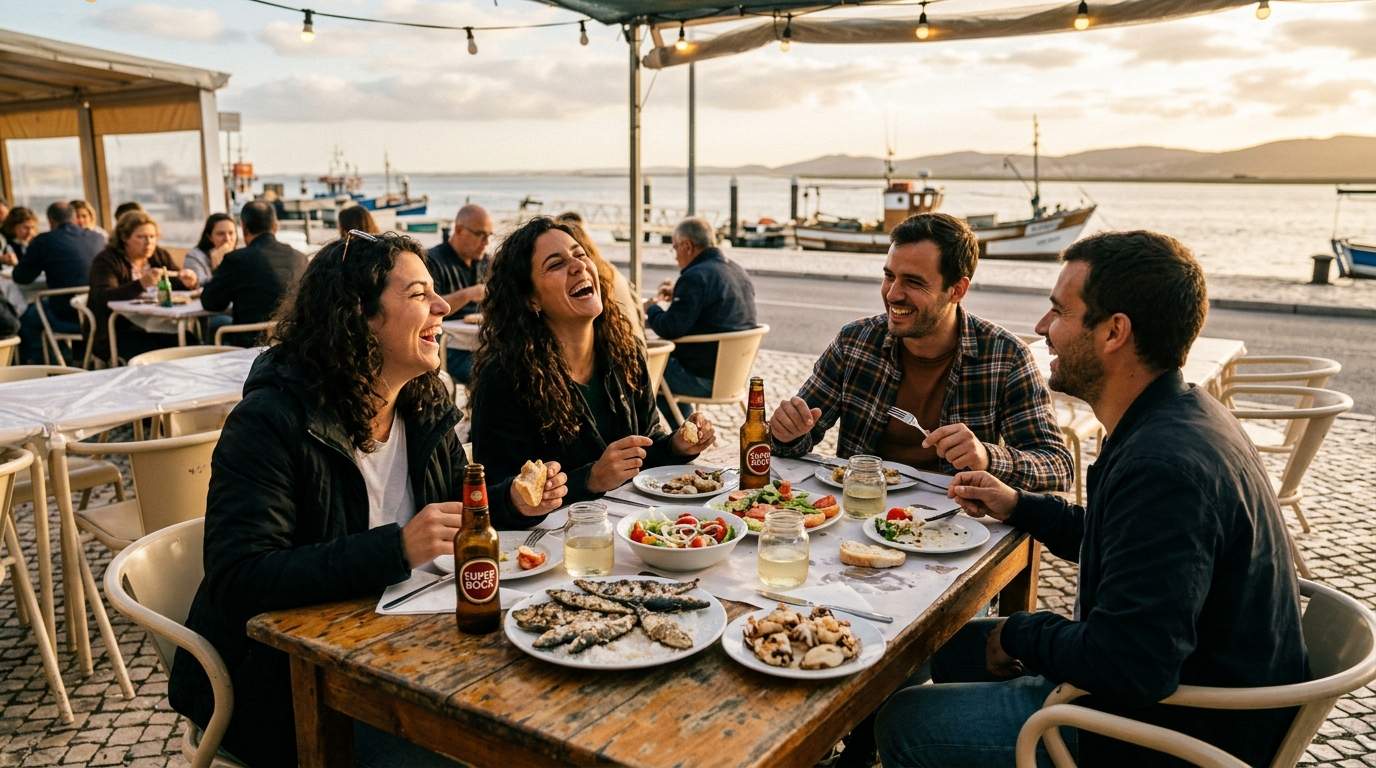
Let's be blunt: Rome wants your money. Every souvenir stand, every street hawker, every restaurant with a laminated menu featuring pictures of spaghetti carbonara for €20. They're all part of the grand illusion. My brother, ever the optimist, suggested a restaurant right opposite the Pantheon. "Look, it has a view!" he exclaimed. I stifled a sigh, pointing to the barely audible conversation in English from every table. A quick mental comparison: a single plate of pasta for €22 here, versus the €12 incredible cacio e pepe I’d found down a labyrinthine alley just yesterday, served by a waiter who corrected my Italian with a jovial chuckle. "Ah, the view," I deadpanned, "is usually accompanied by a 100% markup on mediocrity." We opted for a quick, cheap panino from a tabaccheria and enjoyed the Pantheon view for free, just like the locals do. It's a simple rule: if it's too convenient, it's probably too expensive and not authentic.
The gelato conundrum is real, folks. Near any major attraction, you'll find places with huge, piled-high mountains of unnaturally bright ice cream. These are the sirens of the sugary underworld, luring you in with promises of grandeur. My sister, bless her heart, once fell victim, paying €8 for a "three-scoop special" that tasted suspiciously like artificial flavorings. A genuine Roman gelateria, however, will have smaller, covered tubs of gelato, often looking less visually dramatic, but tasting like pure heaven. Our favorite discovery was a small place near Piazza Cavour, where for €3, I got two generous scoops of pistachio and hazelnut so rich and creamy, it felt like a hug from the gods. The difference in taste, and wallet damage, was palpable. "This," I declared, my mouth full, "is what a Roman summer tastes like. Not that tourist trap sorbet."
Navigating Rome's historical sites can feel like a gladiatorial contest against ticket queues and selfie sticks. The Colosseum and Roman Forum? Absolutely essential, but go at opening or pre-book months in advance. My friend Sarah, on a whim, decided to just show up. Two hours later, sunburnt and defeated, she surrendered to a €50 "skip-the-line" tour that ended up being just as crowded. For those craving ancient art without the human sardine experience, consider the Centrale Montemartini. This former thermoelectric power plant now houses stunning classical sculptures rescued from the Capitoline Museums, beautifully juxtaposed with the industrial machinery. It's an almost surreal experience, often blissfully quiet, and costs a mere €7.50 for entry. It felt like stumbling into a secret art vault, a true "reverse travel" win.
While everyone else was elbowing their way through the Spanish Steps, my group, including my ever-curious girlfriend, embarked on a little adventure to Quartiere Coppedè. Tucked away in the Trieste district, this architectural fairytale isn't on most tourist maps. It's a collection of fantastical buildings, an eclectic mix of Art Nouveau, Baroque, and even medieval elements, with intricate details of fairies, gargoyles, and mosaics. We spent an hour just wandering, mouths agape, feeling like we’d stepped into a whimsical dream. The only "crowd" was a few locals walking their dogs. It was free, utterly bizarre, and provided a unique cultural experience that felt miles away from the Colosseum's roar. "Is this… Narnia?" my girlfriend whispered, completely enthralled.
Forget the overpriced trattorias in Piazza Navona. For a truly authentic and incredibly affordable Roman meal, you need to dive into the local markets. The Nuovo Mercato Esquilino, located near Termini station, is a vibrant melting pot of cultures and flavors. It's less polished than some other markets, but the prices are unbeatable. We bought fresh pasta, local cheeses, olives, and incredible roasted porchetta for a fraction of what a restaurant meal would cost. The best part? We assembled an impromptu picnic in a nearby park. For about €15 total, enough for four of us, we had a feast that rivaled any high-end eatery. Another culinary gem: look for places offering aperitivo outside the main tourist zones. For the price of a drink, you often get a generous spread of free snacks – miniature pizzas, olives, nuts, and sometimes even small pasta dishes. It's Rome's happy hour secret weapon.
Traveling during the shoulder seasons (late April-May, or September-October) is a game-changer for Rome. The weather is pleasant, and the colossal summer crowds haven't fully descended or have begun to disperse. This makes iconic spots like the Trevi Fountain, while still popular, much more manageable. We visited at 7 AM, finding it almost deserted, allowing for photos without an army of strangers. For a truly unique and soulful experience, spend an evening in Pigneto. This vibrant, gritty neighborhood is a hub for students and artists, buzzing with street art, independent bars, and some of the best, most unpretentious food spots in the city. Strike up a conversation with a local over a craft beer – their insights are priceless, and often lead to the best recommendations for what to see, what to eat, and what tourist trap to absolutely avoid.
Rome is a city of layers, of grand monuments and intimate alleyways. Don't let the tourist machine dictate your experience or your budget. Seek out the hidden whispers, savor the real flavors, and walk away not just with photos, but with stories of the Rome only the savvy few truly discover.