Rage-Quit Rome's €20 Carbonara? This €5 Local Hack Changes Everything.
- Quick Tags: Rome travel guide, Budget travel Rome, Niche Rome attractions, Avoid tourist traps Italy
- Editor: Chloe Jones
- Updated: Jul,15,2026
- Views: 341.1k

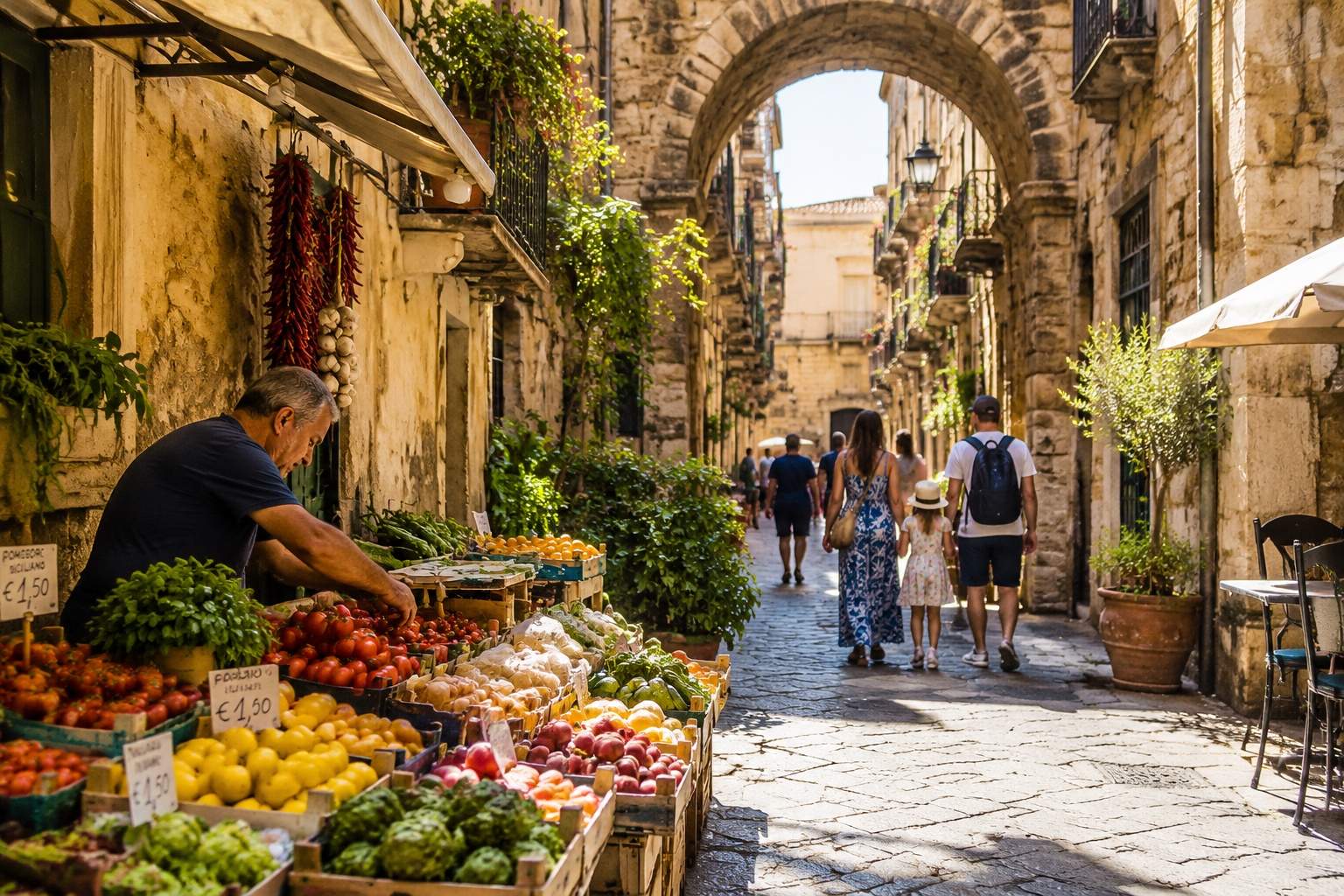
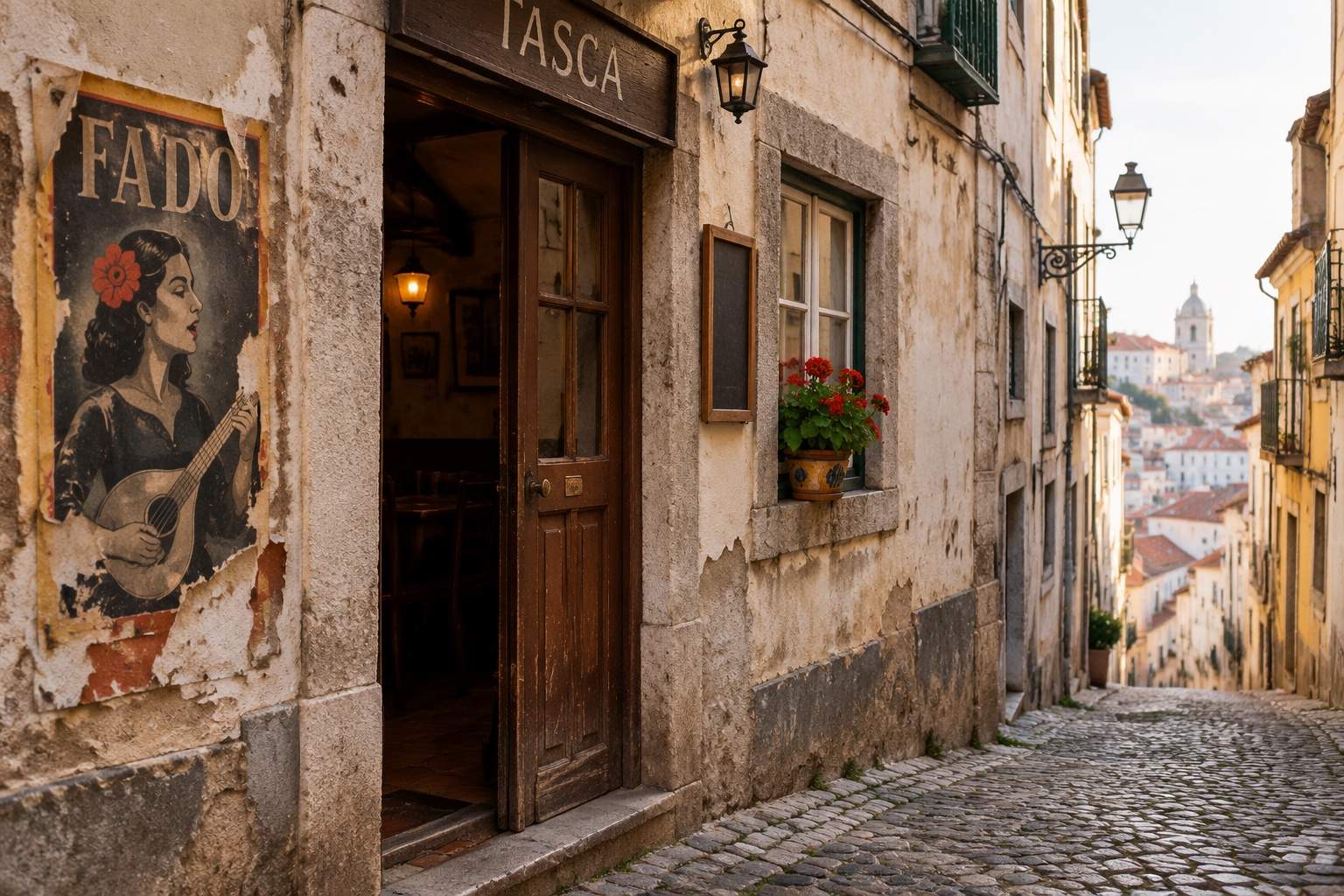
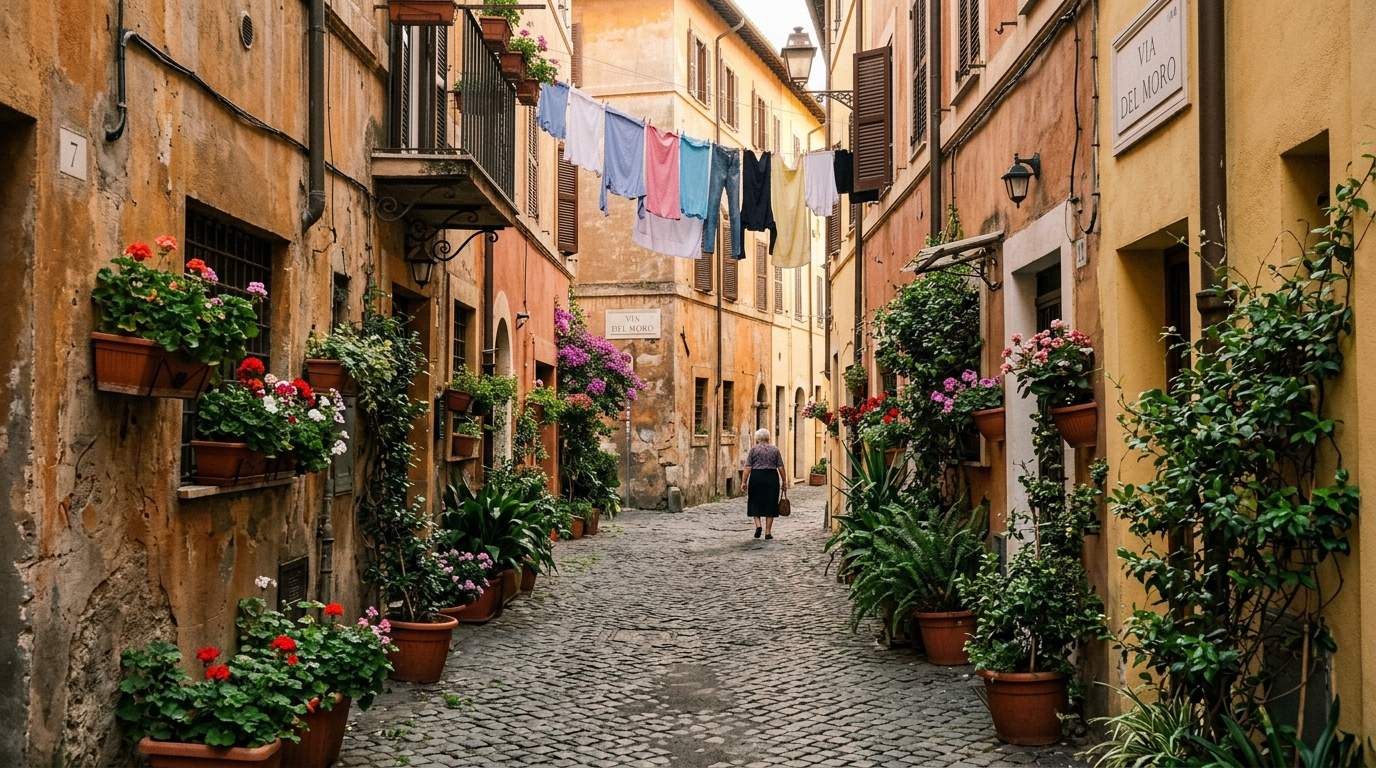
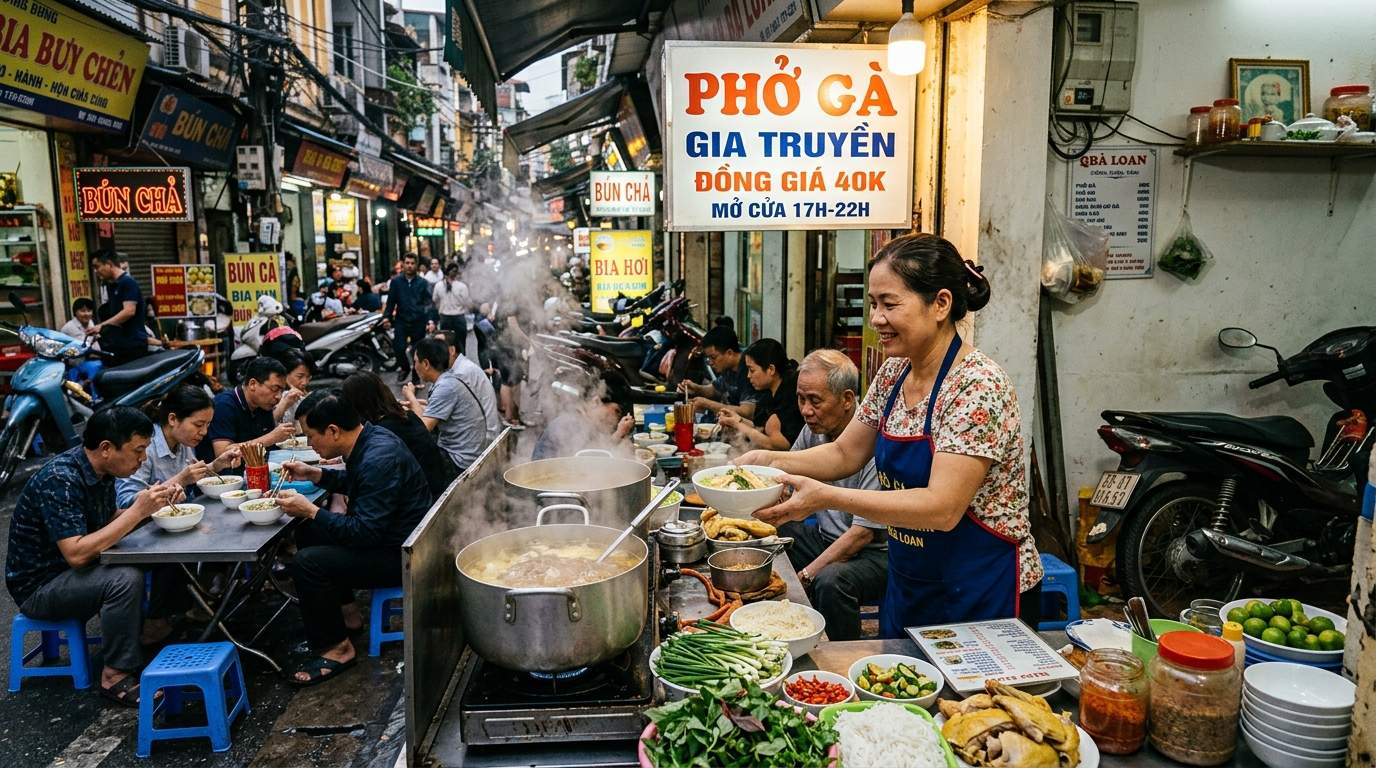
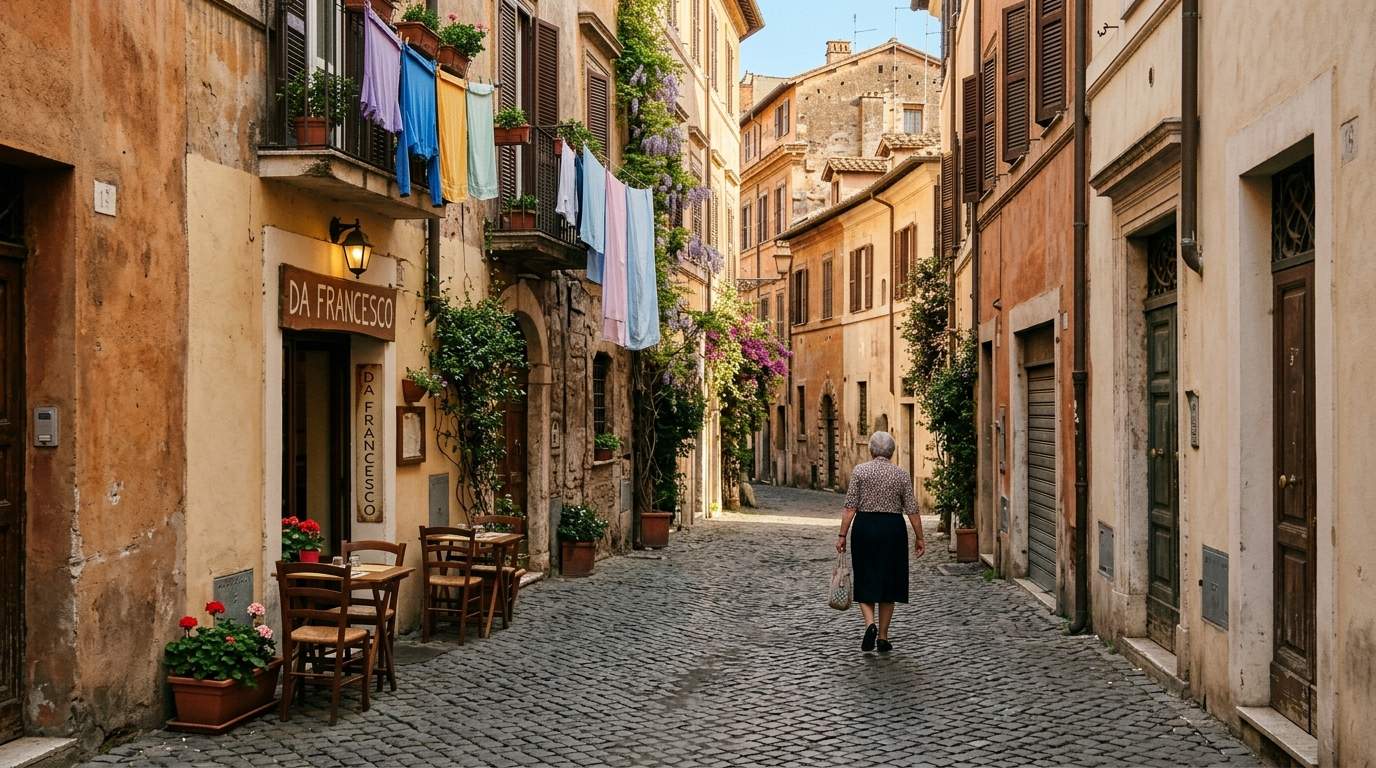
The late afternoon sun painted the ancient cobblestones a warm, impossible gold as I leaned back on a chipped marble bench in Trastevere, a €2 glass of house wine in hand. A local nonna, her face a roadmap of Roman history, haggled good-naturedly with a fruit vendor across the piazza. No selfie sticks, no desperate hawkers, just the quiet hum of everyday life. This was Rome. Or, rather, the Rome I eventually found, a stark contrast to the one that had almost made me book an early flight home just three days prior, utterly convinced my bank account was staging a rebellion.
My first encounter with the Pantheon was, let’s be honest, less a spiritual awakening and more a competitive sport. Elbows out, shuffling through the throngs, trying to crane my neck to see the oculus without tripping over a dozen outstretched selfie sticks. It was breathtaking, yes, but also a logistical nightmare. That’s when my friend Leo, a veteran "reverse traveler," pulled me aside. "Mate," he’d whispered, "you paid €17 to see the Sistine Chapel when we could've seen better Caravaggio for free. Let's rethink this." And rethinking, we did.
Forget queuing for hours or shelling out for crowded rooftop bars. Rome is an open-air museum, and its finest masterpieces often come with no entry fee. Instead of the Colosseum's intimidating lines, we found solace at the Basilica di Santa Maria Maggiore, a truly grand basilica, often less crowded, where the mosaics alone could tell a thousand tales. Then there's Gianicolo Hill, an absolute non-negotiable for anyone visiting the city. After a pleasant, albeit uphill, walk from Trastevere, we arrived just as the sun began its descent. With a couple of cheap beers we'd grabbed from a supermercato on the way up, we watched as the entire city of Rome unfolded beneath us, bathed in fiery orange and deep purple hues. The view of the dome of St. Peter's Basilica, illuminated against the twilight sky, easily dwarfed any paid "panoramic experience." It was an absolute steal at precisely zero euros.
Ah, the infamous €20 Carbonara. I remember it like it was yesterday: a sad, greasy plate near the Spanish Steps, tasting suspiciously like canned sauce and regret. "Is this… it?" I’d asked Leo, eyeing the sad sliver of guanciale. He’d just shaken his head, a look of profound disappointment on his face. This, my friends, is Rome's most common, and frankly, most insulting, tourist trap. Restaurants near major landmarks, with laminated menus translated into fourteen languages, exist purely to relieve you of your euros and leave you with a bland memory.
Our gastronomic redemption came swiftly and deliciously. First, the Aperitivo. Forget dinner; in Rome, around 6-8 PM, many bars offer a drink (usually €7-€10) that comes with an extensive, often exquisite, buffet of snacks. We practically made a game of it, strategically picking bars in less touristy neighborhoods like Monti or Ostiense, where the spread included everything from mini pizzas and pasta salads to cured meats and bruschetta. "This," Leo declared, balancing a supplí on his plate, "is essentially a free dinner. Genius."
For lunch, we became devotees of Testaccio Market. This isn't your pretty, curated food hall; it's a vibrant, bustling local market where vendors passionately hawk everything from fresh produce to artisanal cheeses. Here, we discovered the trapizzino – a pizza pocket filled with traditional Roman stews – for around €4. And pizza al taglio, sold by weight, meant we could sample various crispy, flavorful slices for a few euros each. Compare that to a sit-down meal at a tourist trap for €30-€40 per person, and the financial common sense becomes crystal clear.
Initially, I’d been seduced by the idea of Rome’s Hop-on-Hop-off buses, imagining leisurely tours. The reality was a crawl through choked traffic, missing most of the charm. Taxis, meanwhile, were both pricey and prone to "the scenic route." My worn-out sneakers were screaming by the end of each day, but my wallet was singing.
Rome is a city best experienced on foot, especially if you're chasing those less-trodden paths. While the metro and bus systems are efficient for longer hauls – a single ticket is €1.50, and a 24-hour pass is a mere €7.00 – much of its magic lies in its walkable labyrinth of streets. We’d plot a general direction, then deliberately get "lost" down narrow alleys, stumbling upon hidden courtyards, ancient fountains (perfect for refilling our reusable water bottles at Rome's ubiquitous nasoni), and tiny artisan shops. One particularly sweltering April afternoon, after a long trek through the Borghese Gardens, the sheer relief of finding a quiet, shaded gelateria down a side street, serving scoops for €2 instead of the €5 tourist tax, felt like a major victory.
If you're anything like me, after a few days of battling the gladiatorial crowds, you start craving genuine quiet and un-staged cultural immersion. This is where Rome truly shines for the "reverse traveler."
One sunny spring morning, we rented bikes near the Appian Way (Via Appia Antica), the ancient Roman road. It was a revelation, cycling past crumbling tombs, verdant fields, and ancient ruins with hardly a soul in sight. The air was fresh, scented with wild herbs, and the only traffic was the occasional local on a scooter. We explored the Catacombs of Callixtus – a slightly spooky, immensely historical underground burial site – for about €10, a fraction of the cost and crowd of Vatican City, and infinitely more atmospheric. The experience felt like stepping back two millennia, a profound silence broken only by our guides' hushed explanations.
Another unexpected delight was Centrale Montemartini. Tucked away in the Ostiense neighborhood, this former thermoelectric power plant now houses an extraordinary collection of ancient Roman sculptures displayed amidst its original industrial machinery. The juxtaposition of classical marble and towering turbines is bizarrely beautiful, and during our visit, I counted fewer than ten other visitors. It's a testament to Rome's depth, a place where history and modernity collide in a way guidebooks rarely highlight. Traveling in late April, we found the weather ideal – warm enough for light clothing, but not yet the oppressive heat and tourist deluge of peak summer, making these outdoor and less-accessible spots perfect.
My advice for Rome? Ditch the high summer. April to May or September to October offers the perfect sweet spot: pleasant temperatures for endless walking, fewer crowds, and gorgeous light for photos. Pack comfortable walking shoes (non-negotiable!), layers, and a cross-body bag worn at the front to thwart casual pickpockets.
When it comes to costs, always be skeptical. That charming street vendor offering you a "free" rose? It's not free. That "gladiator" wanting a photo? He expects a hefty fee. Ask prices beforehand, especially in smaller shops. And for emergencies, remember the magic phrase: “Dov’è il bagno?” (Where’s the bathroom?). Knowing it might save you from buying an overpriced espresso just for toilet access. Oh, and those beautiful Roman taxis? They're expensive. Seriously, just walk, or take the metro. Your feet will hurt, but your wallet will thank you.
Rome isn't just a city of ancient stones and overpriced coffee; it's a living, breathing tapestry of history and humanity that rewards the curious and the clever. Ditch the crowds, embrace the backstreets, and you might just find your own unforgettable Roman revelation.