Heartbreak Over Hordes? Kyoto's Real Magic Found Where Tourists Don't Tread!
- Quick Tags: Kyoto budget travel, Japan offbeat, Kyoto local food, reverse tourism, niche Kyoto
- Editor: Chloe Jones
- Updated: Jul,16,2026
- Views: 227.8k

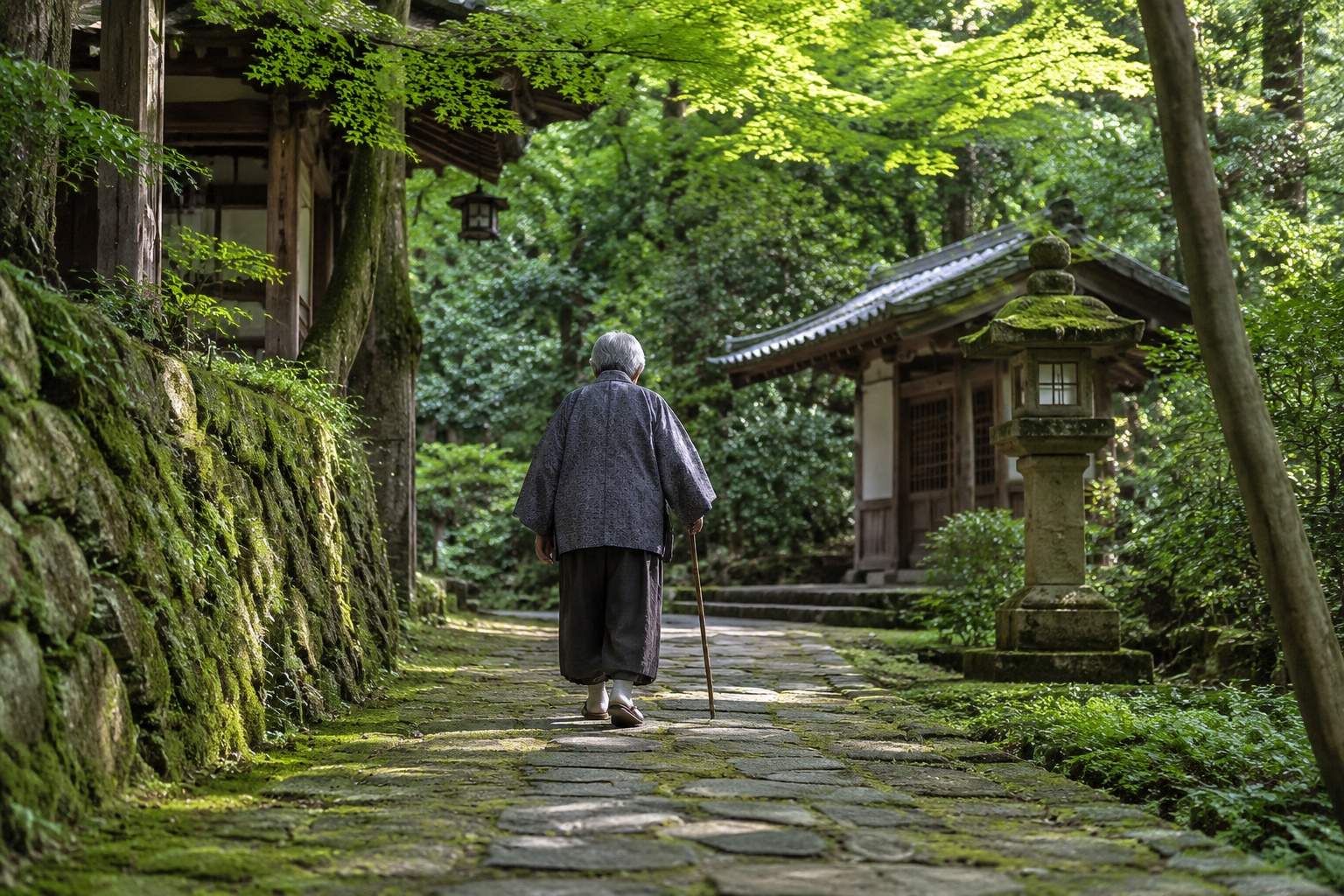
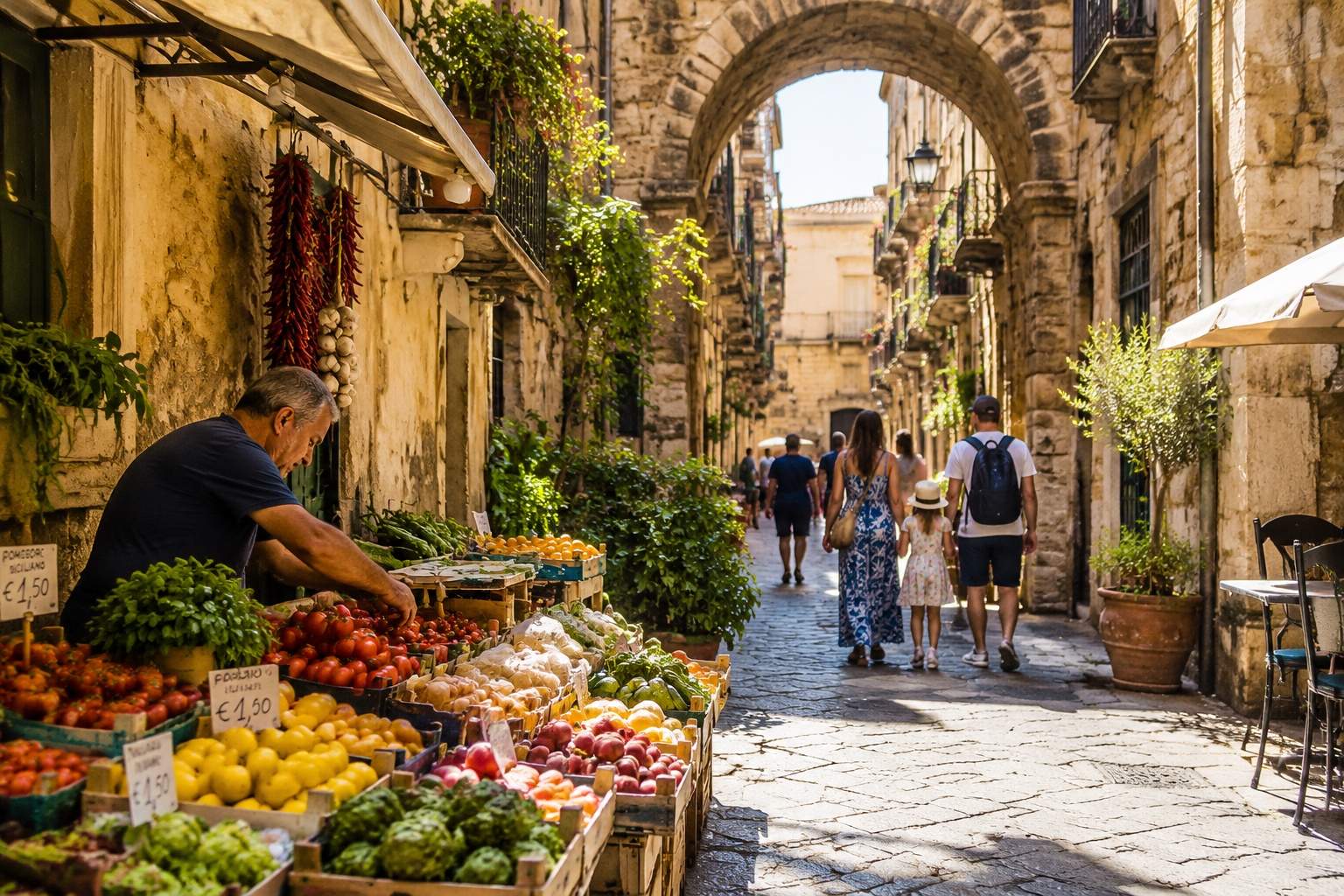
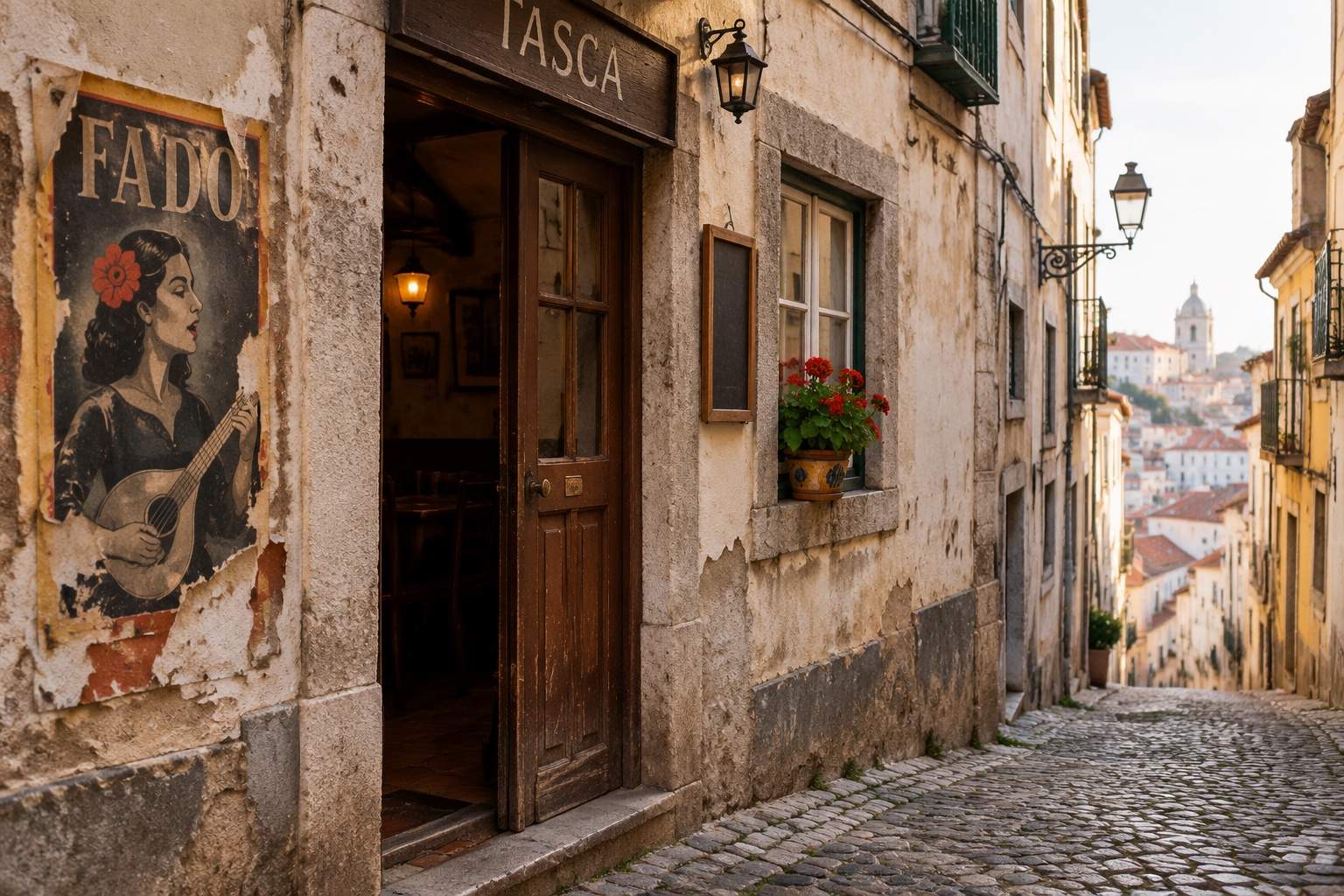
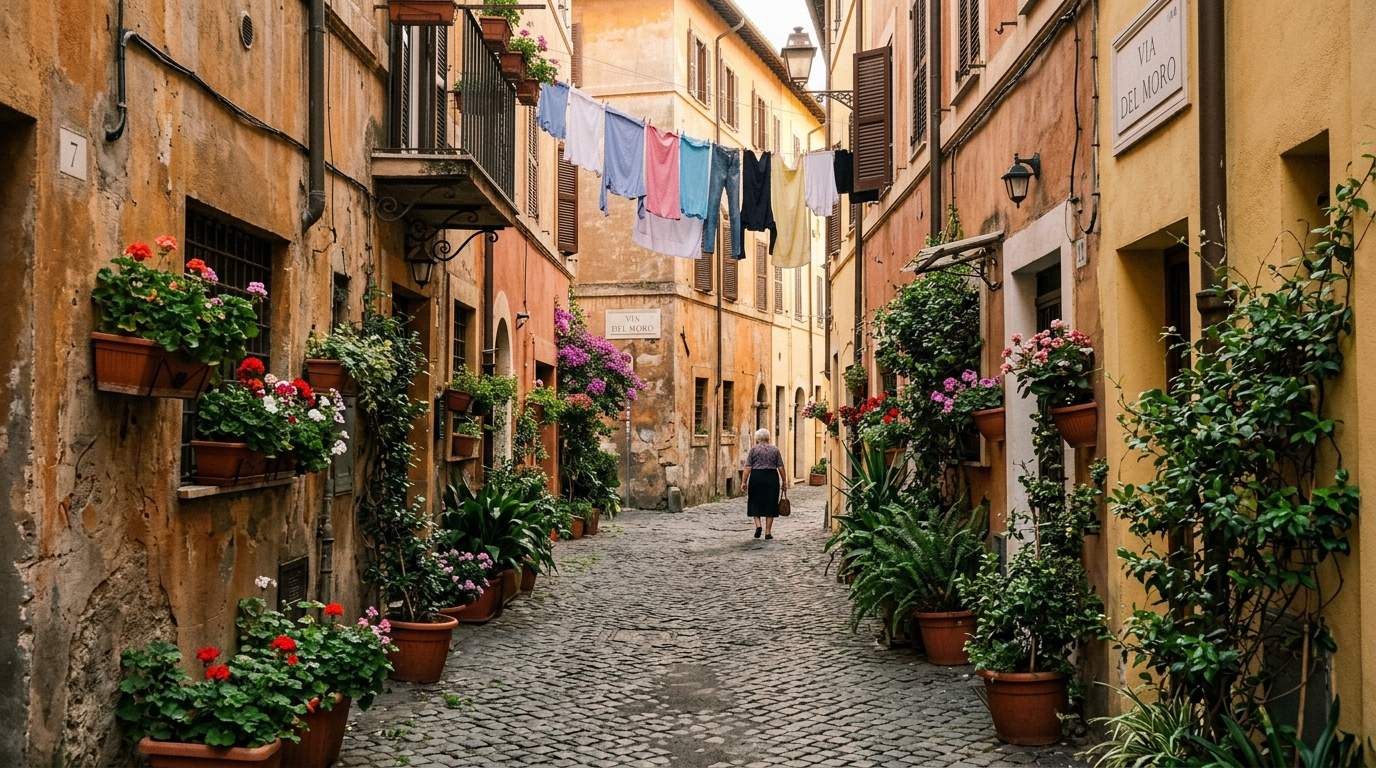
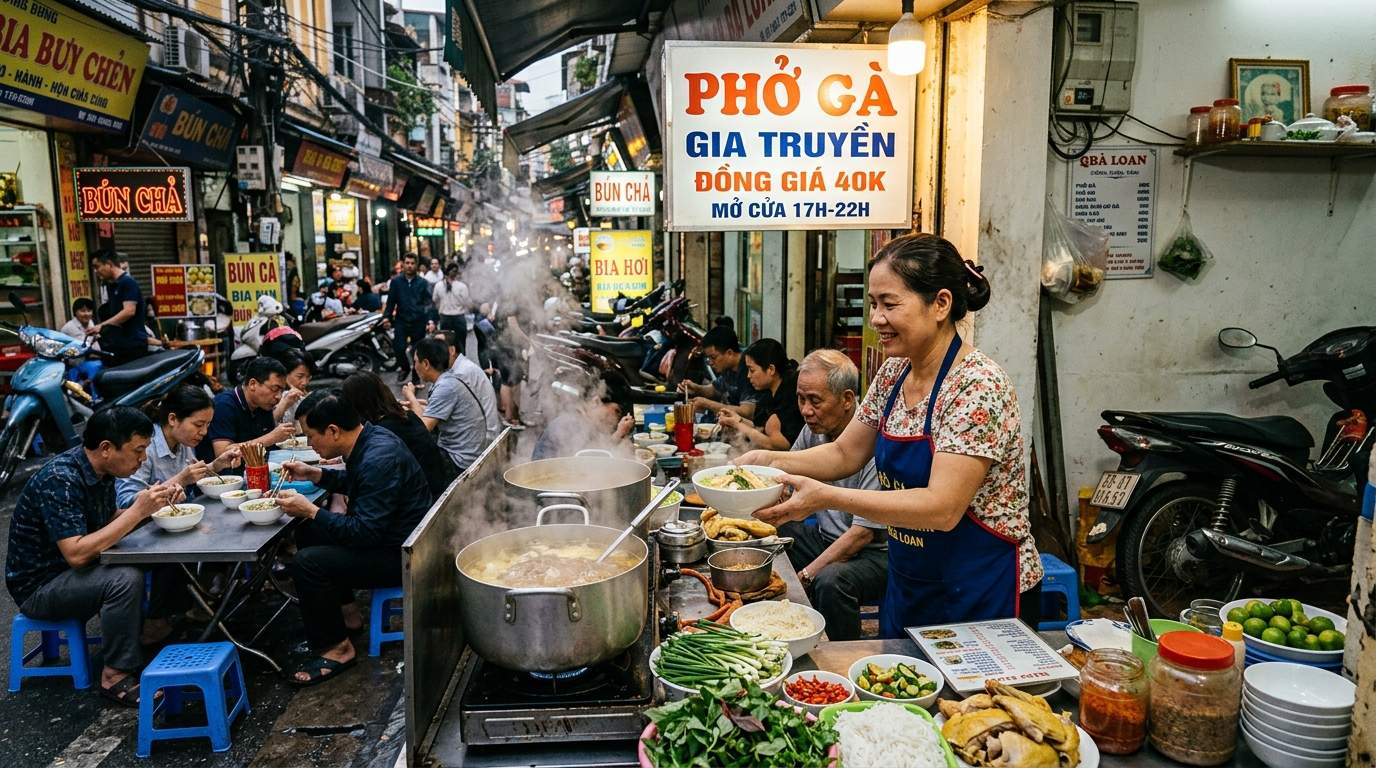
The morning mist still clung to the ancient wooden beams of the tiny ramen shop, a quiet hum the only soundtrack as my friend, Lena, and I slurped our steaming bowls, a world away from the selfie-stick frenzy that would soon descend upon Kyoto. "Seriously, this broth is a revelation," Lena whispered, her eyes wide. "No queue, no fuss. Remember that horror show at the Golden Pavilion yesterday?" I grinned, already plotting our next ‘reverse travel’ maneuver. This wasn't just a trip; it was a mission: to unlock Kyoto's true spirit, one undiscovered alleyway and budget-friendly bite at a time, proving you don't need to break the bank or elbow tourists for an authentic Japanese experience.
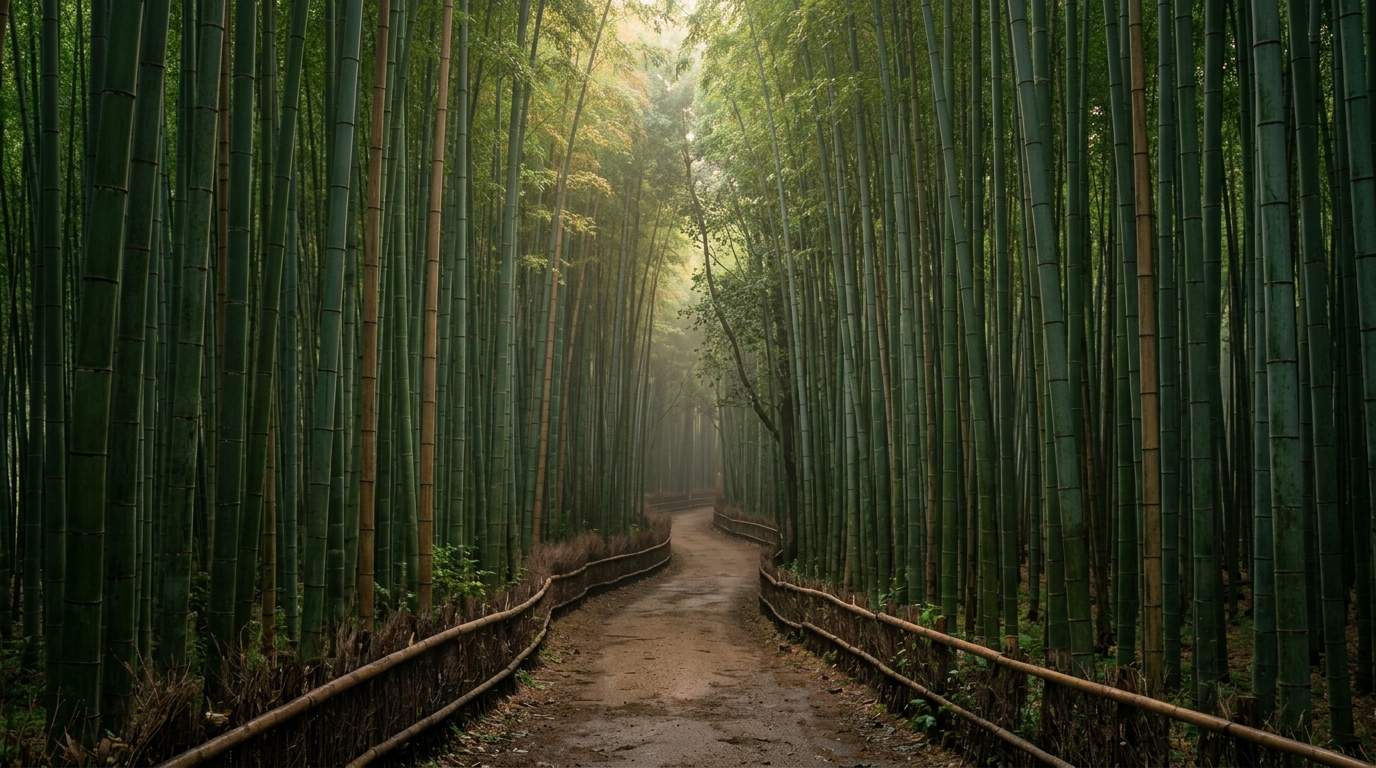
Forget everything you’ve read about the Arashiyama Bamboo Grove; it’s a stunning place, but by 9 AM, it transforms into an impenetrable wall of humanity. My trick? Set the alarm for an ungodly 5 AM. Yes, really. We stumbled out of our guesthouse, grabbed some convenience store rice balls (a godsend for early mornings), and caught the first train out. Arriving just as the first slivers of dawn painted the sky, we had the entire towering forest of green bamboo almost entirely to ourselves. The soft light filtering through the stalks, the gentle rustle of leaves – it wasn't just beautiful; it was profound. We walked the main path, then ventured onto a less-traveled side trail leading uphill, encountering only a handful of local photographers. Compare this to the sardine-can experience later in the day, when you’re literally shuffling along, unable to even see the bamboo for all the arms and phones. Going early saves you the aggravation, and honestly, the real Arashiyama experience is priceless.
While the Sagano Scenic Railway often gets hyped for its views, here’s the brutal truth: it’s often packed, overpriced (we saw tickets going for about ¥630 for a short, crowded ride), and the views, while pleasant, aren't necessarily better than a brisk walk along the Hozugawa River or exploring the quieter temple grounds nearby, like Tenryu-ji Temple (entry ¥500 for the garden only, a tranquil escape). We opted to save our yen and energy for more unique experiences.
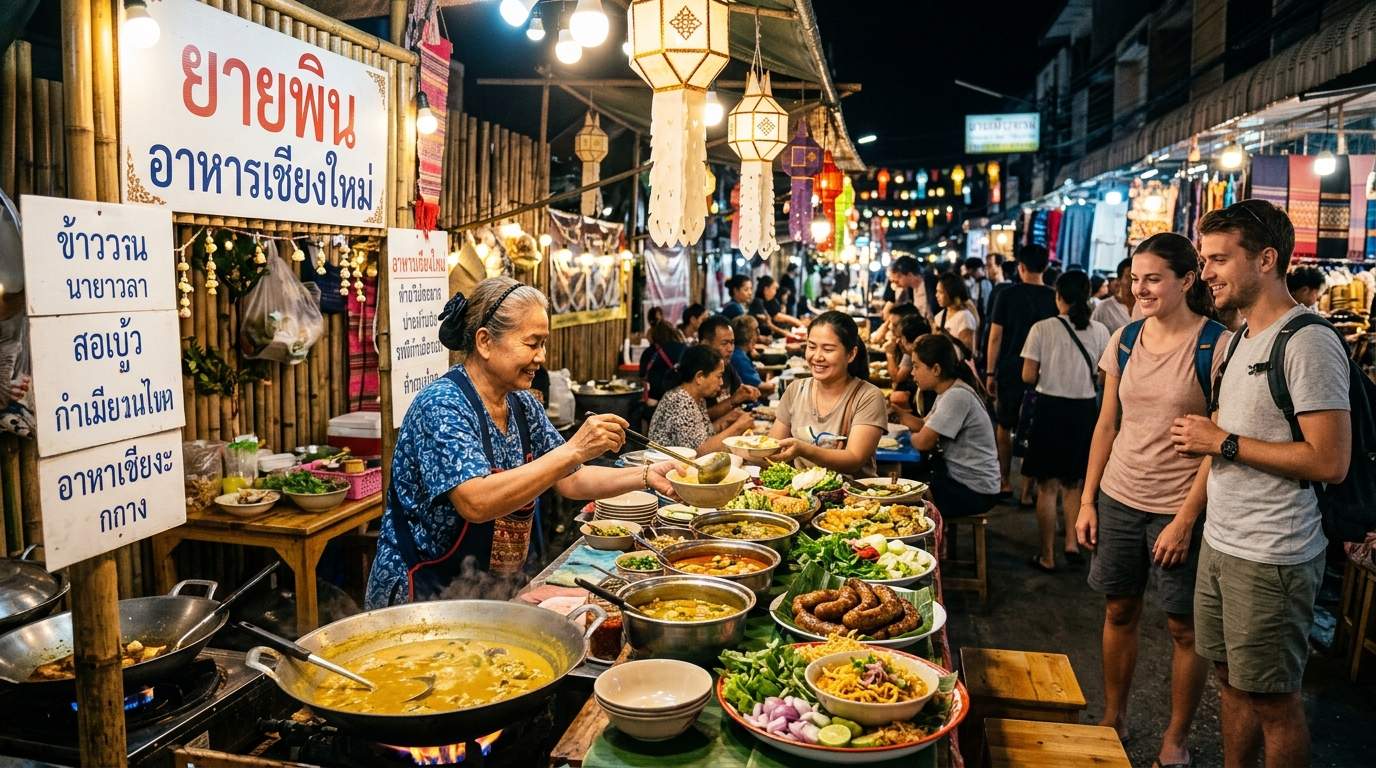
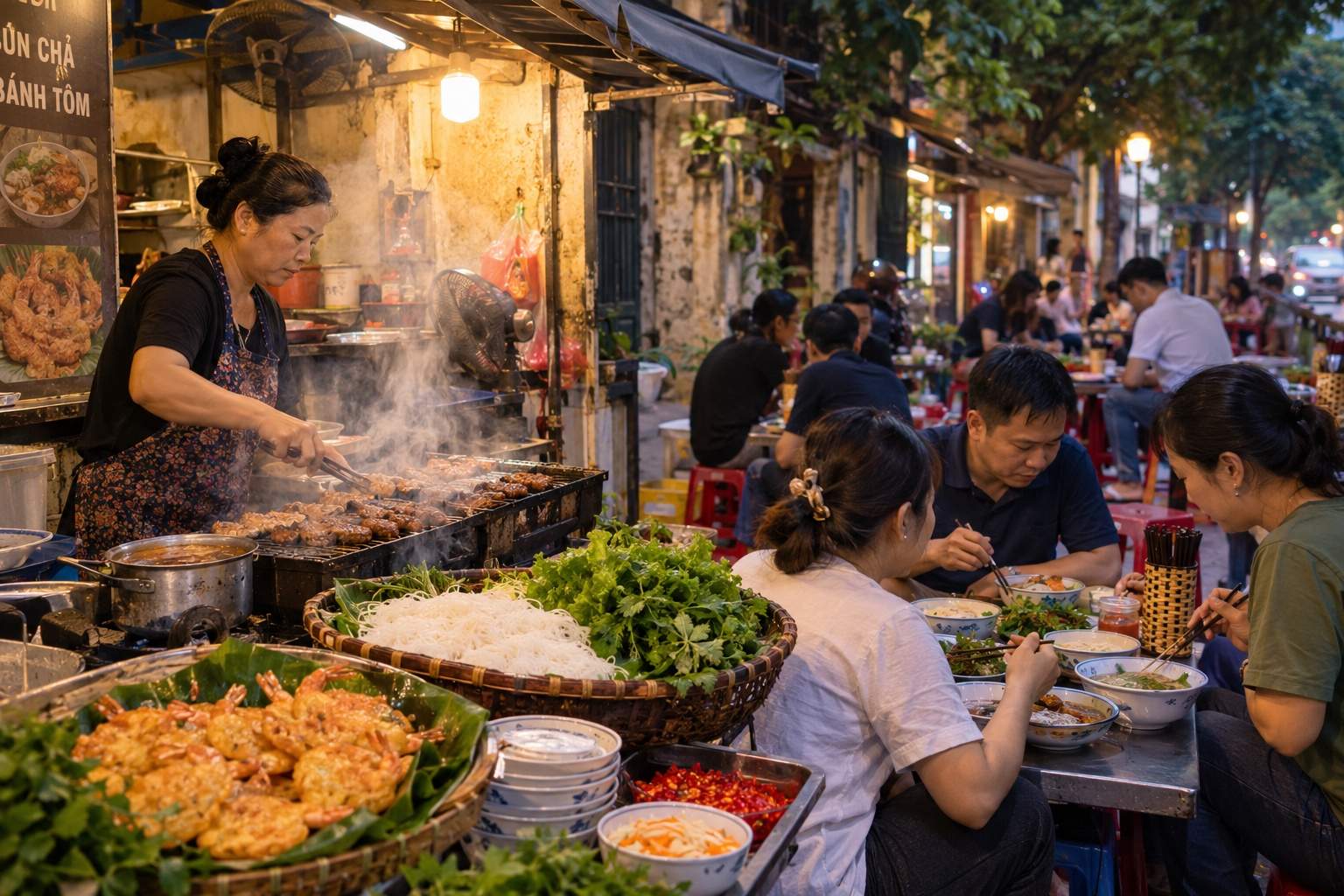
Eating well in Kyoto doesn't have to mean Michelin stars or paying exorbitant tourist prices. Our rule was simple: if there’s an English menu and a line of Westerners, we probably shouldn't be there. We gravitated towards tiny, unassuming eateries with handwritten signs and a crowd of locals. For example, a bowl of piping hot Kitsune Udon from a local hole-in-the-wall near our guesthouse cost us ¥500, compared to the ¥1200+ we saw at tourist-centric spots for a similar, if not inferior, bowl. The best part? The owner, a sweet old lady who spoke no English, beamed as we used our broken Japanese to order, a much more genuine interaction than any high-end restaurant could offer.
For budget-conscious travelers, Japanese supermarkets (like Fresco or Izumiya) and convenience stores (7-Eleven, FamilyMart, Lawson) are your best friends. After 6 PM, prepared foods like sushi, bento boxes, and fried chicken often go on discount. We’d grab a feast for two for under ¥1000 – a fraction of what a restaurant meal would cost. We’d take our haul to a quiet park or back to our guesthouse, enjoying surprisingly high-quality food. And don't even get me started on the egg salad sandwiches at 7-Eleven; they're a cult favorite for a reason!
Nishiki Market is a sensory overload in the best way, but it can also be a wallet-drainer. Avoid the tourist traps selling overpriced skewers and fancy souvenirs. Instead, look for stalls selling local pickles (tsukemono), fresh tofu products, and samples of regional sweets. We discovered an incredible mochi stall where three pieces cost ¥300, handmade and infinitely better than the pre-packaged ones, while a nearby shop was selling tiny, mediocre portions for ¥500 each. Always look for local queues – they usually point to the best quality-to-price ratio.
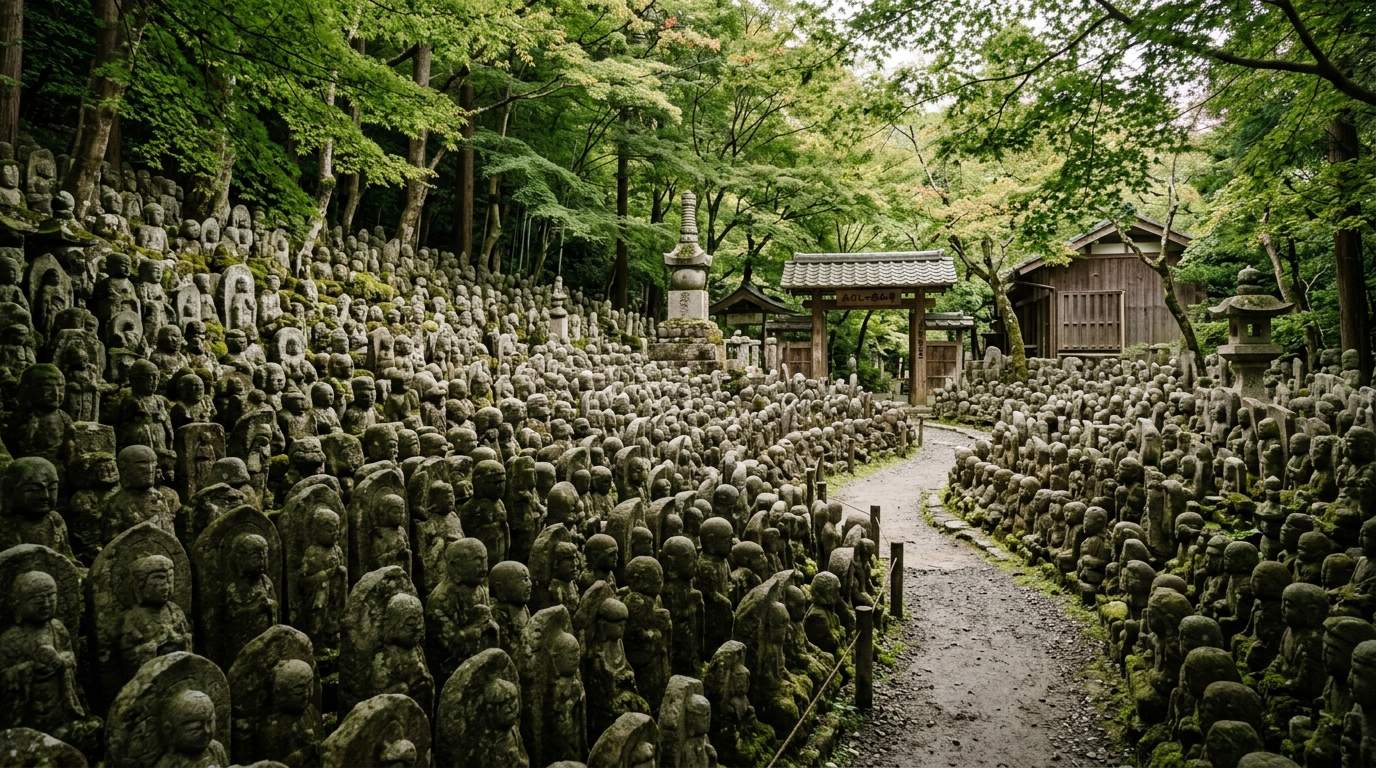
Fushimi Inari Shrine is iconic for its thousands of vermilion torii gates, and for good reason. But everyone stops at the main photo spots. We kept walking. And walking. Past the "Yotsutsuji" intersection, where most tourists turn back, the crowds thinned dramatically. The path becomes a proper mountain hike, winding through dense forest, past smaller, forgotten shrines and moss-covered stones. Lena and I chatted quietly, the only sounds the rustle of leaves and the distant chirping of birds. We saw only a handful of other hikers, mostly locals, and the air felt different—purer, imbued with a sense of ancient mystery. This "secret path" leads to the summit, providing panoramic views of Kyoto that most visitors never experience, and the entire spiritual journey is absolutely free.
While Kyoto boasts hundreds of temples, some of our most cherished memories came from places rarely found on typical tourist itineraries, offering deep cultural value without the crowds or hefty price tags.
For a mere ¥200 entry fee (yes, two hundred yen!), the Kyoto Botanical Garden is an expansive, beautifully maintained oasis. We visited in late autumn when the maples were ablaze with color, a stunning display far less crowded than the famous (and much more expensive) Eikando Temple. We spent hours wandering through diverse landscapes, from traditional Japanese gardens to rose gardens and a massive conservatory. It's a fantastic spot for a quiet afternoon, a picnic, or simply to decompress from the urban buzz, offering a tranquil beauty that changes wonderfully with the seasons.
Everyone flocks to Gion in the evening, hoping to spot a geisha. While we did catch a fleeting glimpse one night (a magical, almost accidental encounter), our most memorable Gion experience was actually at dawn. We walked the cobbled lanes of Hanamikoji-dori and its surrounding alleys just as the city was waking up. The empty streets, the closed teahouses, the soft light illuminating the traditional architecture – it felt like stepping back in time. It's completely free, and the quiet contemplation offers a far more authentic appreciation for the district's historical charm than jostling with evening crowds.
Kyoto can be notoriously expensive, but smart planning turns it into an incredibly affordable destination. Public transport, for instance, is often a pitfall. While a daily bus pass (around ¥700) seems convenient, we found ourselves walking almost everywhere. Kyoto is incredibly walkable, and you uncover so much more on foot. For longer distances, a prepaid IC card (like an ICOCA card) is ideal, allowing seamless travel on trains and buses without fumbling for cash, usually costing less than individual tickets if you’re only taking a few rides a day.
Accommodation is another major area for savings. We opted for a traditional guesthouse (a refurbished machiya) slightly outside the immediate city center, which saved us about 30% compared to equivalent central options, and gave us a glimpse into local residential life. Prices per night were around ¥4500-¥6000 per person, far less than typical hotel rates. Always check local supermarkets for discount timings, typically after 6 PM, for fresh bento boxes and sushi, dramatically cutting down food costs. And skip the overpriced souvenir shops near major attractions; seek out local craft stores or even 100-yen shops for charming, practical, and authentic mementos.
Our trip to Kyoto proved that with a little intention and a lot of early mornings, you can experience its heart and soul without getting lost in the throngs or emptying your wallet. It's about seeing beyond the postcards and chasing the quiet moments, the local flavors, and the paths less traveled.