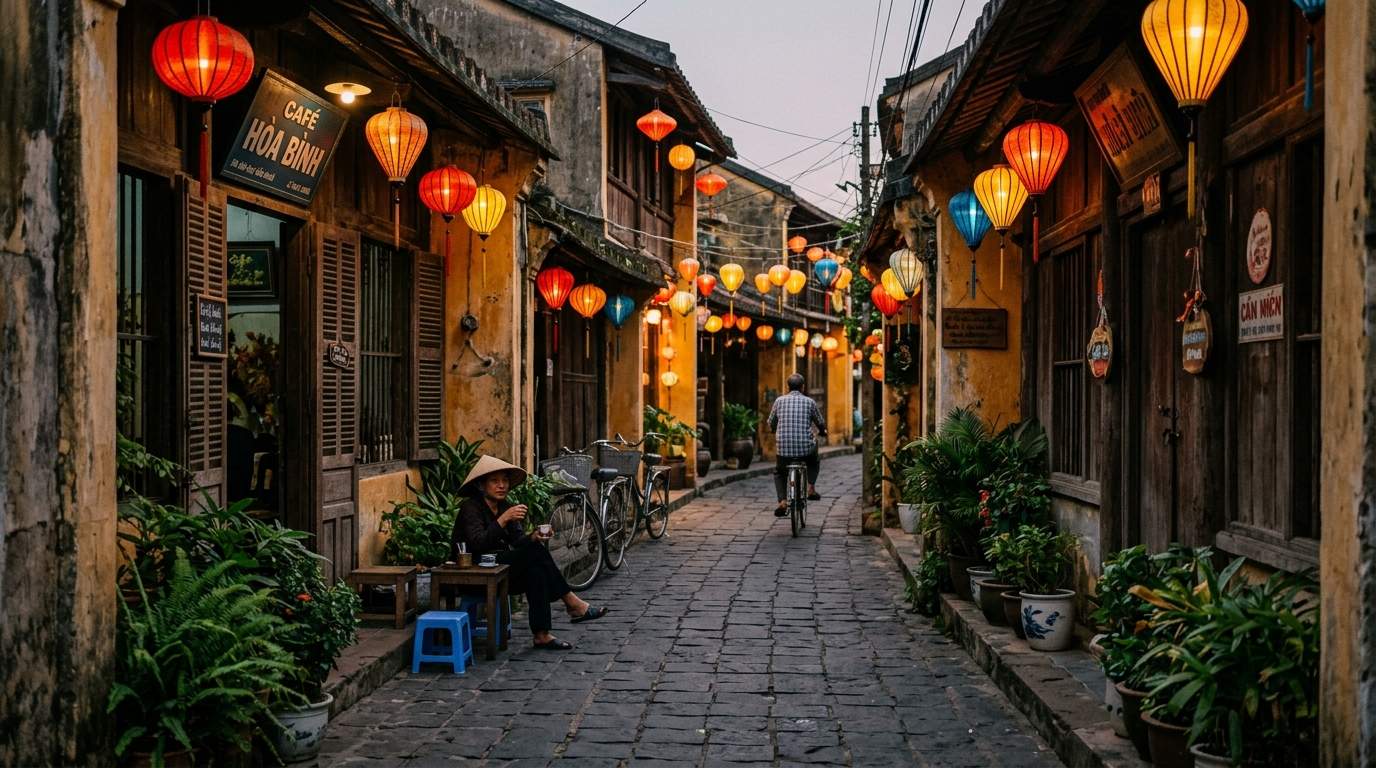
The late afternoon sun in Hoi An painted the ancient facades in hues of aged gold, but it was the quiet hum of a tiny coffee shop, tucked down an alley so narrow I almost missed it, that truly caught me. The scent of robust Vietnamese coffee mingled with the faint aroma of incense from a nearby temple. Here, away from the roaring crowds clamoring for the perfect lantern selfie on the main bridge, I found a moment of genuine calm. My friend, Leo, was already perched on a ridiculously low plastic stool, his eyes scanning the street, "Told you this was the spot," he grinned, gesturing to the steaming cup placed before me. Most folks rush in, snap their pics, and declare Hoi An 'done,' but if you’re like us – eager to peel back the layers and avoid sacrificing your wallet for a postcard view – then lean in, because the real magic, and the real bargains, are hiding in plain sight.
Navigating the Lantern-Lit Maze: Beyond the Instagram Filter
Hoi An's Ancient Town, with its UNESCO-listed charms, can feel less like a timeless wonder and more like a carefully curated theme park if you're not savvy. Our first stroll through the main thoroughfares felt like a synchronized dodgeball game, avoiding selfie sticks and guided tour groups. Every shop front pulsed with "authentic" souvenirs, often with "authentic" tourist prices. We quickly learned that the vibrant riverside, while undeniably picturesque after dusk, was also where your dong would mysteriously vanish faster than a magician’s rabbit. The key? Embrace the side streets. Just a block or two removed from the bustling Thu Bon River, the prices for a bottle of water plummeted from 20,000 VND to a reasonable 8,000 VND, and you could actually hear yourself think. We spent an entire afternoon simply wandering the narrower lanes, discovering small art galleries and quiet courtyards that offered a glimpse into a life less filtered, and thankfully, less monetized.
The Culinary Compass: Eating Like a Local (Without the Tourist Tax)
Street Food Stalls vs. Riverside Restaurants: The Real Deal
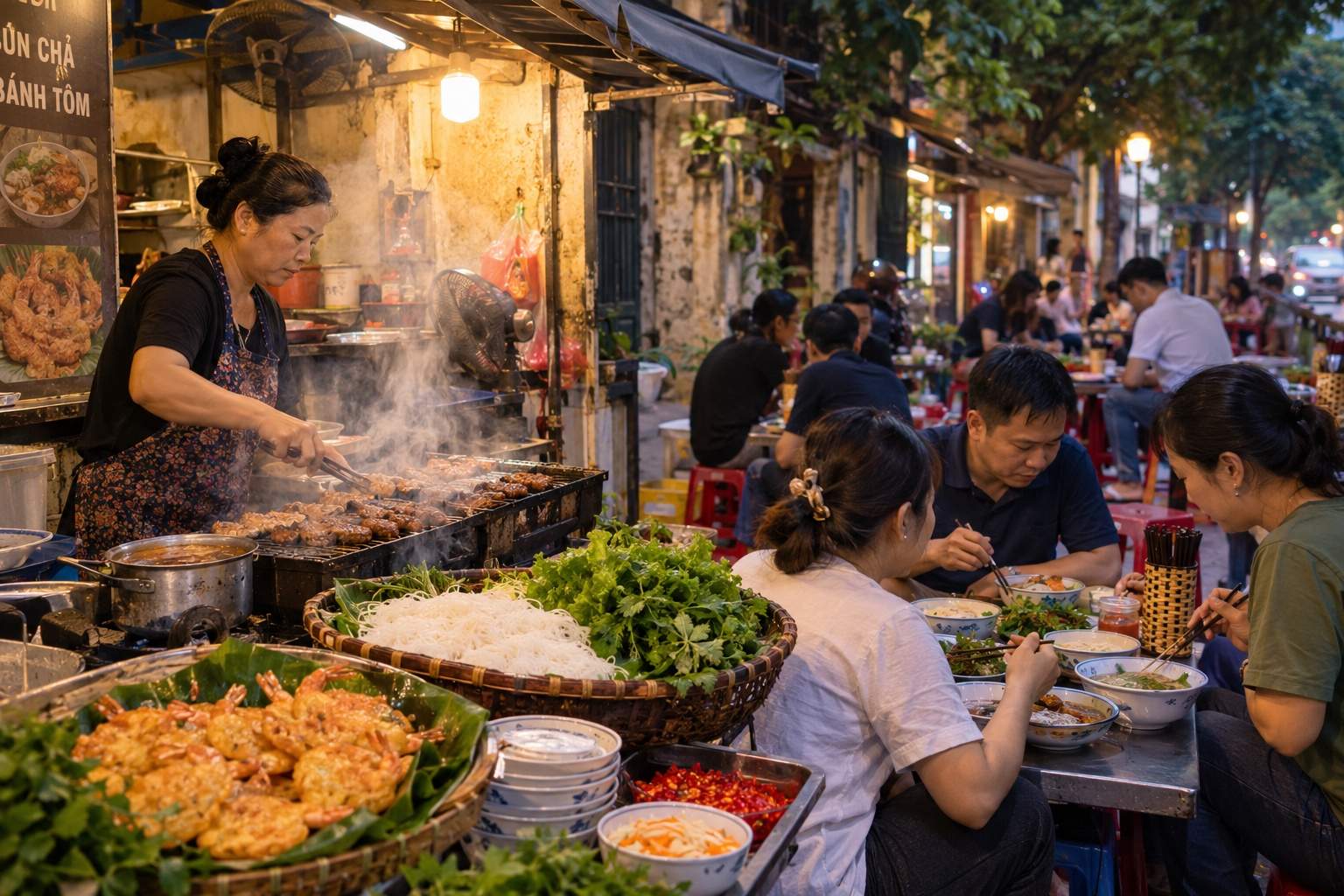
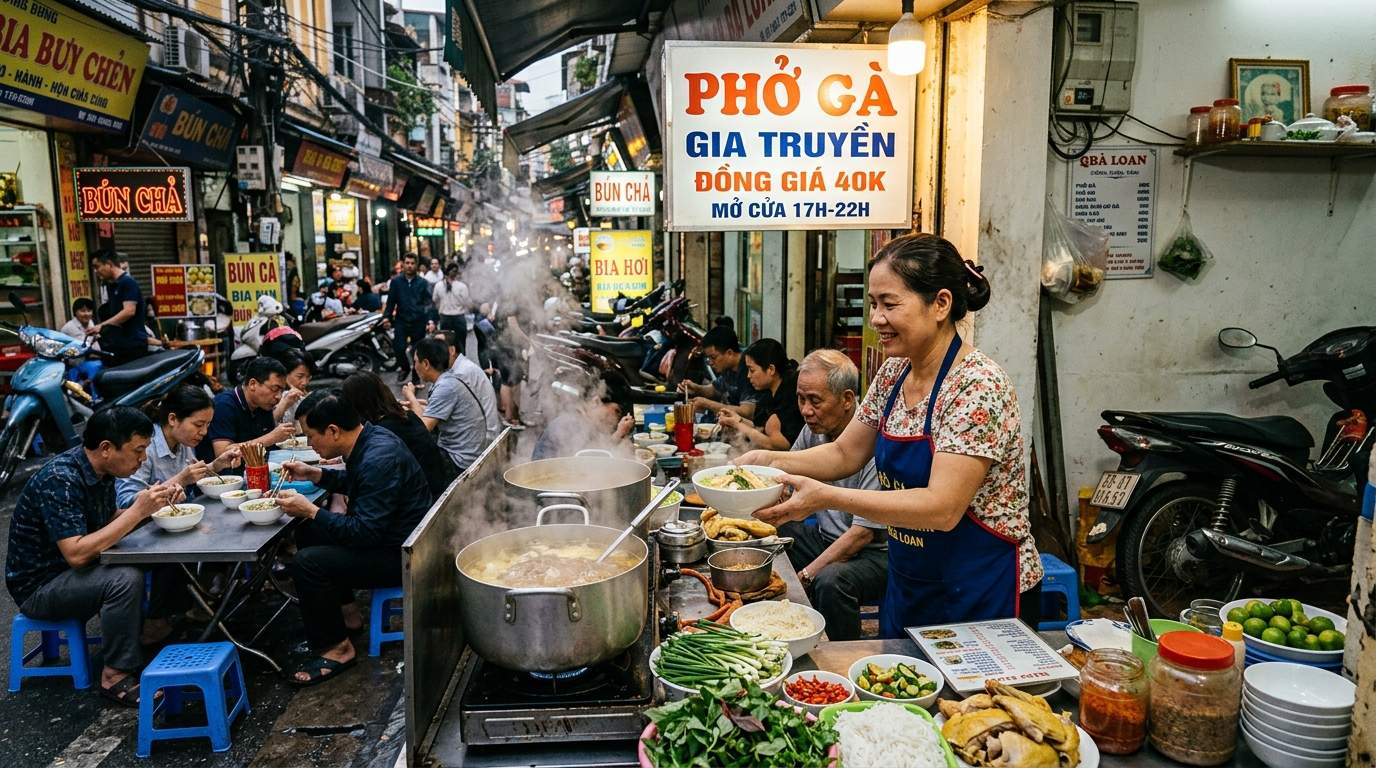
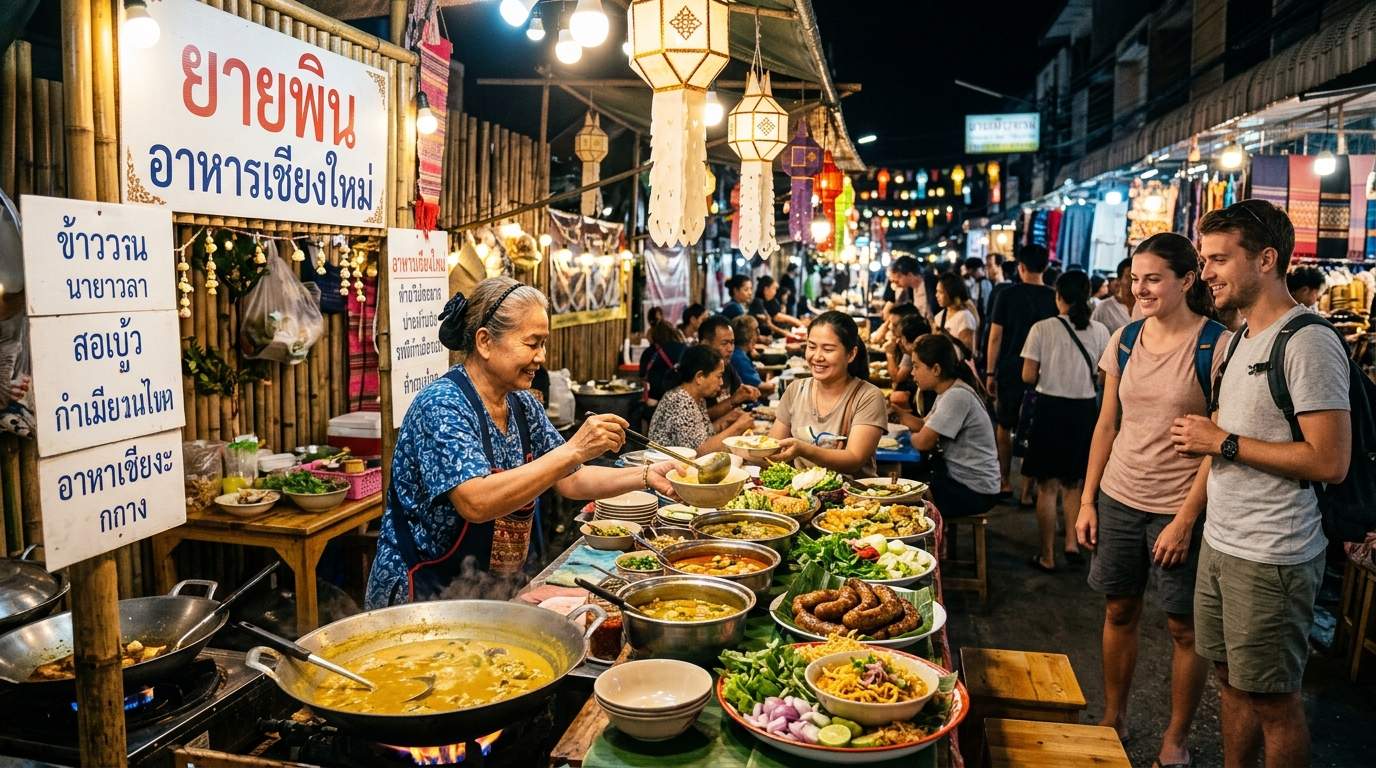
Let's talk food, because that’s where many travelers accidentally perform self-inflicted financial wounds. Riverside restaurants, with their ambient lighting and English menus, often charge three or four times what you'd pay for the exact same dish just meters away. Our first night, we eyed a plate of Cao Lau – Hoi An's signature noodle dish – at a fancy spot for 120,000 VND. "Absolutely not," Leo declared. We then found a weathered street vendor a few blocks away, tucked under a tarp with only two wobbly tables. Her Cao Lau was sublime, rich with pork and crunchy greens, and cost a mere 30,000 VND. She even chatted with us, laughing as we fumbled with chopsticks, asking where we were from. That’s the real Hoi An experience, not the one where you’re paying for the view of other tourists. Another morning, we scored legendary Banh Mi Phuong – a well-known spot, yes, but still incredibly local-priced – for 25,000 VND each. It was a symphony of textures and flavors that made every sandwich I’d ever eaten back home feel like a cardboard cutout.
Morning Markets: Your Wallet's Best Friend
If you truly want to eat like a king on a pauper's budget, hit the Hoi An Central Market early. Forget the souvenir stalls; head straight for the food section. Here, local women dish out fresh spring rolls, steaming bowls of Pho, and exotic fruit for pennies. We’d grab a bag of ripe mangoes (15,000 VND!), some freshly squeezed sugarcane juice (10,000 VND), and a plate of 'Banh Beo' (steamed rice cakes, 20,000 VND for a plate) for breakfast. It’s loud, it’s chaotic, and it’s gloriously authentic. You’re not just eating; you’re witnessing the daily rhythm of the town, and believe me, your taste buds and your bank account will thank you.
Beyond the Ancient Walls: Hoi An's Untouched Charms
The Ancient Town is postcard-perfect, but Hoi An's true spirit thrives in its periphery. Renting bicycles (usually 20,000-30,000 VND per day) was the best investment we made.
Pedal to Paradise: Tra Que Vegetable Village & Rice Paddies
Instead of joining an organized tour to Tra Que Vegetable Village, we just cycled there ourselves. The route itself, winding through emerald rice paddies with water buffalo grazing lazily, was an adventure. We’d stop to chat (mostly with hand gestures and smiles) with farmers, inhaling the sweet, earthy smell of the fields. At Tra Que, you can simply wander the fragrant rows, observing the traditional farming methods. We even stumbled upon a small, family-run cooking class, impromptu, not advertised online. For a fraction of the price of the big tour groups, we spent an afternoon learning to roll fresh spring rolls and make a simple peanut sauce, fueled by iced tea and genuine hospitality.
An Bang Beach: Finding Your Own Slice of Serenity
Everyone goes to An Bang Beach, but not everyone knows where to go. The main strip is lined with resorts and crowded beach bars. Cycle further north, past the main access points, and you'll find quieter stretches where locals gather. We discovered a tiny shack serving fresh grilled seafood and cold Beer Larue. The owner, a weathered old man named Ông Tám, insisted we try his grilled squid. It was ridiculously tender, smoky, and cost half of what the fancy places were charging. We spent a blissful afternoon lounging on borrowed plastic chairs, the only sounds being the gentle waves and the occasional clink of bottles.
Tailor-Made Truths: Stitching Up Savings & Style
Hoi An is famous for its tailors, promising bespoke clothing in 24 hours. And while you can get a fantastic deal, you can also get fleeced. Leo, a notoriously cheap shopper, was convinced he could get a custom-made linen suit for a steal. We visited a few shops. The super-friendly, English-speaking staff at the high-street places quoted him upwards of $200. "Too slick," he murmured. We eventually found a smaller, less flashy place down a quieter lane, recommended by a local coffee shop owner. After some polite but firm bargaining – and insisting on seeing fabric swatches from their actual supplier, not just a glossy book – Leo walked away with a beautifully tailored linen suit for $110, including two fittings and express delivery to our hotel. The trick? Don’t rush. Don’t be afraid to walk away. And always, always negotiate the price down by at least 20-30%. Your patience, and refusal to be charmed into paying tourist premiums, will pay off handsomely.
Reverse Travel Rhapsody: Timing Your Hoi An Escape
When to visit Hoi An? Everyone says "dry season for perfect weather!" But "perfect weather" often translates to "peak crowds and peak prices." We opted for the tail end of the rainy season (early February), just as the sporadic showers gave way to consistent sunshine. The ancient town was still busy, but noticeably less suffocating than the mid-summer peak. Plus, the rain-washed streets and slightly cooler air gave everything a fresh, vibrant feel. Traffic inside the Ancient Town is largely pedestrianized or bicycle-only, so weather impacts your comfort more than anything. Remember, the true joy of Hoi An isn’t in seeing it under a specific sky, but in experiencing its rhythm. Going a little against the grain, avoiding major public holidays, and even opting for early mornings or late evenings for your strolls will transform your trip from a crowd-squeezing exercise to a soulful exploration.
Hoi An is undoubtedly a gem, but it's a gem that demands a discerning eye and a street-smart approach. Go beyond the obvious, engage with the locals, and always haggle with a smile. You’ll leave with incredible memories, fantastic stories, and a wallet that’s surprisingly thicker than you'd expect after a trip to such a celebrated destination.