Regret Kyoto? This 'Anti-Crowd' Blueprint Unlocks Japan's Soul, Not Your Wallet.
- Quick Tags: Kyoto travel guide, Japan budget travel, Niche Kyoto attractions, Authentic Japan experiences
- Editor: Chloe Jones
- Updated: Jul,24,2026
- Views: 321.8k









The crisp Kyoto air, usually thick with the murmur of a thousand tongues and the click of countless camera shutters, was, for a precious moment, just mine. I leaned against a weathered wooden post in a forgotten corner of Gion, a lone street artist sketching quietly across the narrow alley. Most tourists were probably battling selfie-stick gladiators at Kiyomizu-dera or getting elbowed trying to photograph a geisha's fleeting silhouette. But here, the only battle was between my inner peace and the undeniable urge to shout, "This is how you do Kyoto!" A secret, a whisper, a perfectly brewed cup of tea in a city often swallowed by its own fame – this, my friends, is the Kyoto you actually want.
Everyone raves about Kyoto in autumn, and for good reason: the foliage is a fiery spectacle. But "spectacle" often translates to "human bottleneck." My trick? Embrace the shoulder season's tail end or go full "reverse travel" during peak times. Imagine trading elbow-to-elbow photos for contemplative strolls. It's not about avoiding beauty; it's about finding the beauty without the chaos, often for free or a fraction of the cost.
Fushimi Inari Taisha, with its iconic orange torii gates, is on every Kyoto bucket list. And sure, it's stunning. But if you visit at 10 AM, you're not visiting Fushimi Inari; you're joining a very slow, very crowded parade. My tip? Set your alarm for 5 AM. Yes, 5 AM. The only souls you'll encounter are a few dedicated photographers and the local deer. The gates, glowing under the pre-dawn light, stretch into the quiet mountain air, an endless tunnel of spiritual serenity. Watching the sunrise paint the valley from a quiet viewpoint halfway up the mountain? Priceless. Literally. Because it's free. Compare that to the mid-day jostle, where you're paying with your sanity for a photo of someone else's back. The bus ride there was practically empty, a stark contrast to the sardine-can experience later in the day.
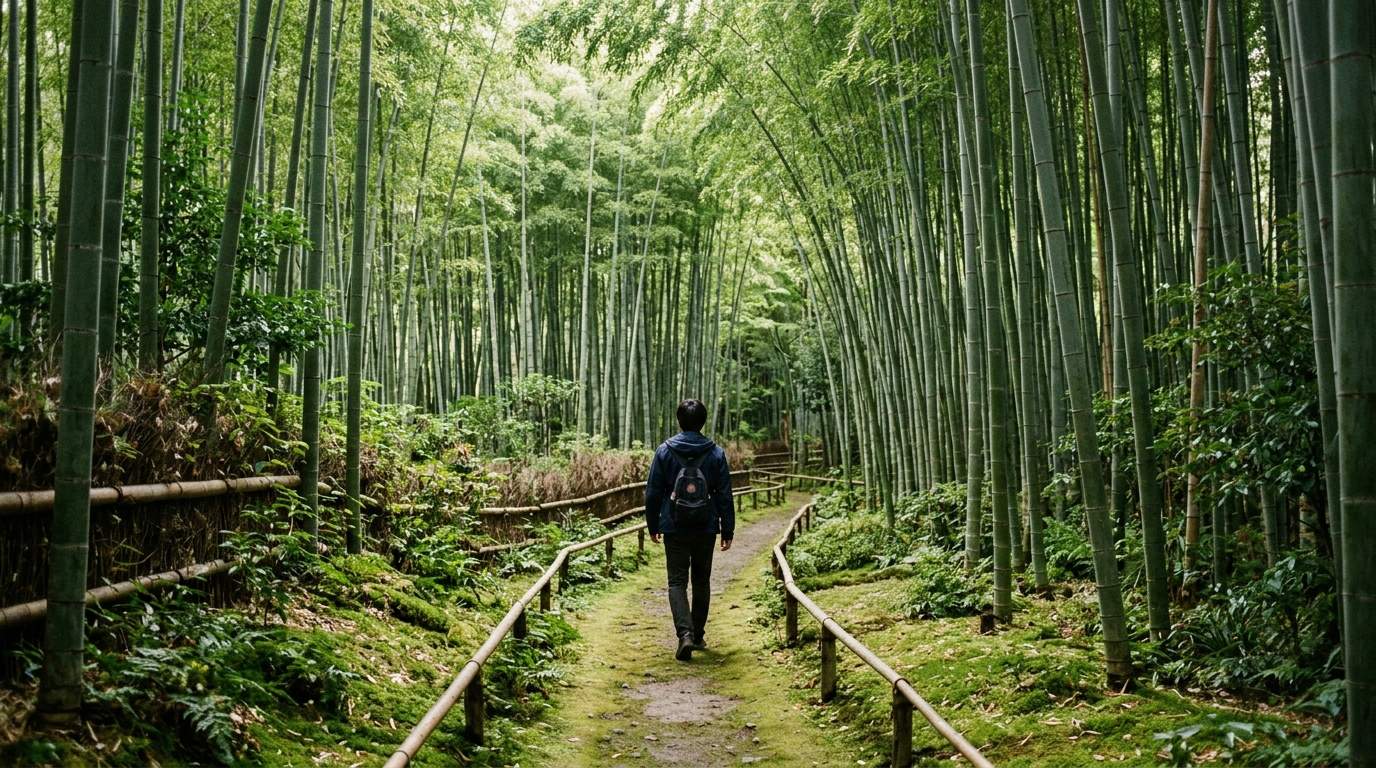
Another postcard favourite: Arashiyama Bamboo Grove. Again, midday is a tourist tsunami. But have you tried going after sunset? The bamboo stalks, lit by subtle ground lights, create an ethereal, almost otherworldly experience. The rustle of the leaves in the evening breeze feels like a secret whispered just to you. Plus, the path leading up to it, often blocked by rickshaws during the day, is clear. Or, if you're a morning person, venture past the main grove to the smaller, less manicured trails behind Tenryu-ji temple. You'll find yourself amidst farmers working their fields, the true rhythm of rural Kyoto, a world away from the selfie-stick choreography. The simple pleasure of listening to the bamboo creak was the only entry fee I paid.
Kyoto food can be pricey if you stick to the tourist traps around major temples. But the real magic, and the real savings, happens where the locals eat. Forget those fancy "traditional Kyoto cuisine" restaurants that charge an arm and a leg for a sliver of tofu. We're talking street food, small family-run eateries, and grocery store gems.
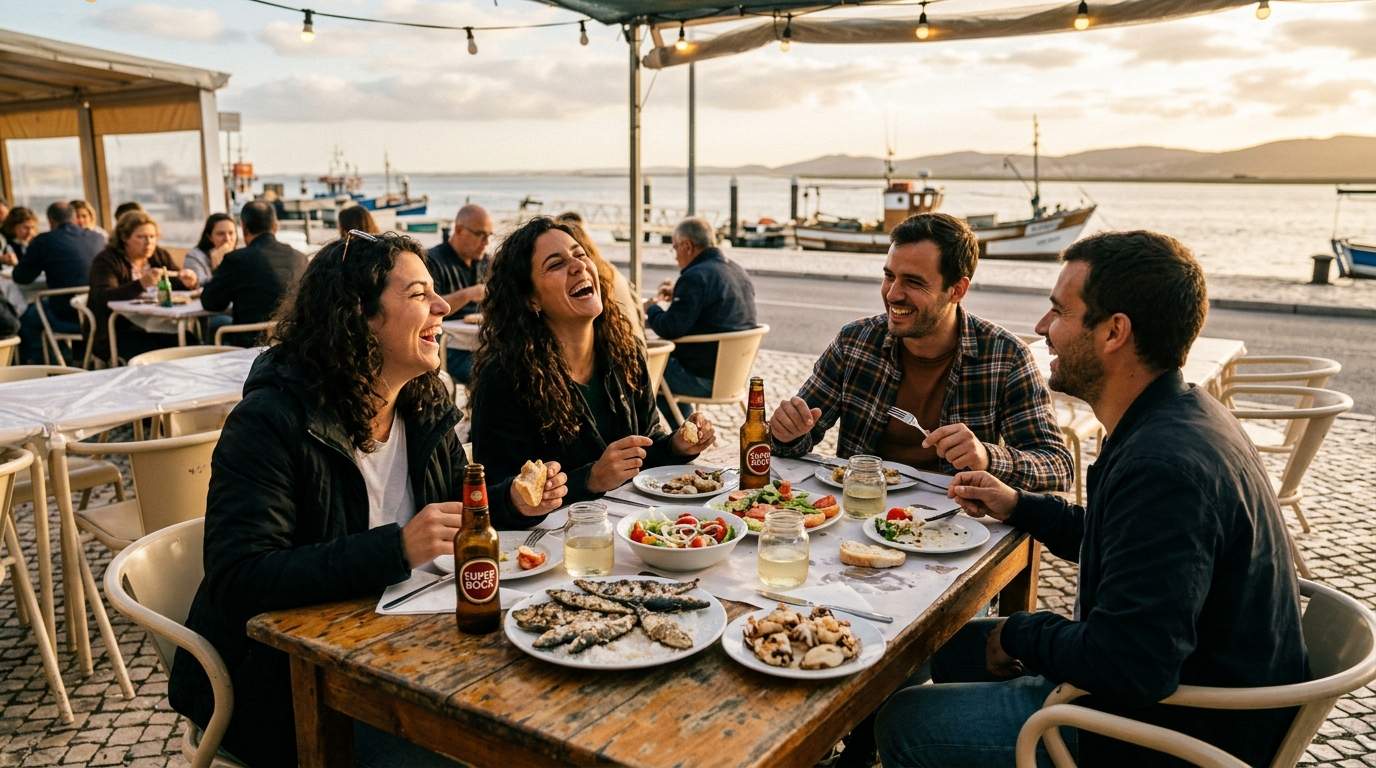
Nishiki Market is famous, and yes, it's a sensory overload of deliciousness. But it can also be a wallet-drainer if you're not careful. "Hello, tourist price!" one stall owner practically sang to my friend who asked for a sample. My strategy? Graze. Grab a few small bites – a skewer of grilled mochi, some incredible pickled vegetables, a freshly fried croquette. But for a real meal, step a block or two off the main drag. I stumbled upon a tiny udon shop where a cheerful obaasan (grandmother) served the most comforting Kitsune Udon for about 600 yen (less than $5 USD). She laughed when I tried to order in my broken Japanese, then shared stories about her grandkids. Compare that to the 2000-yen bowl of ramen I saw advertised near Kyoto Station, designed purely for the fleeting tourist buck. Even better, hit up a local supermarket in the evening for incredible discounts on pre-made bento boxes. Dinner for two for under 1000 yen? Absolutely.
While everyone else is queueing for hours at Kinkaku-ji (the Golden Pavilion), Kyoto offers a myriad of smaller, often free or low-cost temples and gardens that provide a deeper, more personal connection to its spiritual heart. These are the places where silence is golden, not the building.
North of the city center lies Daitoku-ji, a sprawling complex of Zen temples, many of which are rarely visited by tourists. While some require a small entry fee (usually 400-600 yen), the tranquility is unparalleled. Koto-in, with its stunning moss garden and bamboo grove, offered a profound sense of peace. I sat there for an hour, watching the light shift through the leaves, listening to nothing but the distant drone of cicadas. No crowds, no guides shouting facts, just pure, unadulterated Zen. It’s the kind of place that rejuvenates your soul far more than fighting for a photo op at a crowded landmark. The feeling of the cool, polished wood under my palms as I gazed into the garden was a memory I still carry.
The Philosopher's Path is lovely, especially when the cherry blossoms are out (and the crowds are biblical). My recommendation? Go in late autumn, when the leaves have mostly fallen, revealing the skeletal beauty of the trees and the quiet flow of the canal. Better yet, divert. Instead of sticking to the main path, wander into the tiny side streets and find the unassuming temples like Honen-in or Anraku-ji. These are often free or have a minimal donation box, and offer exquisite gardens and a sense of quietude that feels almost scandalous in such a popular city. I even found a small, independent pottery shop where the artisan was throwing clay, humming to himself – a scene you'd never witness amidst the bustling souvenir stalls near Kiyomizu-dera.
Getting around Kyoto can be confusing, but don't fall for the over-priced tourist passes if you're keen on cost performance. For my week-long stay, I mostly relied on a rechargeable IC card (like Suica or Icoca) and my own two feet. Buses are efficient, but walking allows for spontaneous discoveries. A local told me, "You see more when you walk. Your feet lead you to the secrets." He wasn't wrong.
For accommodation, while lavish ryokans are tempting, look into guesthouses or smaller boutique hotels slightly outside the main tourist drag. I found a charming guesthouse near Demachiyanagi Station for a fraction of the price of similar places closer to Gion, and it offered a taste of local neighbourhood life. The owner gave me fantastic restaurant recommendations that weren't in any guidebook, reinforcing the local-vs-tourist pricing difference. He pointed me to a ramen shop where a bowl cost 800 yen and tasted like pure bliss, contrasting sharply with the 1500-yen bowls advertised at tourist traps. During the milder autumn days, I even rented a city bike for a day (about 1000 yen) to explore the Kamogawa River path and head up to Daitoku-ji, avoiding bus fares entirely and experiencing the city with the wind in my hair.
Embrace the unexpected, trust local wisdom, and be willing to walk an extra block or wake up before the sun. That's the real blueprint for experiencing Kyoto's profound beauty and cultural richness without succumbing to the tourist circus or draining your bank account.