Announce: Kyoto's Crowds Are OVER. Found Peace & Free Views (Seriously).
- Quick Tags: Kyoto off the beaten path, Budget travel Kyoto, Japan reverse tourism, Niche Kyoto experiences
- Editor: Chloe Jones
- Updated: Jul,19,2026
- Views: 318.7k









Sunlight dappled through ancient cypress trees, painting shifting patterns on the moss-covered stones. A lone monk swept fallen leaves in a rhythmic, almost hypnotic motion, his presence a living meditation. The air, crisp with the scent of pine and old wood, held only the whisper of the breeze. This wasn't the Kyoto you've seen plastered across Instagram feeds, battling selfie sticks at Kiyomizu-dera or elbowing through the endless torii gates of Fushimi Inari-taisha. This, my friends, was a different Kyoto entirely – one we stumbled upon (quite deliberately, I might add, with a dash of strategic planning and a pinch of stubborn anti-mainstream sentiment) by taking a hard left where everyone else was taking a right. And guess what? It cost us next to nothing.
Forget the carefully curated, often ridiculously overpriced "authentic experiences" peddled to tourists. Our approach to Kyoto was a full-throttle embrace of "reverse travel." While most flock to the big-name temples in midday, enduring long queues and sacrificing serenity for a fleeting photo op, we were already enjoying our second cup of matcha in a quiet garden, having arrived just as the first rays of dawn kissed the temple roofs. The goal wasn't just to save a few yen, but to actually feel Kyoto, not just observe it through a crowd of iPhone screens. The irony isn't lost on me that the more expensive something is, the less authentic it often feels in major tourist hubs. So, we went rogue.
Let's talk brass tacks. A typical entry fee for a popular temple can run you 500-1000 yen (approx. $3.50-$7 USD). Multiply that by several temples over a few days, and you're funding quite the local economy – not necessarily in a bad way, but also not the most budget-friendly for a traveler seeking ultimate cost performance. We found that many smaller, equally stunning temple complexes, like parts of the sprawling Daitoku-ji precinct, offer free entry to their grounds. Wandering through its various sub-temples, each with unique Zen gardens and architecture, felt like peeling back layers of history, all without the turnstile anxiety. Compare that to waiting 45 minutes to just enter a famous spot, only to be herded through. The cost of that "famous" view? Your precious time and peace of mind, not just the ticket price.
Nishiki Market is a sensory overload, yes, but also a price gouge, especially for tourists. My friend, Kai, and I once paid ¥800 for a tiny skewer of grilled octopus there. Delicious, but highway robbery. This time, armed with local insights, we sought out smaller, neighborhood shotengai (shopping streets) like Demachiyanagi. Here, a full, steaming bowl of ramen or udon could be had for ¥600-¥800, often with free refills of tea. We stumbled upon a small tempura shop where the owner, an elderly woman with the kindest eyes, served us perfectly crisp vegetable tempura over rice for ¥550. "Fresh from the morning market," she said, nodding towards a bustling corner. That conversation, those fresh flavors, and the genuine smile? Priceless, and infinitely cheaper than the pre-packaged tourist fare.
Beyond the central hubbub, Kyoto holds treasures that don't demand a king's ransom or a battle with tour groups. Our absolute favorite was the spiritual journey to Kurama-dera and Kifune-jinja. Most tourists focus on the temples within the city, but venturing just 30 minutes north by train opens up an entirely different experience. The Eizan Railway ride itself, winding through lush valleys, is a pleasant escape. You pay ¥430 one-way (approx. $3 USD), but the rewards are immense. The Kurama-dera temple offers an optional cable car ride up for ¥200, but we opted to hike the ancient stone steps, a truly invigorating ascent through dense cedar forests.
The hike from Kurama-dera to Kifune-jinja isn't just a walk; it's a pilgrimage. We started early, catching the first train out. The air grew cooler, crisper, as we ascended, the forest quiet save for the rustle of leaves and our own footsteps. Ancient trees with roots like gnarled fists snaked across the path. We passed by small, moss-covered shrines and weathered Jizo statues, each one a silent guardian. At the top, the main hall of Kurama-dera offers breathtaking panoramic views of the surrounding mountains. The walk down to Kifune-jinja, following the stream, felt like stepping into a Miyazaki film. Kifune-jinja itself, famous for its rows of red lanterns leading up to the main shrine and its unique water fortune-telling, felt spiritual and serene, especially before the midday rush. No entry fees for either temple, just the peace you earn with your own two feet.
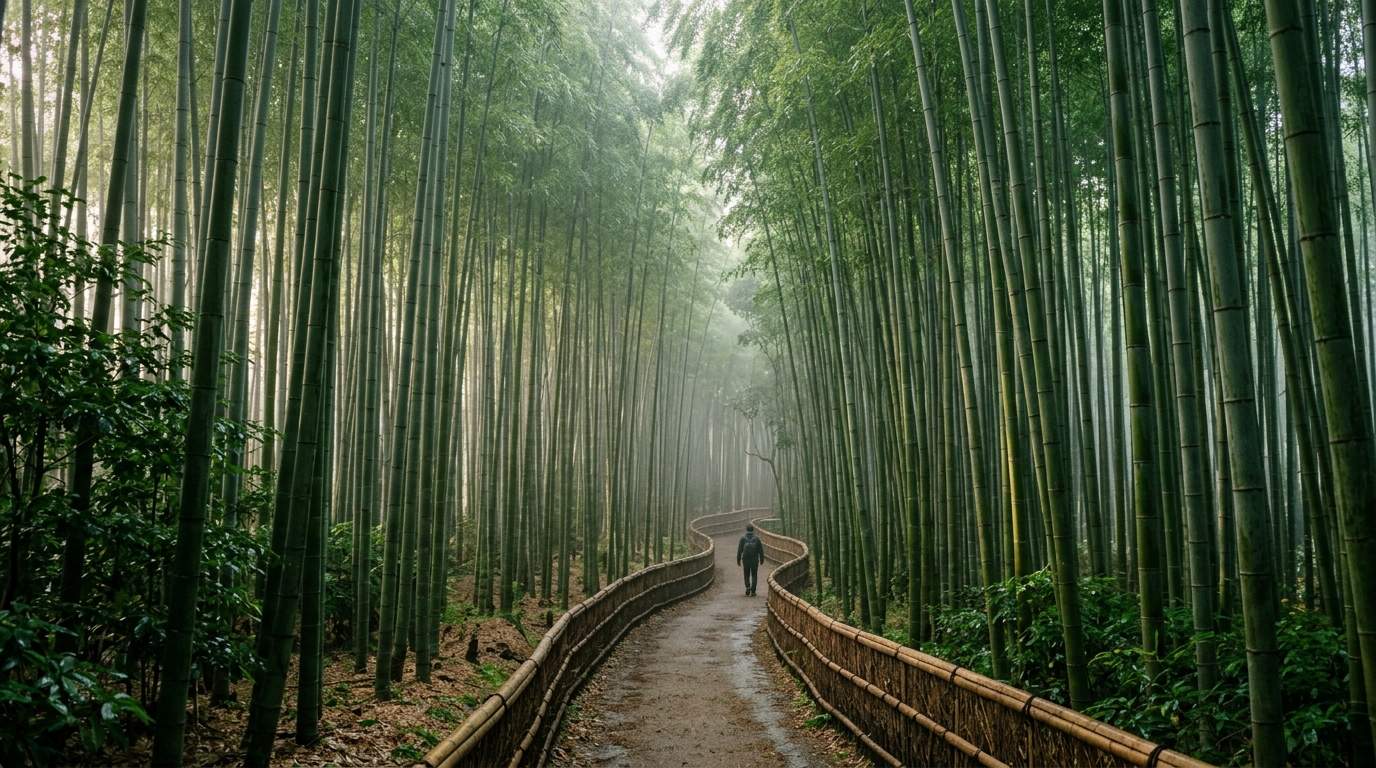
Autumn in Kyoto is legendary for its fiery foliage, which also means legendary crowds. To truly enjoy the vibrant reds and golds without becoming a sardine in a can, strategic timing is your secret weapon. Rise with the sun; seriously, 6:00 AM might sound brutal, but seeing Arashiyama's Bamboo Grove bathed in ethereal morning light, virtually empty, is a memory worth the early alarm. By 8:00 AM, it's already a different story. We also found that seeking out less famous maple-viewing spots, like Tofuku-ji's lesser-known sub-temples or the gardens of Daitoku-ji mentioned earlier, offered equally stunning displays without the shoulder-to-shoulder experience. Even for popular spots, weekdays are drastically less crowded than weekends. Sometimes, just visiting 30 minutes before closing can grant you a fleeting moment of peace after the bulk of the crowds have departed.
My philosophy for travel, especially in popular destinations like Kyoto, boils down to a few key principles: "Go early, go late, or go where others aren't." Walking is your best friend and a free tour guide; often, the most interesting things are discovered between major stops. Utilize the city bus system (day passes are a bargain if you're hitting multiple areas), but prioritize your legs. Consider accommodation slightly outside the ultra-central areas; a guesthouse near a local train station can save you significant cash without sacrificing convenience. Engage with locals; a quick "Sumimasen" (excuse me) and a smile can unlock recommendations for eateries or hidden spots far better than any guidebook. Don't chase the Instagram shot everyone else has; chase the feeling, the quiet moment, the unique conversation. That's where the real magic (and savings) happen.
Kyoto, when approached with a rebellious spirit and a savvy eye for value, transforms from a tourist spectacle into an intimate, profoundly rewarding journey for your soul and your wallet.