Queueing for Kyoto's Foxes? Skip It! Discover Niche Escapes, Zero Crowds, Half Price.
- Quick Tags: Kyoto Travel Tips, Niche Japan Destinations, Budget Kyoto Guide, Avoid Tourist Traps Japan
- Editor: Chloe Jones
- Updated: Jul,18,2026
- Views: 425.1k

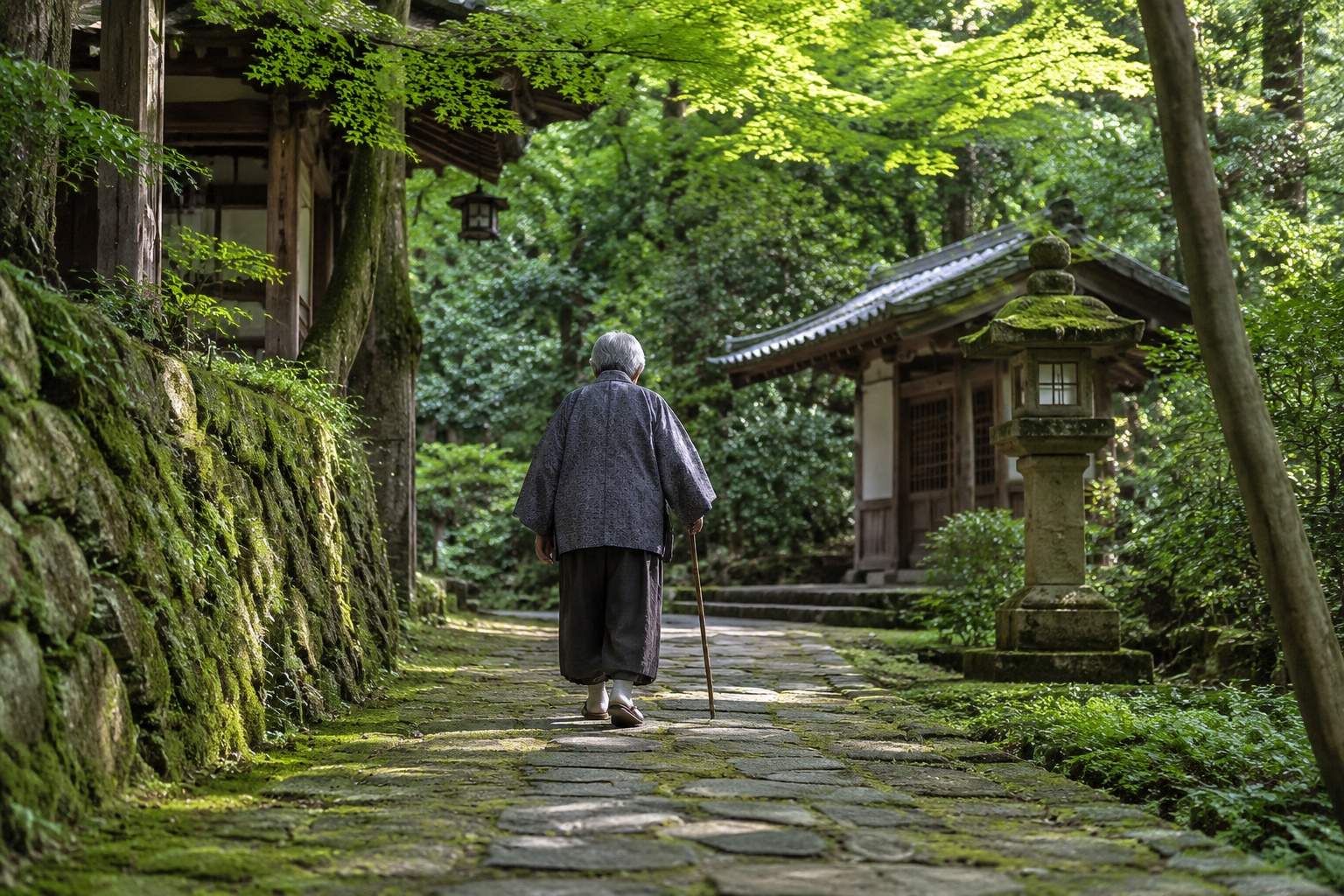
The cool morning mist still clung to the ancient eaves, and a lone sparrow chirped a tentative melody. I paused, halfway up a stone staircase in a forgotten corner of Kyoto, a forgotten temple bell softly chiming in the distance. This was the moment – a stolen whisper of genuine tranquility, far removed from the selfie-stick gladiators and human conveyor belts of the city's "must-sees." My friend, Maya, beside me, let out a slow breath, "Now this is why we came." We'd faced the beast, the crowds, the 'gram-perfect facades, and emerged with a slightly chipped but ultimately triumphant spirit, ready to share how you can too. Forget the usual Kyoto pilgrimage; we're talking reverse travel, ultimate value, and actual breathing room.
Let's not mince words: Fushimi Inari Taisha is stunning. Its vermillion torii gates are iconic, a tunnel of vibrant color. But here's the kicker: unless you're a pre-dawn zombie or a post-dusk vampire, prepare for a sardine-can experience. We arrived at what we thought was an early hour – 8 AM – only to be greeted by a river of humanity flowing towards the mountain. "Looks like a rush hour subway, doesn't it?" Maya muttered, her enthusiasm already wilting. We pushed through, managed a few decent photos by strategically waiting for gaps (which never truly appeared), and ultimately realized the true magic, the serene beauty, was completely swallowed by the sheer volume of people. The photo ops for those iconic, empty torii pathways? Pure illusion unless you're dedicated to a 5 AM wake-up call, in which case, all power to you. For the rest of us, it's a visual feast ruined by constant jostling. My advice? Go way off-peak, or skip the main climb entirely and appreciate it from the base. Save your spiritual ascent for less crowded peaks.
Instead of battling the masses, we bolted north on the Eizan Railway, a scenic route that itself felt like an escape. The urban sprawl melted into rolling hills, then dense forest, costing us a mere 430 yen (about $3) for a single ticket from Demachiyanagi Station to Kurama. This isn't just a destination; it's a journey into a different Kyoto. We disembarked at Kurama, a sleepy village nestled in the mountains, instantly trading concrete for crisp mountain air. The plan was a hike through ancient cedar forests, connecting two spiritual villages.
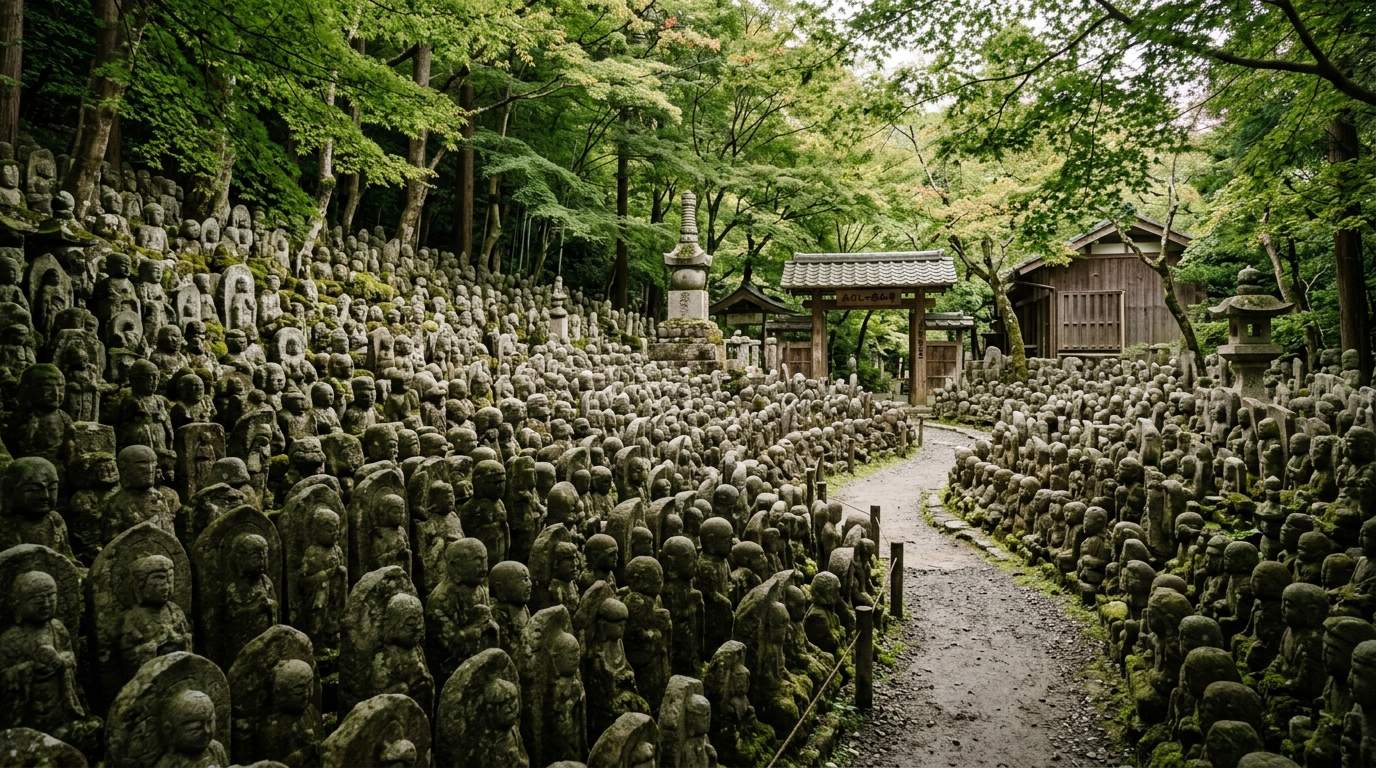
The hike up to Kurama-dera Temple began immediately. Unlike the free-for-all at Fushimi Inari, there's a small "donation" (read: entry fee) of 300 yen (approx. $2) to help maintain the trail and temple grounds. Worth every penny. The path wound through ancient trees, roots snaking across the ground, leading to various shrines and meditation spots. We saw maybe two dozen people the entire way up. The main temple complex offered breathtaking views of the surrounding mountains, and a palpable sense of peace, something conspicuously absent from our earlier Fushimi foray. "This is what I imagined Kyoto would feel like," Maya whispered, eyes wide. We spent a good hour just soaking it in, watching the occasional monk go about his duties, a stark contrast to the buzzing tourist energy elsewhere.
From Kurama-dera, a picturesque 40-minute downhill trail led us to Kibune. This village is famous for its kawayuka (river dining), where restaurants build platforms over the Kibune River in summer. It’s an incredibly unique, cooling experience, but notoriously pricey – often upwards of 10,000 yen ($70+) per person. My budget-conscious hack? We found a small, local eatery away from the main river dining strip. For just 1,500 yen ($10), we enjoyed a delicious nagashi somen (flowing noodles) experience – light, refreshing, and incredibly fun as you catch cold noodles flowing down a bamboo chute! It offered the same unique ambiance without emptying our wallets, proving that a little bit of searching goes a long way. If even that's too much, simply walking along the river, dipping your toes in, and grabbing some snacks from a local shop provides a similar vibe for free.
Gion, Kyoto's geisha district, is another spot that can quickly turn into a zoo. During the day, it's often crowded, and seeing a geisha or maiko is like spotting a rare bird in a hurricane. Our strategy? A late evening stroll. After 8 PM, the tour groups dissipate, and the narrow laneways, particularly Hanamikoji-dori and its adjacent alleys, take on an ethereal glow. We walked quietly, our footsteps echoing softly on the cobblestones. It was on one of these quiet side streets that we saw one – a maiko, her intricate hairstyle and kimono a fleeting vision as she hurried into a discreet teahouse. No flash photography, no shouting, just a respectful, hushed observation. Afterwards, instead of hitting the overpriced tourist-trap bars, we found a small, unassuming teahouse a few blocks away from the main drag. The owner, a kindly elderly woman, served us exquisite matcha and wagashi (traditional sweets) for less than 1,000 yen ($7) each, engaging us in broken English about her family's tea tradition. It was authentic, intimate, and a fraction of the cost of the main street establishments.
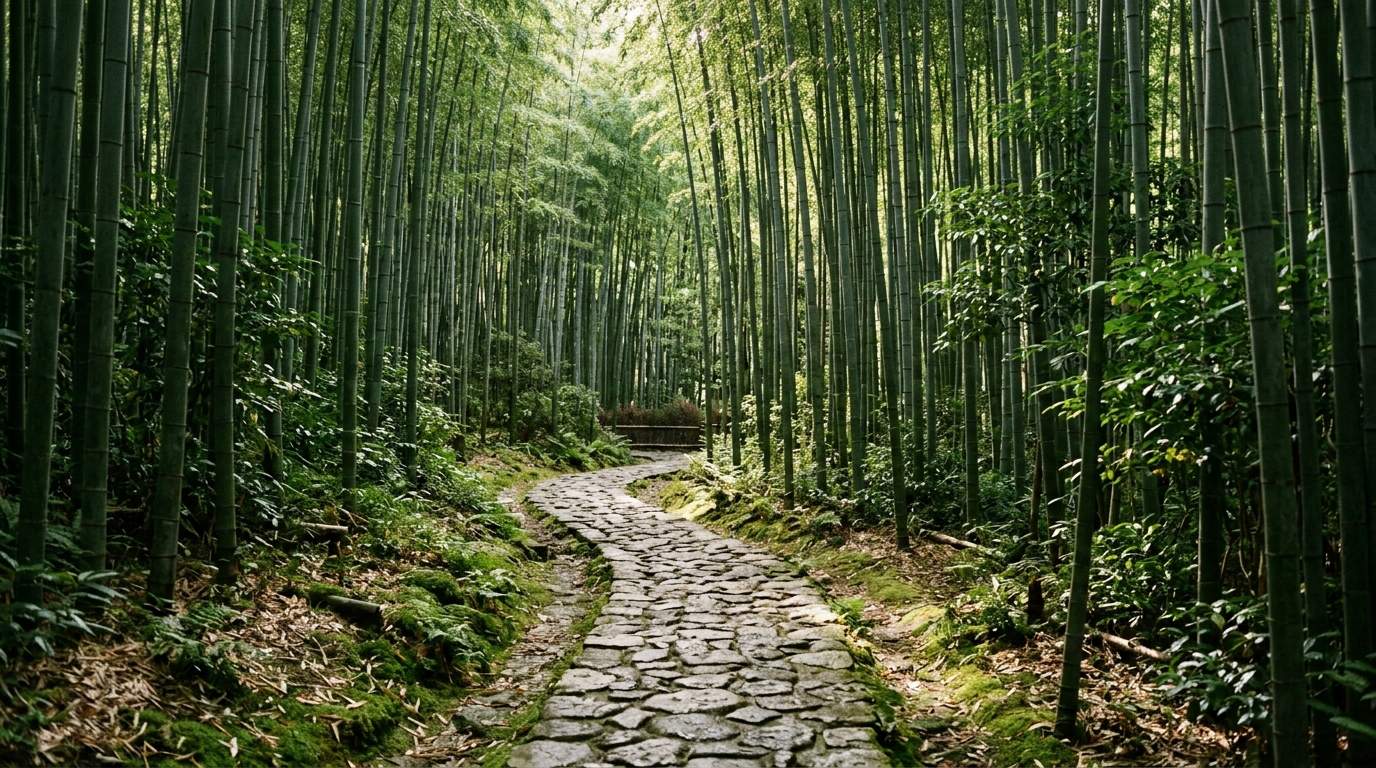
Arashiyama Bamboo Grove is stunning, no doubt. It’s also perpetually packed. Our trick? Go early. And by early, I mean arriving before 7 AM. We took the local JR Sagano Line train (a quick 15-minute, 240 yen ride from Kyoto Station) and were among the first few people to walk through the grove. The light filtering through the towering bamboo stalks, the rustling leaves – it was genuinely magical, a serene, almost spiritual experience. By 8:30 AM, the crowds started pouring in, and we made our graceful exit. Post-bamboo, instead of heading to the main touristy areas, we wandered into the nearby Tenryu-ji Temple's garden (500 yen entrance), which opens at 8:30 AM and offers incredible tranquility before the hordes arrive. Then, we found a little-known path leading up to Okochi Sanso Villa (1,000 yen entrance, includes matcha and a snack), the former home of a silent film actor. While the entrance fee is higher, the crowds are minimal, and the villa offers multiple stunning gardens, buildings, and panoramic views of Kyoto – a true hidden gem for those seeking peace and cultural insight.
Food is often where tourist traps hit hardest. My golden rule for Kyoto: Eat where the salarymen eat. Avoid any restaurant with an English menu prominently displayed outside a major attraction. Instead, dive into the back streets, look for places with plastic food displays, or better yet, follow your nose into small izakayas or ramen shops slightly off the main thoroughfares. A fantastic tip is to explore the basement food halls of department stores (like Takashimaya or Daimaru) just before closing time (around 7-8 PM). They heavily discount their gourmet bentos and sushi sets. We once snagged a sashimi set that would have cost 3,000 yen for a mere 800 yen! Convenience stores like 7-Eleven, FamilyMart, and Lawson are also incredible for quick, delicious, and cheap meals – their egg sandwiches, onigiri, and hot fried chicken are legendary and a staple for any budget traveler. Don't knock it till you try it. One evening, sharing some discounted sushi and convenience store sake by the Kamo River, a local student chatted us up, recommending his favorite okonomiyaki joint that served massive portions for under 1,000 yen. We followed his advice the next day, and it was a revelation.
Traveling Kyoto doesn't have to be a race against the clock or a battle against the crowds. Our trip proved that with a little foresight and a willingness to step off the beaten path, you can experience an infinitely richer, more authentic, and significantly cheaper version of this incredible city. Consider visiting during shoulder seasons (late autumn or early spring) to avoid the peak crowds and stifling summer humidity. A prepaid IC card (like Suica or Pasmo) makes navigating public transport (which is excellent) seamless. Most importantly, embrace the unexpected; sometimes the greatest discoveries are made when you let go of the checklist and simply wander.
Kyoto, beyond the Instagram hype, offers profound tranquility and genuine cultural immersion at a fraction of the usual tourist cost, if you're willing to seek its quiet corners.