Lisbon's Iconic Tram 28? A Tourist Trap! Skip the Hordes, Find €2 Niche Magic.
- Quick Tags: Lisbon travel guide, Budget Lisbon tips, Lisbon local secrets, Portugal travel hacks
- Editor: Chloe Jones
- Updated: Jul,20,2026
- Views: 296.6k









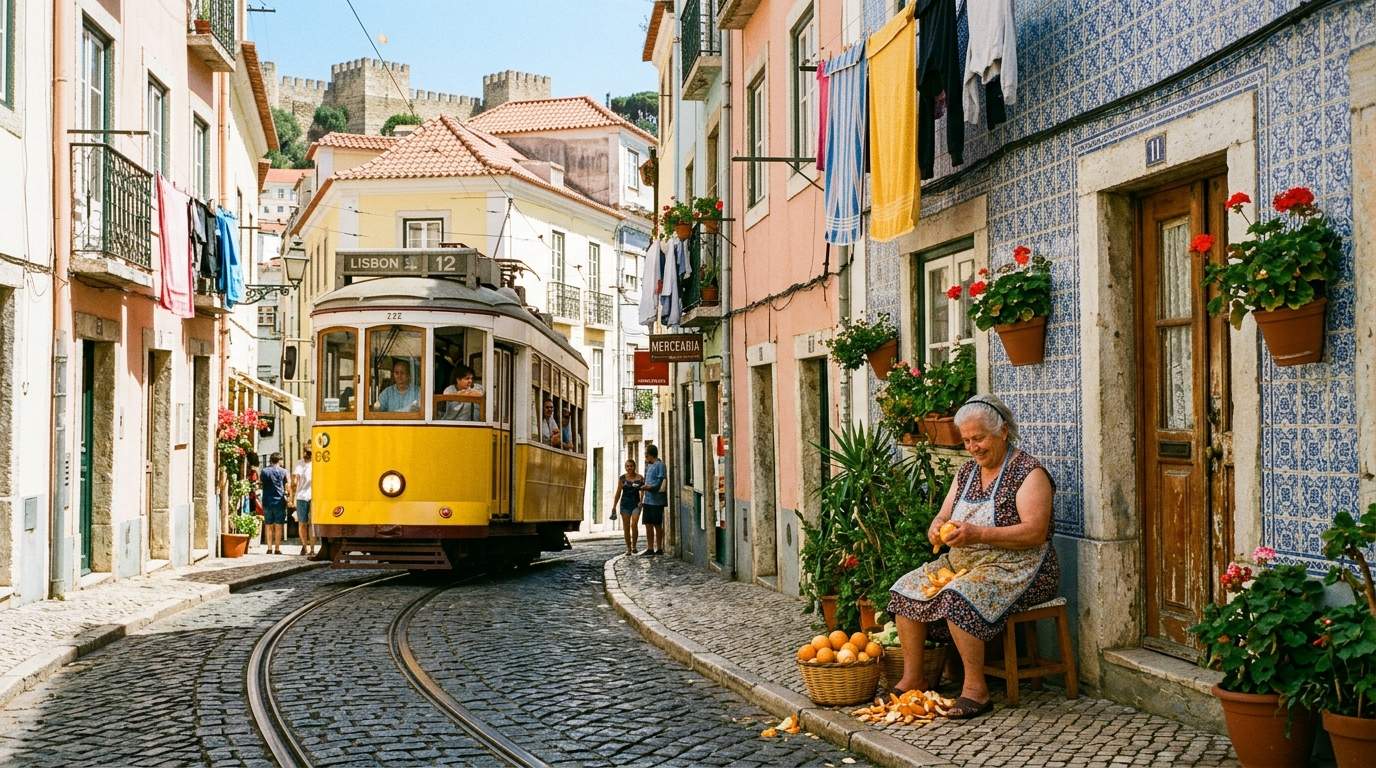
The sardine-scented breeze was a balm against the Lisbon heat, but even from my perch on a cracked tile bench, I could hear it – the frustrated sighs, the impatient shoves. Another jam-packed Tram 28 rolled by, its passengers glued to their phone screens, utterly missing the real show. A family squished against the window, their faces a mixture of wonder and claustrophobia, as they lurched past a local grandma expertly peeling oranges on her balcony. Oh, honey, you're doing it wrong. Lisbon isn't a city to be observed from a sweaty, overcrowded sardine can on rails. It’s a city to be savored, sniffed out, and sometimes, a little bit outsmarted.
My travel buddy, Alex, and I almost fell for it. That iconic yellow box on rails, Tram 28, snaking through Alfama's impossibly narrow streets. The Instagram reels make it look so romantic, right? Wrong. One look at the queue, stretching longer than a Sunday sermon, and our collective dread kicked in. "This isn't an experience," Alex declared, shielding his eyes from the midday sun, "this is human Tetris with a view." We opted for leg-power, and let me tell you, that decision saved our sanity and our wallets. While tourists were paying €3.50 per single ride on a packed tram, our Viva Viagem card, loaded with €1.50 per journey, took us on quieter, equally scenic routes, or just walking. The true magic of Lisbon isn't in clinging to a tourist-mobbed tram; it's in the unscripted discoveries made while earning those panoramic vistas.
Forget the widely advertised Miradouro da Graça, elbow-deep in selfie sticks. We found our own little slice of heaven, literally stumbled upon it after a particularly steep, tiled alley climb. It was a tiny, nameless square, just off Rua de São Mamede, offering a postcard-perfect glimpse of the Pantheon and the Tagus River, completely sans the drone-wielding crowds. A lone musician played a mournful fado on his guitar, the notes hanging in the air like promises. "Now this," Alex whispered, his voice hushed, "is why we walk. This is worth every stair." We bought two espresso shots from a nearby hole-in-the-wall café for €0.80 each and soaked it all in, feeling like we’d unlocked a secret level in a video game.
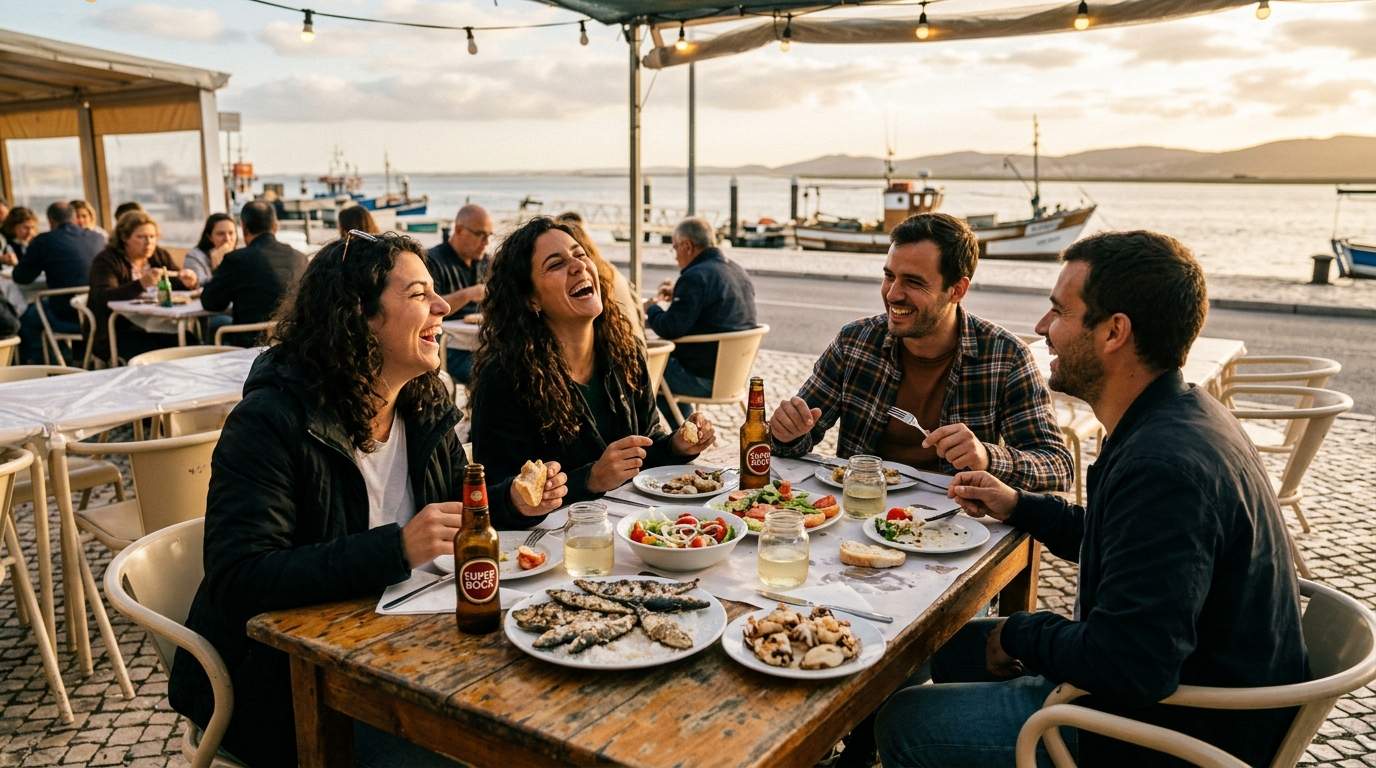
You see those "traditional Portuguese" menus with laminated photos of sad-looking bacalhau and a price tag that makes your eyes water? That's your cue to run – or, more accurately, to walk two blocks down a side street. A local fella, João, nursing a tiny beer at a local tasca, leaned over to us. "If they have pictures, it's for tourists," he grumbled good-naturedly. "And if they charge you €20 for a main, they're laughing all the way to Algarve." His advice saved our wallets and our taste buds. We ate like kings for €8-€10 a head at genuine tascas, where the daily special (prato do dia) was a hearty, home-cooked meal – often a succulent pork loin with clams, or grilled sardines that tasted like the ocean, not a freezer. The contrast between a €7 Bifana (thinly sliced steak sandwich) from a bustling local spot and a €18 "gourmet" sandwich from a riverside tourist trap was a lesson in financial literacy, Portuguese style.
Okay, fine, Pastéis de Belém are iconic. The original recipe, the history, the whole shebang. But does it justify a queue that wraps around the block like a boa constrictor in July heat? "For historical significance only," Alex declared, wiping a tear of pastry flake from his chin. We found our true pastel de nata nirvana at a nondescript pastelaria in Graça, where a fresh, warm pastel, its custard still quivering and crust perfectly flaky, was just €1.10. And it tasted... heavenly. The point is, nearly every pastelaria in Lisbon serves up a fantastic version, without the tourist hype or the 30-minute wait. Go to Belém for the monastery, then grab your pastel anywhere else.
Forget the queues for São Jorge Castle – your €10 could be better spent. Instead, embrace the glorious chaos of Feira da Ladra, Lisbon's sprawling flea market, held every Tuesday and Saturday near the Pantheon. It's a treasure hunt, a sensory overload, and utterly free to enter. Alex haggled (badly, but entertainingly) for a vintage map, saying, "This is better than any souvenir shop; it has a story!" Then, for a truly profound and surprisingly beautiful experience, wander through the serene Cementerio dos Prazeres. Yes, a cemetery. But it's an open-air museum of ornate mausoleums, many with stained-glass windows, and offers some of the most poignant, quiet panoramic views of the city. It's free, culturally rich, and a stark, peaceful contrast to the city's lively pulse. Finally, if you're craving art without the crowds, skip the big-name museums and dive into the Museu Nacional de Arte Antiga (MNAA). Its collection is vast and impressive, housing masterpieces, and its quiet riverside location makes for a contemplative visit. At around €6-€8 entry, it's a steal for the cultural value.
Bairro Alto is a wild beast on a Friday night – think sardine can, but with more shouting, sweat, and cheap sangria. If you're into a full-on street party, go for it. But if you're seeking genuine Portuguese nightlife, look to Alfama. We found a tiny, unassuming Fado house (I won't name it; part of the magic is finding your own!) where the raw, emotional voices of the singers, backed by traditional guitars, filled the room. No fancy dinner packages, just a small cover charge (or sometimes just the cost of a drink or two, around €10-€15) and an intimate connection to Portugal's soul. It felt like a secret shared among friends. The experience was far more authentic and memorable than any overpriced tourist Fado dinner.
Listen up, fellow travelers! To master Lisbon, you need a strategy. First, skip July and August. April-May or September-October offer glorious sunshine without the human stampede and inflated prices. Second, get a Viva Viagem card immediately from any metro station; it’s your golden ticket to cheap public transport (load it with 'zapping' money, about €1.50 per ride, or opt for the €6.80 24-hour pass). Walking is king, but when your legs give out, the metro and buses are efficient and air-conditioned. For food, always look for the prato do dia or the menu do almoço (lunch menu) at small, local tascas away from the main squares – you’ll get a multi-course meal for under €12. And for that essential morning coffee and pastel, pay no more than €2-€3. Accommodation? Look outside the hyper-central Baixa/Chiado districts. Neighborhoods like Graça, Estrela, or Príncipe Real offer charming guesthouses and apartments at better prices, plus a taste of local life.
Lisbon is a city of endless charm, but truly experiencing its magic means shedding the tourist façade, digging a little deeper, and letting your wallet breathe. Trust me, your memories (and bank account) will thank you.