Ditch Kyoto's Crowds! This Trip Unlocked Hidden Temples & Saved Wallets.
- Quick Tags: Kyoto budget travel, Japan offbeat, reverse tourism, authentic Kyoto experiences
- Editor: Chloe Jones
- Updated: Jul,30,2026
- Views: 238.2k









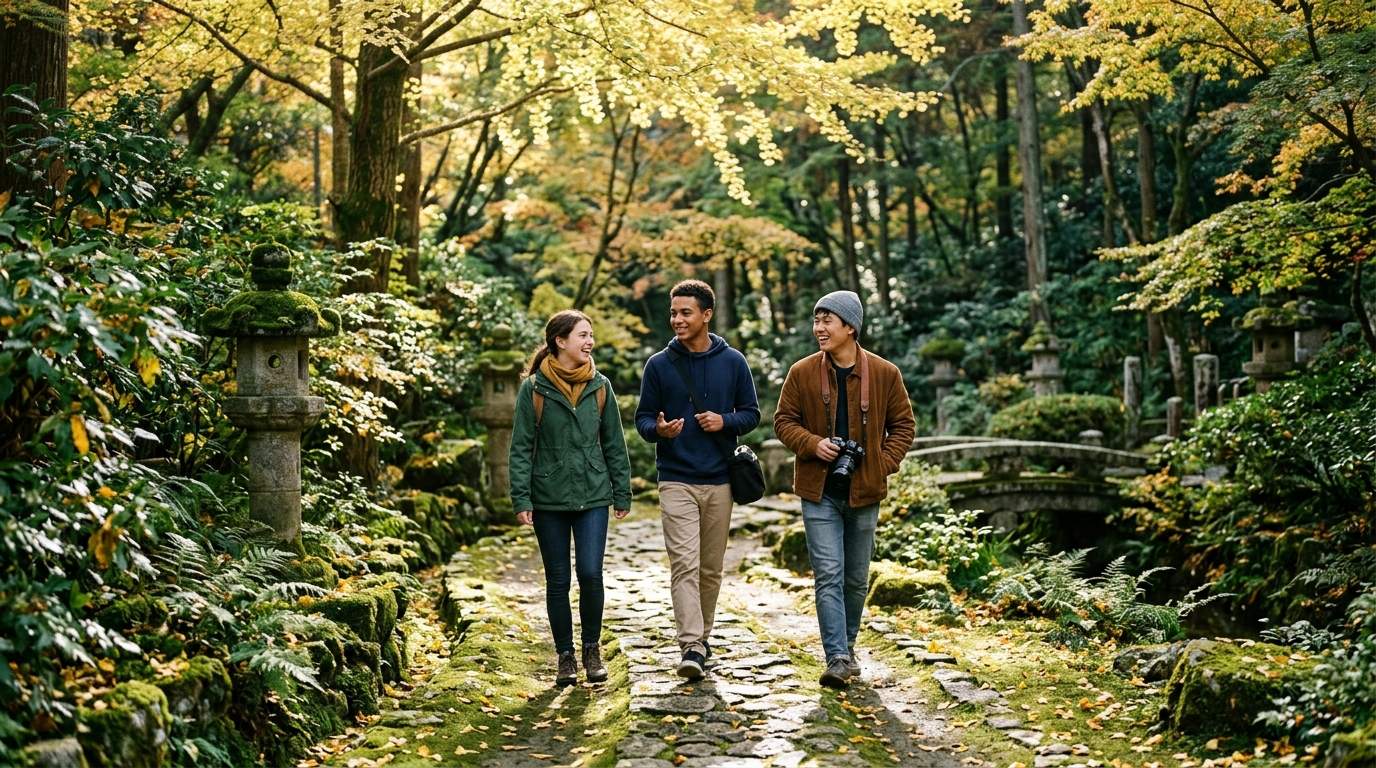
The air, crisp and carrying the faint scent of cypress and damp earth, swirled around us as we stood by a small, moss-covered stone lantern. The only sound was the distant murmur of a stream and the rustle of late autumn leaves underfoot. "See?" I whispered to Maya, nudging her gently. "No selfie sticks. No tour groups. Just… us and this ridiculously peaceful slice of old Japan." She grinned, pulling out her phone not to pose, but to snap a photo of the light filtering through the ginkgo canopy. We were in Kyoto, alright, but a Kyoto that most tourists, bless their guidebook-clutching hearts, would probably miss entirely. And our wallets, miraculously, were still intact.
Our gang – Maya, the meticulous planner (ironic, considering our "anti-plan"), Liam, the perpetually hungry one, and myself, the chief instigator of "let's go that way" – arrived in Kyoto with a mission statement: avoid the net-red spots, embrace the niche, and under no circumstances, pay tourist prices for anything that didn't absolutely demand it. This meant our first morning didn't begin with a pilgrimage to Kiyomizu-dera with the masses. Instead, we strategized. The objective? Fushimi Inari Taisha, but on our terms.
Liam, usually incapable of coherent thought before 9 AM, was surprisingly motivated by the promise of an empty photo-op. We dragged ourselves out of our traditional machiya guesthouse (a group booking that sliced accommodation costs dramatically, mind you, unlike those ¥20,000/night business hotels) at 5:00 AM. A ¥240 train ticket from Kyoto Station later, and we were at Inari Station by 5:45 AM. The gate was open. The famous vermillion torii gates, usually a human conveyor belt, stretched before us in serene, silent rows. The air was cool, the path empty, and the rising sun cast an ethereal glow. We hiked for nearly two hours, reaching the summit with only a handful of local joggers and a lone monk for company. The experience was truly meditative – a stark contrast to the shoulder-to-shoulder shuffle we saw on our way down around 8 AM. Watching the hordes ascend, their excitement already dimmed by the sheer volume of people, confirmed our "reverse travel" philosophy. We’d had our moment, and it cost us only an early alarm and pocket change for transport.
After a mid-morning nap, our next venture took us to a sprawling temple complex often overlooked: Daitoku-ji. While famous for its numerous sub-temples, most visitors stick to a select few. We, however, wandered. With a ¥400 entrance fee to one of the smaller, exquisitely preserved sub-temples, Zuiho-in, we found a dry landscape garden that practically begged for contemplation. The raked gravel, the perfectly placed rocks – it was like a living haiku. We spent an hour there, watching a lone gardener meticulously smooth out a rogue leaf. No bustling souvenir shops, no queue for a photo op. Just quiet, profound beauty that felt genuinely ours.
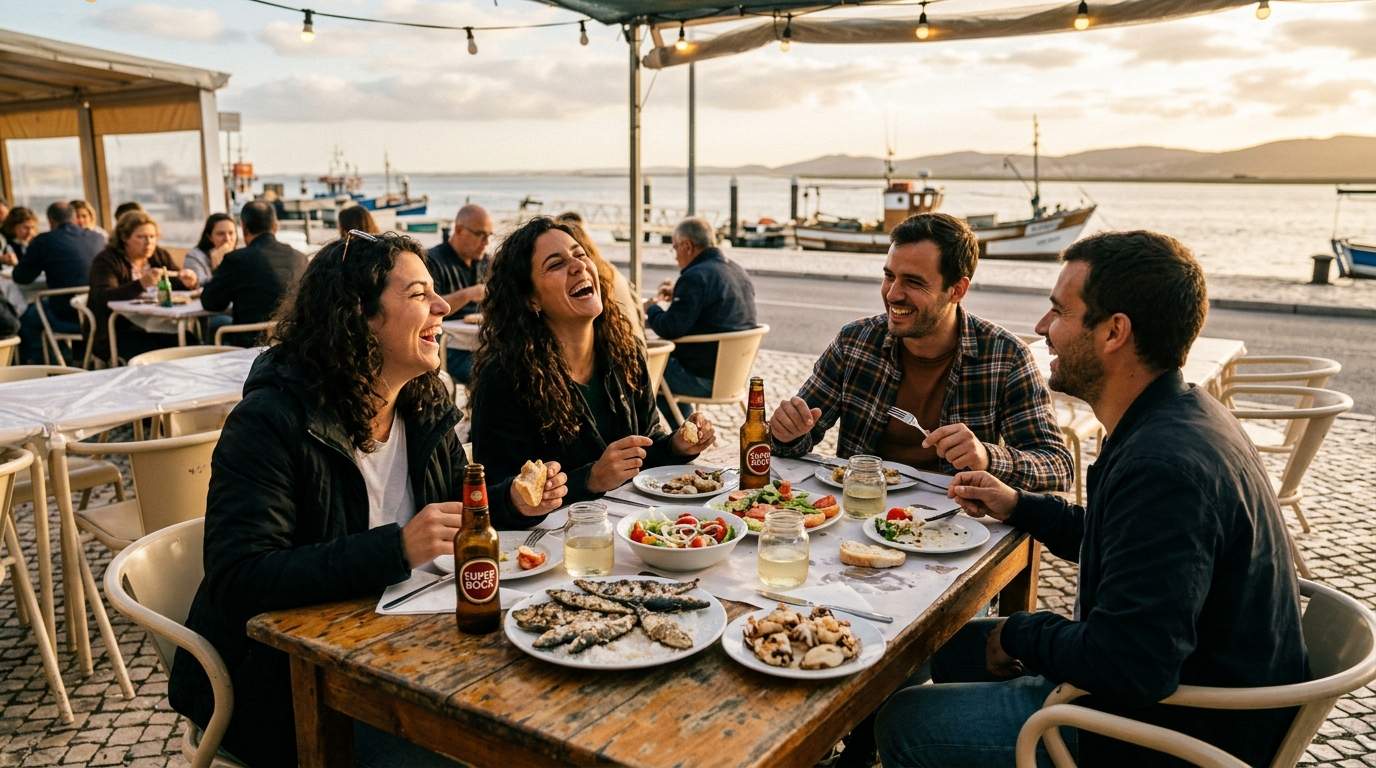
Emerging from Daitoku-ji, the morning's peaceful vibe lingered. "My internal ramen clock is ticking," Liam announced, ever the eloquent one. Instead of heading to a tourist-trap ramen chain, we ducked into a small, nondescript café just off a side street, recommended by our machiya host. It smelled of roasted beans and old wood. The elderly owner, with kind, crinkled eyes, served us thick, dark coffee for ¥350 a cup – a far cry from the ¥700+ we’d seen near popular spots. We sat on rickety chairs, eavesdropping on local chatter, feeling like we’d stumbled into a secret club. "This is it," Maya declared, sipping her coffee thoughtfully. "This is the real Kyoto." The conversations, the local banter, the simple deliciousness – it's the stuff guidebooks rarely tell you about, but it's where the heart of a place truly beats.
Kyoto cuisine can be intimidatingly expensive, but only if you let it be. Our strategy was simple: embrace the convenience store for breakfast staples (onigiri, fresh fruit, matcha lattes – a ¥600 spread easily feeds two), and seek out local, neighborhood eateries for lunch and dinner. For instance, we found a tiny izakaya tucked away near our guesthouse that served incredible yakitori for ¥150 a stick and beer for ¥500. Compare that to the ¥800+ for a single skewer and ¥900 for a small beer in Pontocho Alley, and the savings add up fast. The best part? The owner, a jovial man with an impressive sake collection, treated us like regulars by our second visit. "Local recommendation," he'd declare, pushing a plate of perfectly grilled chicken skin our way, "better than tourist price, yes?" We always agreed, happily emptying our pockets for authentic flavors, not inflated prices.
While the Philosopher's Path is stunning, especially in autumn, its popularity often makes it a shoulder-to-shoulder stroll. Instead, we discovered the tranquil paths along the Kamo River, especially north of Sanjo Bridge. One late afternoon, we rented bikes for ¥500 each for the entire day (from a non-chain rental shop, naturally) and cycled along the riverbanks, watching locals walk their dogs, artists paint, and couples enjoy the golden hour. We stumbled upon the Kyoto Botanical Garden, which, for a modest ¥200 entrance fee, offered a vast, immaculately kept oasis of diverse flora. It was November, and the fiery maples and golden ginkgos were a spectacle without the overwhelming crowds found in more famous gardens. The cooler weather of late autumn was perfect for cycling and long walks – just bring a light jacket and comfortable shoes. You avoid the oppressive summer humidity and the peak season crush of spring cherry blossoms, giving you space to breathe and genuinely appreciate the landscape.
Our Kyoto adventure was a masterclass in "reverse travel" and budget wizardry. By sharing a machiya, opting for local transport passes (a ¥700 bus day pass is your best friend), and seeking out neighborhood eateries away from the main drag, we shaved hundreds off what a typical tourist would spend. We avoided the ¥2000+ entrance fees to many temples by focusing on free or low-cost alternatives like Daitoku-ji's quieter sub-temples or the Botanical Garden. The secret? Always go a block or two off the main street. Ask locals (respectfully!). Embrace the early mornings and late afternoons. This isn't just about saving money; it’s about stripping away the tourist facade to find the genuine pulse of a place.
Kyoto doesn't have to be a budget-busting, crowd-infested endurance test; it can be an intimate, cost-effective journey into the heart of Japanese culture, if you know where (and when) to look.