Forget Fushimi Inari: Real Kyoto Discovered, Budget Bliss Unlocked.
- Quick Tags: Kyoto budget travel, Niche Japan experiences, Avoiding tourist traps, Authentic Kyoto food, Reverse travel Japan
- Editor: Chloe Jones
- Updated: Jul,31,2026
- Views: 445.9k









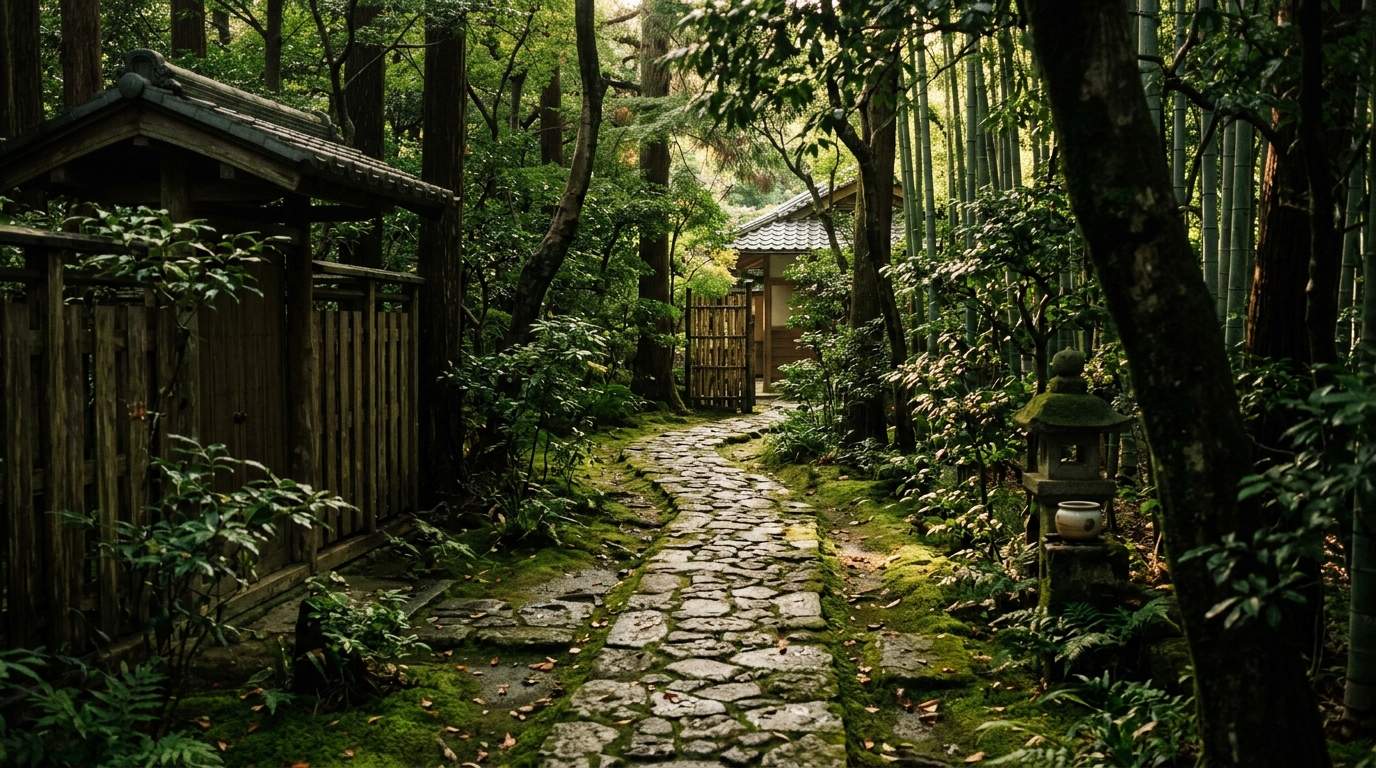
The late afternoon sun filtered through a thick bamboo canopy, dappling the mossy path as an elderly woman, her face a roadmap of serenity, meticulously swept fallen leaves from a tiny, tucked-away shrine. No throngs of selfie sticks, no tour bus chatter, just the soft rustle of the bamboo and the rhythmic sweep of a broom. My friend Ken, usually glued to his phone, actually put it away, simply watching. This wasn't the Kyoto the guidebooks screamed about, and for that, my wallet and my soul were eternally grateful. We’d spent the morning navigating what felt like an endless human current at a certain famous torii gate, and honestly, if I saw one more person doing a peace sign for the camera, I might have converted to hermitage. But here, in this quiet pocket, we stumbled upon what Kyoto truly promised: peace, history, and a good dose of zen, all without the tourist tax.
Our first morning, fueled by dubious convenience store coffee, I’d dragged Hiro and Ken away from the siren call of the thousand red gates. “Trust me,” I’d insisted, armed with a scribbled note from a local bar owner, “we’re going where the monks actually meditate.” We found ourselves at the sprawling Daitoku-ji Temple Complex, a universe away from the tourist hordes. It’s not just one temple; it's a collection of sub-temples, many with their own exquisite Zen gardens. We spent hours wandering the main grounds, which are free, taking in the ancient gates and massive main halls. The air here was cooler, quieter, imbued with centuries of contemplation.
We chose to enter Koto-in, a small sub-temple with a stunning moss garden and a tranquil tea room. For a modest ¥400 (about $2.75 USD), we shed our shoes and stepped into a silence so profound you could almost hear your thoughts settling. The raked gravel gardens, the delicate bonsai, the simple, elegant architecture – it was a masterclass in tranquility. A world apart from the packed, elbow-to-elbow experience at other well-known sites, where you pay double or triple just for the privilege of jostling. Ken, who usually moves at the speed of light, actually sat still for a full ten minutes, staring at a single stone. "Okay," he conceded, "this is pretty cool. No Instagram, just… calm." It felt less like a museum and more like a living, breathing sanctuary.
After all that zen, our stomachs rumbled a less spiritual tune. Nishiki Market is famous, but it's also a gauntlet of overpriced bites. Our strategy? Dive into its side alleys and beyond. We found a tiny, unassuming ramen shop tucked down a narrow lane, its entrance shrouded by a faded noren curtain. No English menu, just a grizzled old chef who grunted a welcome.
We pointed, mimed, and eventually got three steaming bowls of tonkotsu ramen. The broth was rich, savory, and deep, unlike any we'd tasted in our home country. The cost? A shocking ¥850 per bowl (around $5.80 USD). Compare that to the ¥2000-¥3000 many "authentic" tourist-trap restaurants near Gion charge for a far less satisfying experience. Later that evening, we ventured into a smoky, boisterous izakaya in a residential area, recommended by our guesthouse owner. Here, we shared platters of yakitori, crispy fried chicken karaage, and cold draft beer with local salarymen. The total bill for three hungry lads, including drinks, barely topped ¥6000 (about $41 USD) – a fraction of what a Western-style dinner or even a more formal Japanese meal would have cost. Hiro, usually skeptical of anything not on Yelp, declared it the "best meal deal of the trip."
Sometimes, even the quiet corners of Kyoto can feel a bit... urban. That's when you need to literally escape the city limits. Our chosen sanctuary: the mountain village of Kurama and its spiritual neighbor, Kibune. A scenic train ride (¥430, roughly $3) from Demachiyanagi station took us deep into the forested hills, a refreshing contrast to Kyoto’s concrete sprawl.
We hiked up to Kurama-dera temple, a steep but rewarding ascent through ancient cedar forests. The air grew crisp, the views breathtaking, and the feeling of disconnecting was palpable. At the summit, the temple complex offers panoramic vistas without the maddening crowds of city-center viewpoints. Afterwards, we descended to Kibune, a tranquil village nestled along a river. We couldn't afford the famed kawadoko (riverside dining), but simply walking alongside the cooling river, dipping our feet, and grabbing some local dango from a street vendor was an experience in itself. The entire day trip, including transport, temple entry (¥300), and snacks, cost us less than one admission ticket to some of Kyoto's more commercialized attractions. That climb up Kurama wasn't just physical; it felt like shedding layers of city stress with every step.
My final piece of advice for any intrepid traveler heading to Kyoto: play it smart. We scored a 3-day Kyoto City Bus Pass for ¥2000 (approx. $13.70 USD) – absolute gold for getting around without breaking the bank on taxis. Those fancy kimono rental shops near Kiyomizu-dera? Often double the price and half the quality of smaller, family-run establishments in less touristy neighborhoods. And as for souvenirs, skip the mass-produced trinkets at the main gate. Instead, look for artisan markets or local craft shops further afield, where you'll find unique, handmade items and support local creators.
Forget the "best time to travel" clichés. If your goal is truly avoiding crowds and maximizing value, consider the shoulder seasons or even winter. We traveled in late autumn, just before peak maple leaf season, and enjoyed crisp air and fewer people. Winter in Kyoto? Pure, unadulterated magic if you pack a good coat and appreciate quiet introspection. Imagine snow-dusted temples, tranquil gardens devoid of tourists, and the warmth of a steaming hot pot in a local eatery. The flights and accommodation are often significantly cheaper too. Don't just see Kyoto; feel it. Ditch the itinerary sometimes, wander aimlessly, and eat where the locals eat. The best stories are usually found where you least expect them.
So, if your idea of travel bliss involves more genuine smiles than elbow jabs, and more yen in your pocket than souvenir receipts, then throw out that 'Top 10 Sights' list. Kyoto's true spirit? It's waiting patiently, just off the beaten path, for those daring enough to look.