Ditch Kyoto's Temples? Discover Its True Soul (and Save Big!)
- Quick Tags: Kyoto budget travel, Kyoto off-the-beaten-path, Kyoto local experiences, Kyoto food guide, Kyoto reverse travel
- Editor: Chloe Jones
- Updated: Jul,29,2026
- Views: 393.8k

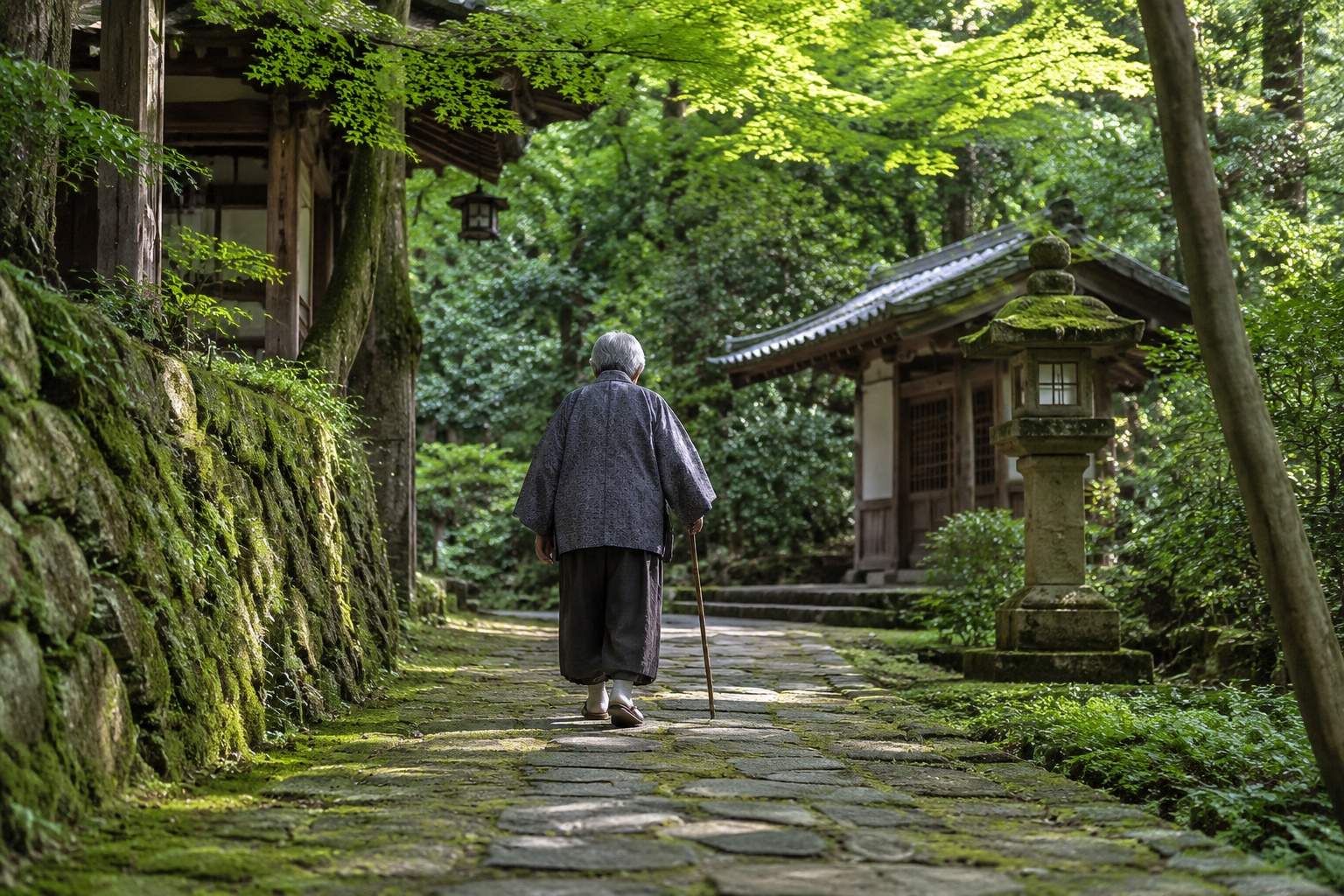
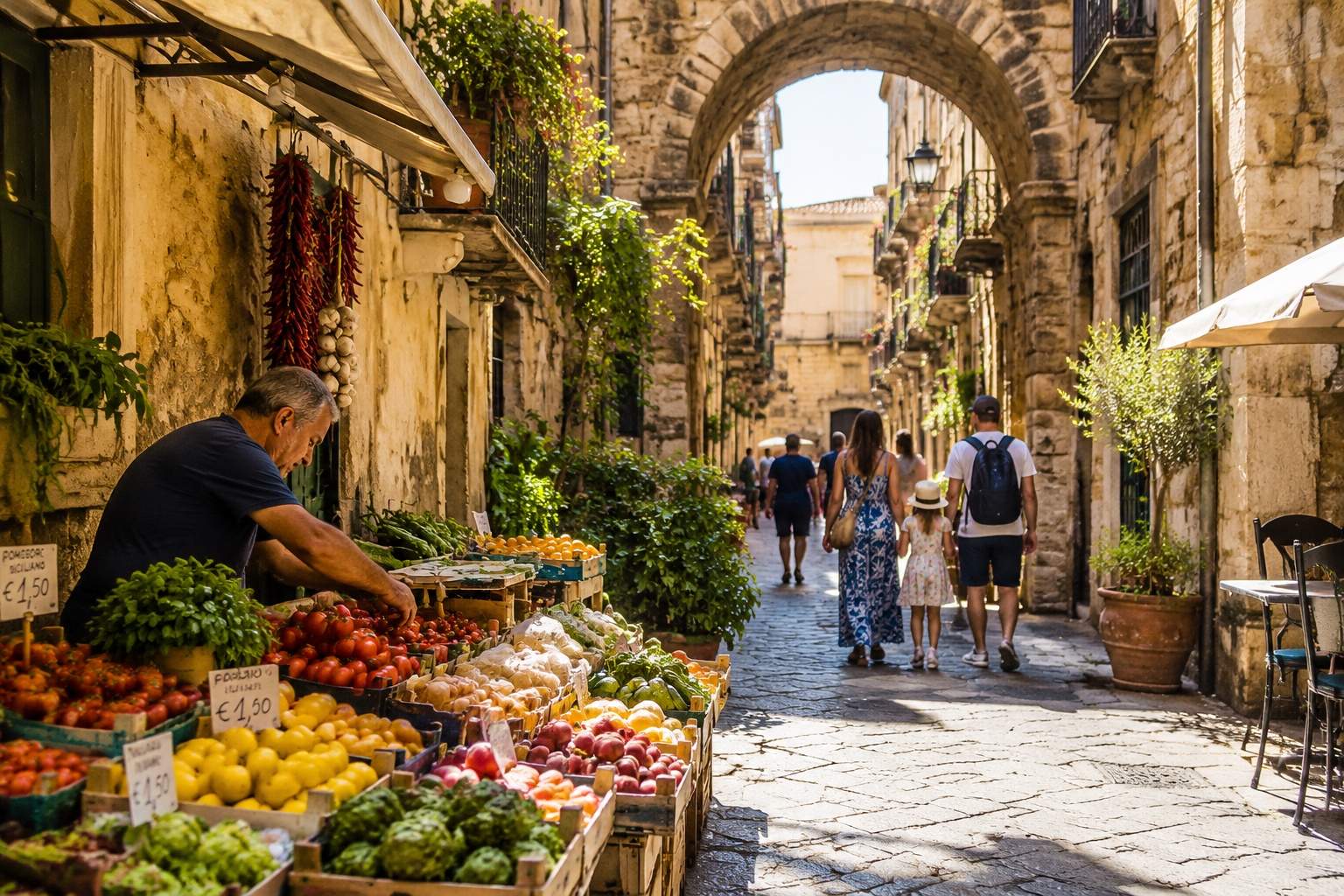
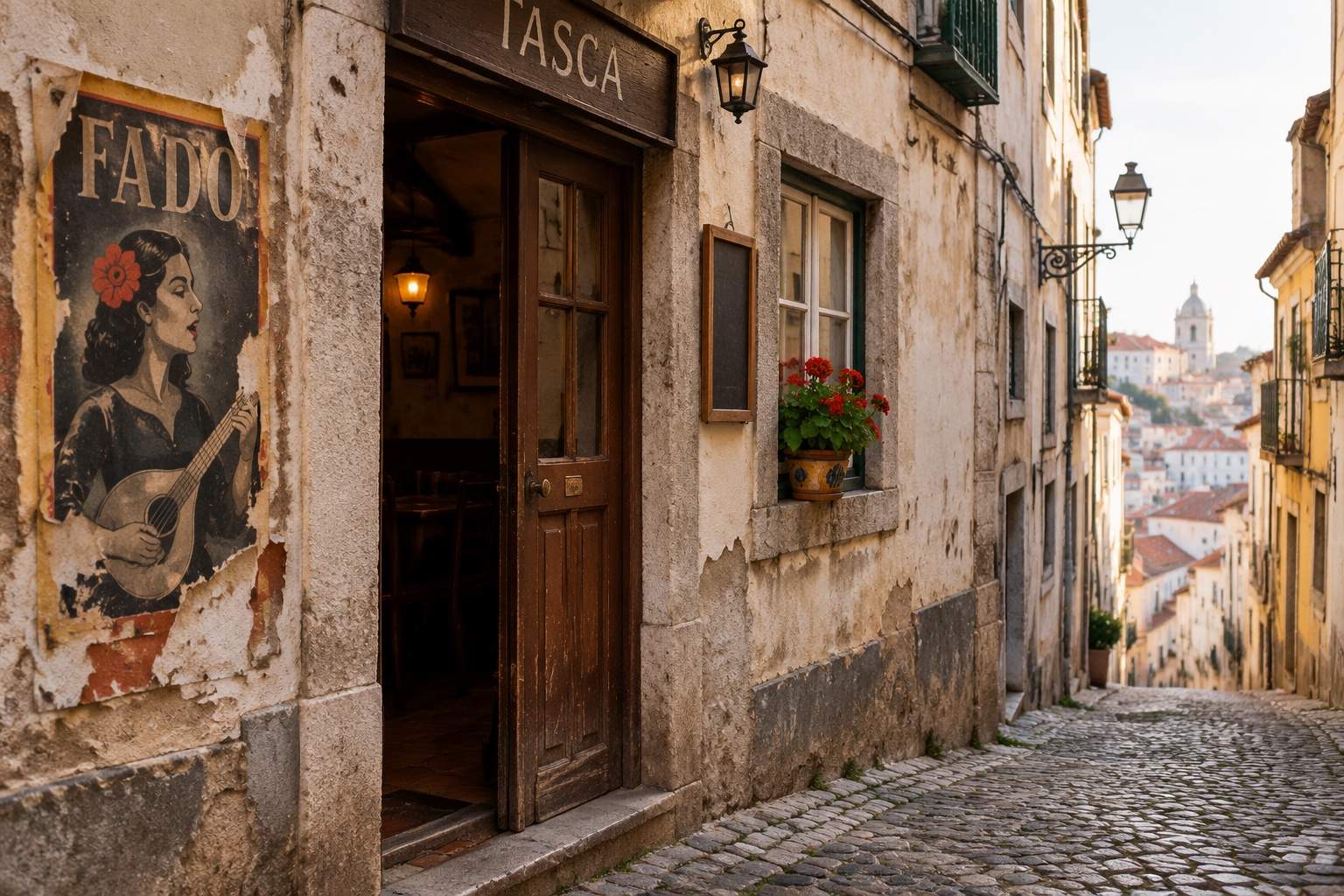
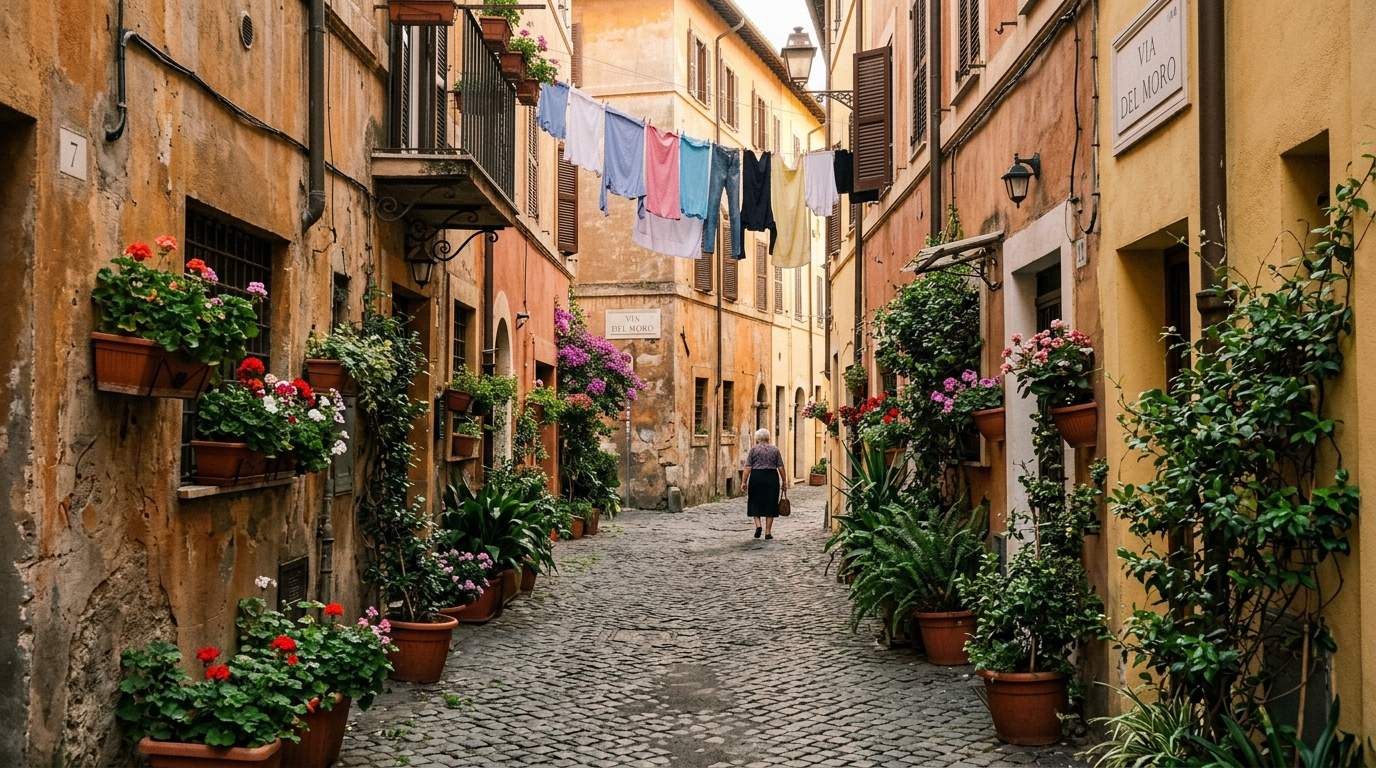
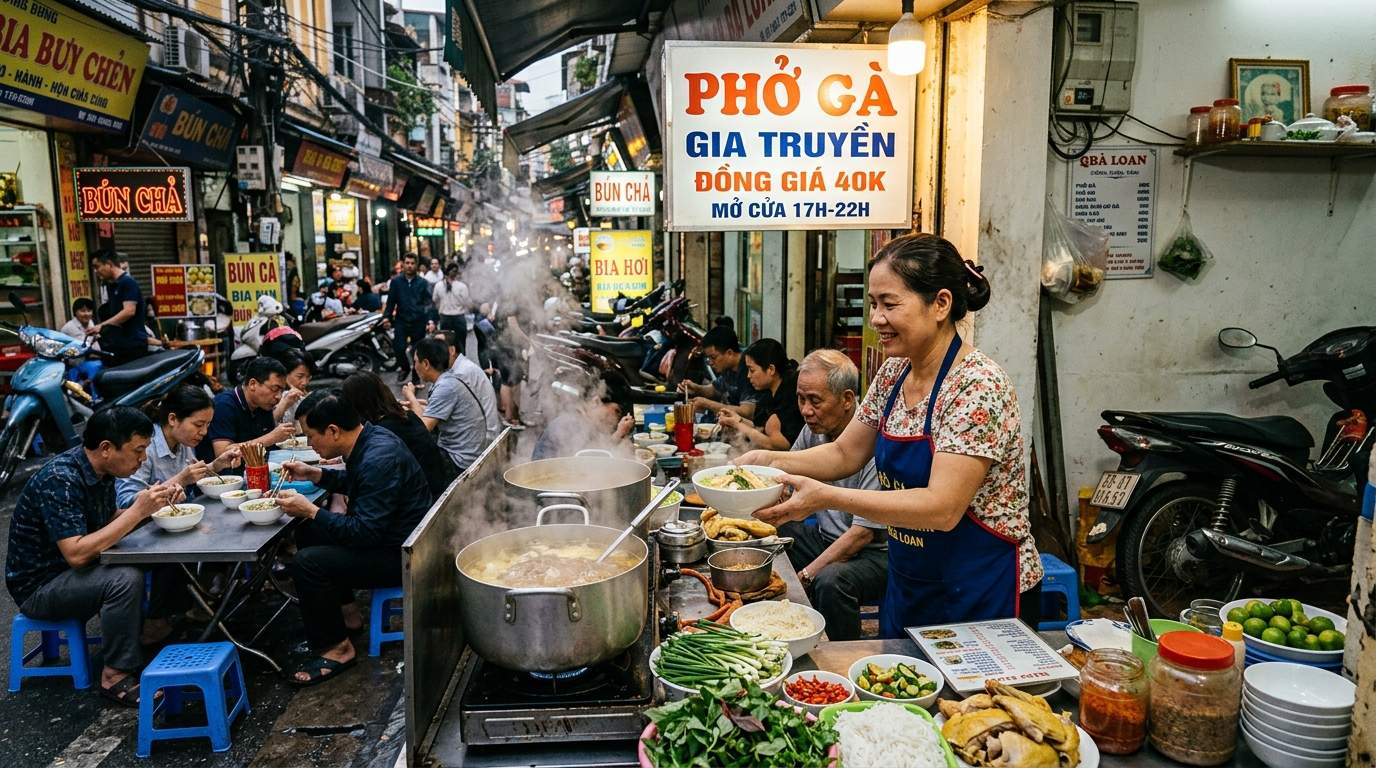
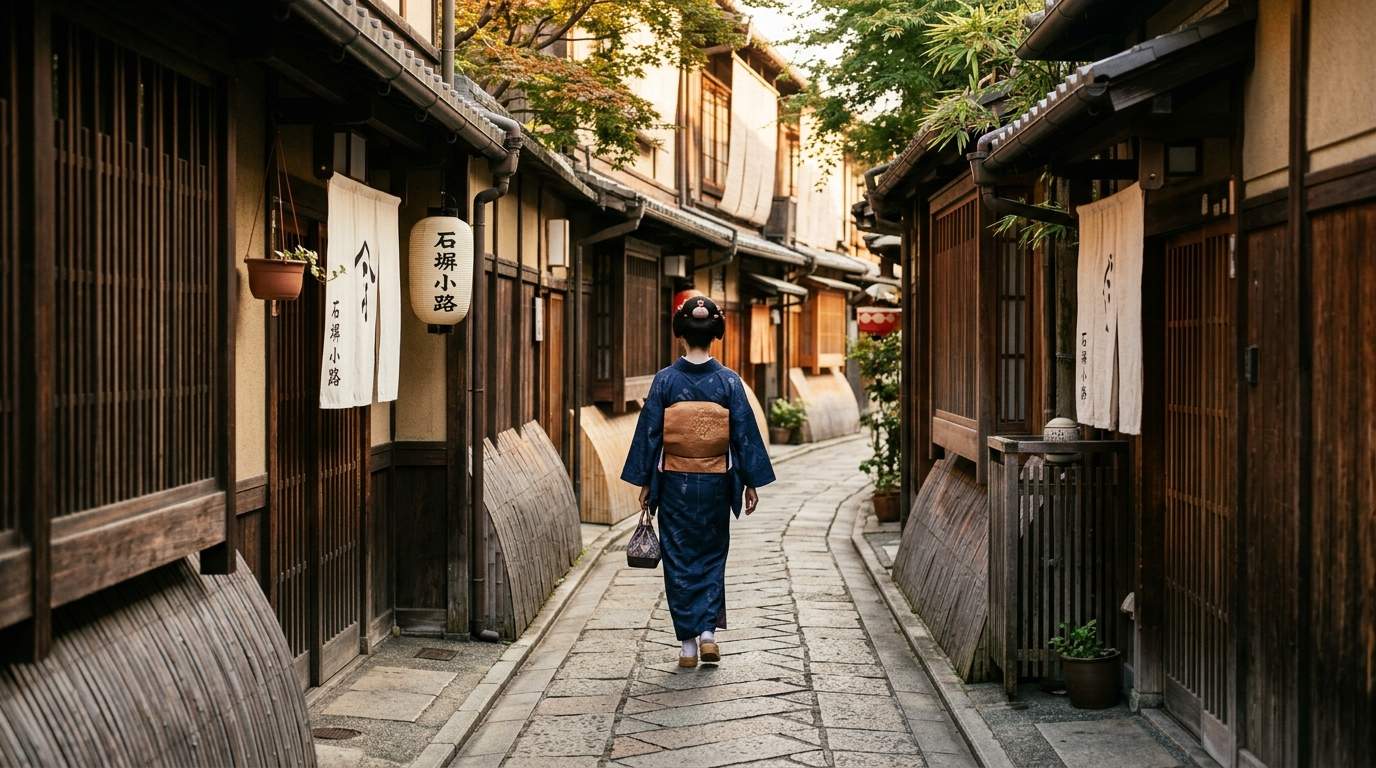
The late afternoon sun dipped, painting the narrow alleyways of Gion in hues of soft orange and twilight blue. A lone geiko, graceful as a whisper, glided past, her steps a rhythmic dance on the cobblestones. My friends, Kai and Maya, had dragged me here after enduring the tourist throngs at Kiyomizu-dera, convinced we were finally experiencing "authentic" Kyoto. Yet, as I watched another busload disgorge a hundred selfie-stick-wielding enthusiasts, I knew deep down this wasn't it. This was the façade. The real Kyoto, I suspected, was hiding just around the corner, waiting for those brave enough to look beyond the guidebooks and ditch the designated photo ops.
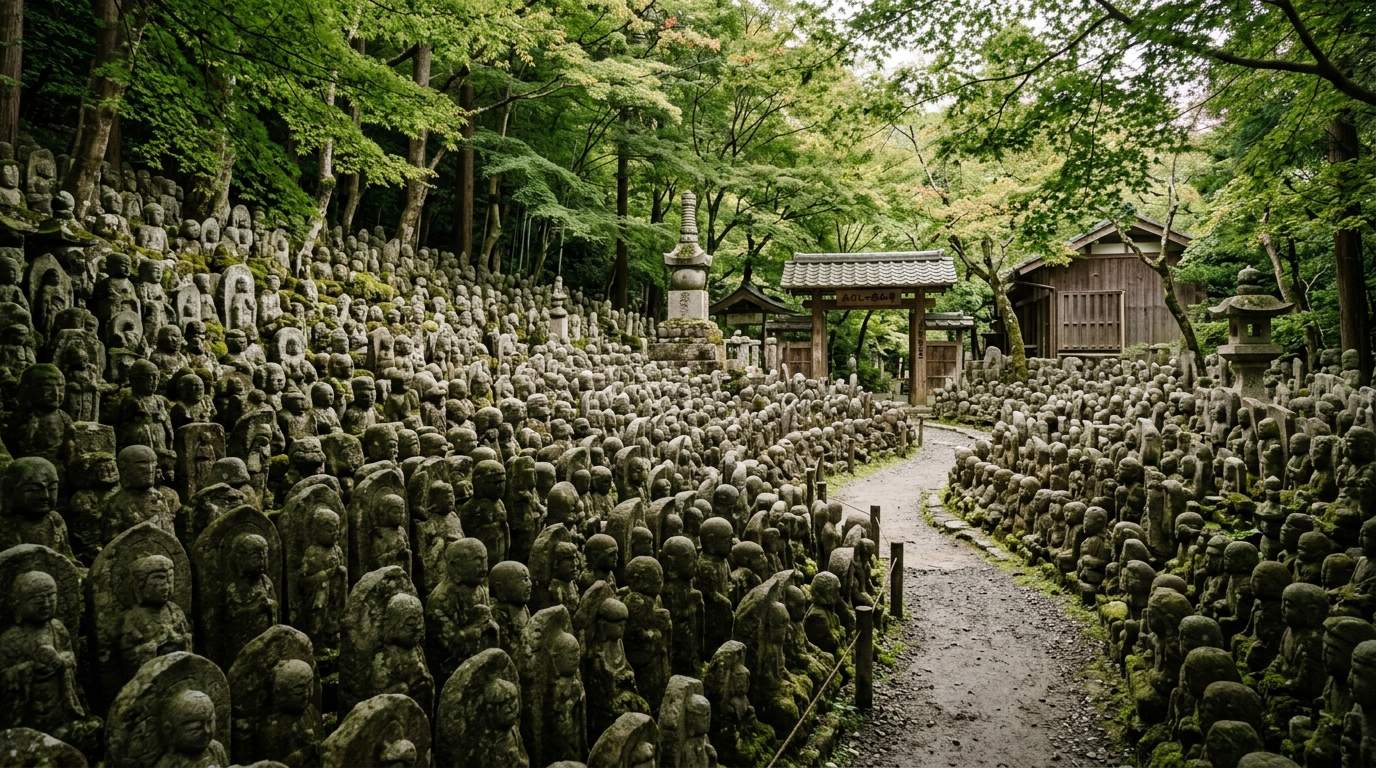
Remember that iconic torii gate tunnel at Fushimi Inari? Yeah, the one where you spend more time trying not to get a stranger in your shot than appreciating the hundreds of vermillion gates. We endured it on day one, sweating through the humid August morning, only to realize that the "spiritual journey" was more of an elbow-to-elbow crawl. The real magic, we discovered, lies in venturing past the main shrine and up the less-trodden paths that wind deeper into the mountain. Here, the torii gates thin out, moss-covered statues emerge from the shadows, and the only sounds are cicadas and the distant chirping of birds. It’s free, it’s serene, and it requires nothing more than a willingness to keep walking when everyone else turns back. That’s where the true Kyoto reveals itself: not in the Instagram frame, but in the quiet solitude you never thought you’d find.
Our initial foray into Gion felt like a movie set. The charming wooden machiya houses, the lanterns, the hopeful whispers of "Maiko!" But here's the kicker: the "traditional tea ceremony" we saw advertised for ¥5,000 per person near the main drag was, in reality, a heavily commercialized performance. We skipped it. Instead, Maya, with her uncanny ability to sniff out local haunts, led us to a tiny, unassuming izakaya tucked away on a side street, far from Hanamikoji Dori. "They have obanzai (Kyoto home cooking) here," she declared, pointing at a handwritten menu. For ¥1,500, we shared three small plates of seasonal vegetables, grilled fish, and picked cucumbers, each dish a burst of delicate flavor, prepared by a grandmotherly figure who beamed at our attempts at Japanese. The conversations were sparse but warm, exchanging nods and smiles with the few local regulars. This was our "tea ceremony"—an authentic taste of Kyoto life, not a staged spectacle.
Nishiki Market, they call it "Kyoto's Kitchen." It's also Kyoto's tourist gauntlet, where you'll pay a premium for anything with a 'tourist trap' sticker on it. Don't get me wrong, it's visually stunning, but if you're chasing real value and flavor, you need to pivot. We quickly learned to scout out the shotengai (covered shopping streets) in residential areas. Take Demachi Masugata Shopping Street, for example. Here, a perfectly crispy korokke (croquette) will set you back ¥150, not ¥400. And the mochi at Fujiya? Sublime, chewy, and only ¥120. Kai, ever the budget hawk, found a ramen shop packed with students where a steaming bowl of tsukemen (dipping ramen) was ¥800 – a third of what we saw advertised in central Gion. The old man behind the counter, seeing our delighted faces, even threw in an extra soft-boiled egg. That's the kind of financial win and human connection you don't get in a tourist brochure.
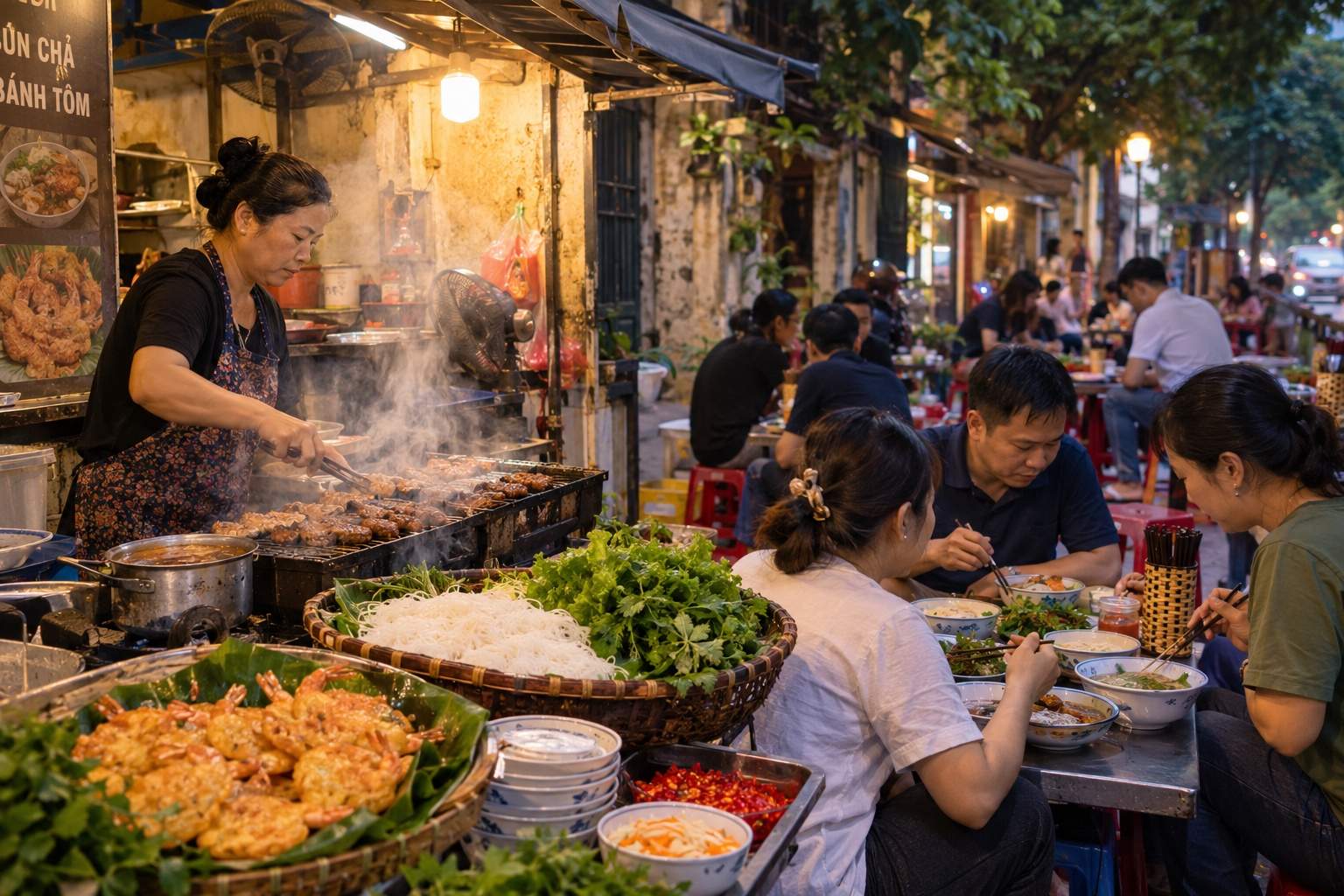
Seriously, don't sleep on Japanese convenience stores. 7-Eleven, FamilyMart, Lawson – they're culinary oases. Forget those sad airport sandwiches; we're talking freshly made onigiri (rice balls) for ¥130, surprisingly good fried chicken for ¥200, and a dizzying array of instant noodles that put anything back home to shame. Perfect for a quick, cheap breakfast or a late-night snack when you’ve had enough of pricey sit-down meals. For something a bit more social but still budget-friendly, seek out smaller, local izakayas away from the main entertainment districts. Look for places with tatami mat seating and a lot of chatter. Order shared plates of yakitori (grilled skewers) and edamame. My friends and I often found ourselves spending less than ¥2,000 each for a few drinks and delicious small bites, sharing stories and laughter until the last train.
Everyone goes to Kinkaku-ji (the Golden Pavilion) and Kiyomizu-dera. Yes, they’re beautiful, but the sheer volume of people can make it feel like an amusement park. For a truly profound experience, consider the much less visited Daikaku-ji Temple. Tucked away in the Sagano area, a short bus ride from Arashiyama, it boasts a stunning garden and an ancient pond (Osawa-no-ike) that feels utterly untouched by time. We went in early autumn, when the leaves were just beginning to turn, and had the sprawling grounds almost entirely to ourselves. The entrance fee was a modest ¥500, a fraction of what some of the more famous temples charge, and the tranquility was priceless. Sitting on the veranda, gazing at the reflections on the pond, I understood why the ancients sought peace here. It’s a spiritual detox from the urban hustle, a silent testament to Kyoto’s enduring beauty, completely unmarred by tour groups.
Arashiyama's bamboo grove is another victim of its own fame. We were there at 8 AM, and it was already a human river. The trick? Don't just walk the main path. Instead, turn off onto the smaller trails that lead towards Okochi Sanso Villa, the former home of a silent film actor. While the villa itself has an entrance fee (¥1,000, but includes matcha and a snack), the surrounding trails are a revelation. Or, even better, take the scenic boat ride down the Hozugawa River. It costs a bit more (around ¥4,100), but offers unparalleled views of the gorge and surrounding nature, ending near Arashiyama. It's a "reverse commute" from the typical tourist experience, trading the dense crowds for breathtaking natural beauty and the rhythmic dip of oars.
Kyoto's public transport system is excellent, but navigating it can be daunting. Forget the expensive "tourist passes" that promise unlimited rides but limit you to certain zones. Instead, for a three-day visit, consider the Kyoto City Bus & Subway One-Day Pass for ¥900. It covers most of the major areas, and for us, it was a no-brainer. We bought it each morning from a ticket machine, making our way around without a single worry about individual fares. The real hack? Travel during the "reverse" hours. If everyone’s heading to Fushimi Inari at 9 AM, we were heading to a local café for breakfast, then catching a bus to a less popular spot mid-morning. We often found ourselves on nearly empty buses, even in peak season, simply by aligning our itinerary against the typical tourist flow. "Beat the rush, beat the cost," Kai would quip, and he wasn't wrong.
Our trip to Kyoto wasn't about checking off boxes from a guidebook; it was about digging deeper, finding the city's quiet heartbeat, and outsmarting the tourist traps. We returned with lighter wallets than expected and richer stories than any souvenir could provide, proving that the real treasures often hide in plain sight for those willing to look beyond the obvious.