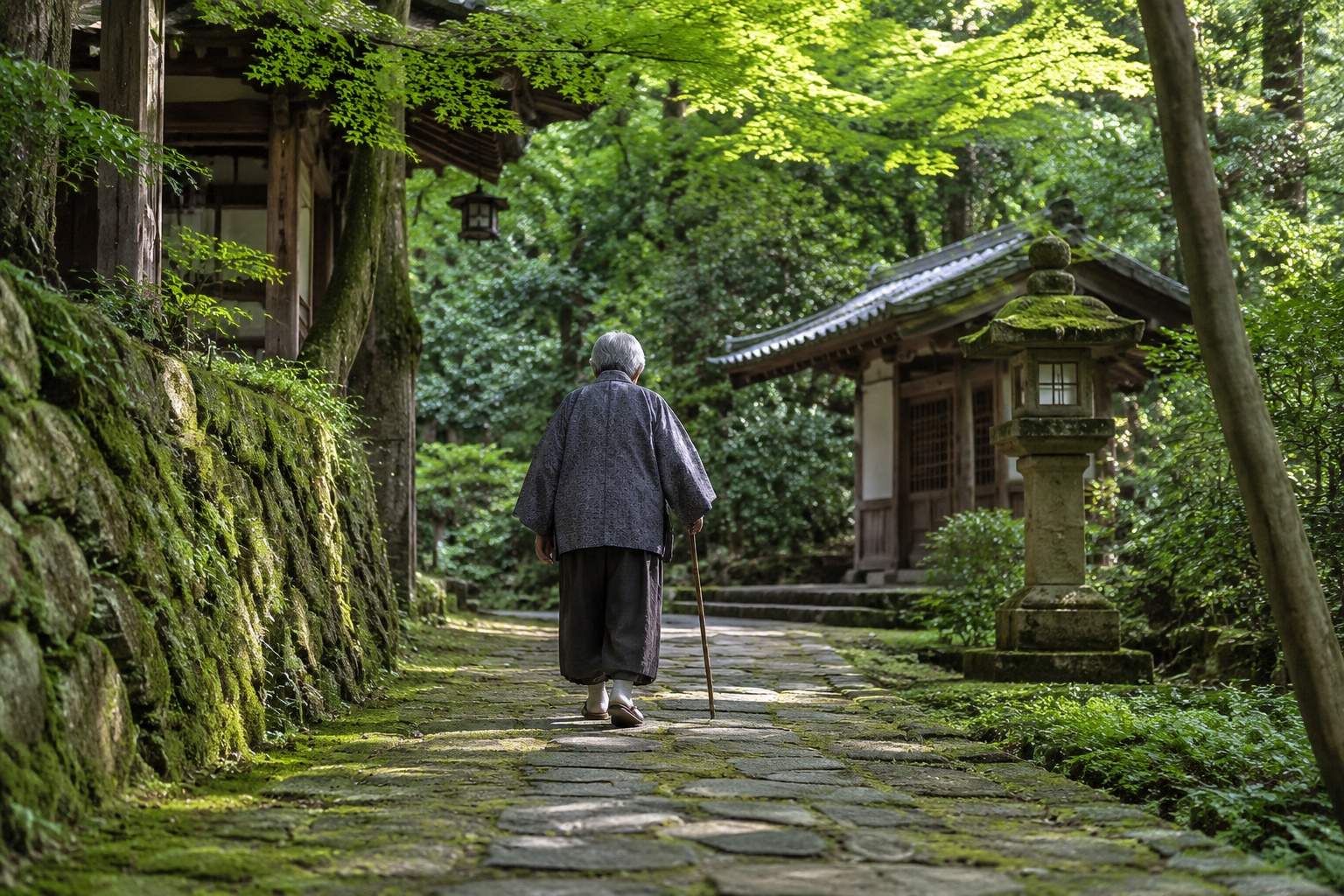
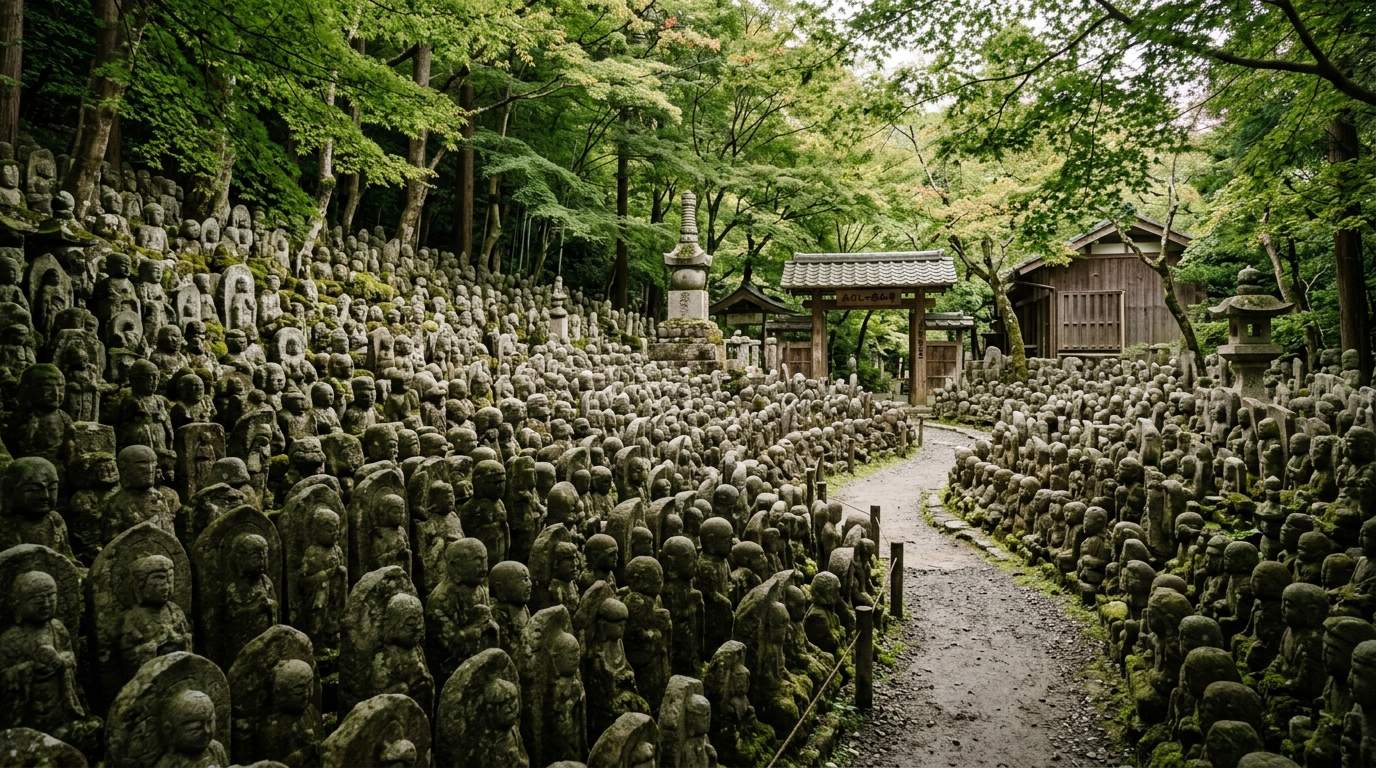
The cicadas hummed a relentless summer symphony, a soundtrack far removed from the selfie-stick cacophony I’d braced myself for. My fingers grazed the cool, moss-covered stone of a virtually empty path, the air thick with the scent of damp earth and distant incense. This wasn't the postcard Kyoto. This was something else entirely – a secret whispered only to those who dared to look beyond the glaring neon signs and endless queues. For those tired of paying a premium to jostle for a glimpse of 'authenticity,' pull up a stool. We're about to reclaim Kyoto, one ridiculously cost-effective, crowd-free moment at a time.
Dodging the Fushimi Inari Crush: Dawn Patrol & Hidden Shrines
Everyone queues for Fushimi Inari’s famous red torii gates, right? It's like a pilgrimage to see how many strangers can squeeze into your perfect Instagram shot. My friend, Kenji, a Kyoto local with a wicked sense of humor and an even wickeder knack for finding the path less traveled, practically dragged me out of bed before dawn. "Tourists," he grumbled, wiping sleep from his eyes, "they sleep too much." We arrived at the base of Inari mountain just as the first slivers of pink bled into the sky. The main path was still eerily quiet, the vermillion gates stretching endlessly before us, not a single influencer in sight. But the real magic? We veered off the main path, following a barely-there dirt trail Kenji called "the fox's shortcut." We stumbled upon tiny, forgotten shrines, cloaked in moss and shadow, where local shopkeepers would leave offerings of sake. It felt less like a tourist attraction and more like uncovering an ancient secret, a stark contrast to the human conveyor belt awaiting anyone who arrived after 8 AM. We even found a hidden tea house further up the mountain, run by an elderly couple who served exquisite matcha for ¥400 (about $2.70) – a steal compared to the ¥800+ you'd pay near the main entrance.
Eating Like a Local, Not a Mark-up Magnet: A Gion Odyssey
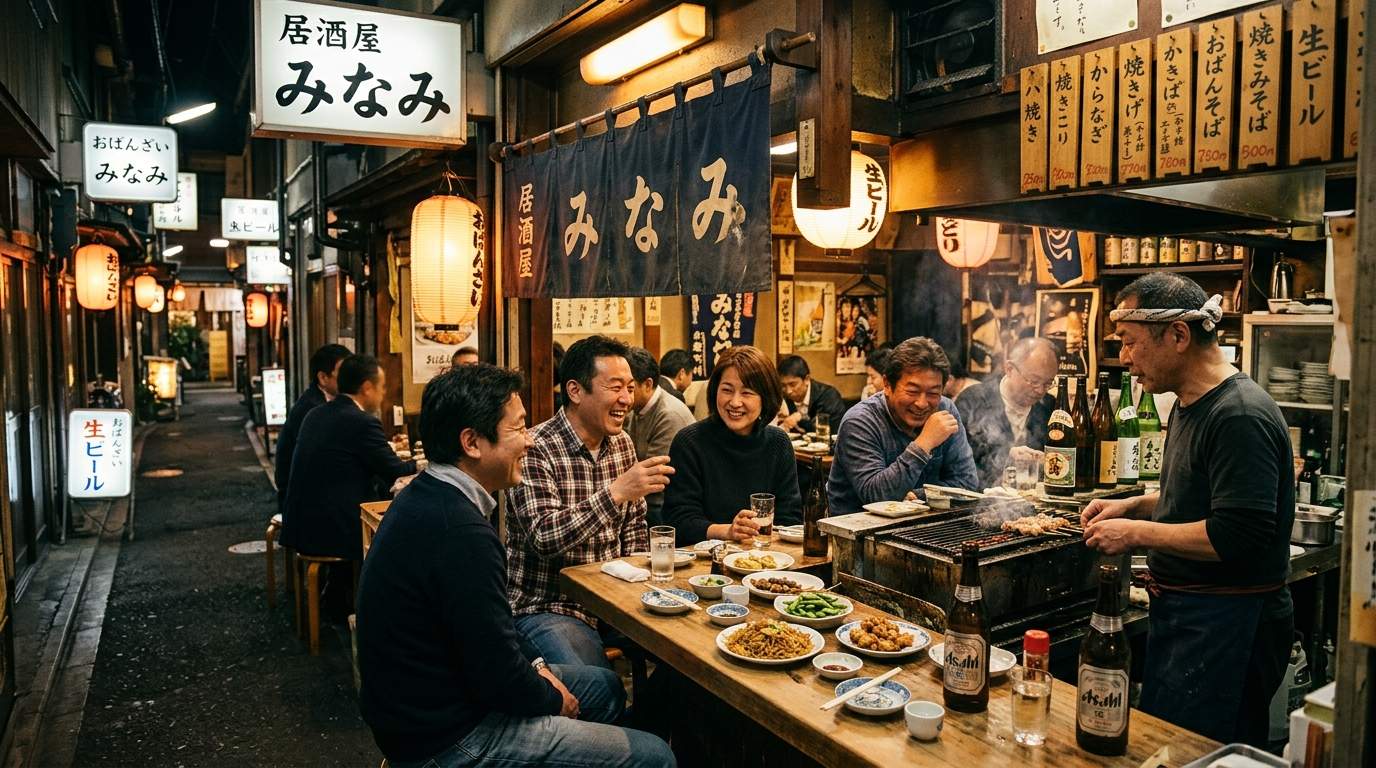
Gion, the famed geisha district, is often where wallets go to die. Or at least, they get severely lightened by ¥3000-¥5000 'traditional' dinners designed for wide-eyed visitors. My first night, I almost fell for the shiny restaurant fronts, all polished wood and hushed tones. "No, no, no," Kenji waved his hand dismissively. "Those are for the 'experience' budget. Your 'taste' budget lives here." He led me down a narrow, blink-and-you-miss-it alleyway, barely wide enough for two people, to a tiny izakaya called 'Akari.'
Navigating the Alleyway Menus
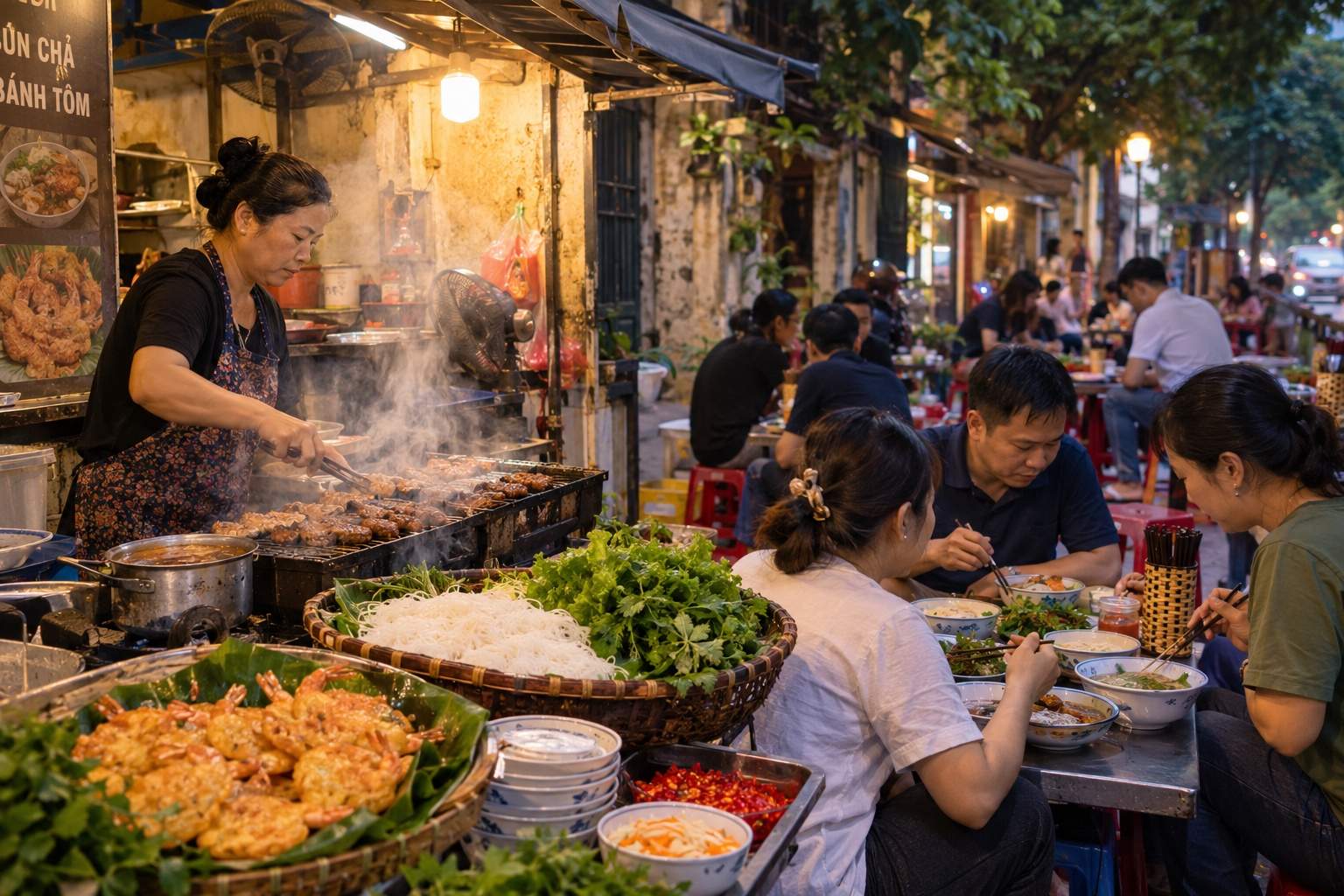
The menu was scrawled on a whiteboard in Kanji, and the only English translation was a friendly grunt from the chef, who, thankfully, pointed emphatically at the best skewers. We devoured plate after plate of yakitori – perfectly grilled skewers of chicken, vegetables, and even some questionable but delicious liver – washed down with cheap, frosty draft beer. Total bill for two people, stuffed to the gills? ¥3,500 ($23), roughly what one person might pay for a mediocre tourist meal in the main drag. The conversation flowed freely with the few other locals crammed onto stools around us, a genuine Kyoto evening devoid of forced politeness or inflated prices.
Serenity on a Shoestring: Arashiyama's Bamboo Forest (The Other Side)
Arashiyama's Bamboo Forest. Ah, the pilgrimage of peace... disrupted by hundreds of phone cameras. Everyone goes, everyone gets disappointed by the crowds. But Arashiyama has more than just bamboo. We rented bicycles for ¥500 ($3.40) for the whole afternoon – a fraction of what a private rickshaw tour would cost – and headed away from the main grove.
Cycling the Katsura River Banks
Pedaling along the tranquil Katsura River banks felt like entering a different dimension. The air was fresher, the chirping birds were the loudest sound, and traditional wooden boats glided lazily by. We found small, unmanicured gardens, utterly free to enter, that offered more profound serenity than any 'famous' Zen garden with its ¥500 entry fee. It's about shifting your gaze, literally, just a few hundred meters from the 'spot' everyone is told to see. We even stumbled upon a tiny, local pottery workshop where I picked up a beautiful, hand-thrown teacup for ¥1200 ($8), direct from the artisan, a much more authentic souvenir than anything from a gift shop.
Navigating Kyoto Like a Pro: Ditching the JR Pass Myth
Okay, a truth bomb for budget-conscious travelers: The JR Pass isn't always your best friend in Kyoto. While great for inter-city travel, within Kyoto itself, the local bus network is king. A one-day bus pass costs ¥700 ($4.70) and gets you everywhere. Period. Comparing it to single train fares, which can quickly add up, or expensive taxis, it’s a no-brainer. I saw so many tourists struggling with the complex subway map, missing out on direct bus routes that literally drop you at the temple gates. As for accommodation, resist the urge to book hotels right in the middle of Gion or Kyoto Station if you're pinching pennies. Staying a few stops out, perhaps near Nishijin or north of the Imperial Palace, often slashes your nightly rate by 30-50%. My Airbnb in a quiet residential area, a 15-minute bus ride from the action, cost me ¥6000 ($40) a night for a cozy traditional room, compared to ¥10,000+ for similar quality in a tourist hub. Plus, you get to wake up to the sound of children walking to school, not tour buses unloading.
Autumn Gold, Not Tourist Gold: Kyoto's Cooler Side
Visiting Kyoto in autumn (late October to early December) is a visual feast, but it's also peak season. The "reverse travel" trick here is simple: go slightly earlier or later than the Instagram-driven crowds. Mid-November sees the iconic crimson maples at their peak, but also shoulder-to-shoulder crowds. Aim for late October for gorgeous golds and fewer people, or early December when the leaves are still vibrant and the rush has subsided. If you’re really adventurous, winter (January-February) offers a serene, snow-dusted landscape that’s breathtakingly quiet and incredibly cheap. Think of Kiyomizu-dera draped in white, with only a handful of visitors – a truly different experience. The key isn't avoiding popular spots entirely, but experiencing them differently: at dawn, off-season, or by taking the 'wrong' turn. This isn't about seeing less; it's about seeing more genuinely, feeling more deeply, and spending smarter.
Kyoto isn't just about ticking off famous landmarks; it's about uncovering its soul, one quiet alley and budget-friendly meal at a time. Go beyond the guidebooks, chat with locals, and your experience will be richer, and your wallet, surprisingly heavier.