Help! Thought Kyoto Was Tourist Hell? We Cracked Its Code, No Queues, Real Savings.
- Quick Tags: Kyoto Budget Travel, Japan Offbeat Attractions, Fushimi Inari Tips, Daitoku-ji Zen Experience
- Editor: Chloe Jones
- Updated: Aug,01,2026
- Views: 381.4k









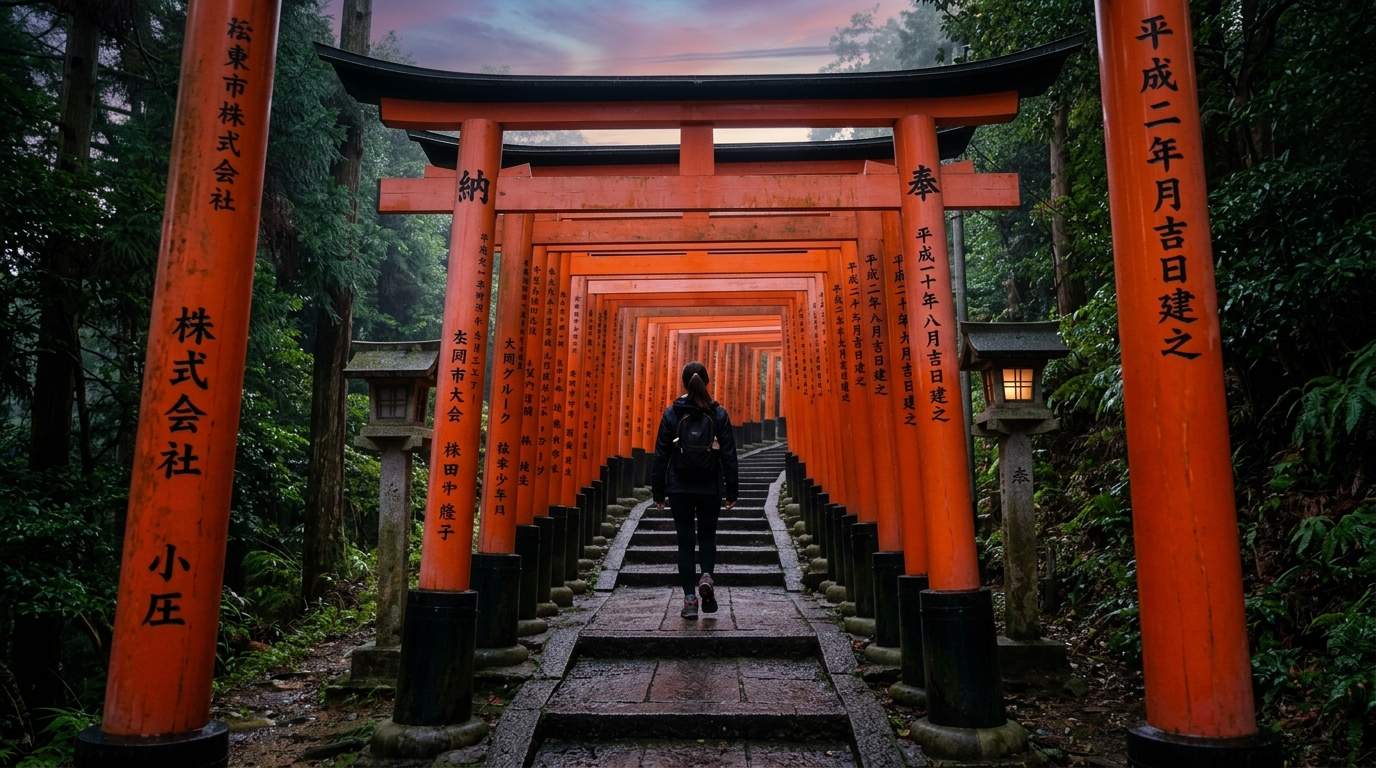
The first hint of dawn was a soft, bruised purple bleeding into the inky black sky over Kyoto. We were already half an hour into the ascent of Fushimi Inari Taisha, the air cool and crisp, carrying the faint scent of cedar. No selfie sticks. No jostling crowds. Just the rhythmic scuff of our sneakers on the gravel path and the occasional flutter of a pigeon. My buddy, Kenji, a notoriously late riser, was actually smiling as the thousands of vermilion torii gates began to glow, their inscriptions slowly revealing themselves in the growing light. "This," he whispered, a rare moment of awe from a man who usually only expressed enthusiasm for a good ramen bowl, "this is what they don't show you on Instagram." He was right. Most tourists see the main shrine, snap a few photos of the first hundred gates, and declare victory. We were playing a different game entirely.
Forget the midday madness. If you waltz into Fushimi Inari between 9 AM and 4 PM, you're not visiting a sacred mountain; you’re entering a human car wash. Your experience will be punctuated by elbows, incessant chatter, and the soul-crushing quest for a photo without a stranger’s head in it. We decided to flip the script. Our alarm blared at 4 AM, a barbaric hour that only the promise of true tranquility could justify. By 5 AM, we were already at the base, passing only a handful of dedicated locals and a fellow "reverse traveler" couple who exchanged knowing nods with us. The quiet ascent allowed for genuine reflection, letting the spiritual weight of the thousands of offerings truly sink in. We wandered off the main path onto smaller, moss-covered trails, discovering tiny, neglected shrines tucked away, their stone foxes gazing out with ancient patience. The air tasted different up here, like history and cool mountain mist. This wasn't just a hike; it was a pilgrimage that cost precisely zero yen, yet delivered a priceless sense of peace.
To truly experience Fushimi Inari, you need a strategy. First, embrace the pre-dawn or post-dusk hours. Seriously, set that alarm. Second, don't stop at the first few hundred gates. Most people turn back around the Yotsutsuji intersection, where there’s a nice view. Push past it. The higher you go, the fewer people you'll encounter, and the more secluded the trails become. You'll find yourself amidst older, weathered torii, often with trees growing through them, offering a far more authentic and ethereal atmosphere than the polished, new gates at the base. We even stumbled upon a small bamboo grove, rustling gently in the morning breeze, a personal slice of serenity that felt miles away from any tourist map.
After our dawn adventure, while the city was just stirring, we hopped on a local bus (a 230 yen single ride, easily covered by a 700 yen one-day pass if you plan more stops). Our next target: Daitoku-ji. Now, everyone flocks to Kinkaku-ji (the Golden Pavilion) for its undeniable sparkle, but at what cost? Both financially and existentially, given the sardine-can crowds. Daitoku-ji, on the other hand, is a sprawling Zen temple complex of nearly two dozen sub-temples, many of which house exquisite gardens and architecture. While a few sub-temples charge a modest entrance fee (typically 400-600 yen each, a steal compared to Kinkaku-ji’s 500 yen for a 15-minute viewing), simply wandering the extensive grounds is completely free. We spent hours here, discovering hidden paths, watching monks tending to gardens, and basking in an atmosphere of profound tranquility. There's no pressure to rush; you can sit by a rock garden for as long as you like, letting the quiet contemplation seep into your bones. Kenji even found a small shop selling matcha-flavored mochi that wasn't trying to upsell him a souvenir calligraphy set. "This," he declared, "is good for the soul and the wallet."
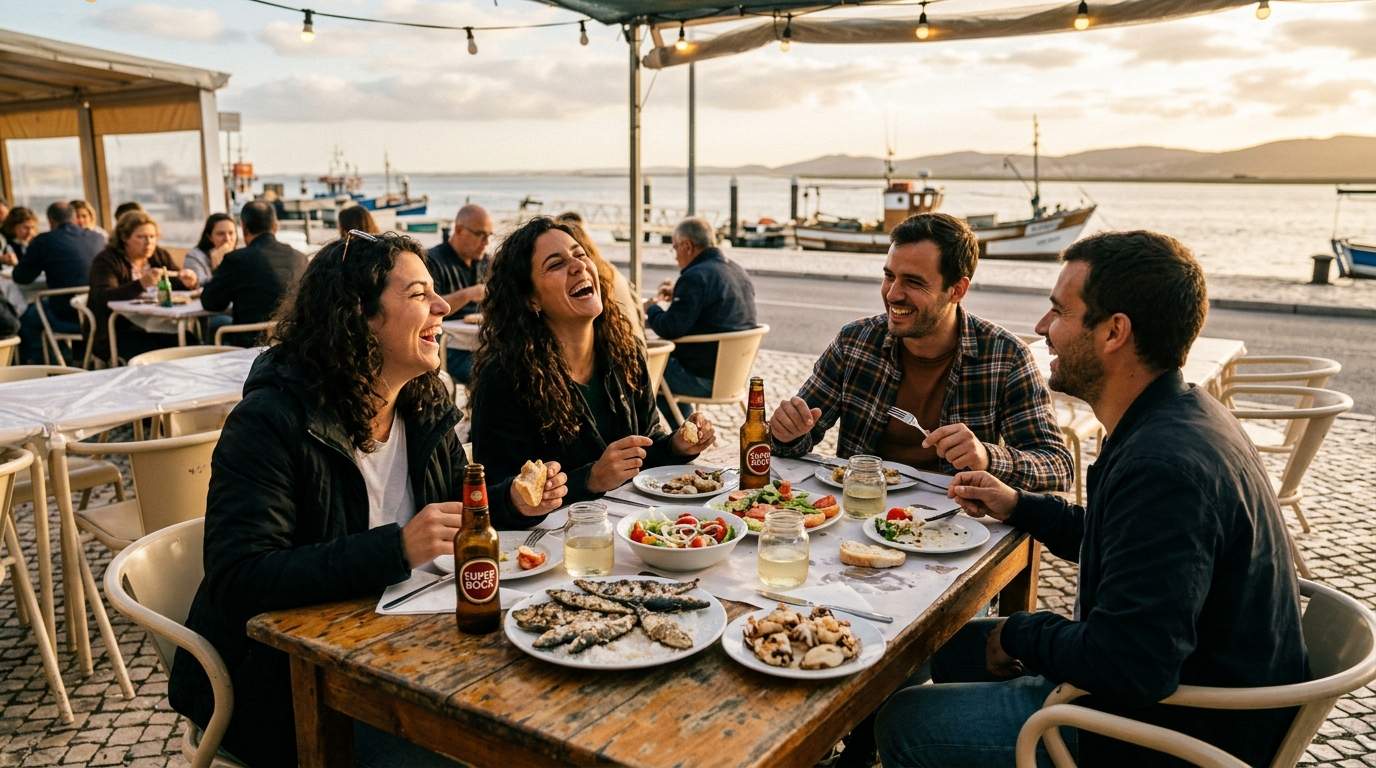
Kyoto food can be a minefield of "tourist traps" if you’re not careful. Nishiki Market, while visually appealing, is notorious for inflated prices and watered-down experiences designed for one-time visitors. A single skewer of tempura might set you back 500 yen, whereas a full, delicious lunch set in a local eatery could be 800 yen. Our strategy was simple: follow our noses, and look for places with handwritten menus (a good sign it caters to regulars) and minimal English signage. We found a ramen shop tucked down an alley near our guesthouse (booked for 4,500 yen/night for a twin room, about 20% less than central hotels) that served the most incredible tonkotsu broth for 750 yen. The counter was packed with salarymen, and the owner, a gruff but kind man, kept refilling our water glasses with an almost paternal efficiency. He didn't speak much English, but our pointing and enthusiastic "Oishii!" (delicious!) spoke volumes. This wasn’t just a meal; it was an authentic slice of everyday Kyoto life, a warm, steamy antidote to the cool morning.
Nishiki Market is visually vibrant, yes, but for truly authentic and cost-effective food, give it a wide berth for main meals. It's fine for a quick look or an exotic snack, but many vendors inflate prices significantly for tourists. Avoid any place with aggressive touts or menus plastered with "English!" signs. Instead, venture into the residential streets surrounding it, or use Google Maps to search for "local izakaya" or "ramen shop" a few blocks away. You'll find better quality, friendlier prices, and a genuine atmosphere where the locals actually eat. Your wallet, and your taste buds, will thank you.
Everyone goes to Arashiyama for the main bamboo grove. And yes, it’s stunning. For about five minutes, before you realize you're sharing that "serene" experience with a thousand other snap-happy tourists. Here's the trick: go past it. Further up the hill, you'll find Okochi Sanso Villa, the former home of a silent film actor. It costs 1,000 yen to enter, but that includes a cup of matcha and a traditional sweet. More importantly, its gardens are absolutely breathtaking, meticulously maintained, and almost always far less crowded than the main grove. Or, for a free and truly quirky experience, head to Otagi Nenbutsu-ji. This temple is home to 1200 unique Rakan statues, each with a different, often hilarious, expression, donated by visitors over decades. It's a bit of a hike or a short bus ride past the main Arashiyama action, making it a perfect "reverse travel" destination. We spent an hour there, giggling at the statues and feeling like we’d discovered a secret society of stone jesters.
Our Kyoto adventure, spread over four days with a focus on smart spending, proved that you don't need to empty your bank account to experience the city's soul. We kept transportation costs low by utilizing the 700 yen daily bus pass and walking everywhere else. For accommodation, we chose a charming guesthouse slightly outside the central tourist hub, saving us a good 15-20% compared to equivalent spots in Gion or Pontocho. Eating out was about seeking genuine local spots; we aimed for places where a meal cost between 700-1200 yen, easily found with a little exploration. Traveling in late October meant we caught some stunning autumn foliage without the peak crowds or exorbitant prices of early November, and the weather was perfectly crisp for walking. A local we met at Daitoku-ji, observing our respectful exploration, simply said, "You see more when you look closer, no?" And that, my friends, is the essence of it.
Kyoto isn't a destination to merely tick off a list; it's an intricate puzzle waiting to be solved by those willing to look beyond the obvious, yielding rich, unforgettable experiences without breaking the bank.