Furious About Rome's Tourist Traps? Unlocked Its Ancient Soul (Budgeting Like a Local).
- Quick Tags: Rome budget travel, Italy offbeat, Ancient Rome tips, Local food Rome
- Editor: Chloe Jones
- Updated: Aug,11,2026
- Views: 307k









The Roman morning air, crisp and tasting faintly of roasted coffee and old stone, wasn't what most tourists imagine. My friends, Leo and Maya, and I found ourselves not jostling for space at the Colosseum's gates, but perched on a quiet, sun-drenched bench in Testaccio. We watched nonnas haggle over artichokes at the market, the hum of authentic Roman life a stark contrast to the glossy brochures. "This," Maya whispered, sipping her €1.20 espresso – a stark comparison to the €5 tourist trap versions we'd seen – "is why we came." We knew Rome had more to offer than selfie sticks and inflated prices, and we were determined to find it.
Our mission for this Roman escapade was simple: experience the Eternal City's true pulse without draining our wallets or suffocating in tourist swarms. We landed in early spring, a brilliant choice for crisp walking weather and mercifully thinner crowds. Straight away, we agreed: no grand hotels, no pre-booked tour buses, and absolutely no eating within two blocks of any major landmark. That meant our first evening wasn't a pricey piazza meal but a stroll through Trastevere’s quieter side streets, past laundry lines and graffiti art, until we found a tiny trattoria where the nonna barely spoke English but her cacio e pepe spoke volumes for €10 a plate. Leo, usually a stickler for historical context, was too busy devouring his pasta to argue about authenticity. We were winning, one affordable, delicious bite at a time.
Rome's greatest treasures aren't always behind a ticket counter. Sometimes, they're simply there, waiting for those willing to wander. We made a conscious effort to seek out places that offered depth and local flavor, rather than just photo ops.
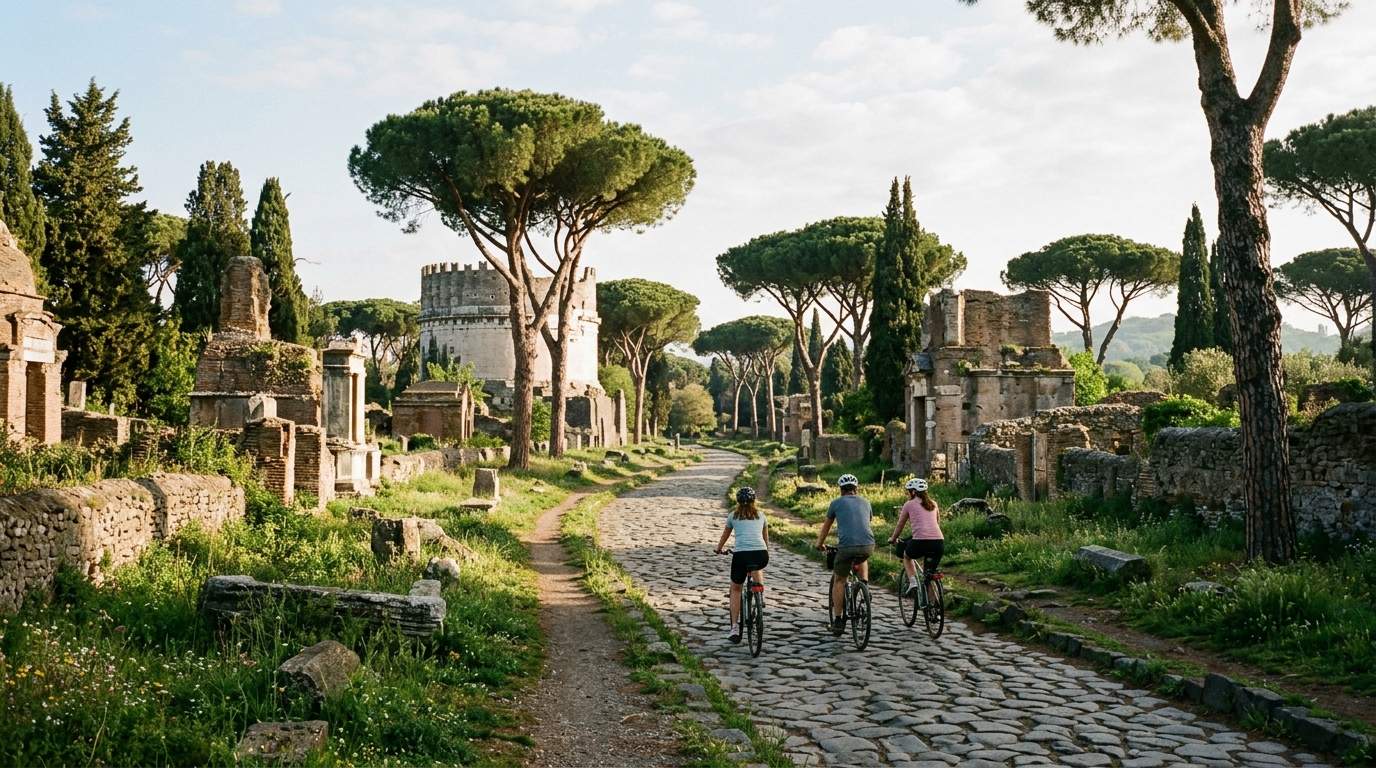
One glorious morning, armed with focaccia from a local bakery and two metro tickets (each costing €1.50 for 100 minutes of travel), we embarked on an adventure to the Appian Way. Stepping onto those ancient cobblestones, worn smooth by two millennia of chariots and footsteps, felt like walking directly into a history book. We rented bikes (around €5-8/hour from a shop near the start) and cycled past crumbling tombs, towering pines, and quiet fields. "Can you believe this is just... here?" Maya exclaimed, gesturing at a massive, nameless ruin. "No queues, no hawkers, just history." Leo was in his element, pointing out engineering feats and imagining legions marching past. It was profoundly peaceful, a far cry from the Vatican rush, and offered a perspective on Roman power that no museum could replicate.
Later in the week, following a tip from our Airbnb host (who, bless her Roman soul, scoffed at the idea of us spending hours in the Capitoline Museums), we found ourselves at Centrale Montemartini. Housed in a former thermoelectric power plant, this museum juxtaposes classical Roman statues and mosaics against the massive, preserved machinery of the industrial era. Imagine a serene marble goddess posing casually beside a gigantic, rusty turbine. The entry fee was a modest €7.50, and we shared the vast, echoey halls with maybe ten other people. "It's like a sci-fi movie where the future meets the past," Leo mused, utterly captivated by the contrast. It was quirky, thought-provoking, and a testament to Rome's ability to surprise.
Forget the picturesque piazza restaurants with their translated menus and inflated prices. The real Rome, and its real food, thrives in the backstreets and local markets. We navigated our gastronomic journey with the precision of seasoned treasure hunters.
Our mornings always started with an espresso, standing at the bar like true Romans. At our favorite bar near our Airbnb, a shot of potent, perfectly pulled coffee cost us €1.20. One day, Maya, curious, ordered a cappuccino at a cafe near the Pantheon. "Five euros!" she whispered, aghast, after paying. "It's literally the same size!" This became our running joke: the Espresso Economics Lesson. We learned that pizza al taglio (pizza by the slice, sold by weight) from a local baker was often fresher and tastier than any sit-down restaurant, and a massive, satisfying lunch could be had for €4-6. For dinner, we stuck to osteria or trattoria that were visibly frequented by locals, often identified by hand-written menus outside.
Our accommodation strategy was critical for balancing comfort with cost. We opted for an Airbnb in the San Giovanni neighborhood, just outside the hyper-central tourist zone, but well-connected by metro. For three nights, our group of three paid roughly €250 total – a fraction of what a central hotel would have cost. The benefit wasn't just financial; our mornings started with the authentic clatter of a working-class Roman street, not the generic silence of a hotel lobby. Plus, the public transport system, once deciphered, was incredibly efficient. We relied heavily on buses and the metro, investing in a weekly pass for about €24, which paid for itself within two days, avoiding endless expensive taxi rides.
Our "reverse travel" mantra meant we embraced early mornings and late evenings for iconic sights, opting to explore lesser-known areas during peak midday crowds. For the Colosseum, we chose a sunrise stroll around its exterior, witnessing the ancient amphitheater bathed in ethereal golden light, before the ticket lines even began to snake. We saved our entrance fee for the Borghese Gallery (book months ahead, seriously!) later in the week. This approach meant we experienced moments of profound quiet at places usually teeming with people. When others were queuing for hours, we were discovering a breathtaking view from the Orange Garden (Giardino degli Aranci) on the Aventine Hill, or simply enjoying a leisurely Roman lunch, far from the tourist rush.
Rome truly reveals itself to those willing to look past the obvious and embrace the slightly inconvenient path. We arrived eager to avoid the pitfalls and left with full hearts, lighter wallets than expected, and a treasure trove of genuinely unique memories. Forget fighting for a photo; we found Rome's actual magic, one authentic, budget-friendly experience at a time.