Regret Florence crowds? €5 Gelato & zero queues is the real flex.
- Quick Tags: Florence travel guide, avoid tourist traps, Italy hidden gems, budget European travel
- Editor: Chloe Jones
- Updated: Jul,22,2026
- Views: 479.5k









The late afternoon sun painted the Arno in shades of gold and rose, not from the elbow-to-elbow crush of Ponte Vecchio, but from a quiet, unassuming bench tucked beside Ponte Santa Trinita. My friends, Chloe and Maya, were already halfway through their €2.50 espressos, while I savored a generous scoop of pistacchio gelato that cost less than a bottled water near the Duomo. "Honestly," Chloe murmured, eyes half-closed in bliss, "this is what they don't show you on Instagram." And she was right. We weren't just in Florence; we were in our Florence, a city we'd systematically deconstructed from its tourist-trap facade, piece by glorious, budget-friendly piece. We'd come seeking beauty, culture, and, let's be real, bragging rights for outsmarting the hordes. Mission, dare I say, accomplished.
Listen, I love Florence as much as the next art history enthusiast, but the sheer volume of humanity jostling for a photo op with David, or enduring a two-hour queue for the Uffizi, can make even the most patient traveler want to curl up in a quiet corner with a strong Negroni (which, ironically, we did manage for €7, local price). Our trip, a long-overdue girls' escape, was predicated on a simple principle: if it's trending on TikTok, we're probably doing the opposite. Our goal was ultimate cost-performance, genuine connections, and experiencing the city’s true pulse without the constant soundtrack of tour guides shouting into headsets. This wasn't about deprivation; it was about smart choices, turning conventional wisdom on its head, and finding luxury in authenticity and space.
Forget the main drag. Our mornings began not with a frantic dash to the Piazza della Signoria, but with a leisurely stroll across Ponte Santa Trinita into the Oltrarno district. This side of the Arno feels like stepping into a different era, where artisan workshops still hum with activity, and the scent of curing leather mingles with freshly baked bread. We ducked into a small bottega where a kindly man, Signore Rossi, was meticulously tooling a new wallet. "No, no," he waved dismissively at a machine, "all by hand." We chatted for twenty minutes, learning about his craft, and walked away with unique, handmade souvenirs for less than mass-produced trinkets on the other side of the river.
And the food! Oh, the food. After one too many tourist-menu disappointments (read: soggy pasta for €18), we made it our mission to eat like locals. Our first genuine "score" was a tiny gelateria down a side street in Oltrarno, a place without flashy signs or English menus. Chloe, ever the brave one, pointed at a flavor that looked like a cloud. The owner, a sweet nonna, scooped generously, her eyes twinkling. Two massive scoops of heavenly, fresh-fruit gelato? €2.50. "Wait," Maya gasped, "the tiny cup by the Duomo was €5!" This wasn't just about saving money; it was about tasting real gelato, made with passion, not profit margins. We returned daily, each time greeted like family, discovering flavors we'd never seen on the main square. This became our benchmark: if the gelato was less than €3 and tasted like sunshine, we were winning.
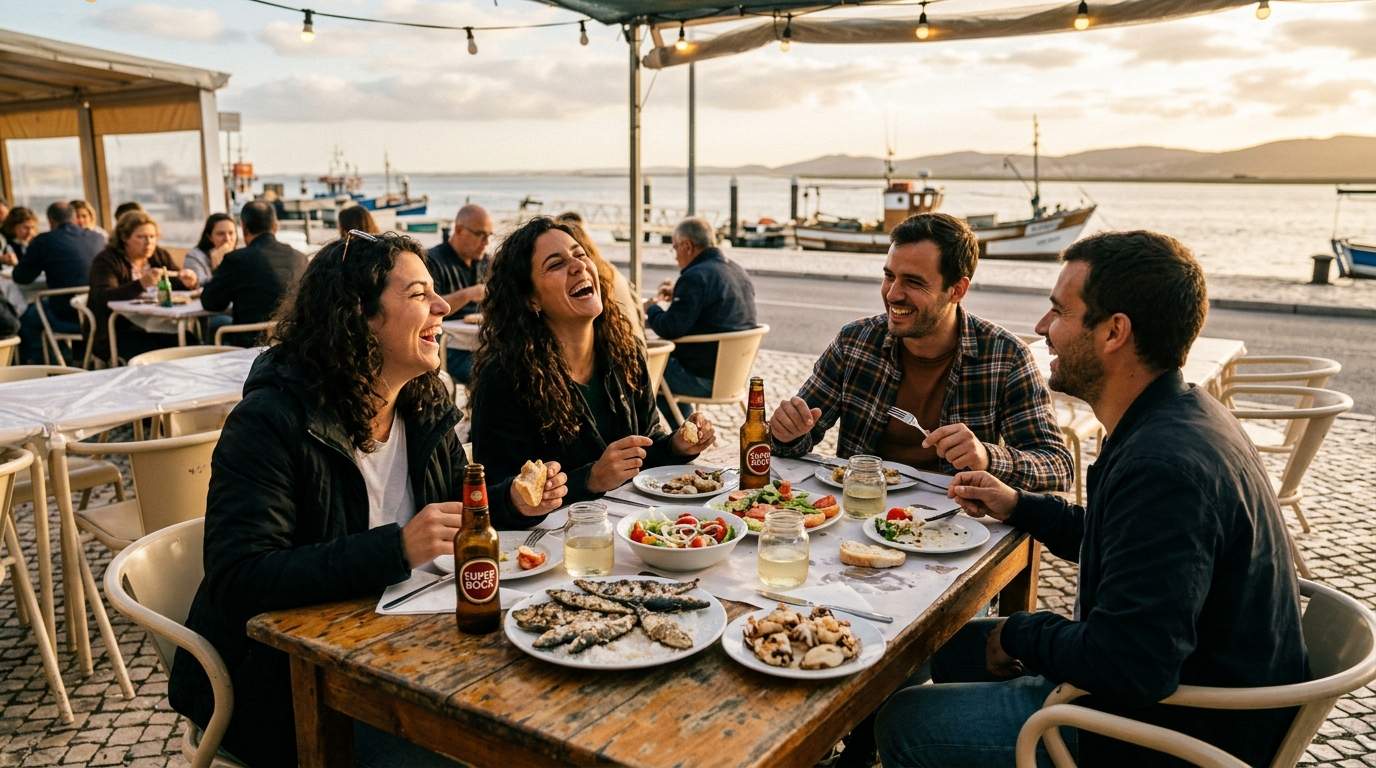
Our most delightful find was a tiny trattoria in Oltrarno that advertised a "menù fisso" (fixed menu) for lunch: two courses, bread, and water for €15. Compare that to a single plate of pasta for €20 near Palazzo Pitti. The owner, a jovial man named Marco, took a liking to us, insisting we try his homemade limoncello. We found ourselves practicing our broken Italian, laughing as he corrected our pronunciations. It felt like dining in someone's home, with hearty portions of pasta and perfectly grilled meats, a stark contrast to the sterile, hurried service we'd experienced elsewhere. This wasn't just a meal; it was an immersion.
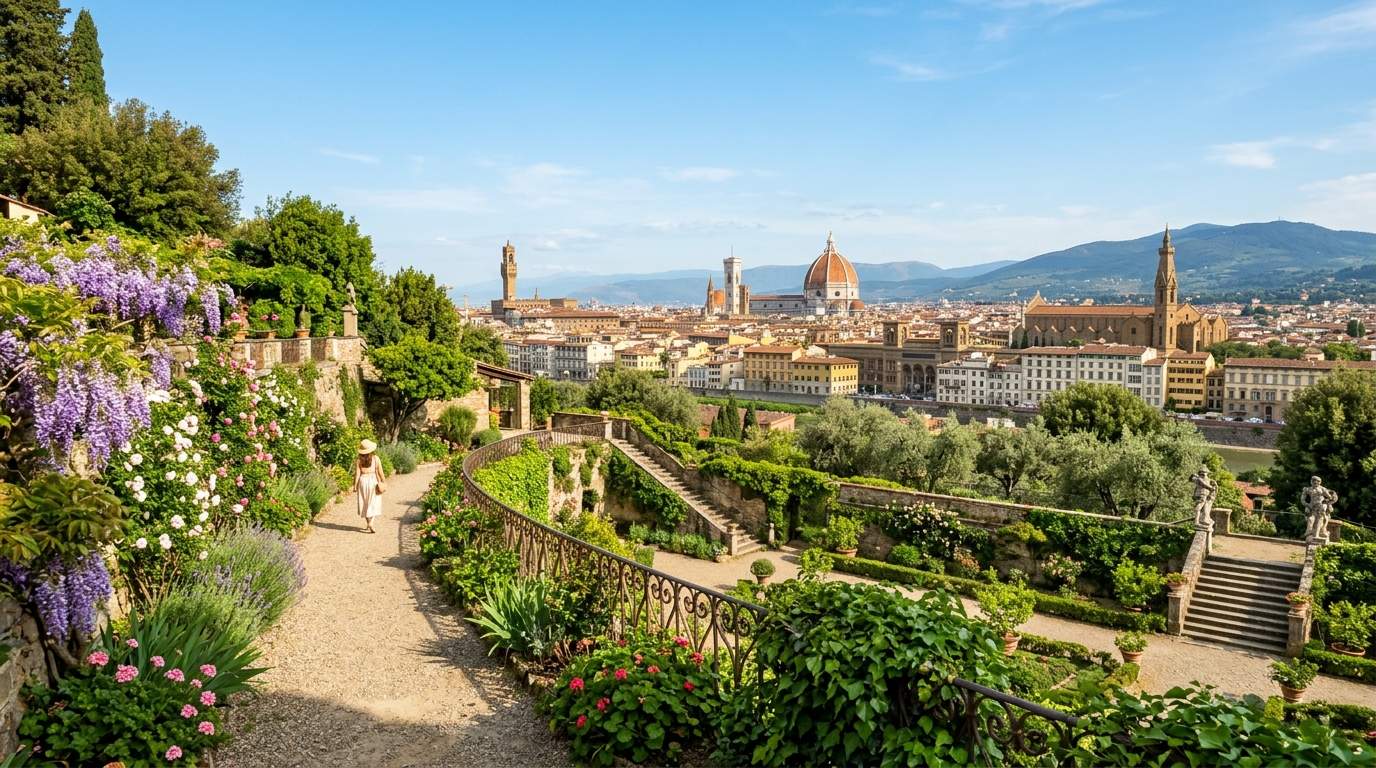
Everyone flocks to Boboli Gardens, right? And for good reason, they're sprawling and magnificent. But they're also a maze of humanity, and frankly, a bit of a slog. Our "reverse travel" choice? The Bardini Gardens. Tucked away on a different hill, they offer arguably the most spectacular, unobstructed panoramic views of Florence – the Duomo, Palazzo Vecchio, the entire cityscape – all without the crowds. The entrance fee (€10, often bundled with Villa Bardini and some other small museums, making it an even better deal) is worth it just for the climb through the wisteria tunnel alone (if you hit it in spring, prepare for sensory overload). We spent a tranquil afternoon wandering the terraced gardens, finding hidden statues and enjoying the quietude. "This," Maya declared, striking a dramatic pose with the Duomo perfectly framed behind her, "is my new desktop background." And there wasn't a single selfie stick photobombing her moment of glory.
If you want to understand the true heartbeat of a city, go to its local market. Forget the glossy, tourist-centric Mercato Centrale upstairs. Head to Mercato Sant'Ambrogio. This place is loud, vibrant, and gloriously chaotic, filled with Florentines doing their daily shopping. We arrived mid-morning, just as the buzz was at its peak. Farmers yelled about their fresh produce, butchers skillfully sliced meats, and cheese vendors offered tantalizing samples. We grabbed a panino al lampredotto (a Florentine specialty, trust me) from a street cart outside for a mere €4, devoured while standing shoulder-to-shoulder with locals. Later, we pieced together a picnic lunch from the market stalls: fresh pecorino cheese, sun-dried tomatoes, a rustic loaf of bread, and a bottle of local Chianti – all for under €15 total. It was an impromptu feast, a true taste of Tuscany, enjoyed on a park bench nearby, far removed from any overpriced outdoor cafe.
Florence in late spring is a marvel, especially when you know where to look. The weather is divine – warm, but not sweltering – perfect for endless walking. Comfortable shoes are your absolute best friend; leave the heels at home unless you fancy a twisted ankle on cobblestones. We found that early mornings (before 9 AM) and late evenings (after 7 PM) offered the best opportunities to see the major sights with fewer people, allowing for those moments of quiet contemplation. By focusing on experiences that resonated with local life, prioritizing authentic food spots (ask locals, look for menus only in Italian, and step away from the main squares!), and choosing less-trodden paths like Bardini Gardens, we managed a truly unforgettable, three-day Florentine adventure for a fraction of what most tourists pay. No regrets, only glorious memories, and a smug satisfaction that we cracked the code.