A wet sneeze from your hedgehog’s tiny nose: allergies or a deadly pneumonia?
- Quick Tags: hedgehog respiratory infection, pet hedgehog sneezing, hedgehog nasal discharge, small pet illness signs
- Editor: Chloe Jones
- Updated: Aug,08,2026
- Views: 313.7k









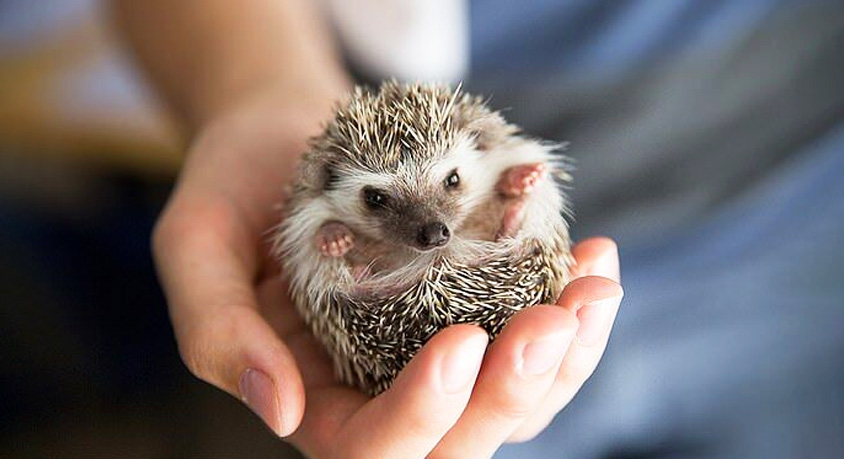
You sit down to watch TV with your hedgehog, Pip, in your lap. He twitches his nose. Then a small, wet sneeze. A drop of clear fluid lands on your hand. “Bless you,” you whisper. “Probably dust from his bedding.”
The next morning, Pip’s nose looks crusty. He sneezes again. Then again. He barely touches his mealworms.
That tiny sneeze was never allergies. It was a whisper from lungs slowly filling with fluid.
Hedgehogs do not get seasonal allergies like humans. A sneezing hedgehog is rarely reacting to pollen. Most often, the cause is a bacterial or viral infection spreading through the respiratory tract. Left untreated, it becomes pneumonia within days.
One of my clients lost a young hedgehog because she thought his sneezing was “cute.” The necropsy showed severe lung consolidation.
A hedgehog may sneeze once after sniffing dust or a strong spice. That is normal. These patterns are not.
Pip sneezes every few minutes for an entire evening. He stops only to sleep. This is not irritation. It is infection. The sneeze is his body trying to clear mucus from inflamed airways.
Hold Pip close to your ear. If you hear a wet click or a dry rattle with each breath, his lungs are already involved. Clicking means fluid. Rattling means narrowed passages. Both demand a vet visit today.
Clear discharge can be early infection. Green or yellow means pus. That is advanced pneumonia. Do not wait.
Look at the color and thickness before you wipe it away.
Early stage. Home supportive care may work if the hedgehog is still eating. Raise cage temperature to 24–26°C. Offer extra fluids via wet cat food. Monitor for 12 hours. If no improvement, see a vet.
Moderate infection. Bacteria are multiplying. Home care alone is unlikely to succeed. Call your exotic vet for oral antibiotics.
Emergency. These colors indicate severe infection or abscess in the lungs. The hedgehog needs injectable antibiotics and possibly nebulization.
Respiratory infections do not appear from nowhere. These three signs often appear days before the first sneeze.
A healthy hedgehog runs on his wheel for hours. A sick hedgehog walks a few steps, then returns to his hide. He is saving energy for breathing.
Pip crunches a mealworm, drops it, then gives up. He still licks wet cat food. Chewing hard insects hurts when sinus pressure builds in the head.
Hedgehogs do not pant. An open mouth during sleep means nasal passages are blocked. He cannot breathe through his nose.
You can prevent most sneezes with two simple fixes.
Hedgehogs need a consistent ambient temperature of 23–26°C. If the cage drops below 21°C at night, their immune system slows. Bacteria that live harmlessly in the nose multiply. Use a ceramic heat emitter with a thermostat. Heat mats under the cage are not enough.
Pine, cedar, or recycled paper pellets with added fragrances release dust and phenols. These irritate the lungs and create chronic inflammation – an open door for infection. Switch to dust-free fleece liners or aspen shavings (never cedar).
These red flags mean call your exotic vet immediately.
Weigh Pip every Sunday. A loss of 15 grams or more in one week, even with sneezing as the only symptom, means the infection is consuming his body’s resources.
A hedgehog who cannot breathe well stops moving. A stopped gut follows quickly. No stool for 12 hours plus sneezing is an emergency.
Respiratory infections often travel up the tear ducts. Crusty or swollen eyes mean the infection has spread.
I worked with a rescued hedgehog named Olive who sneezed green mucus for three days. Her owner thought she “just had a cold.” After five days of antibiotics and a warmer cage, Olive sneezed once – clear and dry – then ate six mealworms.
“I almost waited one more day,” the owner said. “She would not have made it.”
Tonight, when your hedgehog sneezes, do not say “bless you” and look away. Watch his nose color. Listen for clicks. Check his weight. That tiny sneeze is not a quirk. It is the smallest, softest alarm your pet will ever give you. Learning to hear it is how you keep a cold from becoming a goodbye.