Automatic Feeder Dispensed, Yet the Hungry Gaze Lingers: What's Missing?
- Quick Tags: cat always hungry, automatic feeder problems, pet anxiety, enrichment feeding
- Editor: Editorial Team
- Updated: Oct,09,2026
- Views: 274.3k





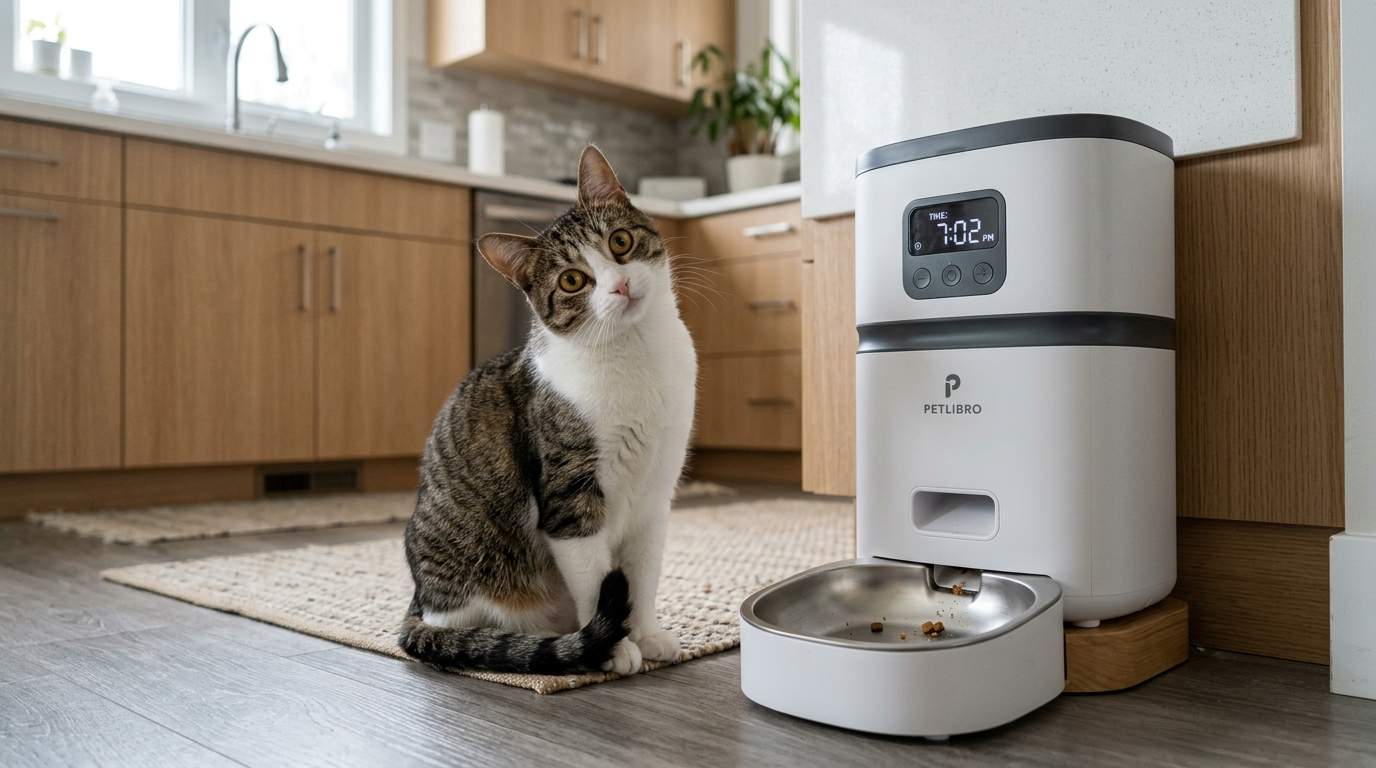
The soft whir of your new automatic feeder signals mealtime, followed by the satisfying crunch of kibble. A moment of peace, perhaps? But then, just ten minutes later, a small, furry shadow weaves between your legs. You glance down to meet wide, pleading eyes, a plaintive meow escaping a tiny mouth, acting as if food hasn't touched their bowl in days. You feel that familiar pang of confusion and a fresh wave of guilt. You invested in this technology to do right by your beloved Luna, to ensure she’s perfectly portioned and content. Is the feeder broken? Is she genuinely starving, or is this just a dramatic performance? Are you, by relying on a machine, unknowingly making her more anxious? These feelings are so common, dear friend, and you are far from alone in this perplexing situation.
It’s a scene replayed in countless homes around the world: the human, armed with technology, and the pet, armed with an ancient plea. The idea that a smart feeder would solve the mystery of why your cat is always hungry seems so logical on the surface. Precise portions, consistent timing – what more could a pet want? Yet, for many, like our fictional Luna, the internal alarm bells of hunger continue to ring, even when their tiny bellies are full. This isn't a flaw in your pet, nor necessarily in your feeder, but rather a gentle nudge from your pet's deeply ingrained instincts.
We often think of hunger purely as a physiological need – an empty stomach signaling for sustenance. And yes, proper nutrition is paramount. But for our companion animals, especially cats and dogs, "hunger" is a much richer tapestry, interwoven with psychology, instinct, and emotional well-being. A bowl of food, no matter how perfectly portioned, may satisfy physical hunger but leave other crucial needs unaddressed. It’s like being given a complete novel but being forbidden to turn the pages yourself; the story is there, but the engaging experience is missing.
Consider Luna's wild ancestors. Every meal was a quest, a hunt involving strategy, movement, and mental engagement. They weren't just eating; they were fulfilling a deep, evolutionary drive to forage and secure their food. This "hunting" process releases dopamine and serotonin, creating feelings of satisfaction and accomplishment. When food simply appears in a bowl, this entire sequence of natural behavior is bypassed. Your cat isn't consciously thinking, "I need to hunt," but their innate programming still yearns for the mental and physical stimulation that comes with earning a meal. This unmet need can manifest as a persistent feeling of being "hungry" or restless, even with a full stomach.
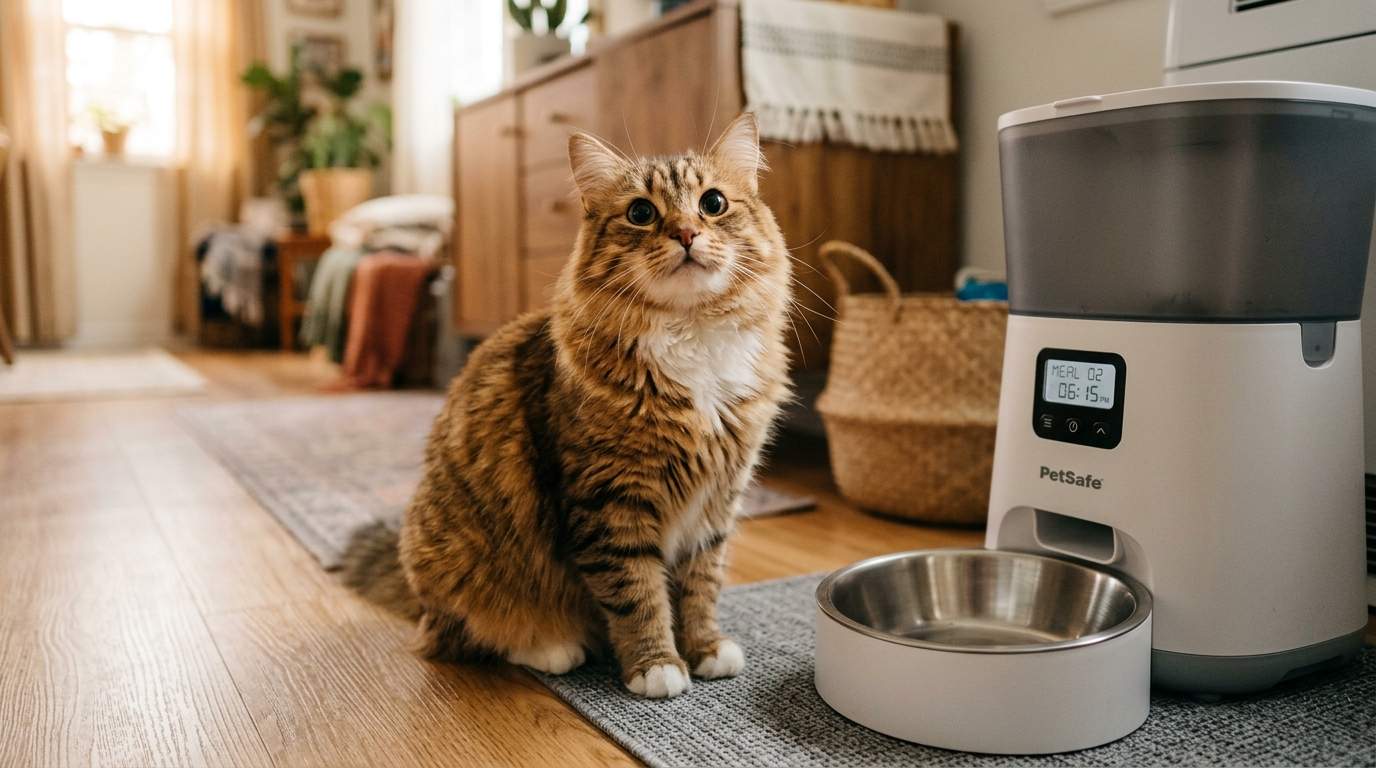
The appeal of automatic feeders is undeniable: convenience, portion control, and peace of mind for busy pet parents. However, by fully automating meal times, we risk inadvertently removing a vital component of the human-animal bond and creating pet anxiety. For many pets, feeding time is a key interaction point with their human – a moment of connection, validation, and security.
Imagine your cat, Luna. She associates you with safety, comfort, and the provision of resources. When the feeder takes over completely, that direct engagement at mealtime—the gentle word, the reassuring presence, the hand that places the bowl—is diminished. This can leave a void, a subtle sense of disconnect, leading some pets to seek attention and reassurance through the very behavior you hoped to curb: begging for food. It's not about manipulation; it's often a genuine yearning for connection and the predictable rhythm of shared interaction.
The wonderful news is that you absolutely can use your automatic feeder for consistent portioning while still nurturing your pet’s behavioral needs! The key lies in reintroducing the "hunt." Enrichment feeding transforms mealtime from a passive event into an engaging activity.
Instead of just pouring food into an open bowl, consider these simple yet powerful tools:
These methods encourage your pet to "work" for their food, fulfilling those deep-seated instincts and reducing overall food-related anxiety.
Remember, you are an amazing pet parent, and noticing these subtle signals from your pet shows immense love and attentiveness. Building a feeding routine that addresses both physical and psychological hunger will strengthen your bond and bring calm to your home.
By understanding the intricate psychology behind your pet's "hunger" and incorporating enriching activities, you're not just feeding a body; you're nurturing a confident, contented soul. Your smart feeder can be a valuable tool, but the most powerful ingredient in any meal will always be your thoughtful, healing presence.