Why Does Your Senior Cat's Whiskers Droop During Play, Rejecting the Chase?
- Quick Tags: senior cat behavior, elderly cat care, geriatric cat health, cognitive dysfunction cats
- Editor: Editorial Team
- Updated: Aug,12,2026
- Views: 368k


Senior Cat Behavior: Decoding Drooping Whiskers
Picture this: your 14-year-old tabby, once a playful hunter, now sits motionless as her favorite feather toy dances by. Her whiskers, those sensitive radar antennae, hang limp instead of quivering with excitement. As a pet behavior consultant who's traveled from cozy UK cottages to sunlit Australian homes, I've seen this subtle shift in countless senior cats. It's not laziness—it's a whisper from their changing world.
We often chalk it up to age making them cranky, but that's backward. Drooping whiskers signal sensory overload or discomfort, not disinterest. In geriatric cat health, this micro-movement reveals cognitive dysfunction cats face, much like human mild dementia. Studies from the Journal of Feline Medicine and Surgery show up to 80% of cats over 11 exhibit these signs, yet early tweaks in routine restore their spark.
Forgetfulness creeps in softly. My client’s Siamese, Luna, a spry 12-year-old, began ignoring her bowl, whiskers slack even at mealtime. It wasn't rebellion; her brain's navigation was fuzzing out.
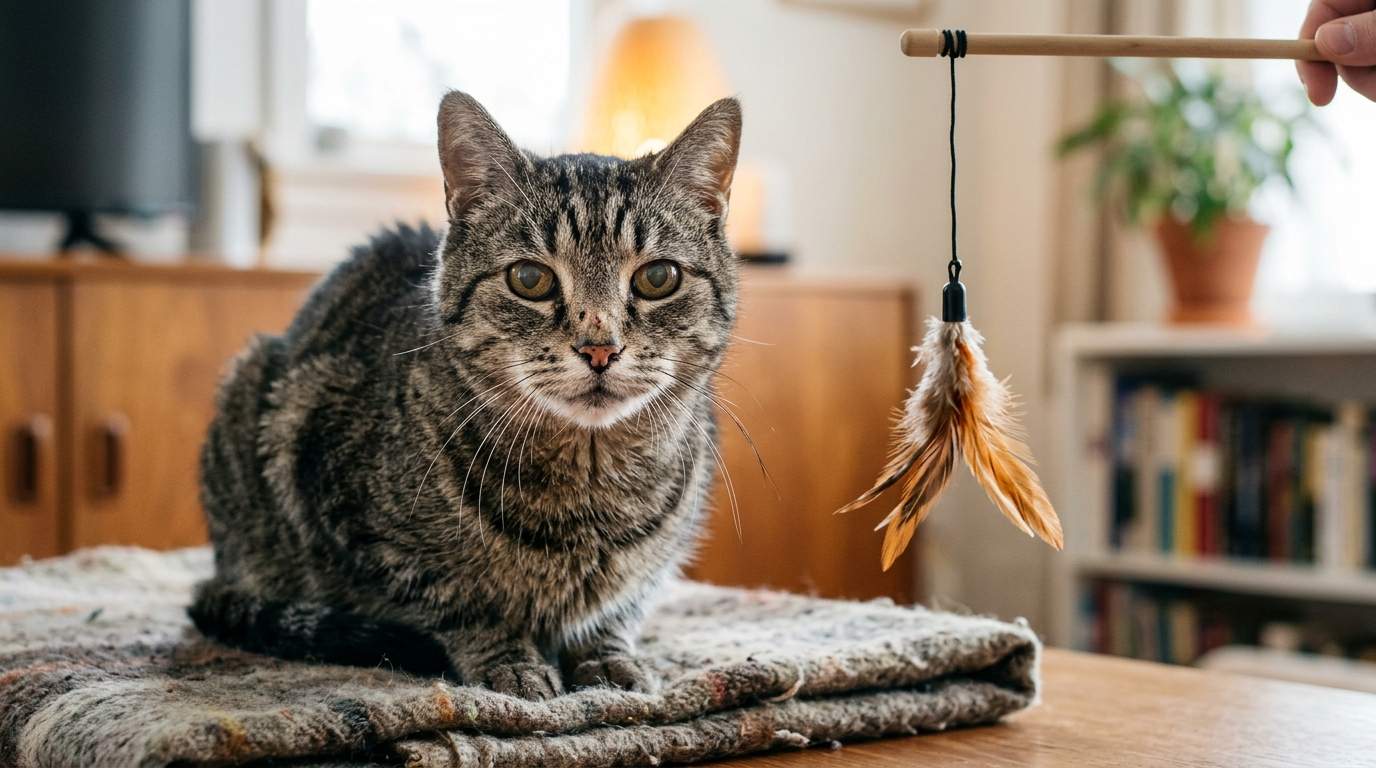
Senior cat behavior flips our expectations—play that thrilled them young now exhausts. Those drooping whiskers? They're throttling back input from overstimulated nerves. Instead of pushing more toys, dial down: shorter, gentler sessions with larger, slower-moving lures preserve dignity and energy.
I remember Whiskers, a rescue Persian I advised in Canada. At 15, he'd freeze mid-pounce, whiskers limp, eyes distant. His owner thought he was done playing forever. We shifted to puzzle feeders mimicking calm hunts—his whiskers perked within weeks, confidence blooming.
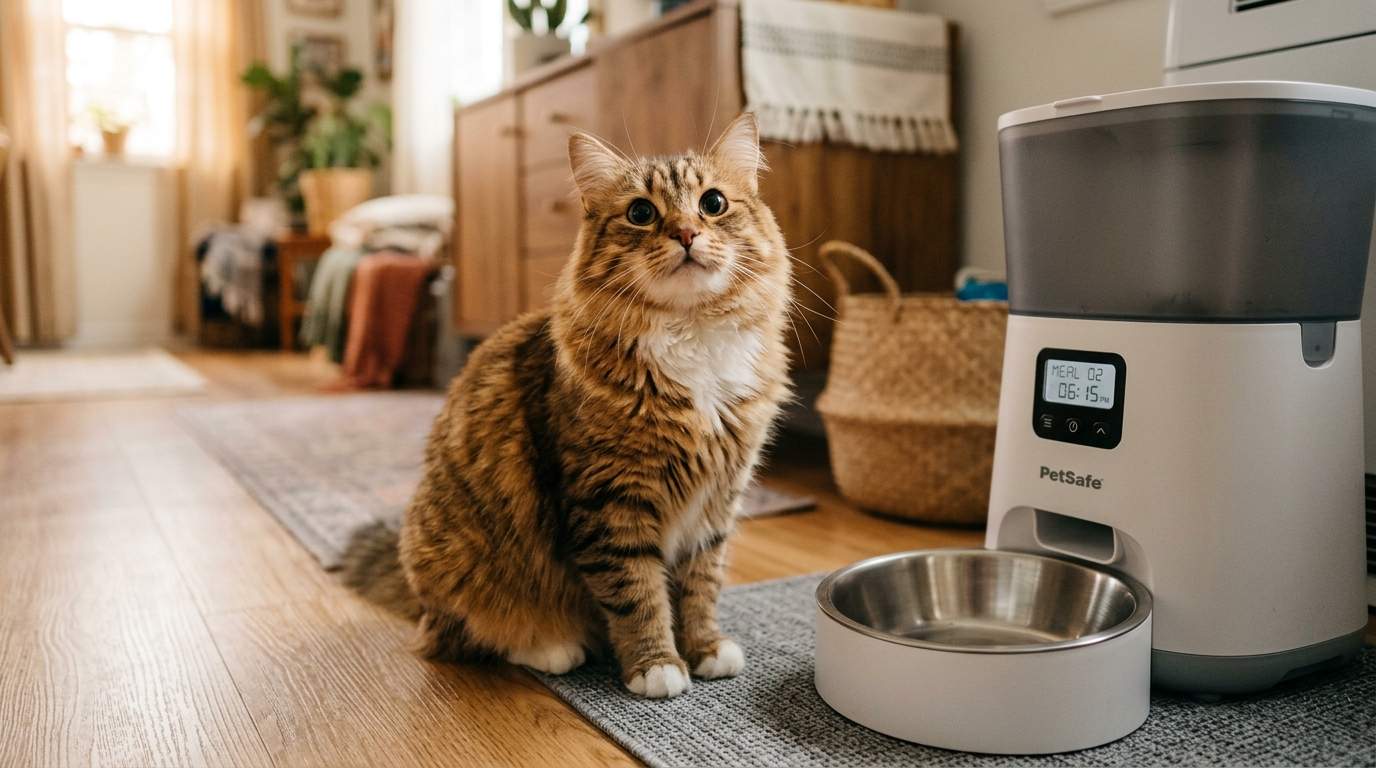
Consistency heals. Feed at dawn and dusk, mimicking wild rhythms, to anchor their foggy clocks.
Chasing reinforces failure for them. Offer "invites"—place toys near resting spots, letting them approach. This respects their autonomy, countering the myth that seniors just need medicating. Pheromone diffusers, paired with quiet laps, soothe without sedation.
Luna's story turned when her mom sat silently nearby during play. No coaxing, just presence. Soon, tentative paw taps returned, whiskers twitching faintly—a silent thank you.
Layer in joint support via soft bedding and vet-checked mobility aids. Monitor for arthritis masking as aloofness; gentle massages revive circulation. Track patterns in a journal—droops after noise? Soundproof play zones.
For breeds like Persians or Maine Coons, prone to thicker fur tangles, weekly grooming prevents whisker-pulling discomfort. You're not just caring; you're translating their quiet pleas into comfort.
These cats, with souls as deep as oceans, teach patience. Embrace the droop as a cue, not a close. Your steady hand reignites their inner kitten—one whisker twitch at a time.