That Dog's 'Guilty' Look: Are We Misreading Those Averted Eyes?
- Quick Tags: dog guilt, pet behavior, dog body language, canine psychology
- Editor: Editorial Team
- Updated: Aug,27,2026
- Views: 489.7k









You walk through your front door, a sigh escaping your lips after a long day. Then you spot it: a scatter of shredded tissues across the living room carpet, or a puddle on the freshly cleaned rug. Before you can even process the scene, your beloved companion slinks away, head lowered, tail tucked, eyes avoiding yours with that heart-wrenching "guilty" expression. It’s incredibly confusing, isn’t it? That mix of frustration at the mess and a pang of sorrow for your dog, who looks so genuinely remorseful. It leaves many of us anxious, wondering if we're failing to communicate, or if we should scold them for something they clearly know was wrong.
It’s a natural human tendency to project our own complex emotions onto our pets, especially when their behavior mimics a familiar human response. When we see those sad eyes and lowered heads, we believe our dogs are feeling remorse, a deep understanding of having done something "bad." This belief in "dog guilt" is pervasive, deeply ingrained in how many of us perceive our furry family members.
However, scientific insights into canine psychology offer a different perspective. What we interpret as guilt isn't actually a moral understanding of right or wrong. Instead, it’s a sophisticated reaction to our body language, our tone of voice, or the change in our demeanor when we discover a transgression. Your dog isn't sorry for chewing your slipper from hours ago; they're reacting to your impending anger or disappointment in that very moment. They're responding to the shift in the emotional atmosphere you bring into the room.
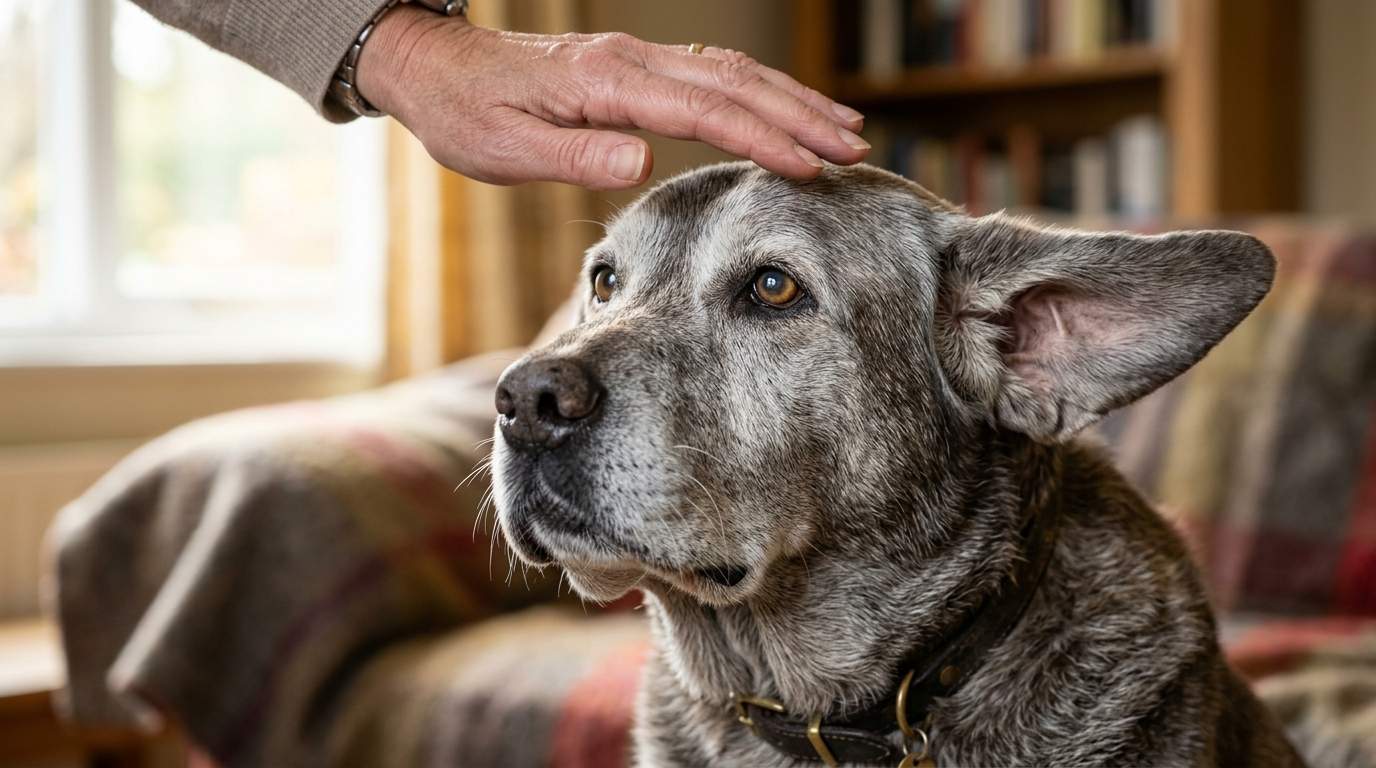
The classic "guilty look" is a powerful visual micro-action. It often involves a repertoire of specific signals: ears flattened against the head, a lowered body posture, a tucked tail, lip licking, avoiding direct eye contact, or even a submissive grin where teeth are shown but in a non-threatening way. These are all subtle, nuanced cues in a dog's extensive communication system, part of their inherent dog body language.

These actions are not signs of a conscience burdened by wrongdoing. Rather, they are appeasement gestures, an ancient, instinctual response designed to diffuse tension and avoid conflict. Your dog, sensing your displeasure, is attempting to communicate submission and a desire to de-escalate your perceived anger. They are saying, in their own way, "Please don't be mad at me."
When your dog displays these "guilty" behaviors, it’s a clear indication of stress or anxiety. It shows they are anticipating a negative consequence or reacting to your heightened emotional state. It's crucial to understand that dogs live very much in the present. They don't connect a past action (like the mess they made hours ago) with your current reaction. For them, the unpleasant experience is linked to your arrival and the current interaction, not the forgotten shoe. This misinterpretation can create a cycle of fear rather than true learning.
When we scold a dog for a past "misdeed," we inadvertently teach them to fear our presence when a mistake has been made. This doesn't teach them not to chew the shoe; it teaches them to associate your return with potential punishment, regardless of what they did. This can be particularly detrimental for sensitive puppies learning house rules, or for senior dogs who might be struggling with new anxieties or cognitive changes. Instead of preventing future accidents, scolding can actually increase a dog’s anxiety, leading to more undesired behaviors, or making them more secretive about their actions.
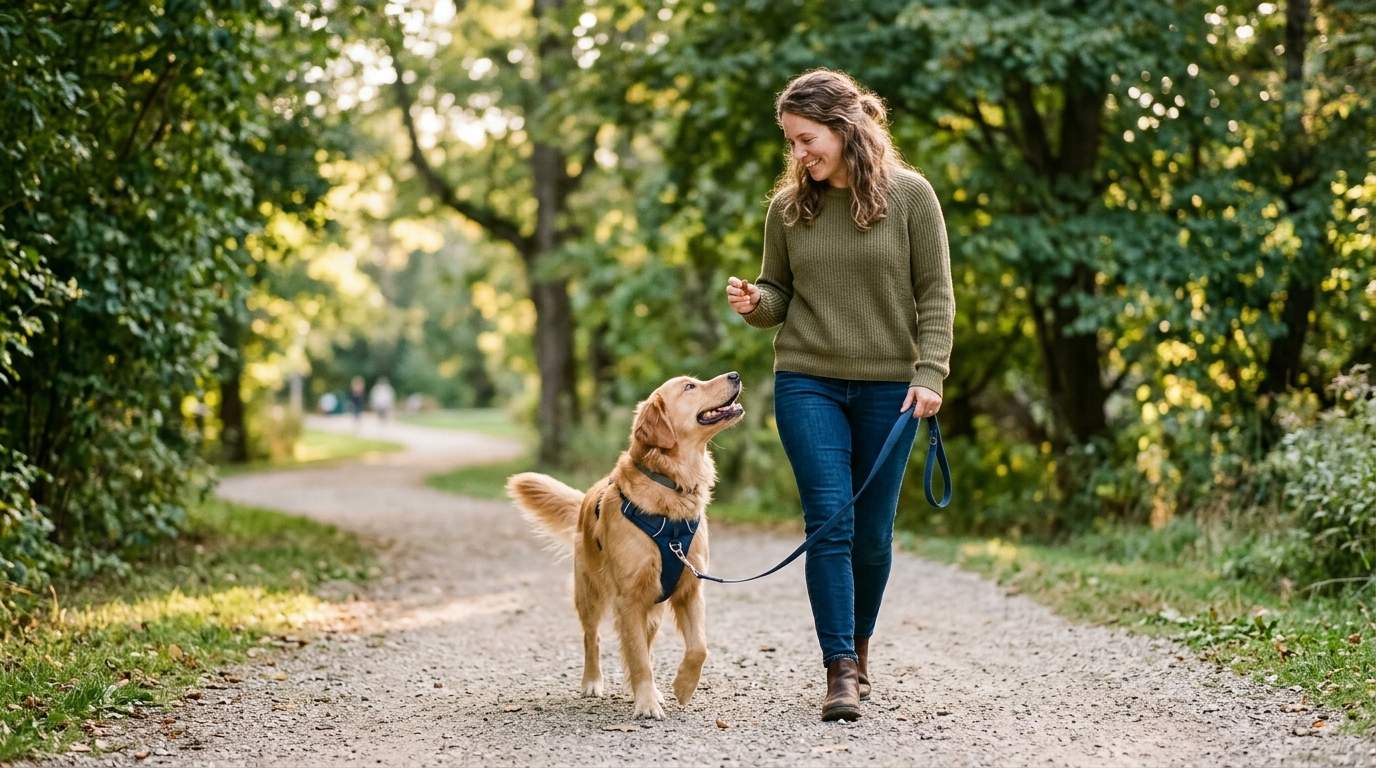
Building a strong, trusting relationship with your pet is paramount. Rather than focusing on what they shouldn't do and punishing them for it, concentrate on teaching them what they should do through positive reinforcement. This fosters confidence and a secure bond, making them more receptive to learning and less prone to anxiety-driven behaviors. Understanding this crucial aspect of canine psychology helps bridge the communication gap.
If your dog is frequently engaging in "misbehavior," it’s a signal to investigate the root cause, rather than punishing the symptom. Is your dog getting enough physical exercise and mental stimulation? Many dogs, especially high-energy breeds, act out due to boredom or pent-up energy. Interactive puzzle toys can provide much-needed mental engagement. For chewers, ensure they have plenty of appropriate chew toys, and consider a chew deterrent spray for items you want them to leave alone.
For house-training issues, consistent training and management are key. An enzymatic cleaner is invaluable for completely eliminating odors that might attract your dog back to the same spot. Sometimes, "misbehavior" can also indicate underlying health issues or separation anxiety, in which case consulting with your veterinarian or a certified professional behavior consultant like myself is a compassionate next step.
As pet owners, our journey with our companions is one of continuous learning and deep emotional connection. It’s natural to feel frustrated, but remember, your dog isn't trying to spite you. They're communicating in the only way they know how, often signaling their own stress or confusion. By understanding their true language – their complex dog body language and the nuances of their pet behavior – we can move beyond human guilt and cultivate a relationship built on empathy, trust, and clear communication. Let's empower ourselves with knowledge, giving our beloved pets the calm, confident leadership they deserve, and in doing so, heal a little of our own anxious hearts.