You reach down to add a little kibble. Your dog freezes. A low growl rumbles from his throat. You pull your hand back, heart racing.
“Where did this come from? He used to be so sweet.”
Most owners hear that growl and think: He’s trying to be the boss. I need to show him who’s alpha.
Here’s what I’ve learned across thousands of behavior cases: Resource guarding isn’t about dominance. It’s about anxiety. Your dog isn’t being mean – he’s terrified that something precious will be taken away.
The “Alpha” Myth That Makes Guarding Worse
I once met a lab mix named Cooper. He growled over his bowl. His family followed online advice: take the bowl away mid-meal, push his face into it, “assert leadership.”
Cooper stopped growling. But he started eating so fast he choked. And one day, he bit a child who walked near his food.
The growl wasn’t gone. It was suppressed. And suppressed fear turns into a bite without warning.
Challenge the conventional wisdom: The “dominance” theory has been debunked by decades of ethology. Dogs guard resources because they evolved in environments where food was scarce. It’s survival instinct – not a power grab.
Why Some Dogs Guard and Others Don’t
Genetics play a huge role. Dogs from large litters (where they had to compete) or rescue dogs with past starvation are more likely to guard. So are certain breeds – but any dog can learn it.
The good news? You can fix it without force.
Rethinking “Sharing” – Your Dog Doesn’t Understand It
We humans believe in sharing. Dogs don’t. To a dog, your hand reaching toward his bowl is like someone reaching for your wallet on a dark street.
The solution isn’t to “teach him to share.” It’s to teach him that your approach brings good things.

The 5-Day Bowl Game That Works
Day 1-2: Walk past your dog while he eats. Toss a high-value treat (chicken, cheese) into the bowl. Don’t stop. Don’t stare. Just toss and keep walking. Your dog learns: human near bowl = extra yummy thing appears.
Day 3-4: Stand next to the bowl. Drop treats into it. Then kneel down. Then touch the edge of the bowl while dropping treats.
Day 5: Gently lift the bowl an inch, add a treat, set it back down. If your dog stays relaxed, you’ve rewired his emotional response.
One client’s shepherd mix went from snapping at shadows to letting her toddler pet him during meals. It took three weeks – and zero corrections.
Prevention is easier than cure. If you have a new puppy or a newly adopted adult dog:
Slow Feeder Bowl
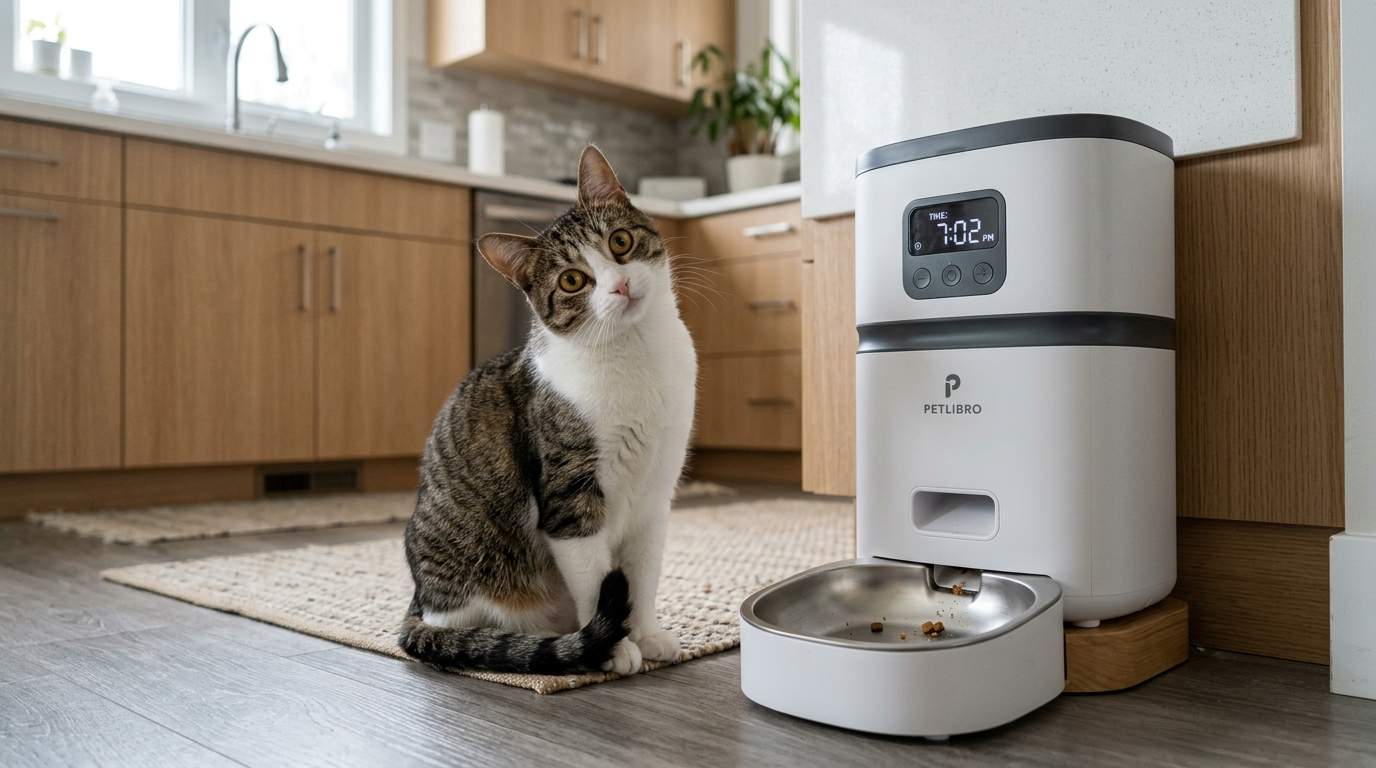
Fast eating often precedes guarding. The more frantic the eating, the more anxious the dog feels. A slow feeder bowl extends meal time and lowers arousal.
Hand Feeding Pouch
For the first two weeks with any new dog, hand feed half of each meal. Your hand becomes the source of food, not a threat. Sprinkle kibble from a pouch on your hip – they learn to stay close and calm.
Treat Scatter Mat
For dogs who already guard, stop using a bowl entirely. Scatter food on a mat with folds. This forces slow, sniffing, low-stress eating. Many guarders never growl over scattered food because there’s no “single bowl to defend.”
When Growling Is a Gift – Yes, a Gift
Most people hate growls. But here’s a perspective shift: A growl is a warning, not a threat. Your dog is saying “I’m uncomfortable” instead of biting.
If you punish the growl, you remove the warning. Next time, he may bite without sound.
Thank the growl. Then back off. Then start the bowl game.
What Never to Do
Don’t stick your hand in the bowl to “test” him.
Don’t take the bowl away mid-meal.
Don’t use alpha rolls or scruff shakes.
These create a dog who is still anxious – but silent. And silent anxiety is dangerous.
A Note on Kids and Guarding
Never let a child approach a dog with food. Even a “friendly” dog. Children move fast, squeal, and stare at eye level – all triggers for a guarding dog.
Instead, feed the dog in a separate room or a crate with the door closed. That’s not punishment. That’s management. And management saves lives.
A Warm Word to Your Worried Heart
If your dog growled at you today, you’re not a failure. You’re just living with an animal who has instincts older than both of you.
Tomorrow, try the bowl game. Toss one piece of chicken while walking past. Watch his shoulders soften.
And when he eats without a sound? That’s not dominance. That’s trust. And trust is earned with patience, not force.
You’ve got this. And he’s not your enemy – he’s just scared. You can teach him there’s nothing to fear.