Senior Dog's Ears Flatten During Cuddles – Instinct or Silent Pain?
- Quick Tags: senior dog care, elderly pet behavior, senior dog health, pet socialization
- Editor: Editorial Team
- Updated: Aug,11,2026
- Views: 200.4k

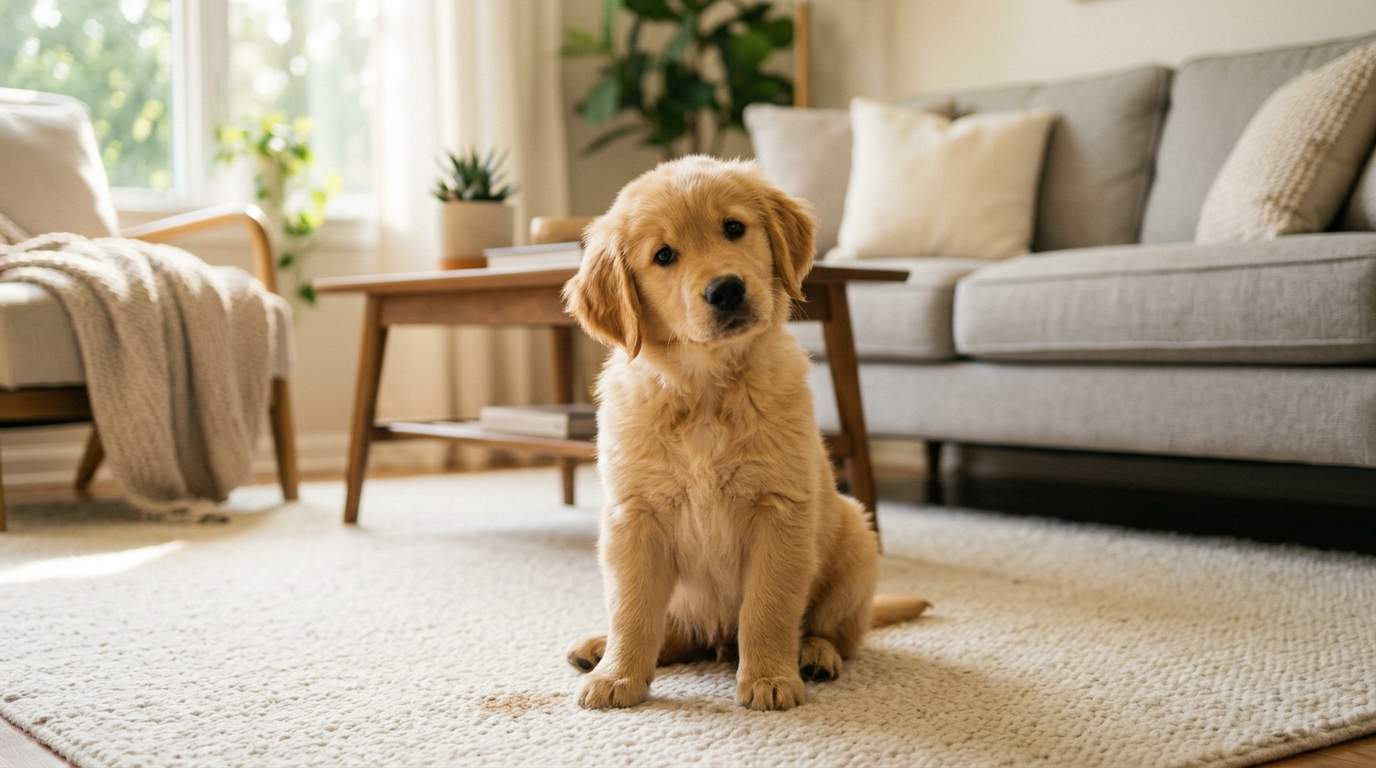

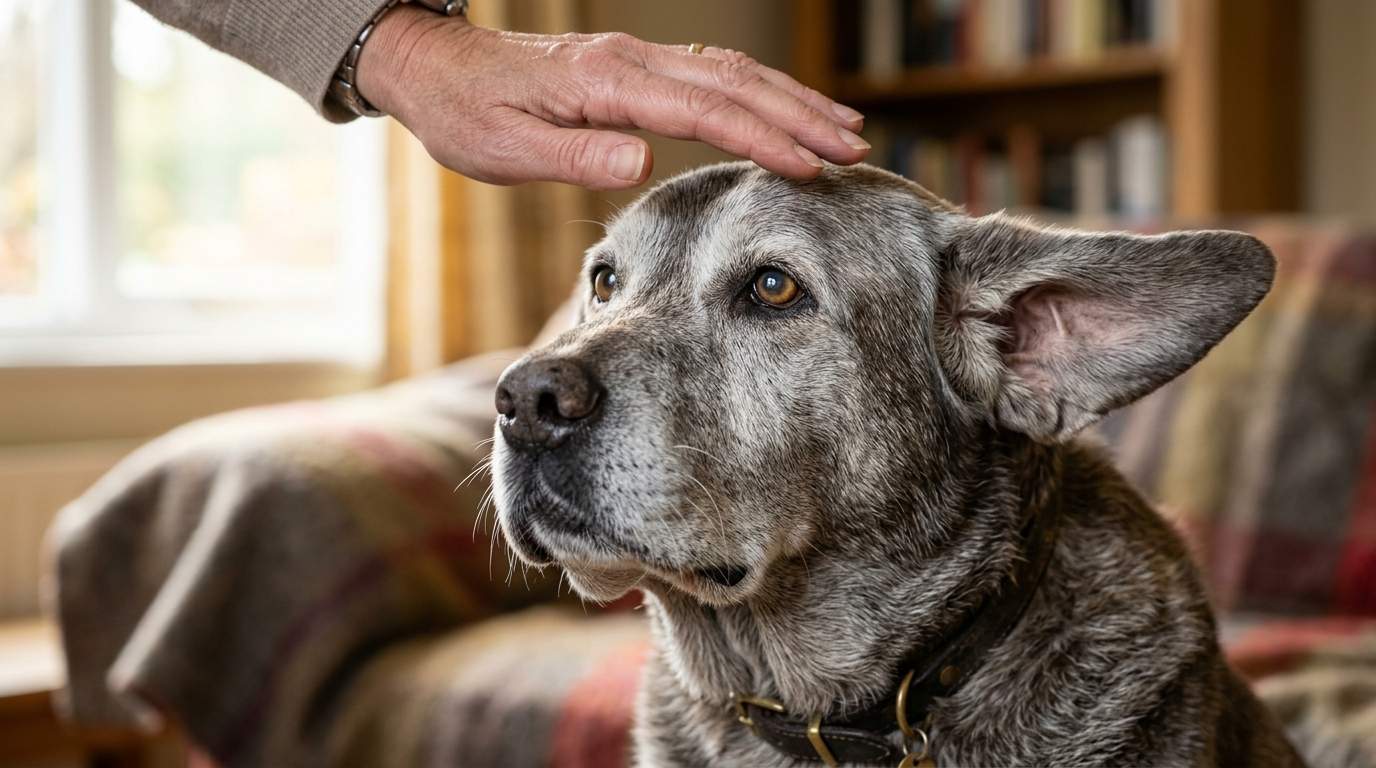
Imagine reaching down to stroke your senior dog's soft ears, only for them to flatten against its head in a subtle flinch. That tiny reaction, often dismissed as quirkiness, hints at deeper stories unfolding beneath the fur.
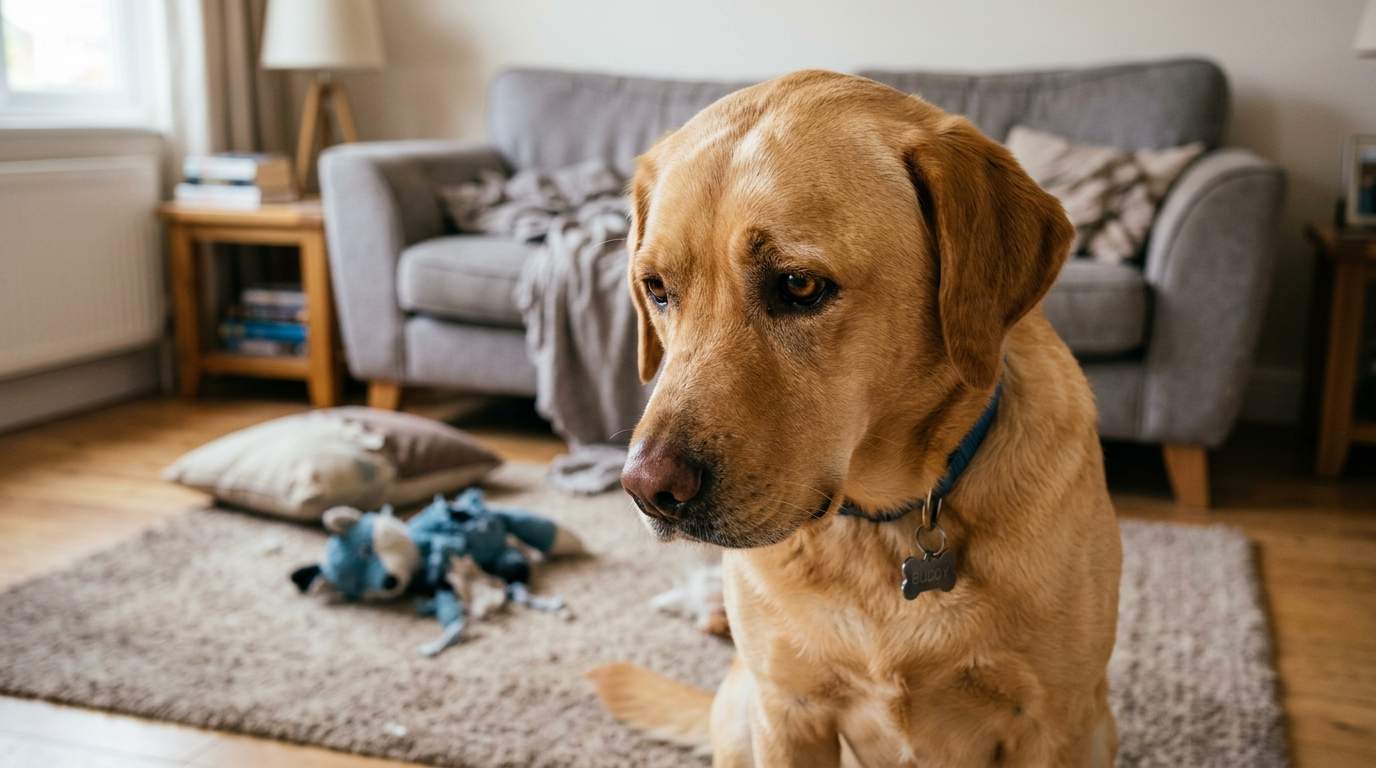
As Chloe Jones, I've walked alongside countless pet parents through these quiet moments. Take Max, whose 12-year-old Labrador, Buddy, once bounded into every hug. Now, Buddy's ears pin back during what should be joyful pets. This isn't rejection—it's a signal many overlook.
In senior dog care, flattened ears challenge the myth that aging pets simply grow aloof. Veterinary studies from the American Veterinary Medical Association show up to 80% of dogs over 8 experience arthritis, altering how they process touch. Buddy's response wasn't disinterest; it was his body's whisper of joint stiffness.
Max thought Buddy was "just old and grumpy." But observing those ears revealed inflammation masking as moodiness. Gentle observation turns confusion into connection.
X-rays later confirmed Buddy's elbow dysplasia. Pain receptors heighten sensitivity, making cuddles feel like prods.
Traditional views paint senior dogs as withdrawing naturally. Yet ethology research counters this: elderly pet behavior often stems from sensory decline, not emotional retreat. A 2022 study in the Journal of Veterinary Behavior found 60% of seniors lose 20-30% hearing acuity, mistaking our advances for threats.
Buddy's flattened ears during greetings? Partial deafness amplified his caution. Challenging this mindset empowers owners to adapt, fostering trust anew.
Routine senior dog health exams catch these cues early. Bloodwork and mobility assessments reveal thyroid dips or cognitive fog mimicking standoffishness. For breeds like Labs, prone to hip issues, quarterly vet visits prevent escalation.
Max started with home checks: noting if Buddy's ears flattened only on one side, signaling uneven pain.
Weigh your dog weekly—sudden loss flags metabolic shifts. Track ear positions during play; consistency patterns guide vets.
Reviving pet socialization in seniors defies the "set in their ways" trope. Short, low-impact sessions rebuild bonds. Puzzle feeders engage Buddy's mind, releasing dopamine without strain.
Max introduced 5-minute nose work games. Buddy's ears perked up, tail wagging faintly—proof socialization thrives with patience.
Customize for your senior: ramps ease stairs, cooling mats soothe achy joints. Hydration fonts encourage drinking, vital as kidney function wanes post-10 years.
Buddy now leans into Max's touch on good days, ears relaxed. These tweaks heal both body and heart.
Your senior dog's subtle signals invite empathy, not exasperation. Watch closely, act kindly—watch withdrawal melt into quiet companionship.