Leopard Gecko's Fading Colors: Is Frequent Shedding a Silent Distress?
- Quick Tags: leopard gecko shedding, gecko frequent shedding, leopard gecko care, reptile skin health
- Editor: Editorial Team
- Updated: Aug,15,2026
- Views: 402.6k









Oh, that familiar sight! One moment, your leopard gecko is a vibrant tapestry of spots and stripes, the next, they’re looking a little... faded. Their skin appears dull, perhaps even a bit milky, and your heart sinks a little, wondering, "Didn't this just happen a few weeks ago?" It’s perfectly natural to feel a pang of worry, a little guilt even, as you watch them, wondering if you're missing something crucial, if their home isn't quite right, or if they're uncomfortable because of something you've done. I understand that feeling deeply; caring for these unique little beings often comes with a whisper of anxiety, especially when their needs seem so different from our own.
Let me gently assure you, dear friend, what you're witnessing is, for the most part, a beautiful and completely natural part of your leopard gecko's life cycle: shedding. It’s their way of growing, renewing, and staying healthy. Think of it not as a struggle, but as a quiet transformation. For many new exotic pet parents, the frequency of leopard gecko shedding can be quite surprising, even counterintuitive. We often associate constant skin changes with problems in ourselves or our furry companions, but for a leopard gecko, it’s usually a powerful indicator of their vitality and good health.
Imagine if you had to replace your entire wardrobe every time you grew a little taller! That's a bit like what's happening with your young leopard gecko. Growing geckos, especially juveniles, are shedding machines. They're rapidly developing, their bodies expanding, and their old skin simply can't keep up. This means you might observe them shedding every few weeks. As they mature into adulthood, this frequency will naturally slow down, perhaps to once a month or even less. So, if your little one is still quite young, their seemingly "excessive" frequent shedding is likely just a beautiful testament to their robust growth. It’s a sign they are thriving in your care.
Before a shed, your gecko's skin will indeed become dull, pale, or "milky." This is because a new, vibrant layer of skin is forming underneath, pushing the old one away. Their colors might seem muted, their patterns less defined. This phase typically lasts a few days, and during this time, your gecko might be a little more reclusive or less interested in food. When the actual shed begins, they often help the process along by rubbing against tank decor or gently pulling the old skin off with their mouths. Most wonderfully, healthy geckos will often eat their shed skin, a perfectly natural behavior that allows them to reabsorb valuable nutrients. Seeing them emerge with bright, fresh colors is truly a rewarding moment for any pet parent practicing responsible leopard gecko care.
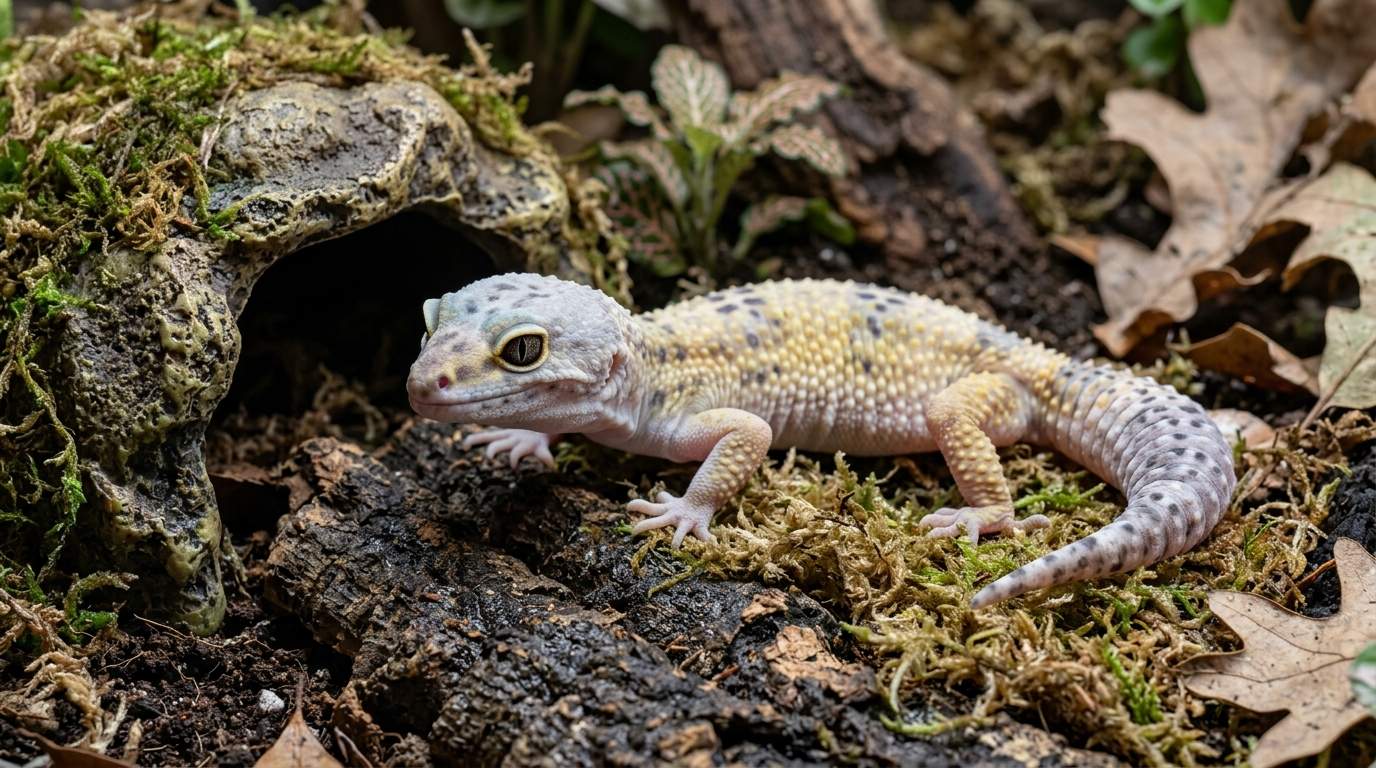
Your concern about humidity is absolutely valid, and it’s a crucial aspect of leopard gecko care. While they are semi-arid creatures, proper humidity during shedding is essential for a smooth process. Dry, stuck shed can lead to serious health issues, especially around their toes and eyes. The key is not to keep the entire tank overly humid, but to provide a dedicated "moisture hide" or "humid hide." This is a small, enclosed space within their enclosure, filled with a damp substrate like sphagnum moss or coco fiber.
Make sure this hide is always moist, but not soaking wet. It provides a localized humid microclimate where your gecko can retreat when they feel the need to loosen their old skin. A digital hygrometer placed inside the main enclosure will help you monitor overall ambient humidity, ensuring it stays within the recommended range (typically 30-40% ambient, with the humid hide offering much higher localized humidity). Gentle misting of the humid hide's interior can also be beneficial, allowing your gecko to hydrate their skin for easier shedding. Consider a shedding aid spray if your gecko frequently struggles despite optimal conditions.
Beyond humidity, a balanced diet rich in calcium and other essential vitamins is fundamental for healthy skin and a successful shedding cycle. Ensure your feeder insects are gut-loaded with nutritious foods and dusted with appropriate calcium and vitamin supplements, including D3, as recommended by your veterinarian. Healthy nutrition contributes to strong, supple skin that can shed easily.
While frequent shedding is a sign of health, there are indeed times when leopard gecko shedding can indicate a problem. What we want to watch for isn't the frequency itself, but rather difficulty in shedding or retained shed. If you notice your gecko struggling for an extended period, or if pieces of old skin remain stuck on their toes, eyes, or tail for more than a day or two after the main shed, that warrants closer attention. Retained shed can restrict circulation, lead to infections, or impair vision. If you observe persistent issues, gentle intervention (like a warm, shallow bath) or a consultation with an experienced reptile veterinarian might be necessary. But please remember, these are exceptions, not the norm.
Dear pet parent, your concern for your leopard gecko's well-being shines through every word. The fact that you are so attuned to these subtle changes speaks volumes about your dedication. Trust in your observations, but also trust in the natural resilience of your amazing companion. Most often, your gecko's frequent shedding is a quiet celebration of their growth and vitality, a sign that you are providing a loving and suitable home. Continue to offer that crucial humid hide, ensure they have proper nutrition, and simply enjoy watching them transform. You are doing a wonderful job, and your gecko is lucky to have you.
**