Chameleon's Shifting Hues: Is He Hiding, Or Sharing a Secret Language?
- Quick Tags: chameleon color changes meaning, why chameleon dull, chameleon stress signs, chameleon behavior
- Editor: Editorial Team
- Updated: Aug,17,2026
- Views: 450.7k









When your new chameleon, a creature of such vibrant potential, suddenly appears dull or dark, or changes colors rapidly as you approach, it’s natural to feel a pang of worry. You might wonder, "Am I doing something wrong? Is he sick, or just unhappy?" This immediate concern for your unique companion’s well-being is a beautiful testament to the bond you're already forming. Rest assured, you're not alone in these observations, and these color shifts are rarely a sign of poor care from a loving owner, but rather an invitation to understand a deeper, more intricate world.
Many of us grew up believing chameleons changed color primarily to disappear into their surroundings, like a master of disguise. While camouflage is certainly part of their repertoire, it’s actually a far more sophisticated form of communication that speaks volumes about their internal state. Think of it not just as a visual trick, but as their skin "talking."
Chameleons possess specialized cells called chromatophores, which contain different pigments. These cells can expand or contract, bringing pigments closer to the surface or pushing them deeper, all controlled by their nervous system and hormones. This intricate dance of pigments allows them to adjust their colors in mere seconds, reflecting everything from their mood and health to their body temperature and social intentions. It's less about hiding, and more about expressing.
Observing a dull or dark chameleon can certainly be unsettling, especially when you're expecting those brilliant greens and blues. This isn't usually an attempt to hide; it's a signal.
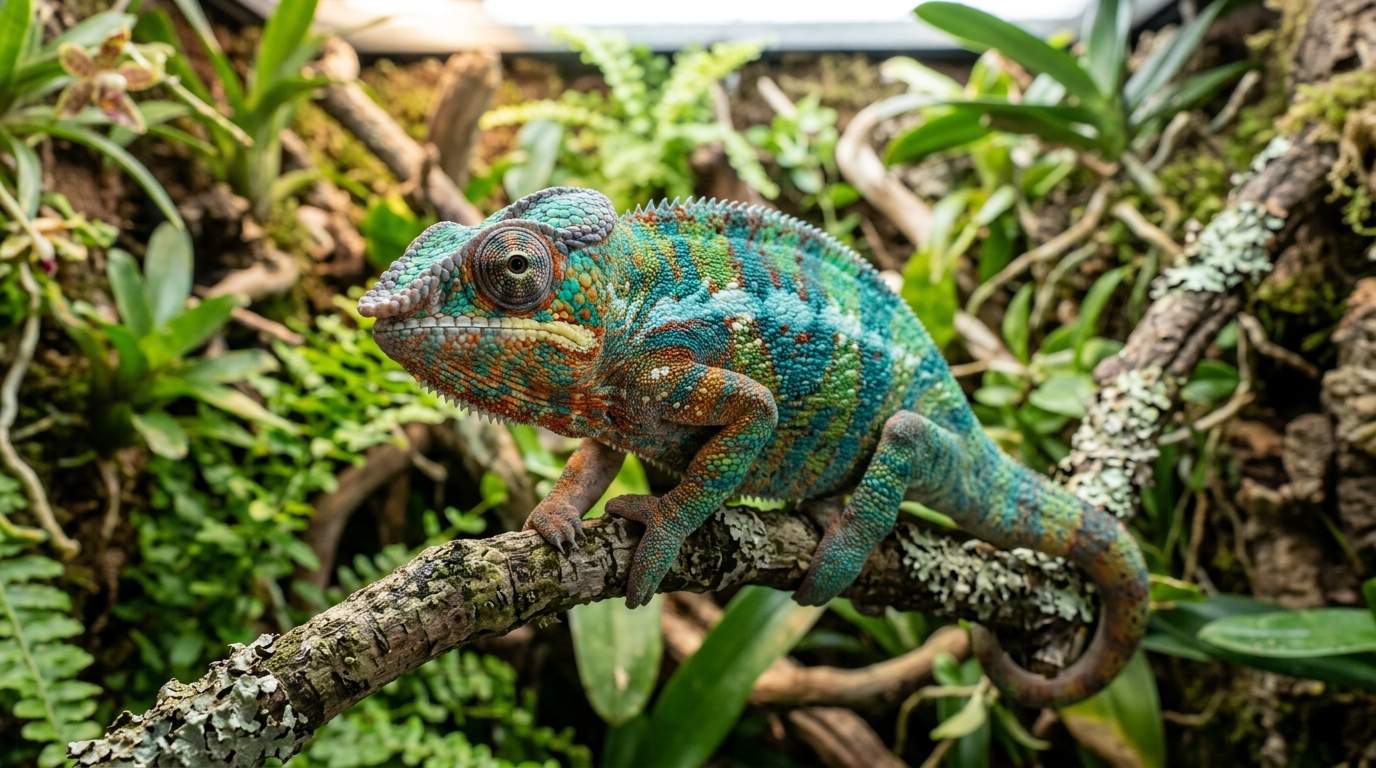
One of the most common reasons a chameleon darkens is to regulate its body temperature. If your chameleon is feeling chilly, it might darken its skin to absorb more warmth from its basking lamp. Conversely, if it's too hot, it may lighten to reflect heat. Providing accurate temperature gradients in its enclosure is crucial for their comfort and health.
A chameleon that feels threatened or stressed might also turn dark, sometimes with stark patterns, signaling distress or an attempt to appear submissive and less confrontational. This could happen if they feel insecure in their environment, or if they perceive a shadow or movement as a predator. A new environment, like the transition to your home, is inherently a period of adjustment and potential stress.
While not always the first sign, a persistent, unusual dullness or a lack of vibrancy that doesn't resolve with environmental adjustments can sometimes be an indicator of underlying health issues. If you notice other signs like lethargy, changes in appetite, or abnormal breathing, it's always wise to consult an experienced reptile veterinarian.
The sudden change in color when you approach his enclosure is your chameleon's immediate response to a significant event – your presence!
When you come near, your chameleon is assessing the situation. Is this a friend, a foe, or just an interesting happening? He might brighten if curious and feeling confident, or darken slightly if feeling cautious. This rapid shift is his way of signaling his immediate emotional and physiological state, and his readiness to engage or retreat.
Sometimes, if a chameleon sees its own reflection or another pet nearby, it might brighten with intense patterns, signaling a territorial display. They're telling the "intruder" (or their reflection) to back off.
When your chameleon is showing off those brilliant, beautiful colors, it’s a wonderful sign. It often means he’s feeling comfortable, well-hydrated, at the perfect temperature, and generally content and confident in his habitat. These are the moments that confirm you are providing a thriving environment.
A well-maintained enclosure with proper lighting (UVB and basking), appropriate humidity, varied climbing branches, and plenty of hiding spots encourages natural, healthy color expression. Consistency in these parameters helps your chameleon feel secure and less stressed, allowing his true colors to shine.
It's clear you care deeply for your chameleon, and that anxiety about his well-being is a sign of your loving heart. Understanding these color changes is a journey of observation and patience. Don't blame yourself for initial confusion; chameleons are complex creatures, and learning their unique "language" takes time.
Keep observing, make small, informed adjustments to his environment, and know that you are already doing a wonderful job by simply trying to understand him better. Your presence, your gentle care, and your willingness to learn are exactly what your chameleon needs to feel safe and, in time, express his full, magnificent spectrum of colors to you. You are becoming his most trusted guide, translating his silent messages into a world of understanding and comfort.