Bearded Dragon's Silent Perch: Is Stillness a Sign of Wellbeing or Worry?
- Quick Tags: bearded dragon still, bearded dragon sick, bearded dragon care, reptile behavior
- Editor: Editorial Team
- Updated: Aug,27,2026
- Views: 206.6k





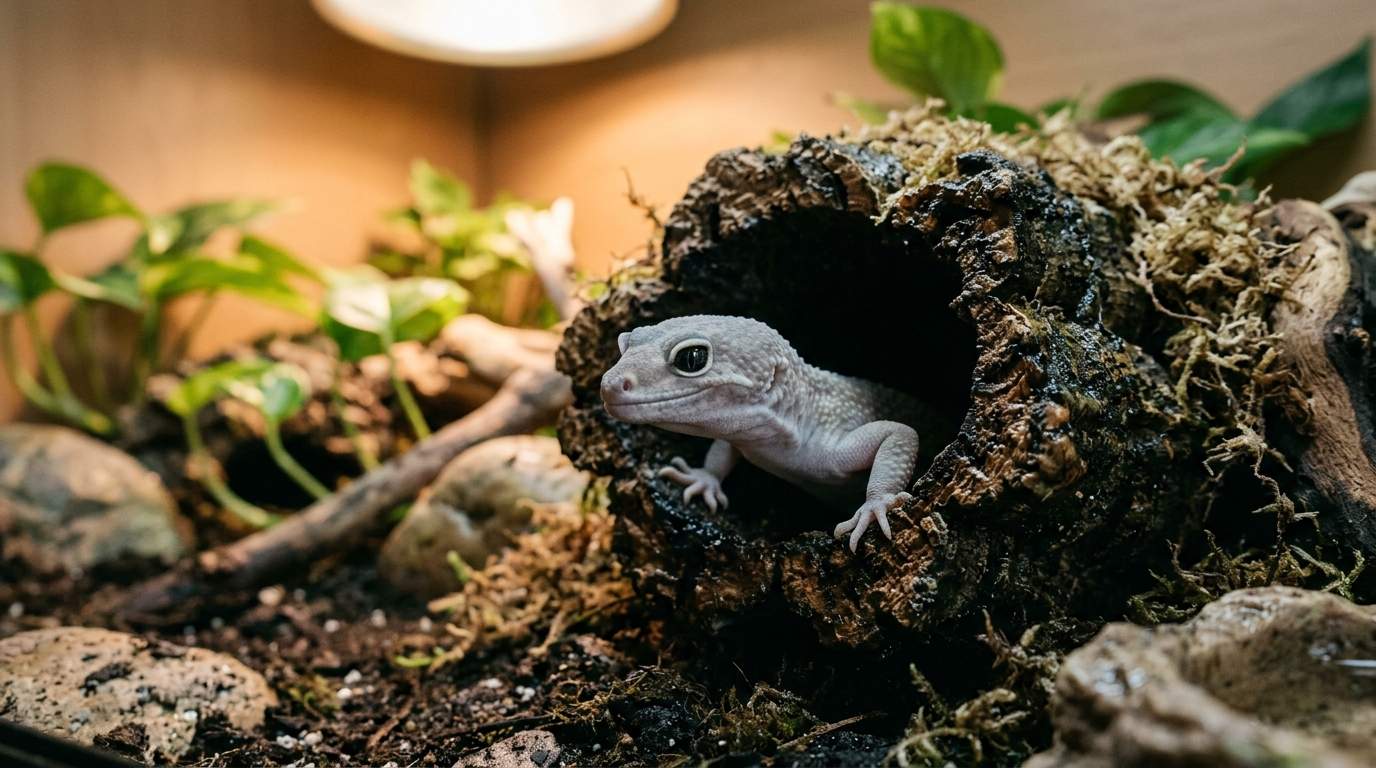



That familiar sight – your bearded dragon, perfectly still, seemingly meditating under its basking lamp. It’s a scene many of us have watched, sometimes with a gentle smile, and other times with a quiet knot of anxiety twisting in our stomachs. Is this serene stillness the picture of total contentment, or are we missing a subtle signal that our little reptile friend might be bored, or even quietly struggling?
I understand that pang of uncertainty. It's natural to wonder what's truly going on in that tiny, ancient brain. We're often told reptiles are "low maintenance," leading us to believe their stillness is always a sign of uncomplicated peace. But as someone who has spent years observing creatures from the bustling streets of Tokyo to the quiet corners of rural France, I've learned that silence can hold many secrets. And for our bearded dragons, their stillness is a rich, complex language worth understanding.
It's a common misconception that because reptiles don't wag tails or purr, their emotional and physical states are less complex. We tend to project human ideas of "activity" onto them, often leading us to misinterpret their natural behaviors. A bearded dragon's stillness, far from being a simple state, is often a nuanced reflection of its environment, health, and internal world. The idea that a calm bearded dragon is always a happy or healthy one can actually prevent us from noticing important shifts in their well-being. This is one of those moments where our habitual thinking might need a gentle re-evaluation.
Stillness for a bearded dragon isn't always idleness; it’s frequently a form of energy conservation, temperature regulation, or even strategic observation of their surroundings. However, it can also be a mask, subtly hiding discomfort, illness, or even a lack of vital stimulation. The key lies not in their stillness alone, but in the context and combination of other minute details.
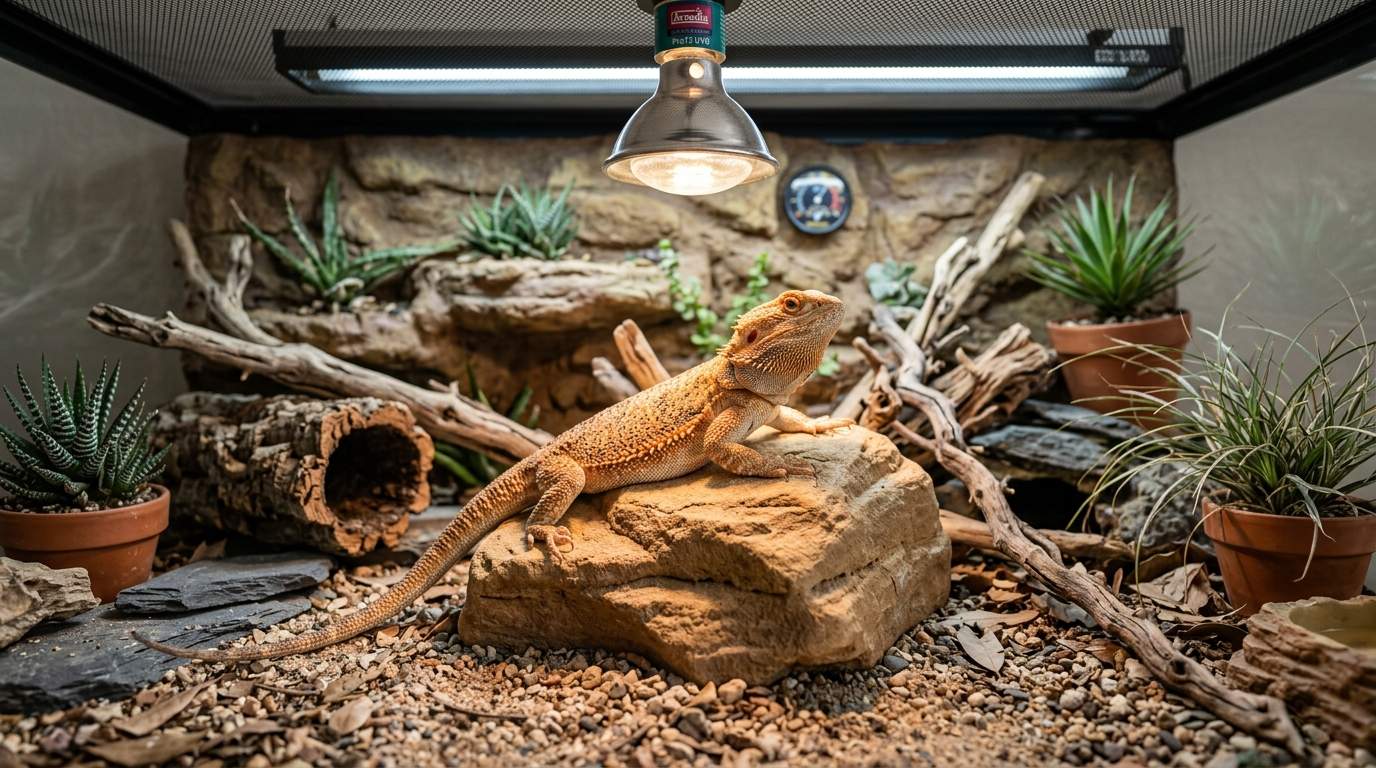
When your bearded dragon is truly content and healthy, its stillness often looks purposeful. You might observe it basking with its body flattened to absorb maximum heat and UVB, its eyes bright and alert, occasionally shifting focus. This is a crucial aspect of healthy bearded dragon care, reflecting proper thermoregulation and absorption of essential nutrients for bone health and mood. It’s a deliberate state, not a vacant one.
A truly content bearded dragon often has an optimal environment tailored to its needs. This means precise temperature gradients, a high-quality UVB lamp that is regularly replaced, and diverse enrichment within its enclosure. Think of its habitat as its entire world, providing places to climb, hide, and observe. These elements are fundamental to supporting its natural behaviors and ensuring its perceived stillness is indeed a sign of bearded dragon wellbeing, rather than a symptom of deficiency.
Now, let's address the worry that creeps in. Sometimes, stillness can indeed be a red flag. If your bearded dragon is still for unusually long periods, or if its stillness is accompanied by other subtle changes, it’s time for closer observation. A beardie that is lethargic, unresponsive to movement outside its tank, has sunken eyes, or keeps its mouth agape unusually might be experiencing something more serious. Watch for changes in appetite, unusual stool, or a puffy, discolored beard that isn’t related to displaying dominance.
It’s easy to think, "Well, they're not doing anything, so they must be fine." But this is another counterintuitive point: often, a sick bearded dragon will reduce its activity to conserve energy, making its stillness a symptom rather than a sign of peace. This quiet retreat can make detecting illness challenging, making attentive observation of subtle cues paramount.
A lack of proper nutrition or hydration can manifest as lethargy and increased stillness. Your bearded dragon’s diet should be a diverse mix of live insects dusted with calcium and vitamin supplements, alongside fresh greens. If their stillness is linked to poor eating habits or infrequent drinking, it’s a vital sign that their internal health, and thus their reptile behavior, is compromised. Always ensure fresh water is available and their food is appropriate for their age and size.
Could your dragon be bored? Absolutely! While they may not play fetch, bearded dragons are intelligent creatures that thrive on mental and physical stimulation. A static, unchanging environment can lead to apathy and extended periods of seemingly listless stillness. Think about introducing new climbing structures, rotating decor, or offering supervised "explorations" outside their enclosure in a safe, designated area. Puzzle feeders or varying the type of insects offered can also spark their curiosity. Remember, bearded dragon enrichment isn't about constant activity, but about offering opportunities for engagement when they choose.
It's clear that your concern for your bearded dragon stems from a place of deep love and responsibility. This isn't about doing something "wrong" – it's about learning the intricate language of a unique companion. You are their world, and your attentive observation is their greatest asset.
If you’re noticing unusual stillness accompanied by any other changes, don't hesitate to consult a qualified reptile veterinarian. They can provide peace of mind or identify any underlying issues. Continue to observe their posture, alertness, appetite, and the overall vibrancy of their interactions with their world. Your journey of understanding their reptile behavior is a beautiful testament to the bond you share. By empowering yourself with knowledge, you're not just caring for a pet; you're nurturing a unique, resilient spirit, and building your own confidence as a devoted pet parent.