The Morning Scoop: Is Your Pet's Stool Signaling a Story We Overlook?
- Quick Tags: pet poop changes, dog stool health, cat litter box issues, pet digestive wellness
- Editor: Editorial Team
- Updated: Oct,16,2026
- Views: 359k


That familiar knot in your stomach tightens as you scoop the litter box or clean up the yard. Today, your beloved companion’s poop looks… different. Maybe it’s a peculiar shade, a little too soft, or even contains something unexpected. It’s an immediate jolt of anxiety, isn't it? You wonder if your furry friend is seriously ill or if it’s just a temporary, harmless fluke. Most pet owners either panic at the slightest variation or, conversely, dismiss critical clues until a minor issue escalates. But what if I told you your pet's daily deposits are actually a valuable, intricate health report card, often whispering secrets we might be misinterpreting or overlooking?
As Chloe Jones, I’ve had the privilege of observing countless animals and their devoted families across the globe. I understand that the world of pet health can sometimes feel overwhelming, especially when the answers seem to be hidden in plain sight. Let's gently demystify the art of "poop-ology" and empower you to become a confident interpreter of your pet's wellness signals.
Our first step to becoming a 'poop detective' is establishing a baseline for your pet. What is their normal? Just like people, pets have individual digestive systems. For Max, a lively Labrador, a firm, chocolate-brown stool might be his consistent norm, twice a day. For Luna, a delicate Siamese, smaller, well-formed pieces once daily might be her standard. Observe them for a few days when they are healthy: What's the typical color, consistency, frequency, and volume? This personalized benchmark is far more telling than any universal 'perfect' standard. Without it, every variation feels like a crisis or an ignored warning.
A sudden change in stool color is often the first thing that catches our eye, and it can be a significant indicator of your pet's internal world. But don't immediately jump to the worst conclusion; context is everything.
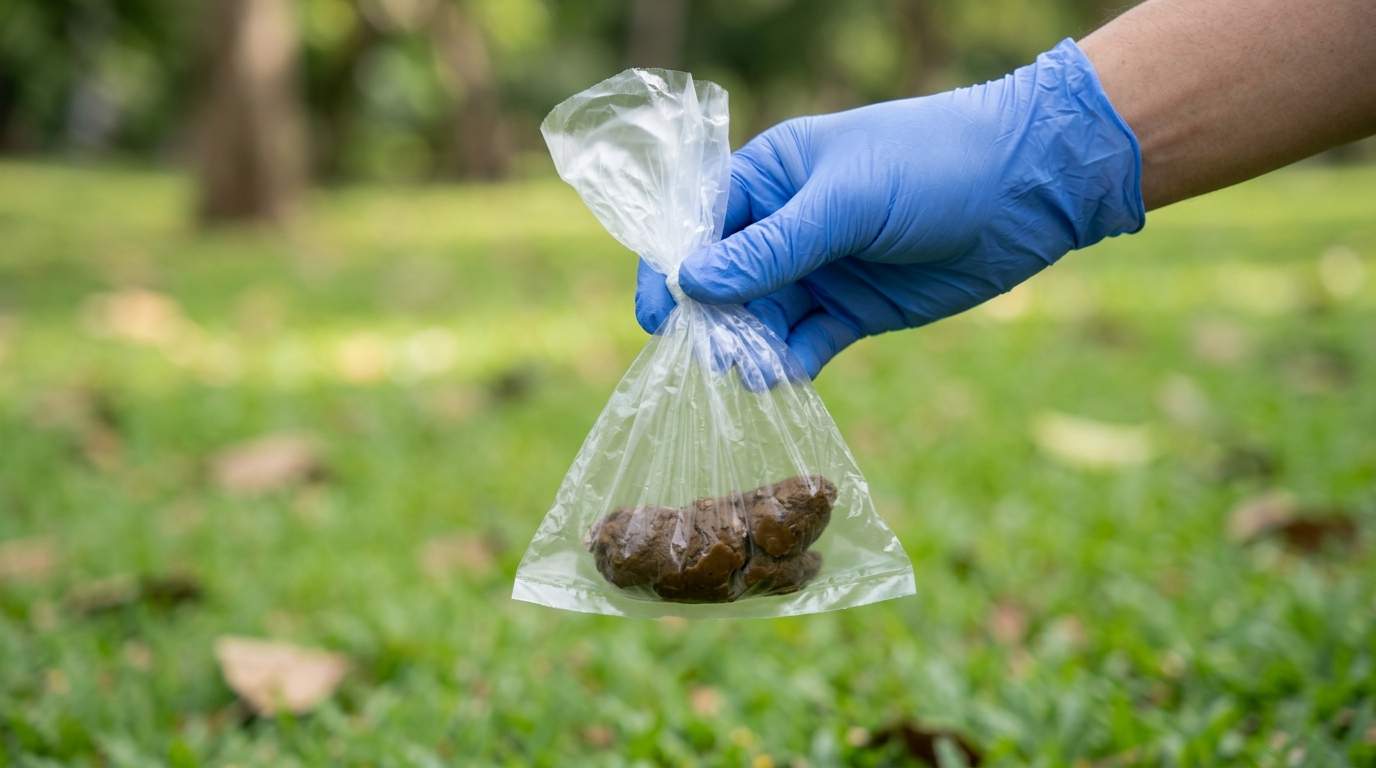
If Max's usual brown stool suddenly appears green, it might simply mean he’s eaten a lot of grass, or his food is moving through his system a little too quickly, not allowing bile to properly break down. A yellowish or orangish tint could also point to rapid transit or an issue with bile, possibly dietary indiscretion. If it’s just a one-off and your pet is otherwise well, a temporary dietary change might be the simple answer. But if it persists for more than a day, it warrants closer attention.
This is where our calm observation becomes crucial. A very dark, almost black, tarry stool (melena) can suggest bleeding high up in the digestive tract. This isn't just a darker brown; it’s a sticky, unusual black. Conversely, bright red streaks (hematochezia) often indicate fresh blood, likely from the lower digestive tract or around the anus. In both these cases, especially if accompanied by lethargy, vomiting, or appetite loss, it's a "vet visit NOW" moment. These are significant red flags for serious pet health issues.
Beyond color, the shape and texture of your pet's stool are immensely informative about their digestive health and hydration.
Imagine a perfectly formed toothpaste squeeze – that’s often the ideal consistency for a healthy pet's stool. It's firm enough to pick up easily without leaving residue, yet not hard or crumbly. This indicates good hydration and balanced digestion. A stool that is too hard or pebble-like suggests dehydration or constipation, while one that's too soft, mushy, or completely liquid points to diarrhea.
Diarrhea, while alarming, can often be a temporary response to stress, a new food, or a minor dietary indiscretion. For Luna, a day of loose stool after getting into a forbidden snack isn’t always a catastrophe. However, persistent diarrhea, especially with blood, vomiting, or lethargy, means it's time to involve your veterinarian. Similarly, chronic constipation, where your pet strains or produces only small, hard pellets, can be uncomfortable and signal issues like dehydration, dietary fiber imbalance, or even pain. Addressing these changes promptly can significantly impact your pet's comfort and long-term well-being.
Sometimes, you might find something in the stool that clearly doesn't belong. Bits of undigested food, grass, or even small foreign objects. While finding a piece of grass isn't usually an emergency, seeing fragments of toys, fabric, or other non-food items could indicate pica or an intestinal blockage risk. And of course, parasites like worms are a distinct cause for concern and require veterinary intervention. A sudden appearance of mucus, looking like slimy jelly, can also signal inflammation in the large intestine.
While we’ve explored many variations, some signals truly scream for immediate professional attention. Beyond the black or red stools and persistent diarrhea or constipation, watch for these:
Don't ever feel foolish for asking your vet about a concern. It is always better to be safe than sorry when it comes to your pet's health.
Understanding your pet's stool is a powerful tool in preventative pet health. By observing consistently and reacting thoughtfully, you’re not just cleaning up; you’re engaging in a daily health check. Support your pet's digestive wellness with a high-quality diet, plenty of fresh water, and consider vet-approved probiotics if their system seems sensitive. For you, the anxious pet owner, remember that you are doing an incredible job. Your attentiveness is a testament to your love. Equip yourself with this knowledge, trust your instincts, and know that you are your pet’s best advocate. You've got this.