Pale Skin, Hidden Meals: Is Your Leopard Gecko Sick, or Just Shedding?
- Quick Tags: Leopard gecko care, reptile not eating, gecko hiding behavior, leopard gecko shedding
- Editor: Editorial Team
- Updated: Sep,24,2026
- Views: 349.9k





The sight of your normally active leopard gecko, Luna, tucked away deep in her moist hide, day after day, while untouched crickets remain in her dish, can send a genuine knot of worry straight to your stomach. You're not alone in this feeling; it’s a profound instinct to feel concern when a beloved pet deviates from their usual routine, especially when they stop eating and become elusive. This immediate alarm, however, might not always signal a crisis, but rather a fascinating, normal chapter in your gecko's life.
It's completely understandable to feel anxious when your pet's behavior shifts so dramatically. As someone who has spent years observing the intricate lives of creatures from bustling cities to quiet deserts, I’ve learned that a reptile's world operates on a different clock and a different set of signals than our own. What appears to us as a sudden emergency can often be a perfectly natural, albeit confusing, part of their ancient rhythm.
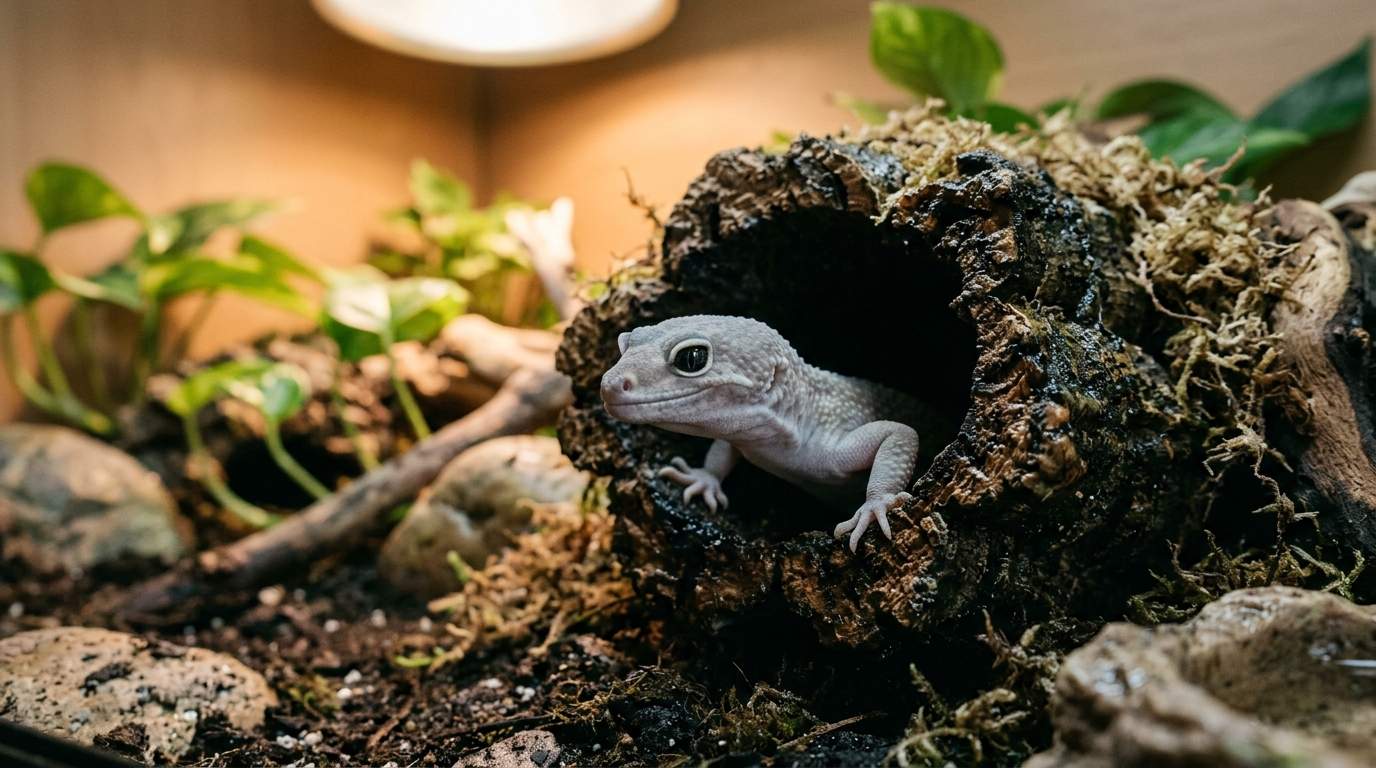
Your gecko, Luna, retreating into her moist hide isn't necessarily a sign of distress, but rather a common and vital aspect of gecko hiding behavior. In the wild, leopard geckos are crepuscular, meaning they are most active during dawn and dusk. During the brighter parts of the day, they instinctively seek shelter to escape predators and regulate their body temperature. Your moist hide provides exactly this kind of secure, comfortable retreat.
Beyond simple rest, deeper hiding can indicate various needs. Perhaps the ambient temperature in her enclosure feels a little off to her, or she might be seeking a particular humidity level only found in that specific spot. It’s her way of saying, "I need some peace and quiet," or "I'm preparing for something important." Understanding these subtle cues is a cornerstone of excellent leopard gecko care.
One of the most anxiety-inducing changes for any pet owner is when their companion stops eating. For many animals, especially mammals, a sudden loss of appetite is indeed a red flag. However, for reptiles like leopard geckos, there are several completely normal, non-alarming reasons for a temporary food strike. This is one of those counterintuitive aspects of reptile husbandry that often catches new owners off guard.
A leopard gecko not eating for a few days, or even a couple of weeks, can be a part of their natural cycle. They have a slower metabolism than us, and their energy needs fluctuate. Sometimes it’s simply a prelude to shedding, a preparation for brumation (a reptilian form of hibernation during cooler months), or for females, a phase related to egg development.
The most common reason for a leopard gecko to hide away and refuse food is the shedding process, also known as ecdysis. This is where the "pale skin" detail in our title becomes very relevant. Just like we outgrow our clothes, geckos regularly shed their skin to allow for growth and to remove old, damaged cells. This period can make them feel vulnerable and less inclined to hunt or socialize.
Before a shed, your gecko's skin will often appear dull, pale, or even whitish-grey. This change in coloration is a tell-tale sign that new skin is forming underneath. You might also notice their eyes becoming cloudy, making their vision temporarily impaired. This explains why Luna might be less interested in crickets; she simply can't see them as well, or feels too exposed to chase them.
During this delicate phase, providing optimal conditions is key. Ensure her moist hide is truly humid, as this helps loosen the old skin and prevents stuck shed, especially around the toes and tail tip. Resist the urge to pull off any loose skin; they prefer to do this themselves, often eating the shed skin to reabsorb nutrients and leave no trace for predators. Patience and a calm environment are your best tools.
A well-maintained habitat is fundamental to a happy and healthy leopard gecko, minimizing stress that could lead to abnormal behaviors. Regularly checking and adjusting your setup helps prevent issues before they arise.
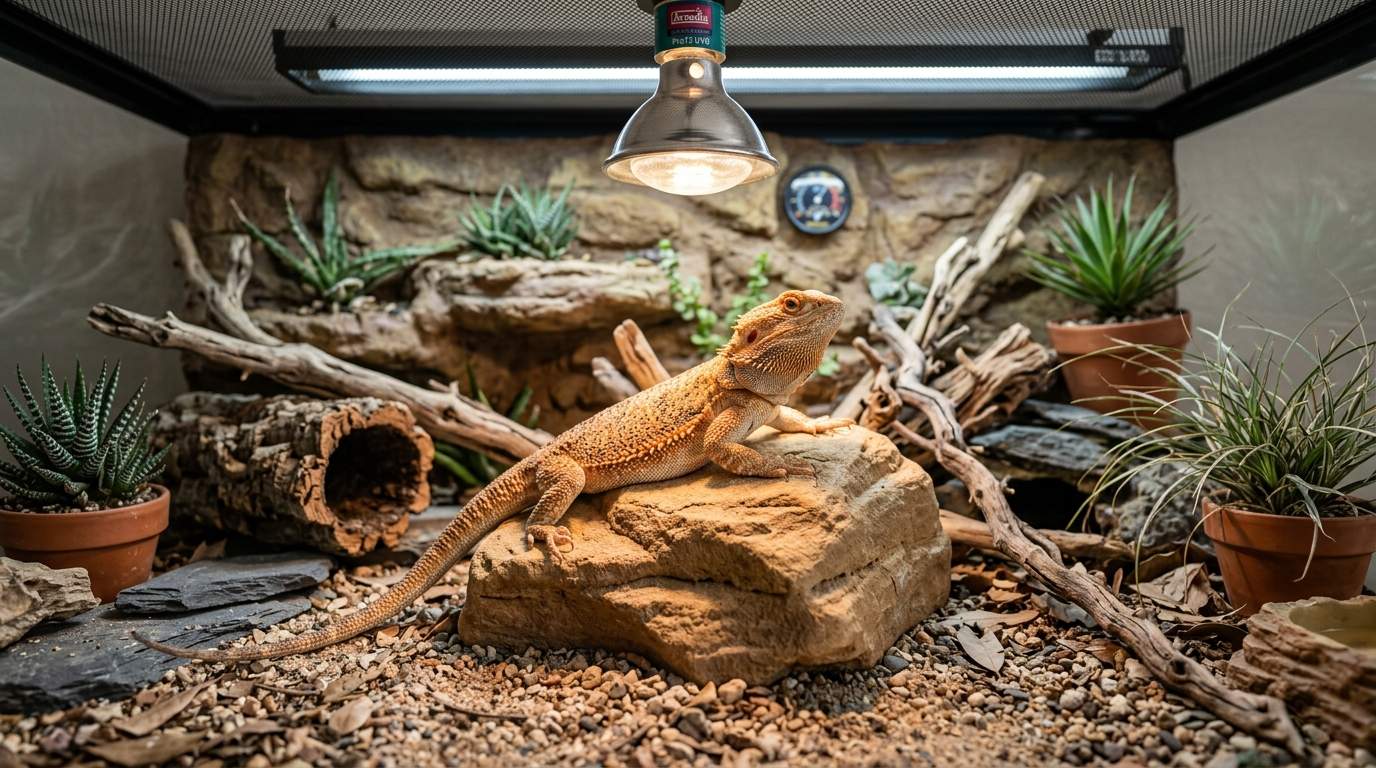
Leopard geckos are ectothermic, meaning they rely on external heat sources to regulate their body temperature. They need a warm side (around 88-92°F or 31-33°C) and a cooler side (75-80°F or 24-27°C) to thermoregulate. Use a reliable digital thermometer/hygrometer to monitor these crucial gradients. If the temperatures are too high or too low, it can cause stress, hiding, and a lack of appetite.
While often seen as desert creatures, leopard geckos do need access to humidity for proper shedding and overall health. A shallow water dish should always be available, and the moist hide is critical. This hide should maintain humidity levels around 70-80% using a substrate like sphagnum moss or paper towels that are kept damp. Proper hydration helps facilitate the natural leopard gecko shedding process and keeps their skin supple.
While much of Luna's behavior might be normal, it’s crucial to know when to escalate your concerns. If her hiding and not eating extends beyond 2-3 weeks, or if you notice other symptoms like significant weight loss (sunken fat pads on her head, a thin tail base), lethargy even when handled, swelling, unusual discharge, or obvious signs of injury, then it's time to contact an experienced reptile veterinarian.
Remember, you are a vigilant and caring owner simply trying to do your best for your unique companion. Your attentiveness to Luna's changes is a testament to your love.
In the end, your calm and consistent presence is one of the most healing things you can offer. Continue to provide her favorite foods, ensure her enclosure is pristine and correctly regulated, and check on her gently without disturbing her too much. Luna isn't deliberately trying to worry you; she's simply following her ancient instincts. By understanding her world, you’re not just a provider of food and shelter, but a compassionate guardian helping her thrive through every fascinating stage of her life. You are doing wonderfully.