Puppy's Persistent Nips: Are They Learning Limits, Or Pushing Them?
- Quick Tags: puppy biting, puppy nipping, bite inhibition, puppy socialization
- Editor: Editorial Team
- Updated: Aug,19,2026
- Views: 414.7k




Your heart was full of joy when you welcomed your new puppy home, anticipating endless cuddles and gentle play. But lately, every joyful interaction seems to dissolve into a flurry of needle-sharp teeth, latching onto your fingers, toes, and even your clothes. You’ve tried everything – redirecting with toys, firm "no's," even yelping like a hurt littermate – but those tiny teeth just keep coming back for you. The confusion, the worry, and yes, even a touch of guilt, can be overwhelming. Is this a sign of aggression? Are you somehow failing your new family member?
Take a deep breath. From my years of working with puppies and their guardians across different cultures, I can tell you this: what you’re experiencing is incredibly common, and it’s rarely a sign of aggression or that you’re doing something "wrong." It’s a normal, albeit challenging, developmental phase for puppies, and understanding why they do it is the first step towards a peaceful home.
Imagine yourself as a tiny, curious creature with no hands to explore your surroundings, and limited ways to communicate. How would you interact with everything new? For puppies, their mouths are their primary tool for sensory exploration. They mouth objects to understand texture, shape, and taste, much like human babies put everything in their mouths.
Far from being aggressive, this constant puppy nipping is typically how puppies learn about their environment, initiate play, and communicate their needs or excitement. They aren't trying to be defiant; they are simply acting on instinct. It's their way of asking, "What's this?" or "Let's play!"—even if it feels like a puppy biting frenzy to us.
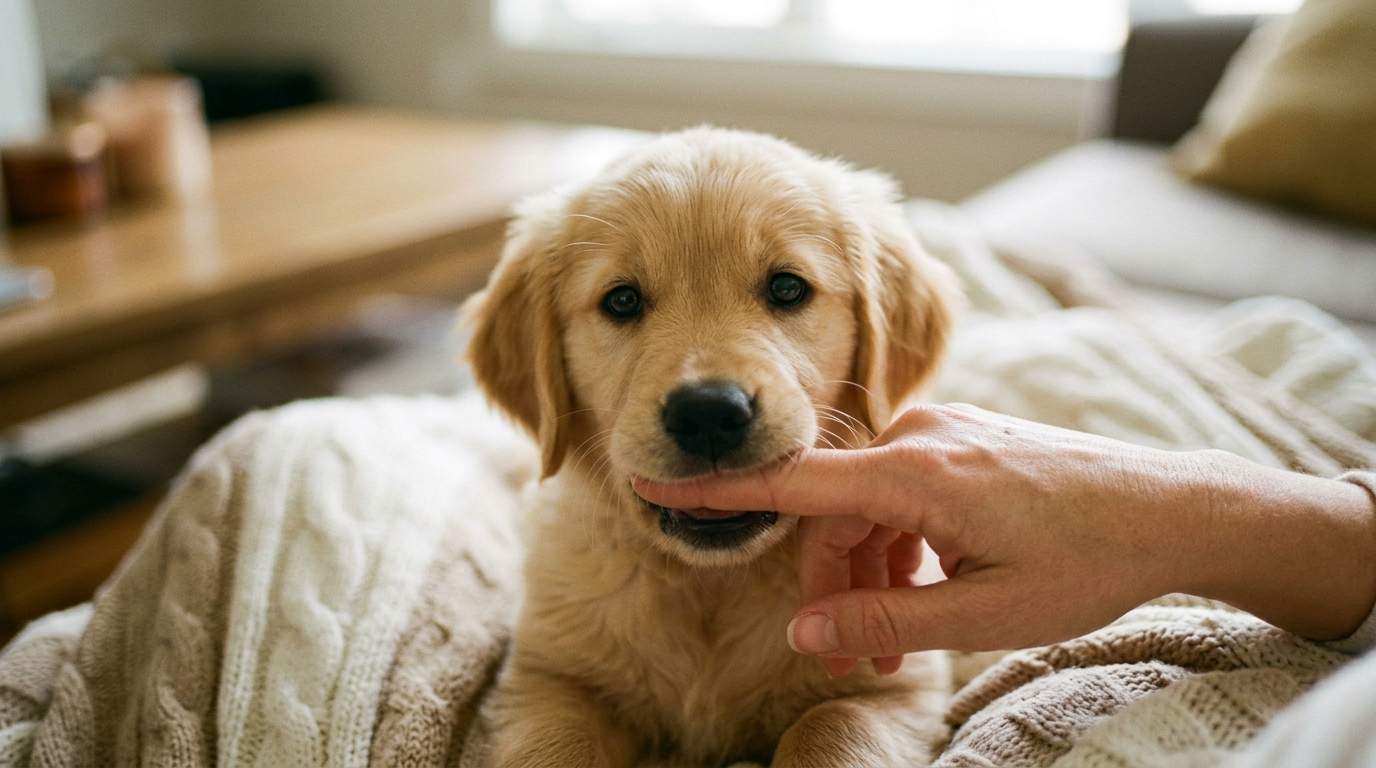
One of the most crucial lessons a young puppy must learn is bite inhibition – understanding how much pressure their jaws can exert without causing harm. This is a nuanced skill, not an on/off switch. It’s about learning to control the strength of their bite, so if they ever do mouth a human or another animal, it’s a gentle warning rather than a painful injury.
In their natural environment, puppy nipping is a constant conversation within a litter. When one puppy bites another too hard during play, the injured sibling will yelp loudly and often disengage from play. This immediate, clear feedback teaches the biter, "Oops! That was too much. If I want to keep playing, I need to be gentler." This natural puppy socialization process is foundational for their development.
When puppies come into our homes, we become their most important teachers. While a sharp "yelp" can mimic a littermate's reaction, it's often misunderstood as the only solution, or that it should work instantly. For some puppies, a human yelp can even escalate their excitement or confuse them. The truth is, yelping is just one piece of a larger puzzle. Our role is to gently and consistently guide them to use their mouths appropriately with us, teaching them what to chew, rather than just what not to chew.
The goal isn't to stop all mouthing, but to redirect it to appropriate outlets and teach soft mouths. Here are some strategies that work beautifully:
puppy chew toy nearby. The moment those shark teeth come towards your skin, immediately offer a suitable toy. Praise them warmly when they take the toy instead. Consistency is paramount.puppy nipping, a brief "time-out" can be effective. If redirection and yelping aren't working, calmly stand up and walk away, or put your puppy in a safe, puppy-proofed area (like a crate or playpen) for 30-60 seconds. This teaches them that biting results in the loss of your attention and interaction.Never resort to harsh physical punishments. This can erode trust, create fear, and may even lead to actual aggression down the line. Our aim is to build a bond based on love and respect.
Providing an array of suitable items is paramount during this mouthy phase. Think of it as a puppy's "toolkit" for navigating the world:
This intense puppy biting phase is temporary, typically subsiding significantly by 4-6 months of age as they master bite inhibition and their adult teeth emerge. What matters most during this time is your patience, your consistency, and your understanding.
You are not failing your puppy. You are doing the important work of guiding a young, curious soul through a vital developmental stage. With gentle encouragement, clear communication, and unwavering love, you’ll soon find those tiny shark teeth replaced by soft nudges and affectionate licks, solidifying a bond that will bring you both immense joy for years to come.