Your Pet's Happy Yawn: Is That 'Normal' Scent Whispering a Secret?
- Quick Tags: bad dog breath, cat bad breath, pet dental health, oral hygiene for pets
- Editor: Editorial Team
- Updated: Aug,22,2026
- Views: 267.1k









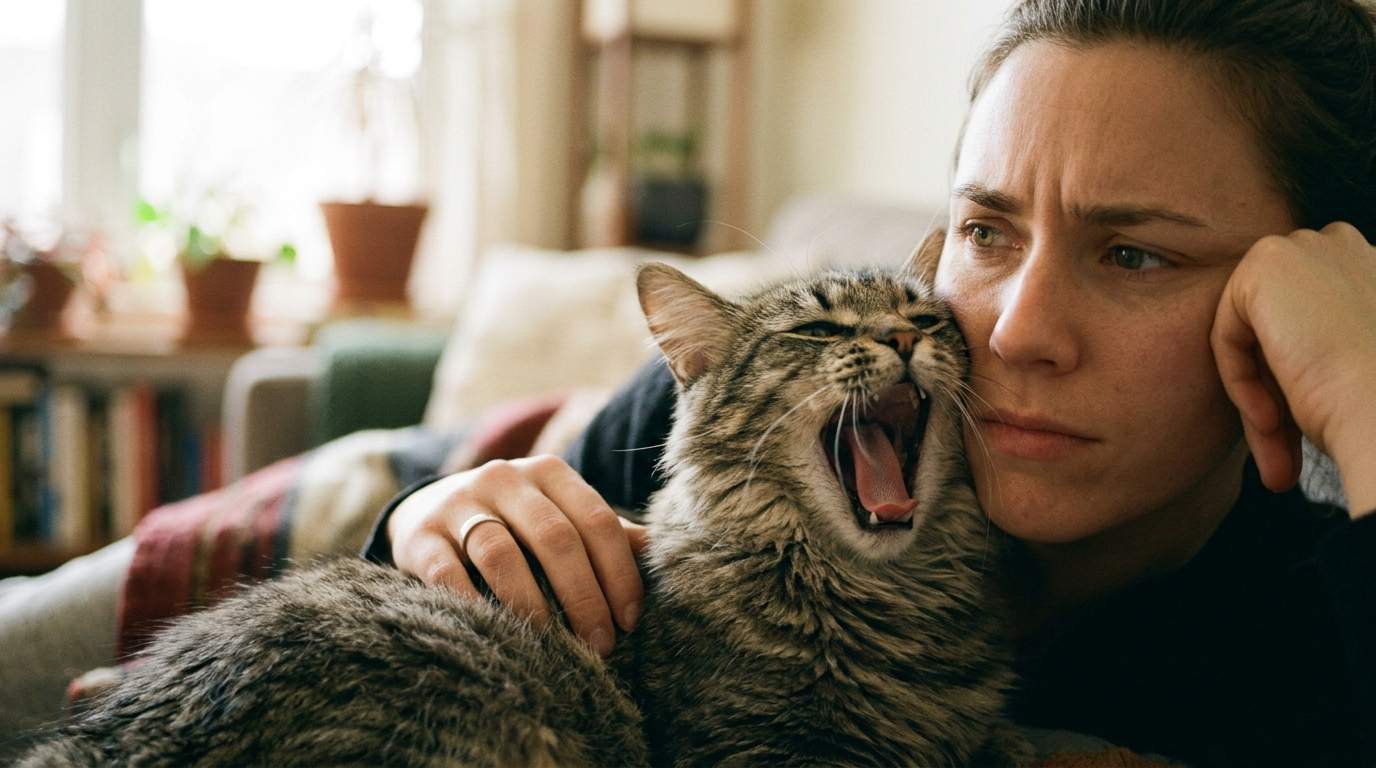
You're enjoying a quiet evening, and your beloved dog comes over for a snuggle, giving you a big, happy yawn right in your face. Or perhaps your cat gives you a loving head-butt, and you can't help but notice that unmistakable, pungent smell. You probably just sigh and think, "Ah, that's just typical pet breath." That persistent, often foul pet breath is so commonly dismissed as "just how pets smell," which leads to a lingering anxiety about whether it's truly normal or a red flag you're overlooking. There's confusion about what's an acceptable level of pet odor versus a sign of something serious, and maybe even a pang of guilt for not knowing if you should be doing more for their dental hygiene.
Many pet owners genuinely believe that strong, foul breath is simply a natural, unavoidable part of owning a dog or cat. This deeply ingrained misconception is that "dog breath" or "cat breath" is a benign characteristic. Yet, in reality, it’s often the earliest and most obvious warning sign of painful and dangerous dental disease that, if ignored, can silently lead to much more severe problems affecting their heart, kidneys, and liver. As a behavior consultant who has worked with companions across the globe, I understand that sometimes, the signals our pets send us can be subtle, easily misinterpreted, or even dismissed as just "being a pet." But when it comes to their breath, what we perceive as normal might actually be a quiet call for help.
Imagine waking up with a consistently foul taste in your mouth, or having a permanent, unpleasant odor emanating from your own breath. You wouldn't simply shrug it off, would you? The same principle applies to our cherished animal companions. That pervasive, off-putting scent you might associate with "bad dog breath" or "cat bad breath" is rarely, if ever, truly "normal."
Instead, it's almost always a clear indicator of bacteria accumulating in their mouth. These bacteria form plaque, which hardens into tartar. This combination creates an environment ripe for gum inflammation (gingivitis) and, if left unchecked, progresses to periodontal disease – a painful and destructive condition that impacts the gums, bone, and supporting structures of their teeth. It's not just an unpleasant smell; it's a bacterial battlefield.
Here’s a truth many owners find surprising, and sometimes a little unsettling: dental disease isn't confined to the mouth. Think of your pet's mouth as a gateway to the rest of their body. When harmful bacteria proliferate due to poor pet dental health, they don't just stay put. They can enter the bloodstream through inflamed or bleeding gums, traveling to vital organs like the heart, kidneys, and liver.
This systemic spread of bacteria and inflammation can contribute to serious health complications, worsening existing conditions or even initiating new ones. A struggling heart, a compromised kidney, or an overburdened liver—these are the silent battles your pet might be fighting, all stemming from a seemingly localized issue. It’s a testament to how interconnected their tiny bodies truly are.
While bad breath is the most common and often the first sign, our pets, in their stoic nature, often hide their discomfort. Lily, a spirited senior Beagle I worked with, stopped chewing her favorite crunchy treats. Her owner thought she was just getting picky. It turned out, Lily was experiencing significant dental pain. Observing their subtle shifts in behavior can tell us so much.
Beyond the strong odor, watch for signs like excessive drooling, pawing at their mouth, difficulty chewing, or a noticeable change in their eating habits, such as favoring soft food over kibble. You might even observe bleeding gums or visible tartar buildup on their teeth.
Pets often mask pain as an evolutionary survival instinct. A once playful fetch game might become a gentle retrieve, or a normally enthusiastic mealtime might be approached with hesitation. Cats, in particular, are masters of disguise. A subtle weight loss, a change in grooming habits, or increased irritability could all be quiet indicators of oral discomfort they can’t voice. Trust your intuition; if something feels "off" with your beloved companion, it likely is.
The good news is that we have the power to make a significant difference in their oral hygiene for pets. It starts with simple, consistent actions at home. Just like us, pets benefit from regular dental care.
Introducing a routine of brushing your pet’s teeth with a pet-specific enzymatic toothpaste and a soft-bristled pet toothbrush can be incredibly effective. Even if it’s just for a minute or two, a few times a week, every effort counts. Many pets learn to enjoy the routine, especially when paired with positive reinforcement. Dental chews and water additives can also serve as helpful complements, mechanically scrubbing teeth or inhibiting bacterial growth. Remember, consistency is key, and patience is your best friend when introducing new routines.
While home care is vital, it’s not a substitute for professional veterinary dental examinations and cleanings. Think of it like your own visits to the dentist for a thorough cleaning and check-up. Your veterinarian can assess the full scope of your pet's pet dental health, identify issues below the gumline through X-rays, and perform professional cleaning under anesthesia to safely and thoroughly remove plaque and tartar.
Don't feel guilt or anxiety if your pet needs professional attention; it’s a sign of a responsible, loving owner. Regular check-ups allow us to catch potential problems early, often preventing painful and costly interventions down the line. Your vet is your partner in ensuring your pet's comfort and long-term well-being, providing the expert guidance and care that truly heals.
So, the next time your pet offers you that loving yawn or gentle head-butt, take a moment to truly notice their breath. It’s not just "typical pet smell" or a simple nuisance. It’s a vital indicator, a quiet signal from a beloved companion who trusts you to understand their unspoken needs. By recognizing this, you’re not just addressing a smell; you’re embracing a deeper level of care, ensuring their comfort, health, and a lifetime of shared joy.