The Dog's Quick Blink, Ignoring the Treat: Is Your Pet Cam Stressing Them?
- Quick Tags: pet camera anxiety, dog separation stress, pet monitoring tips, enrichment while away
- Editor: Editorial Team
- Updated: Aug,21,2026
- Views: 217.4k

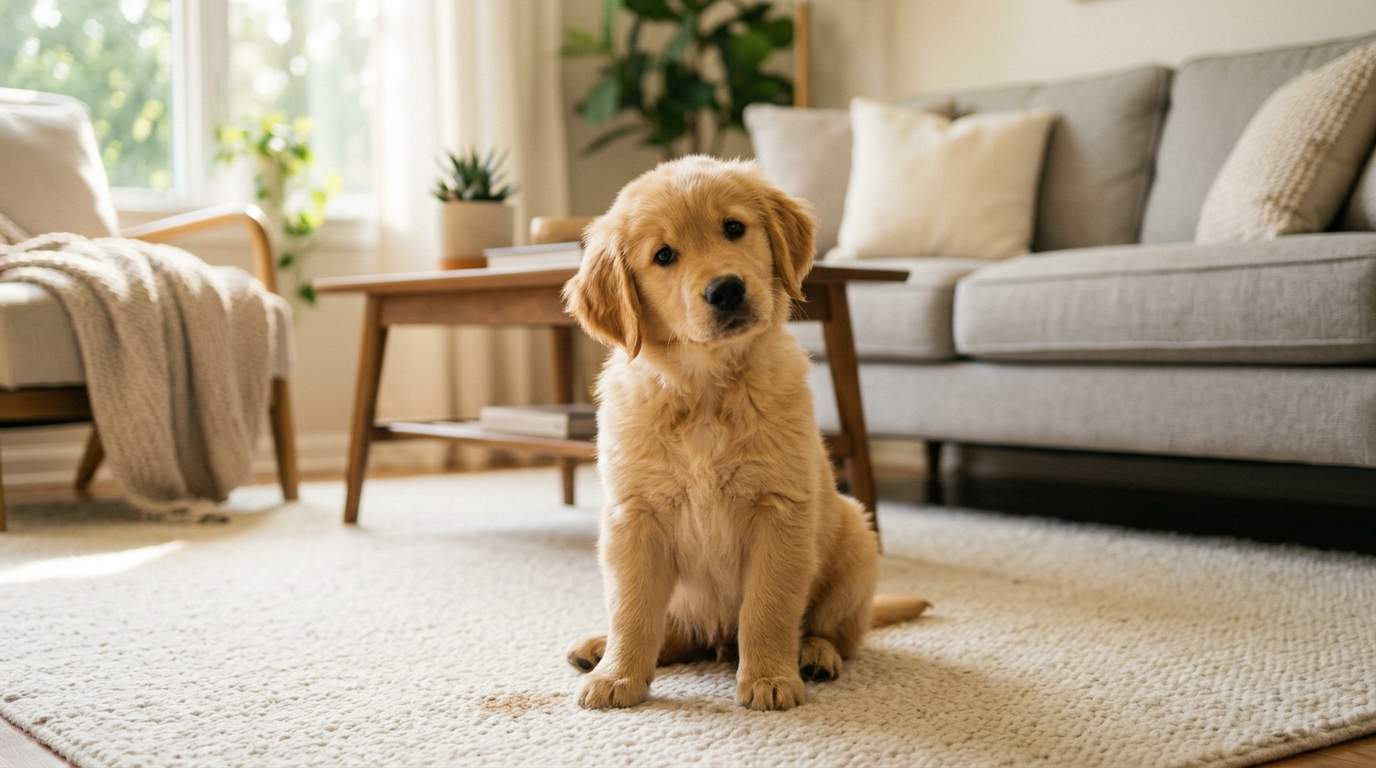

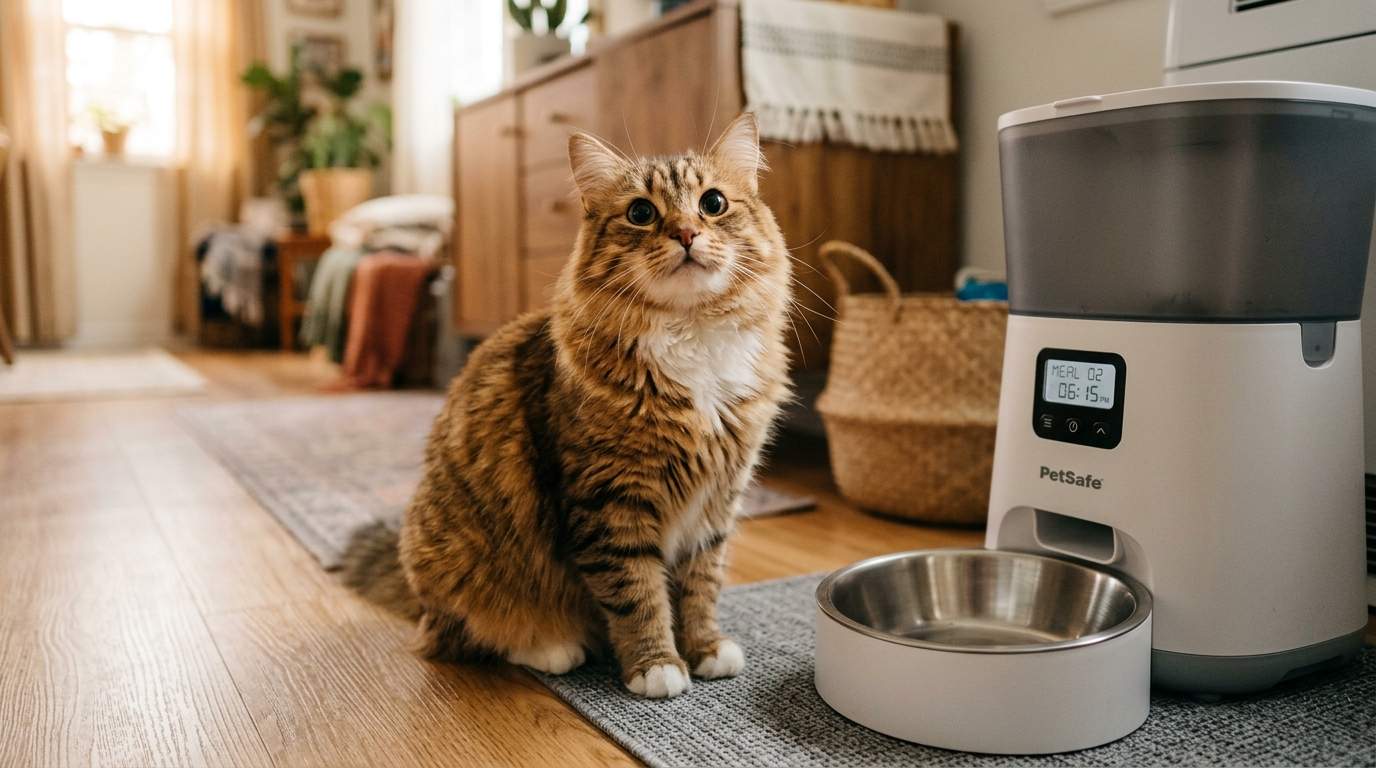

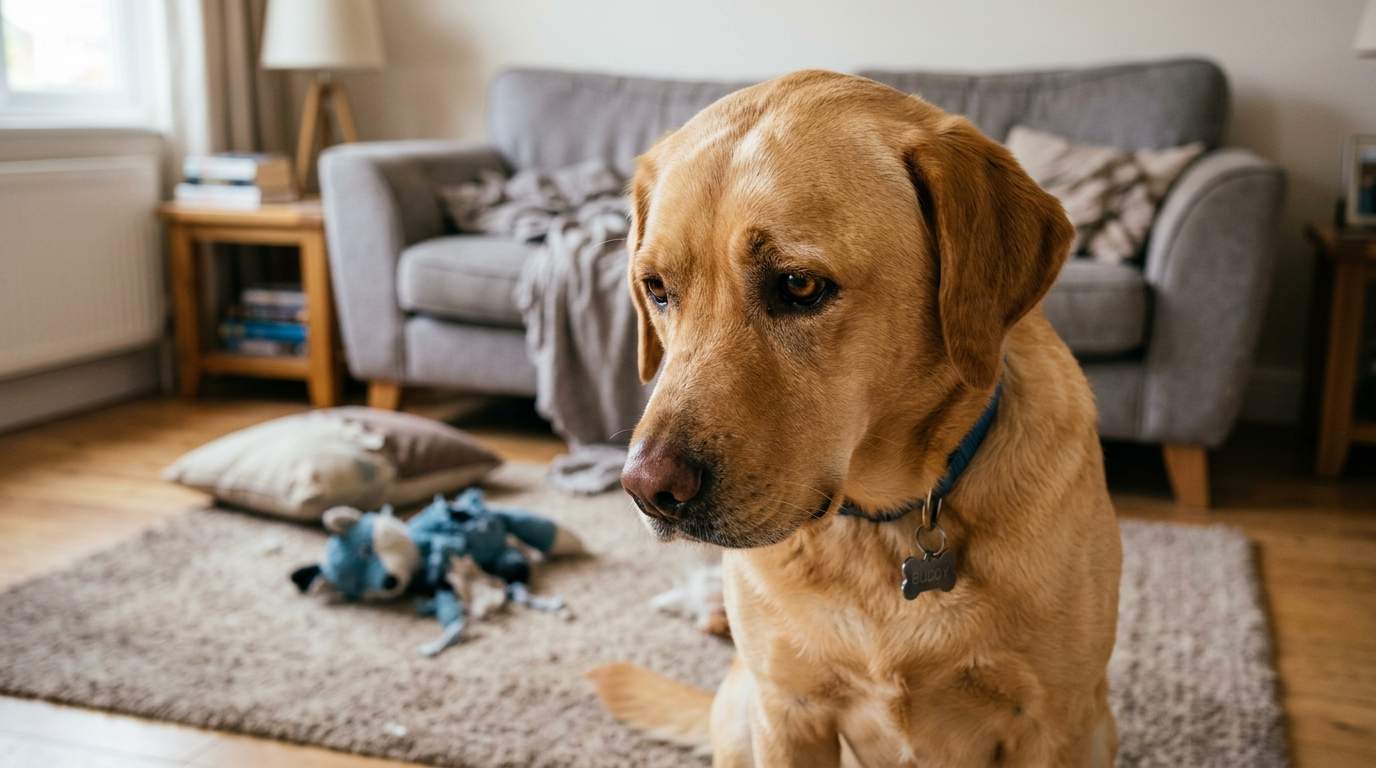
You glance at your phone during a short break, hoping for a reassuring glimpse of your beloved furry friend through the pet cam. Perhaps you've invested in a fancy model, complete with a treat dispenser, to ease that familiar pang of guilt about leaving them home alone. But instead of seeing a content nap, you catch your dog pacing restlessly, or worse, seeming startled when a treat inexplicably drops from the camera, only to ignore it entirely. That intended moment of connection transforms into a fresh wave of anxiety and self-doubt. You find yourself asking, "Am I doing this all wrong? Is my pet stressed, or am I just imagining things?"
It’s a common paradox. We embrace pet cameras, viewing them as the ultimate tool for peace of mind and virtual companionship for our pets when we're away. Yet, for many dedicated pet parents, the constant monitoring creates an increase in anxiety, not a decrease. This isn't a failing on your part, but rather a subtle misunderstanding of how our virtual presence might be perceived by a four-legged family member. Your worry stems from a deep place of love, not a flaw in your caregiving.
Imagine a voice echoing from the sky, or a snack appearing out of thin air, with no human hand in sight. For a dog or cat, this can be genuinely confusing. Unlike video calls with humans, where we understand the concept of a "screen," pets perceive the world through immediate sensory input. That disembodied voice or sudden treat might not register as you at all, but as an unpredictable, somewhat unsettling event. For a dog already prone to separation stress, this ambiguity can add to their confusion rather than alleviate their loneliness.
While pet cameras offer a window into your pet's day, they can sometimes distract us from understanding their fundamental needs when we're not physically present. A static image or short clip rarely captures the full picture of a pet’s emotional landscape. Whether you have a playful puppy, a senior dog who prefers quiet, or an independent feline, their experience of being alone is unique.
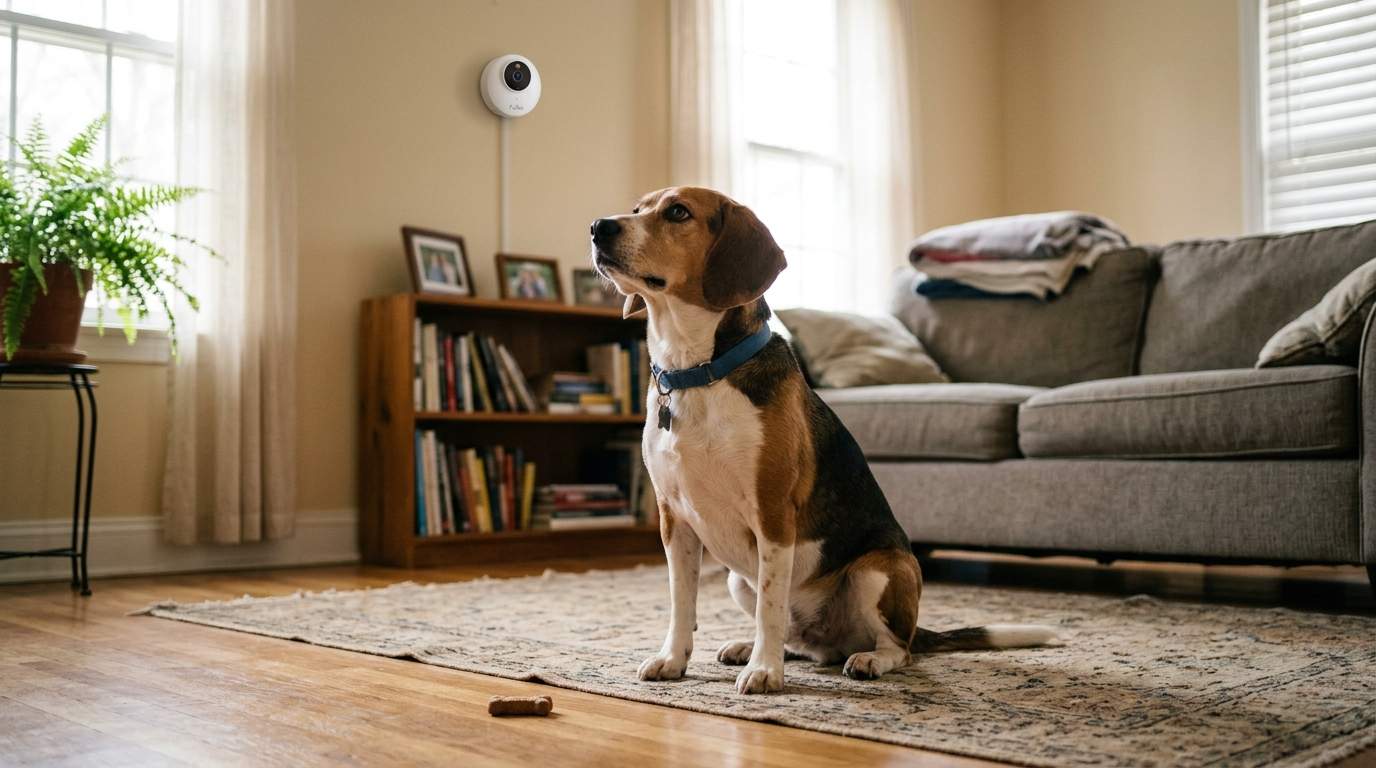
Every animal, from the most social dog breed to the most solitary cat, thrives on predictability and a sense of security. For some, constant monitoring by a human who isn't actually there can disrupt that predictability, making them more aware of your absence rather than comforting them with your distant presence.
It’s easy to misinterpret what we see on screen. A dog sleeping for hours might be perfectly content, or they could be coping with boredom or anxiety by shutting down. Pacing could indicate restlessness, or a simple stretch. The key is to look for patterns and context. Does your dog pace at specific times? Does ignoring a treat happen consistently?
True signs of separation discomfort or stress can be subtle. Watch for repetitive behaviors like excessive licking, chewing objects they normally wouldn't, excessive panting without exertion, drooling, or a consistent pattern of vocalization (whining, barking) that doesn't resolve. A truly relaxed pet often shifts positions, stretches naturally, and engages with appropriate toys or resting spots. If they consistently seem startled by treats or ignore them, it’s a strong signal that the camera’s interaction isn't resonating positively.
If your pet camera is causing more worry than calm, it’s time to shift focus. Instead of solely relying on virtual presence, consider practical, tangible solutions that enhance your pet's well-being before you leave. Create a rich environment: provide engaging puzzle feeders, a safe, durable chew toy, or a comfort scent diffuser with calming pheromones. These items offer genuine, physical enrichment and comfort, making their time alone more fulfilling.
Establish a consistent pre-departure routine that signals your leaving is temporary and safe. This might involve a specific playtime, a walk, and then settling them with an activity or a comfortable bed before you quietly exit. Limit the time you spend checking the camera, perhaps setting specific, brief check-in times to avoid obsessive monitoring.
Your concern about your pet's feelings when you're away is a testament to the incredible bond you share. It shows a truly loving heart. Many pet parents grapple with the complexities of modern pet care and the guilt of leaving their companions. Remember, there's no single "right" way to use every pet product. Sometimes, the most high-tech solutions aren't the best fit for every individual animal.
Instead of blaming yourself or feeling like you're doing it "wrong," view this as an opportunity to deepen your understanding of your unique pet. Observe, adapt, and don't hesitate to seek guidance from a certified professional if you suspect genuine separation anxiety. With patience, understanding, and the right strategies, you can foster an environment where both you and your pet feel secure, connected, and at peace.