The Soft Groan: When Senior Slowing Down Hides More Than Years?
- Quick Tags: senior dog care, aging dog signs, dog joint pain, pet cognitive decline
- Editor: Editorial Team
- Updated: Aug,23,2026
- Views: 476.1k









Lately, you've noticed your older dog, Max, isn't greeting you at the door with his usual bouncy excitement. He takes longer to get up from his bed, sometimes even letting out a soft groan, and his walks are definitely slower. This feeling, a whisper of anxiety that you might be missing something serious, is incredibly common. You're not alone in wondering if these changes are just an unavoidable part of getting older, or if there's more to Max's quiet movements. As someone who has spent years observing the subtle language of our animal companions, I understand the deep confusion and even guilt that can arise when our cherished senior pets begin to change.
It's a belief deeply ingrained in many of us: as our pets age, they naturally slow down, stiffen, and sleep more. We often tell ourselves, "He's just getting old; it's normal," and while some aspects of aging are indeed natural, assuming all changes are simply an "unavoidable decline" can lead us to overlook conditions that are treatable and significantly impact our pet's comfort and quality of life. This misconception is a crucial one to address in comprehensive senior dog care.
When you observe your old dog is stiff, struggling to climb stairs, or hesitant to jump, it's easy to attribute it solely to age. However, significant stiffness and reduced mobility are frequently tell-tale signs of underlying pain. Arthritis, or osteoarthritis, is incredibly common in senior dogs, but it's not merely "part of getting old"; it's a chronic, progressive condition that causes genuine discomfort. Imagine having aching joints every time you move – Max might be experiencing just that. Recognizing these subtle signs means we can intervene, rather than accepting pain as inevitable.
You might find your once-active senior companion spending much more time asleep. While it's true that older pets often require more rest, a sudden or marked increase in sleep, or a noticeable decrease in their usual spark and engagement, shouldn't be dismissed as purely normal for senior pets. This lethargy can be a quiet indicator of various health issues. It could signal undiagnosed pain, dental problems (which can cause significant discomfort and reduce appetite), organ dysfunction, or even early stages of cognitive decline. Max might be sleeping more not because he’s tired of life, but because he’s tired from something that's making him feel unwell.
Beyond physical ailments, our senior companions can also experience changes in their minds. Canine Cognitive Dysfunction (CCD), often likened to Alzheimer's in humans, can manifest as disorientation, changes in interaction, altered sleep-wake cycles, or even house-soiling accidents. These aren't just "quirks" of old age; they are genuine neurological changes that impact their daily lives and can be a source of anxiety for both pet and owner. Understanding these signs is vital for offering effective senior dog care.
The most crucial step you can take for your beloved companion is to schedule regular veterinary check-ups, even if Max seems perfectly fine. For senior pets, twice-yearly visits are ideal. Be prepared to discuss every subtle change you’ve observed, no matter how small. Your veterinarian can perform thorough examinations, blood work, and imaging to distinguish between natural aging processes and treatable conditions. Early detection of conditions like dog joint pain or thyroid imbalances can make a world of difference. This proactive approach is key to understanding why your old dog is stiff and what can be done.
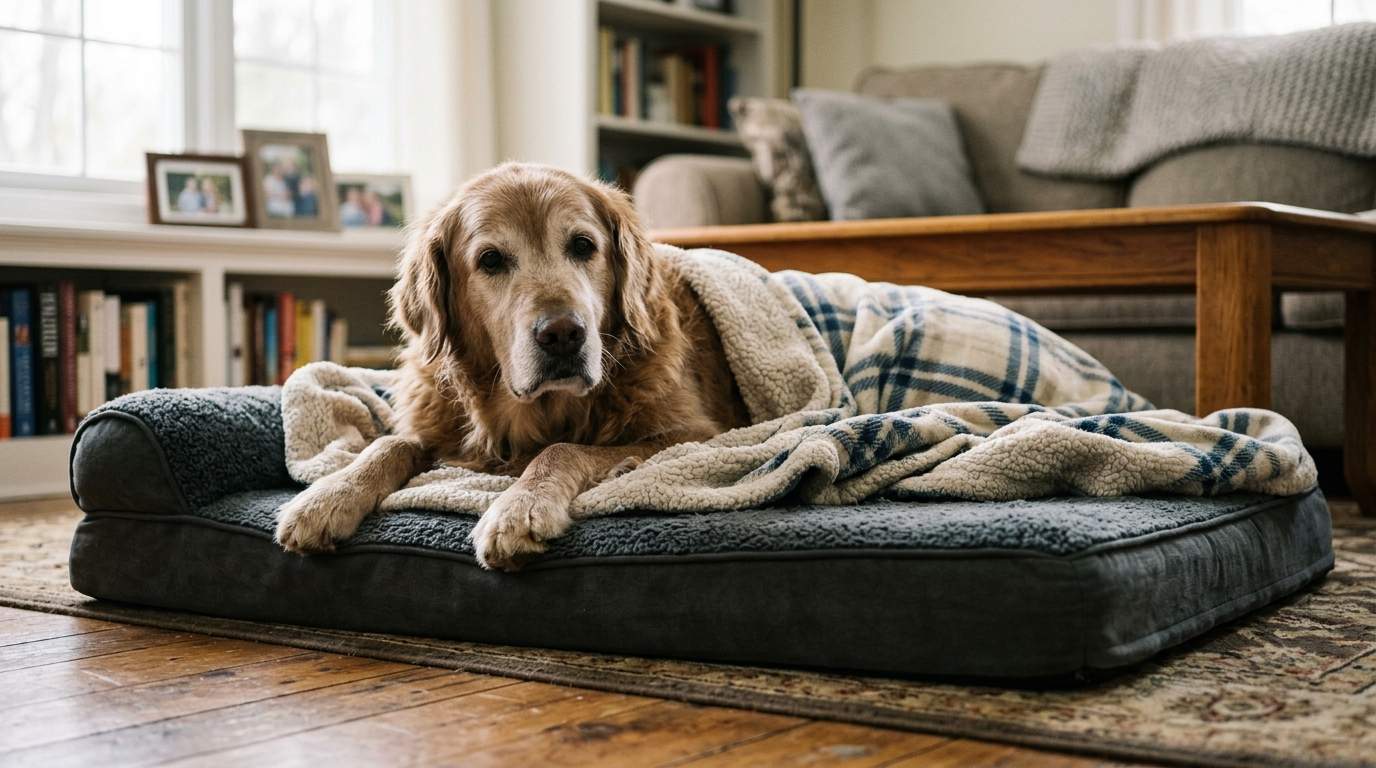
While veterinary care addresses the root causes, practical adjustments at home can significantly enhance your senior dog's comfort and confidence. An orthopedic pet bed can alleviate pressure on aching joints. Placing non-slip paw grips or rugs on slick floors can prevent slips and falls, making movement less daunting. Gentle, consistent exercise tailored to his capabilities, along with a high-quality joint supplement for dogs, can support mobility. Even simply moving food and water bowls to an easily accessible spot can make daily life smoother.
It's natural to feel overwhelmed or guilty when faced with these changes, but remember, you are not failing Max. Your attentiveness and concern are a testament to your deep love. By recognizing that not all slowing down is "just old age" and by seeking professional guidance, you are offering your senior dog the greatest gift: the opportunity for continued comfort, dignity, and joy. Let's embrace this journey with understanding, patience, and the unwavering belief that we can enhance the precious remaining years with our beloved companions.