The turtle’s open mouth: a lazy yawn or a suffocating gasp?
- Quick Tags: turtle respiratory infection, tortoise mouth breathing, reptile pneumonia signs, aquatic turtle health
- Editor: Chloe Jones
- Updated: Aug,06,2026
- Views: 361k



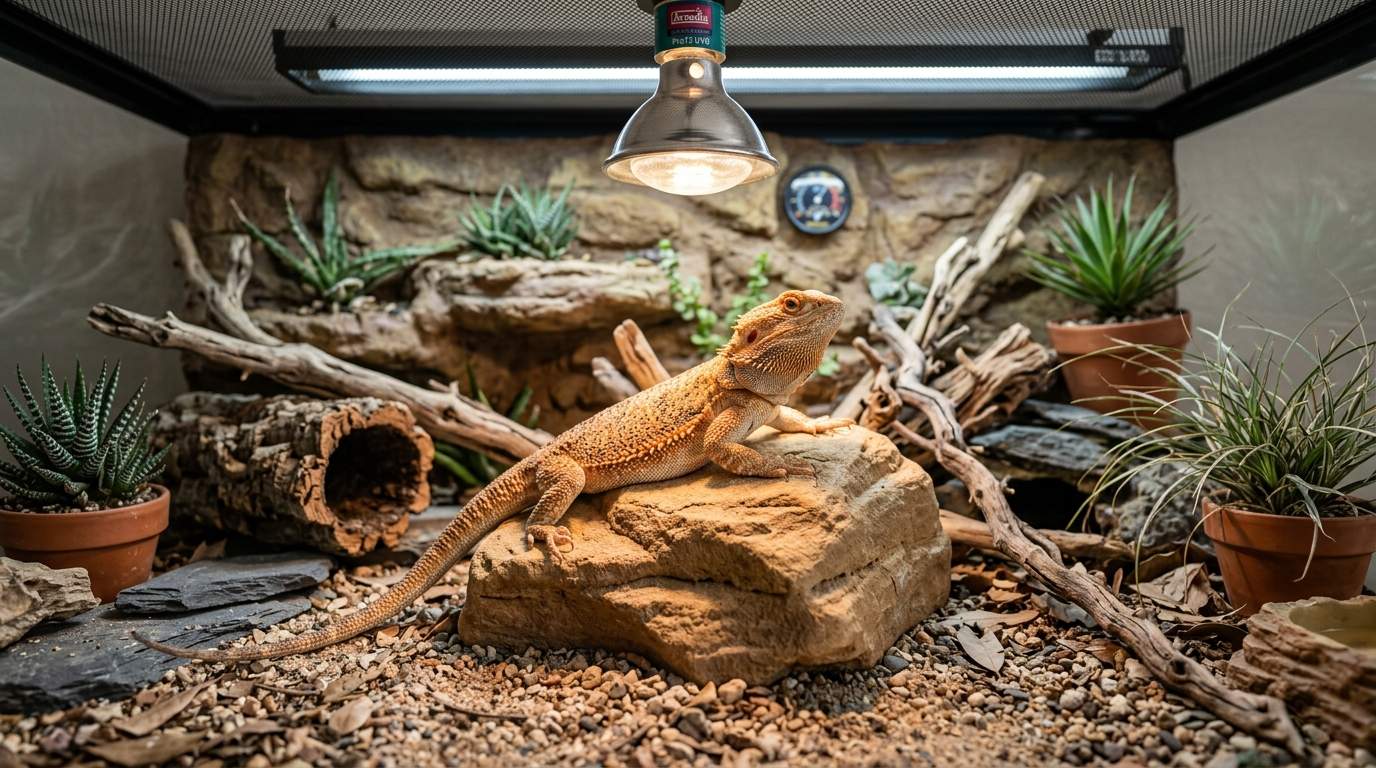
You walk past the tank and notice your red-eared slider, Kiwi, with her mouth open. Just a little crack. Then she closes it. A minute later, she opens it again. She is basking under the heat lamp, eyes half shut. “How cute,” you think. “She’s yawning after a long swim.”
But the next morning, Kiwi floats sideways in the water. Her nose has tiny bubbles. She won’t touch her food pellets.
That open mouth was never a yawn. It was a quiet prayer for air.
Turtles and tortoises have a slow metabolism. True yawning is rare and brief – a single wide open, then close, usually when waking up or settling to sleep. What most owners call “yawning” is actually open-mouth breathing.
A turtle with a respiratory infection develops fluid or mucus in the lungs. Breathing becomes hard. She opens her mouth to get more air past the blockage. This is not relaxation. It is suffocation beginning. One of my clients lost her young musk turtle because she filmed his “cute yawns” for three days. The necropsy showed severe pneumonia.
Not every open mouth is an emergency – but almost. These three patterns leave no room for waiting.
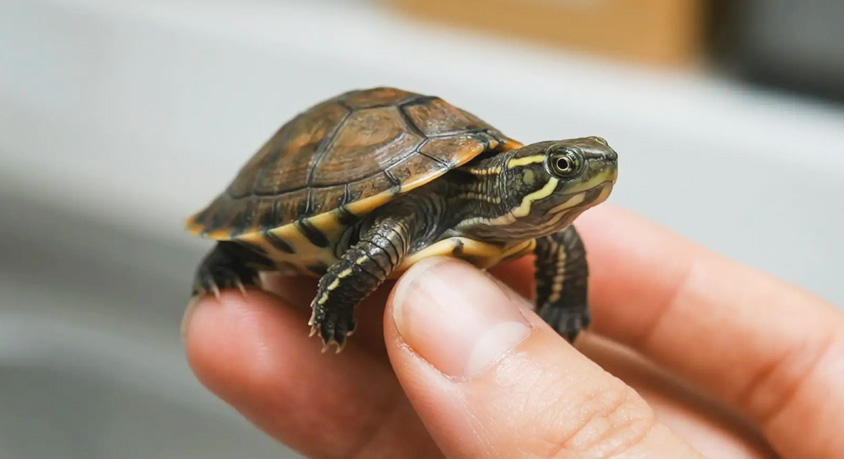
Kiwi stretches her neck long and points her nose upward. She opens her mouth repeatedly, sometimes making a soft clicking sound. This is the classic “gasping” posture of a turtle who cannot get enough air. She is trying to straighten her trachea. Vet visit today.
You see clear or yellowish slime around her nostrils or mouth. She wipes her face with her front feet. This is not a cold that will pass. Turtles do not get runny noses from allergies. That mucus means infection.
A healthy aquatic turtle sits flat in the water or dives easily. A turtle who lists to one side – tilting like a tiny boat taking on water – has fluid in one lung. She cannot balance. This is an emergency.
Turtles are ectothermic. They rely on warm air and water to fight infections. The most common cause of respiratory illness is a basking spot that is too cold or water that fluctuates in temperature.
Water temperature for red-eared sliders should be 24–27°C (75–80°F). Basking spot should reach 32–35°C (90–95°F). If the water drops below 22°C (72°F) for even a few hours, a turtle’s immune system slows down. Bacteria that normally live harmlessly in the tank multiply and invade the lungs.
One family kept their turtle in a living room that dropped to 18°C at night. No water heater. The turtle started yawning after two weeks. A water heater and a higher basking lamp cleared the mild infection without medication.
You do not need to be a vet. You need two habits.
Watch your turtle bask. A healthy turtle stretches one back leg out (the “superman pose”) and opens her mouth zero times in an hour. A sick turtle basks constantly – she craves heat to fight infection – but keeps her mouth cracked open the whole time.
Gently nudge Kiwi into deeper water. Does she swim level? Do both back legs kick evenly? A turtle who tilts or struggles to stay down has fluid in her lungs or a secondary infection.
If you see mouth breathing but your turtle is still active, call your vet and do this immediately.
Increase water temperature by 2–3 degrees over 24 hours (do not shock her). Add a second basking lamp so she has a warmer spot. Keep the tank covered with a towel to trap heat and humidity – dry air worsens lung irritation.
Lower the water level so Kiwi can touch the bottom without swimming. A sick turtle can drown in deep water if she is too weak to lift her head.
Some turtles need injectable antibiotics. Home heat alone will not cure advanced pneumonia.
Tell the vet: “My turtle has been open-mouth breathing for X hours. She floats sideways. Her basking temperature is Y.” Do not say “she seems fine otherwise.” She is not fine. She is hiding how tired she is.
I worked with a rescued box turtle named Olive who arrived with chronic mouth gaping. Her previous owner thought she was “yawning at me sweetly.” Olive spent two weeks on injectable antibiotics and daily warm soaks. On the fifteenth day, she closed her mouth and kept it closed. She ate a strawberry. Her owner cried.
“I thought yawns were always happy,” she said. “Now I know a closed mouth is the real smile.”
Tonight, when your turtle opens her beak under the heat lamp, do not coo. Look at her neck. Look for bubbles. Feel the water temperature. An open mouth on a turtle is not a yawn. It is a whisper. And sometimes, that whisper is begging you to warm her world before she has to gasp.