Paws Rhythmically Pressing Blanket, Claws Pricking Out: Bliss or Hidden Stress?
- Quick Tags: cat kneading, making biscuits, why cats knead, feline kneading behavior
- Editor: Editorial Team
- Updated: Jul,22,2026
- Views: 482.6k



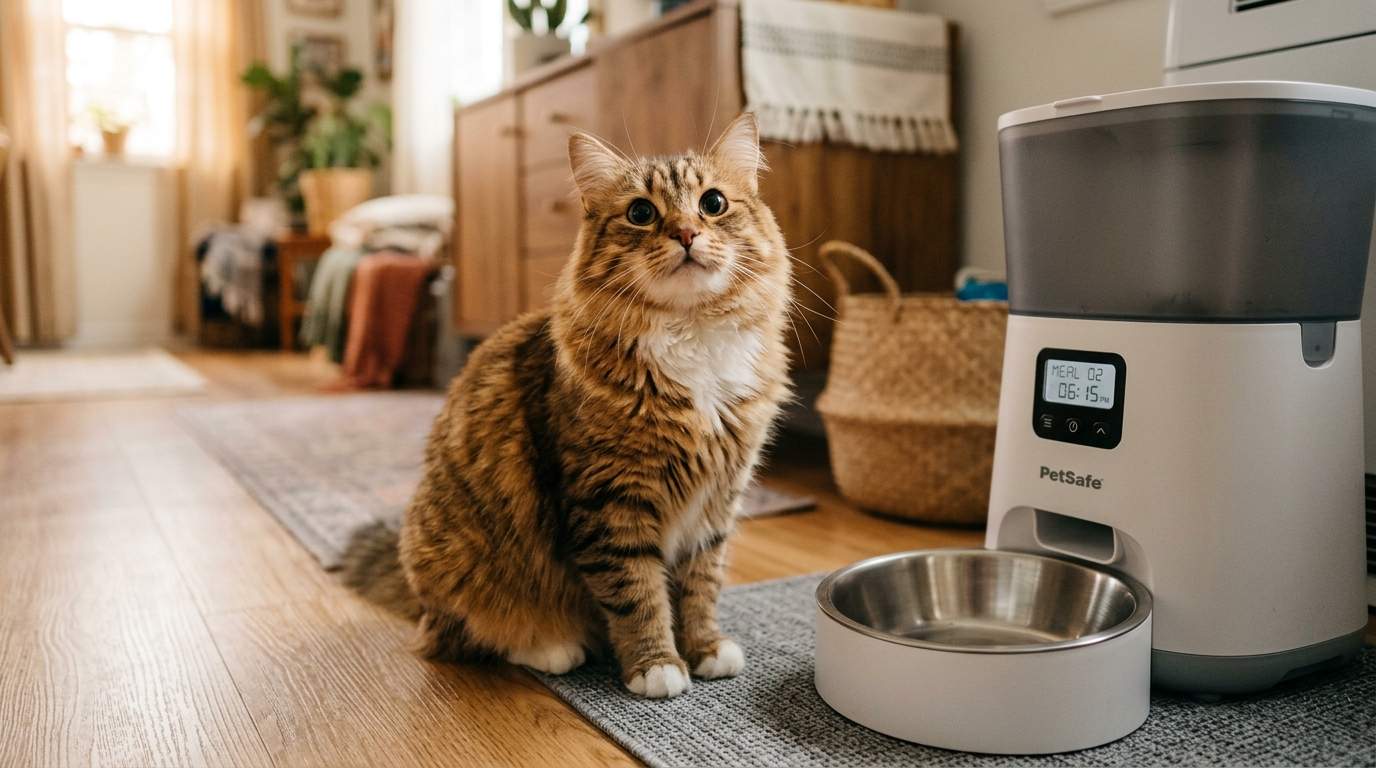

Imagine settling into your evening chair when your cat leaps onto your lap. Paws begin that familiar push-pull rhythm against your thigh—claws lightly pricking through fabric. Is this tender moment a sign of love, or something unsettling beneath the surface?
Cat kneading, often called "making biscuits," traces back to kittenhood. As nursing kittens, they pressed paws on mother's belly to stimulate milk flow. This persists into adulthood as a soothing ritual.
Adult cats knead on soft surfaces like blankets or your lap. Far from random, it's wired into their neurology—a blend of instinct and emotion.
For breeds like Ragdolls or Persians, this behavior shines during relaxed evenings, revealing their plush comfort needs.
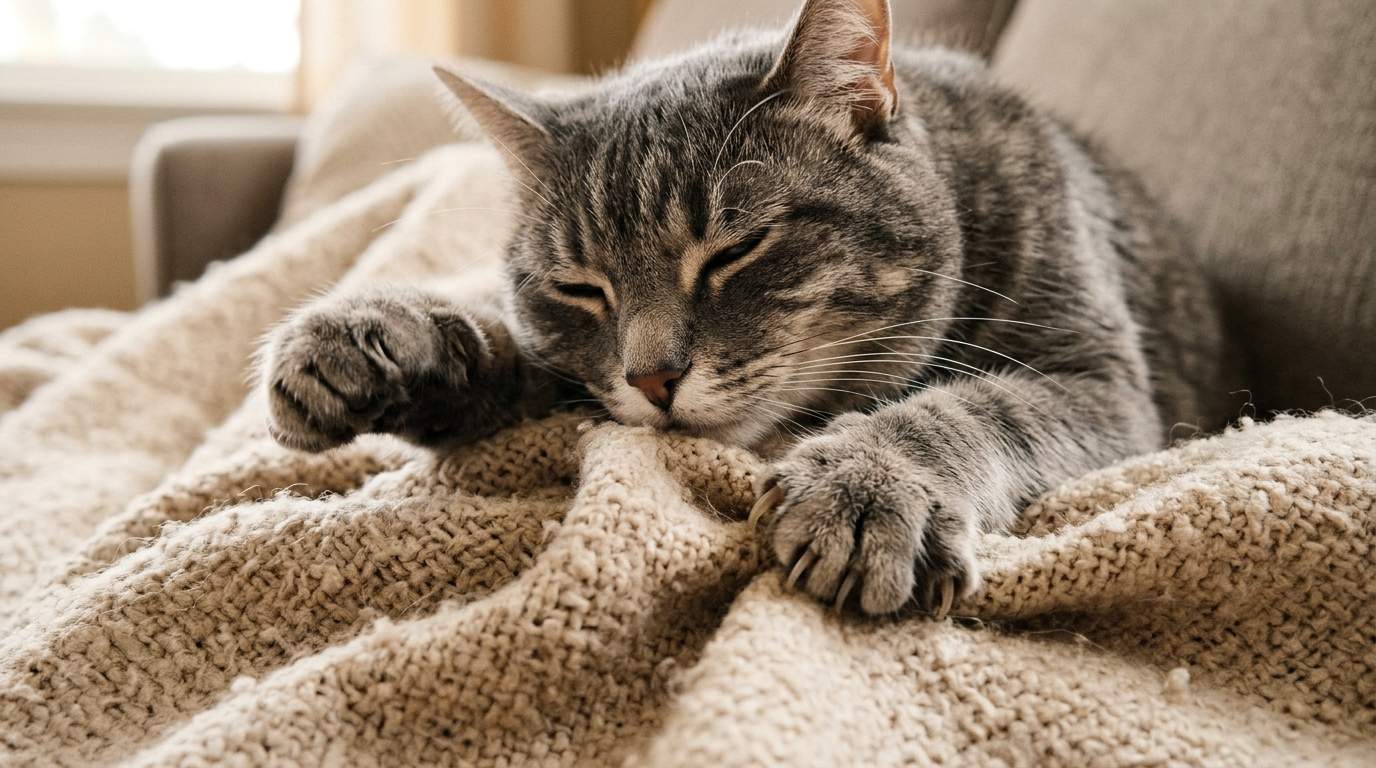
Kneading releases endorphins, easing stress much like a human massage. Scent glands in paw pads deposit pheromones, marking territory as "safe."
Even senior cats revert to this when content. Observe: eyes half-closed, purring rises. It's not play—pure decompression.
This micro-action claims you as family. Counterintuitive: those pricking claws aren't aggression; they're vulnerability signals from trusting hearts.
Many owners wince at claws, assuming discomfort or attack prep. Yet science flips this—extended claws signal peak relaxation. Inhibited by full trust, cats expose this "weapon" only around chosen ones.
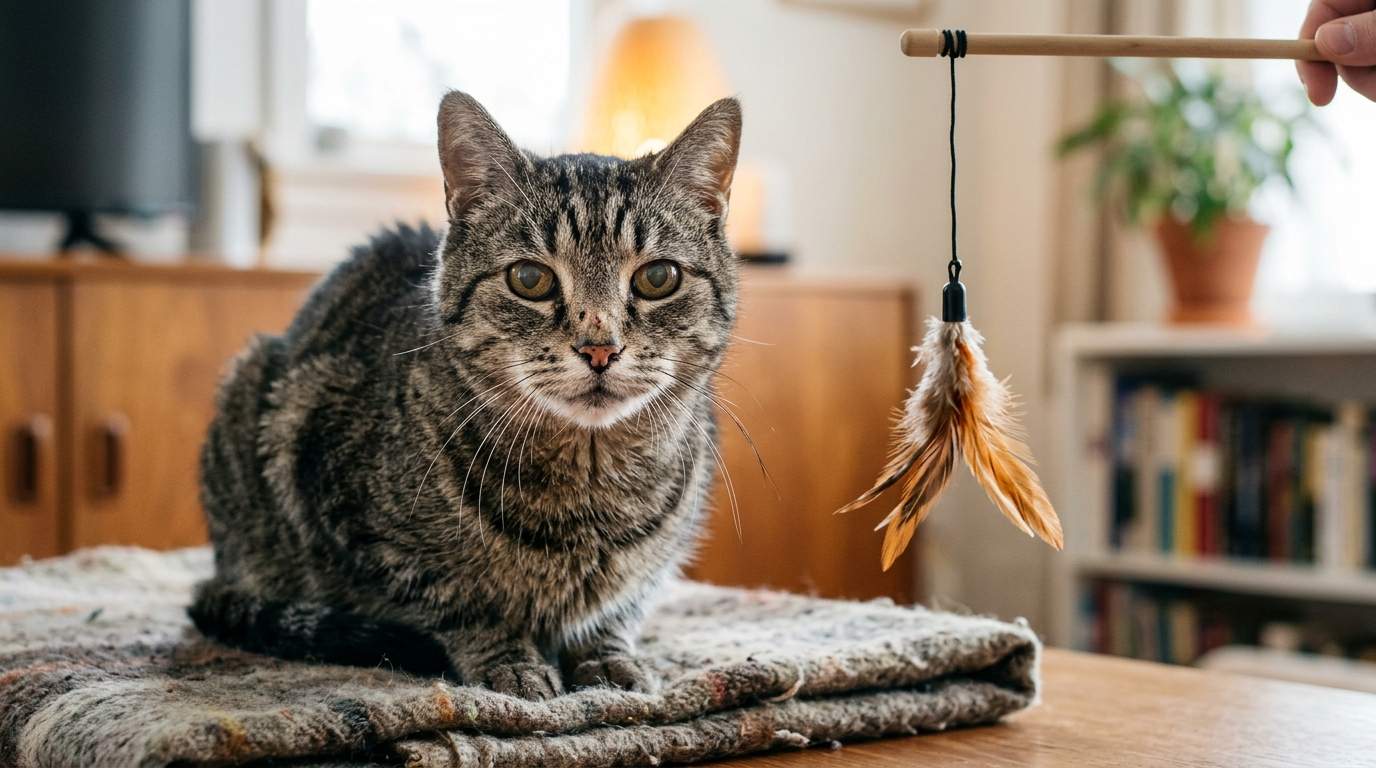
Take Whiskers, a shy rescue tabby. New owner Sarah panicked at lap kneading scratches. We traced it to nursing memories; gentle redirection built confidence. Now, it's their nightly bond.
This challenges the myth: visible claws equal danger. Instead, they whisper "you're home."
For you, those pricks might sting, especially with energetic young cats. But halting it risks emotional disconnect—kneading heals their anxious souls.
Luna, a Siamese senior, kneads only on her puppy housemate's bed, bridging species. Owners report calmer homes post-understanding.
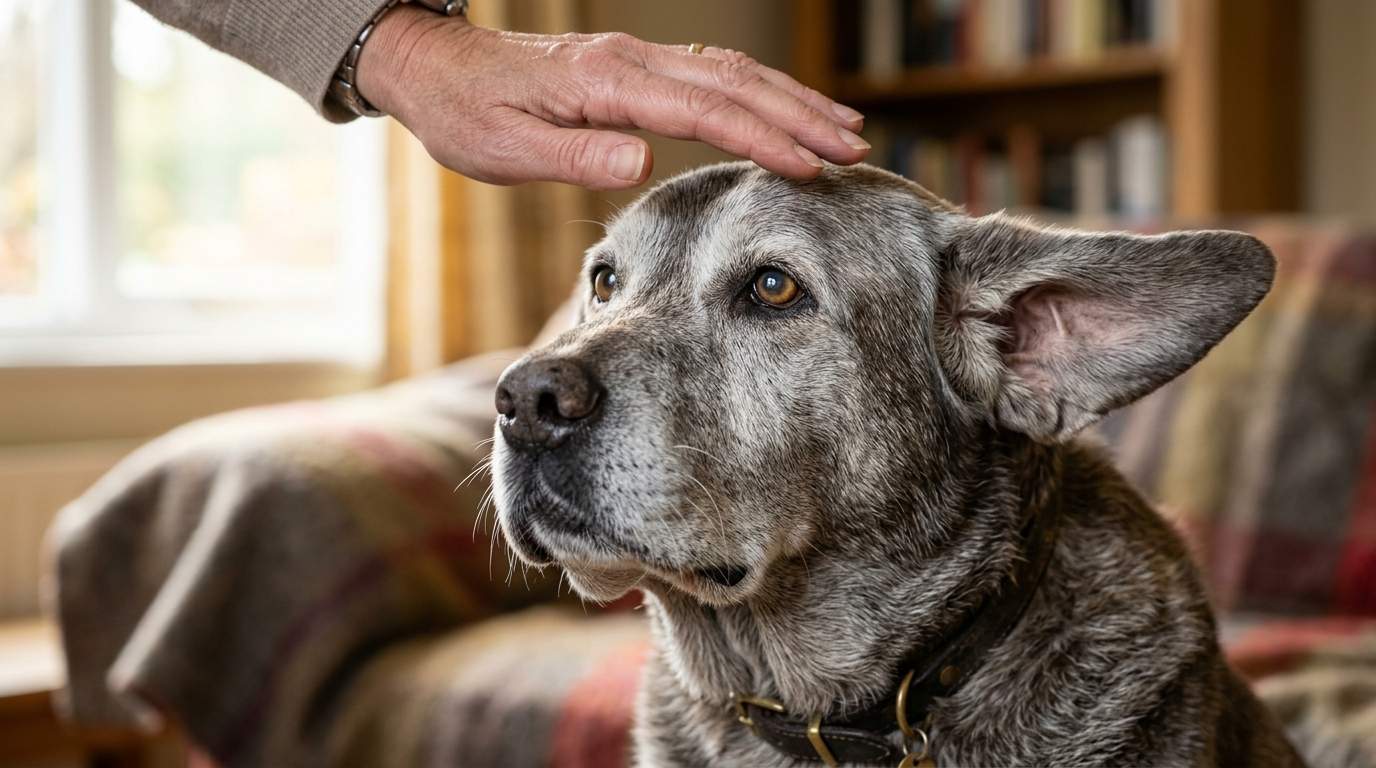
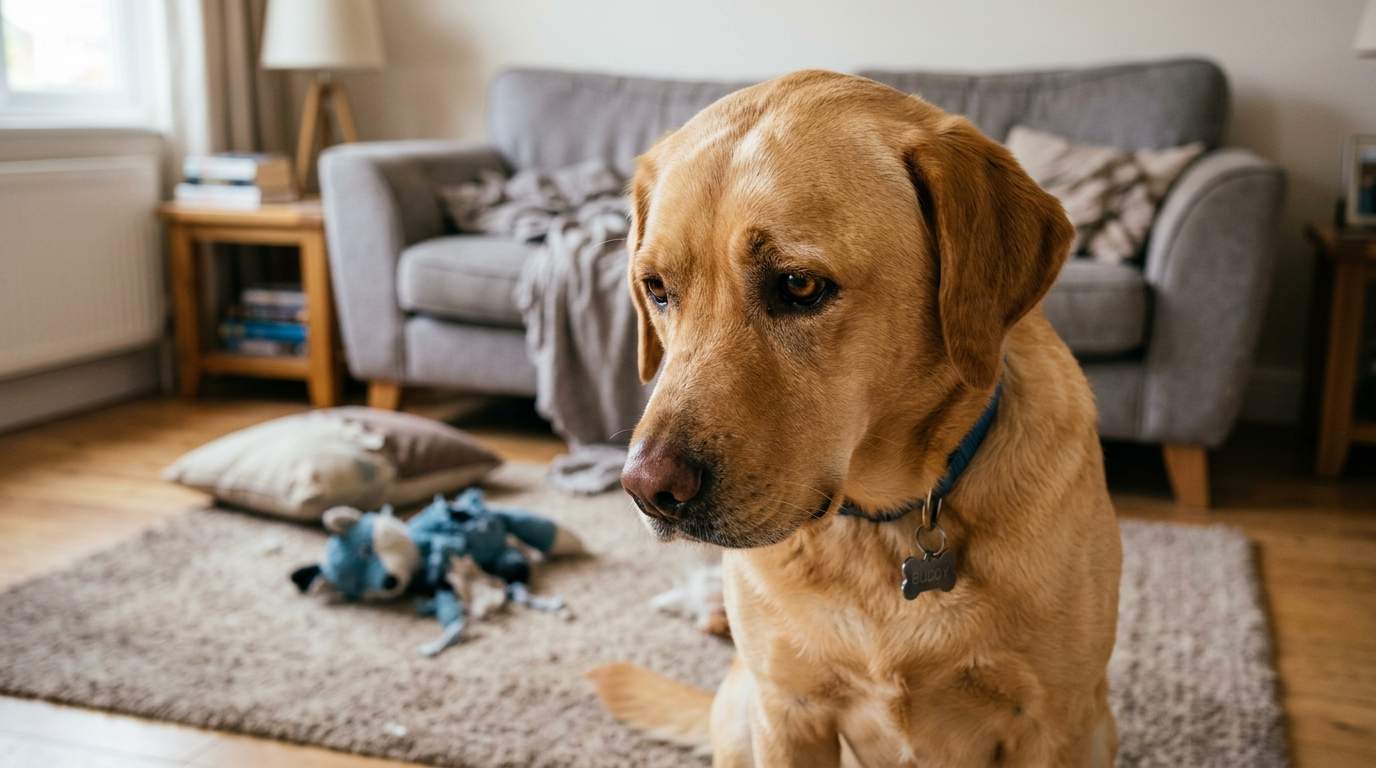
Adjust for dogs: Rare, but anxious pups paw similarly—offer chew toys mimicking the motion.
Provide alternatives like thick blankets near your spot. Trim nails weekly for safety—gentle clippers prevent accidents.
If excessive, check for stress; pheromone sprays soothe. Praise during sessions: "Good kneading!" builds positive loops.
You're doing wonderfully supporting your cat's heart. This ritual deepens your unique connection—embrace it with these tweaks.