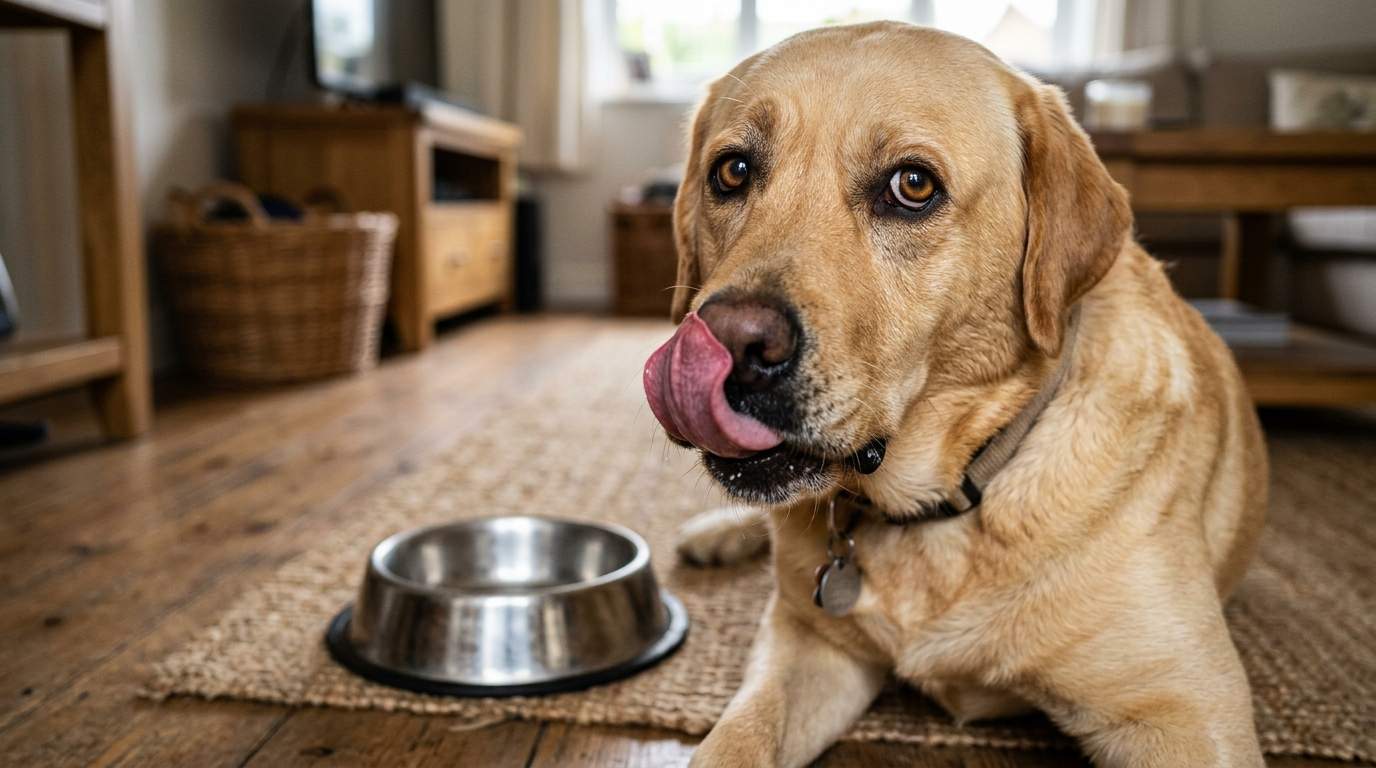
Dog Licks Lips Beside Full Bowl – Hunger or Hidden Tension?
- Quick Tags: dog lip licking, canine stress signals, pet anxiety signs, dog calming signals
- Editor: Editorial Team
- Updated: Jul,23,2026
- Views: 413.8k









Picture your Labrador, Max, sprawled on the living room floor after a hearty meal. His bowl sits empty nearby, yet his tongue flicks across his lips—once, twice, three times. A subtle dart, almost unnoticeable. Is this contentment, or a quiet plea?
Dog lip licking often gets chalked up to hunger or thirst. But here's the counterintuitive truth: even with a full bowl, this micro-action signals internal conflict. In canine stress signals, it's a calming gesture, like a whisper to de-escalate tension.
Veterinarians and behaviorists note it's an appeasement behavior rooted in wolf packs, where pups lick dominant adults to say, "I'm no threat." Your modern dog does the same, translating wild instincts to home life.
Imagine Max during fetch—tail wagging furiously, but mid-game, lip licking emerges. Owners mistake it for excitement, yet it's pet anxiety signs flaring. Play overwhelms, creating a push-pull: fun versus overstimulation.
In greetings, a visitor arrives. Max approaches, sniffs, then licks lips rapidly. Not shyness alone; it's balancing curiosity with caution.
Puppies lick lips more during teething or new environments, amplifying their exploratory energy. Senior dogs, though, show it in routine changes, like vet visits, as age heightens sensitivity.
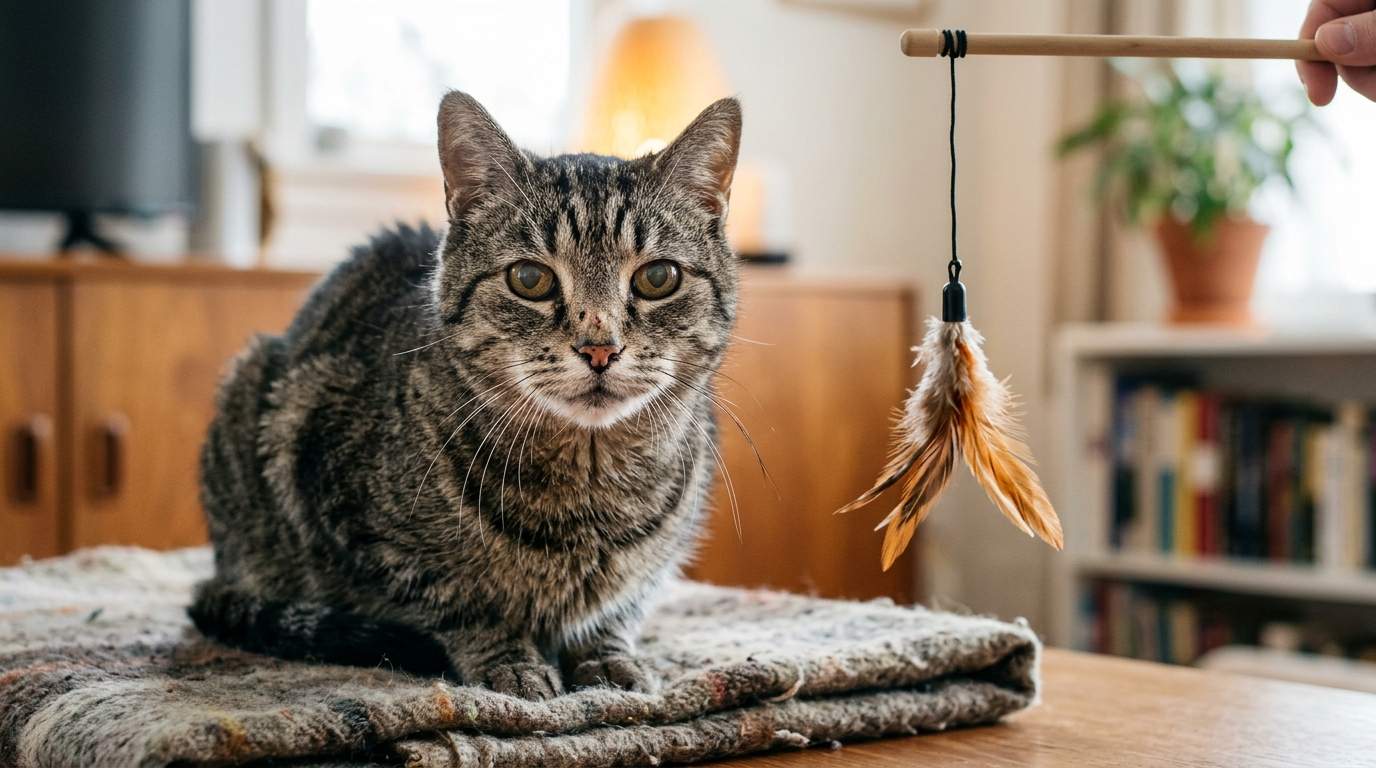
Cats mirror this with smacky lip movements, often nausea or stress, not just grooming. A Siamese might lick lips post-meal if the room buzzes with unfamiliar sounds—echoing dog calming signals.
Niche pets like rabbits thump then lick paws; parrots beak-clack. Across species, these are universal pet anxiety signs, urging owners to pause and assess.
Traditional advice pushes treats for "hungry" licks. Instead, it challenges us: lip licking denies appetite myths, pointing to nausea, fear, or decision overload—like choosing between two toys.
Science from animal psychology shows it's a displacement activity, redirecting stress energy. Max isn't bored; his mind races, seeking harmony.
Spot the flick? Step back gently. Offer a quiet space with lick mats for soothing repetition, mimicking natural calming.
Encourage slow greetings: sit first, let Max approach. Puzzle toys distract, channeling energy positively. You're not at fault—these are instinctual cues you can now nurture.
In homes with cats, separate play zones reduce cross-species lip licking. Herding breeds like Border Collies lick more in idle moments—add jobs like scent walks.
Consistency heals. Track patterns in a journal: time, trigger, context. Reward calm moments with praise, fostering security.
Owners like Sarah, whose anxious Beagle Bella transformed, share: "Seeing lip licks as signals empowered me. Now, we thrive together." You've got this—small observations unlock deeper bonds.