Paws Rooted, Gaze Frozen: Why Does Your Excited Dog Suddenly Halt?
- Quick Tags: dog freezing, anxiety signs, canine body language, pet fear response
- Editor: Editorial Team
- Updated: Jul,25,2026
- Views: 229.4k

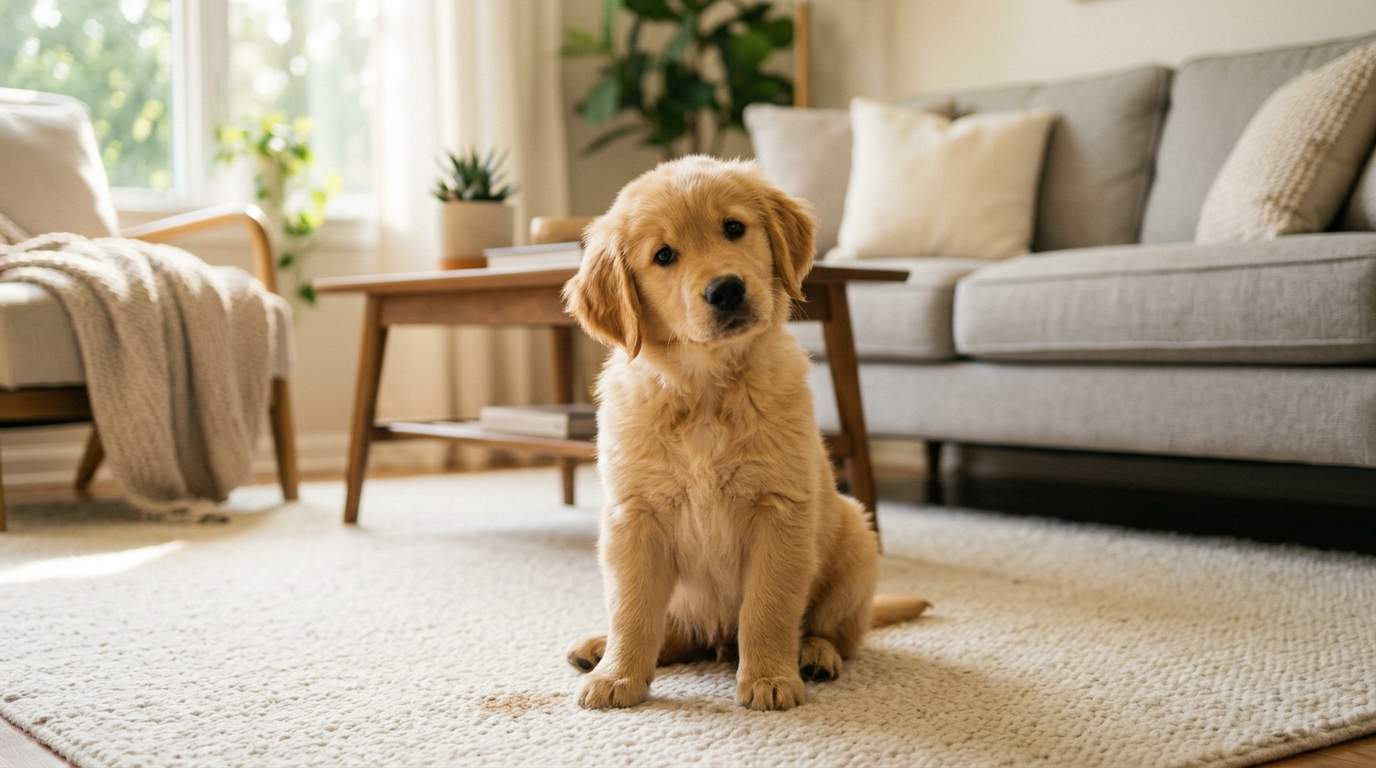

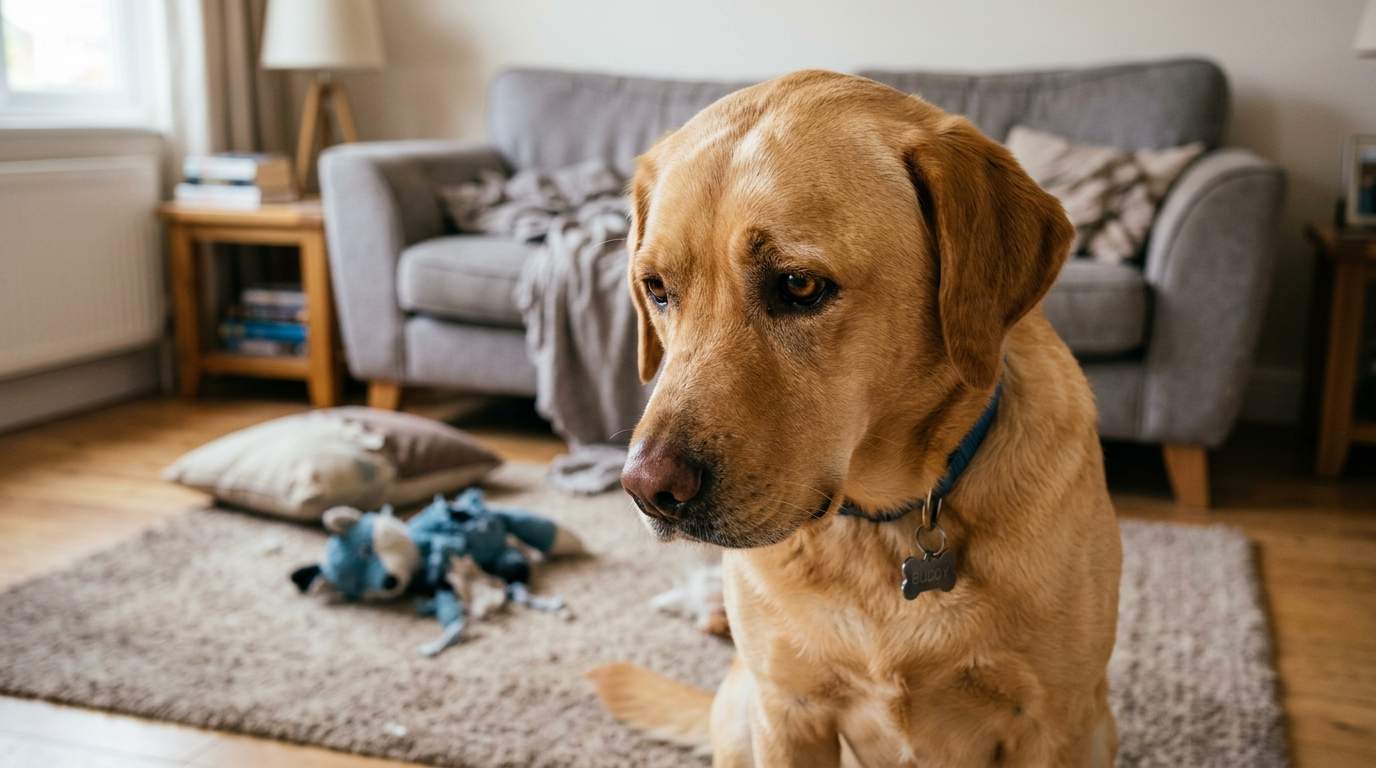
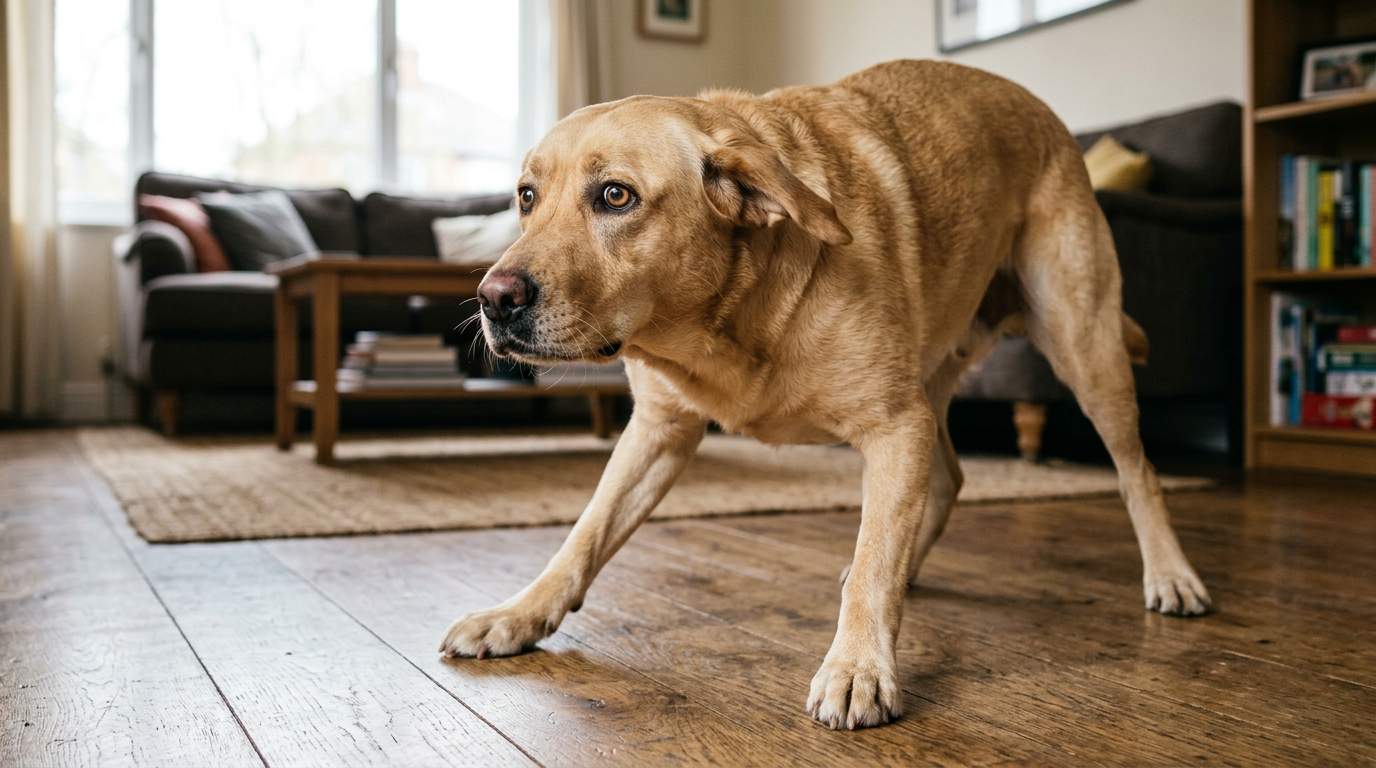
Picture this: your lively puppy charges toward a toy, tail wagging furiously, only for his front paws to plant firmly into the carpet, body rigid as if turned to stone. That split-second freeze leaves you puzzled—playtime excitement or something deeper?
In canine body language, freezing isn't boredom or defiance. It's a primal pet fear response, signaling overwhelm before fight or flight kicks in. This subtle halt often flies under the radar in busy homes, especially with energetic breeds like Labrador Retrievers.
Many owners mistake it for stubbornness, but science shows it's the brain's pause button amid stress.
Traditional advice pushes more play to "tire them out," yet freezing during fun reveals the opposite: overstimulation heightens anxiety signs.
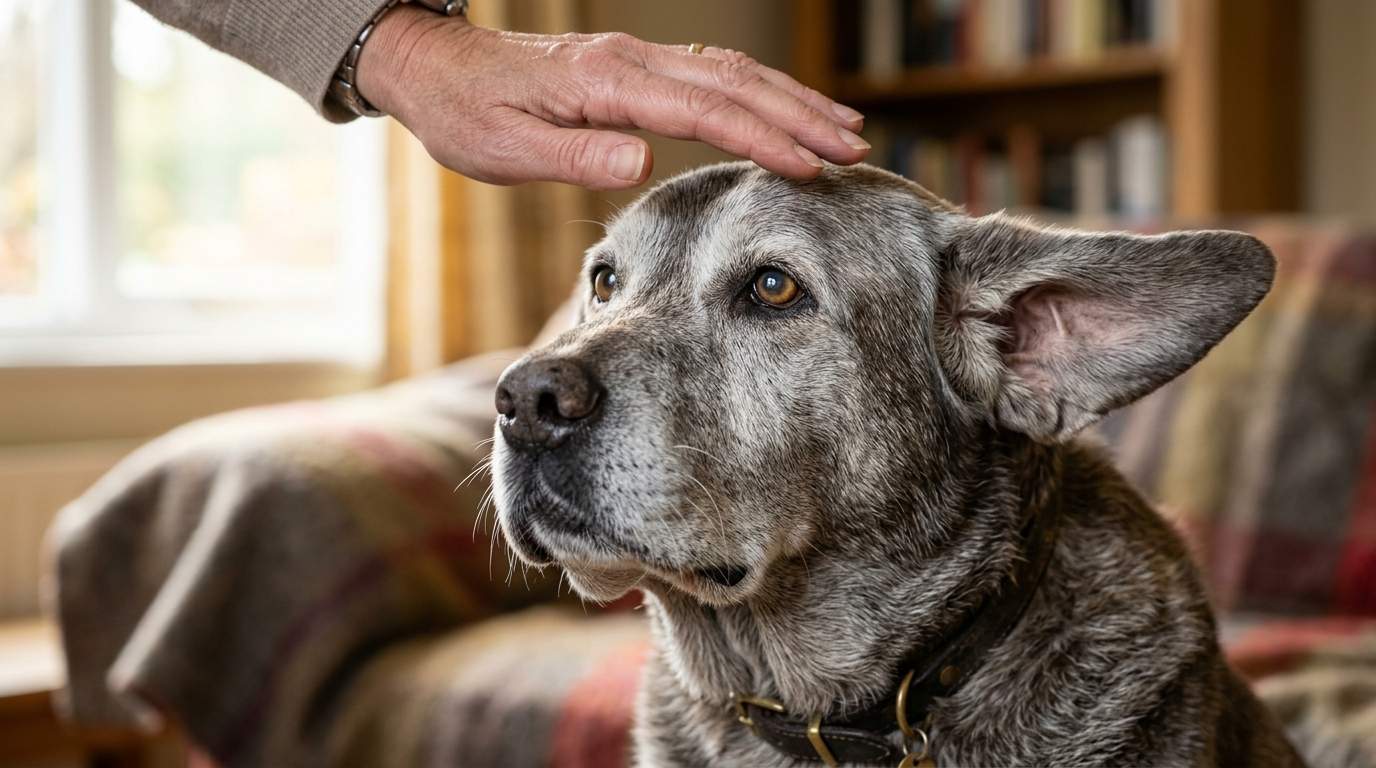
Puppies freeze from novel excitement, while senior dogs might from joint pain masking as fear. Both challenge the myth that age dictates confidence alone.
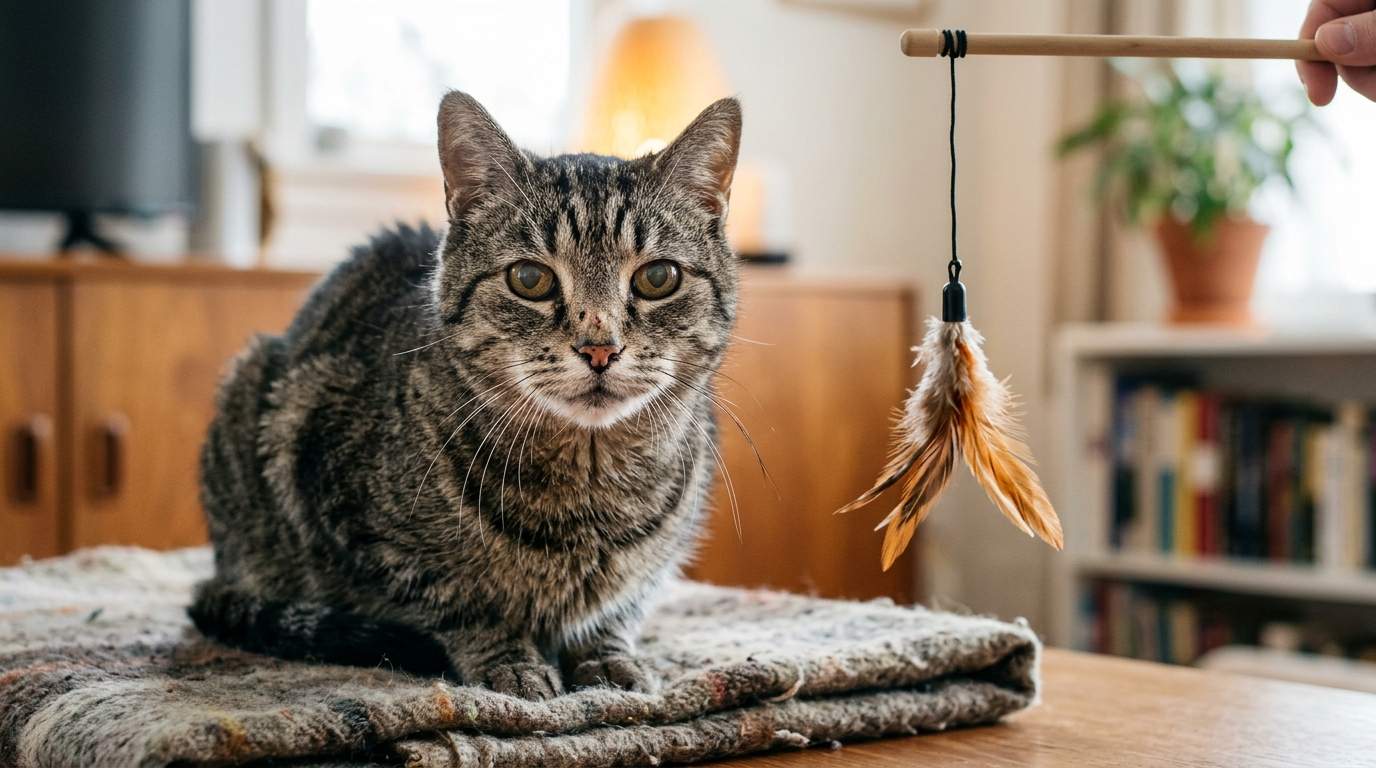
Cats exhibit similar pet fear responses, flattening into stillness on high shelves, proving it's cross-species.
I once consulted for Sarah in London, whose 6-month-old Labrador, Max, froze mid-fetch daily. In his mind, the ball's bounce screamed "too fast, too unpredictable!" His personality—bold yet sensitive—mirrored many urban pups.
We uncovered it wasn't laziness; his heart raced from joyful chaos. Sarah felt empowered, not blamed, as we eased him in gently.
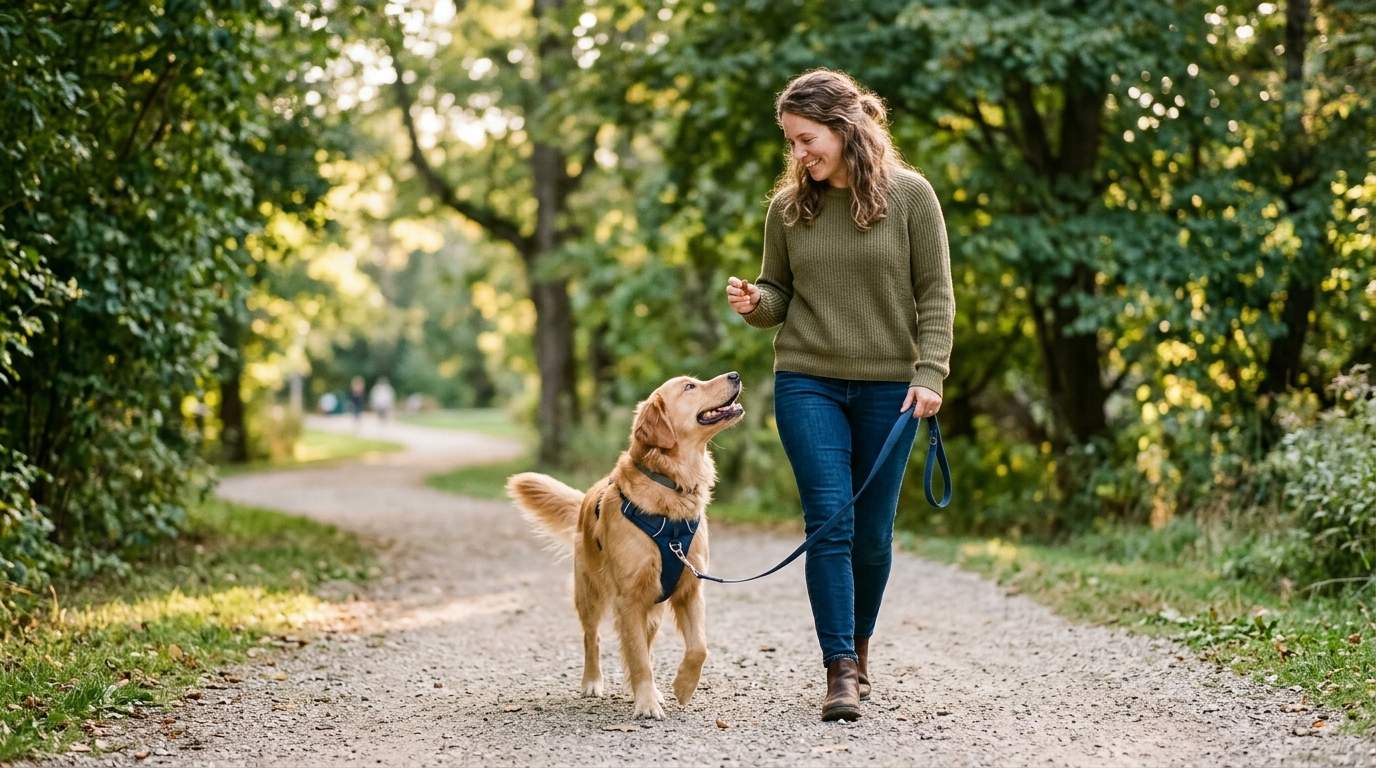
Start small: pause play at early tension cues like lip licks or yawning. Reward calm with treats, building trust step-by-step.
For multi-pet homes, separate play sessions prevent herd overwhelm.
Cats freeze under petting overload; try slow blinks to reconnect. Rabbits thump then stiffen—offer hideouts for security.
Consistency heals: daily short, positive exposures rewire fear responses. Track progress in a journal to celebrate wins.
You're already a great guardian noticing these canine body language nuances. With patience, your dog's freezes fade, revealing a joyful companion.