Senior Dog's Tail Wags Faintly Yet Back Turns from Your Hand – Why?
- Quick Tags: senior dog care, elderly pet behavior, aging dog symptoms, pet health signals
- Editor: Editorial Team
- Updated: Jul,20,2026
- Views: 482.3k

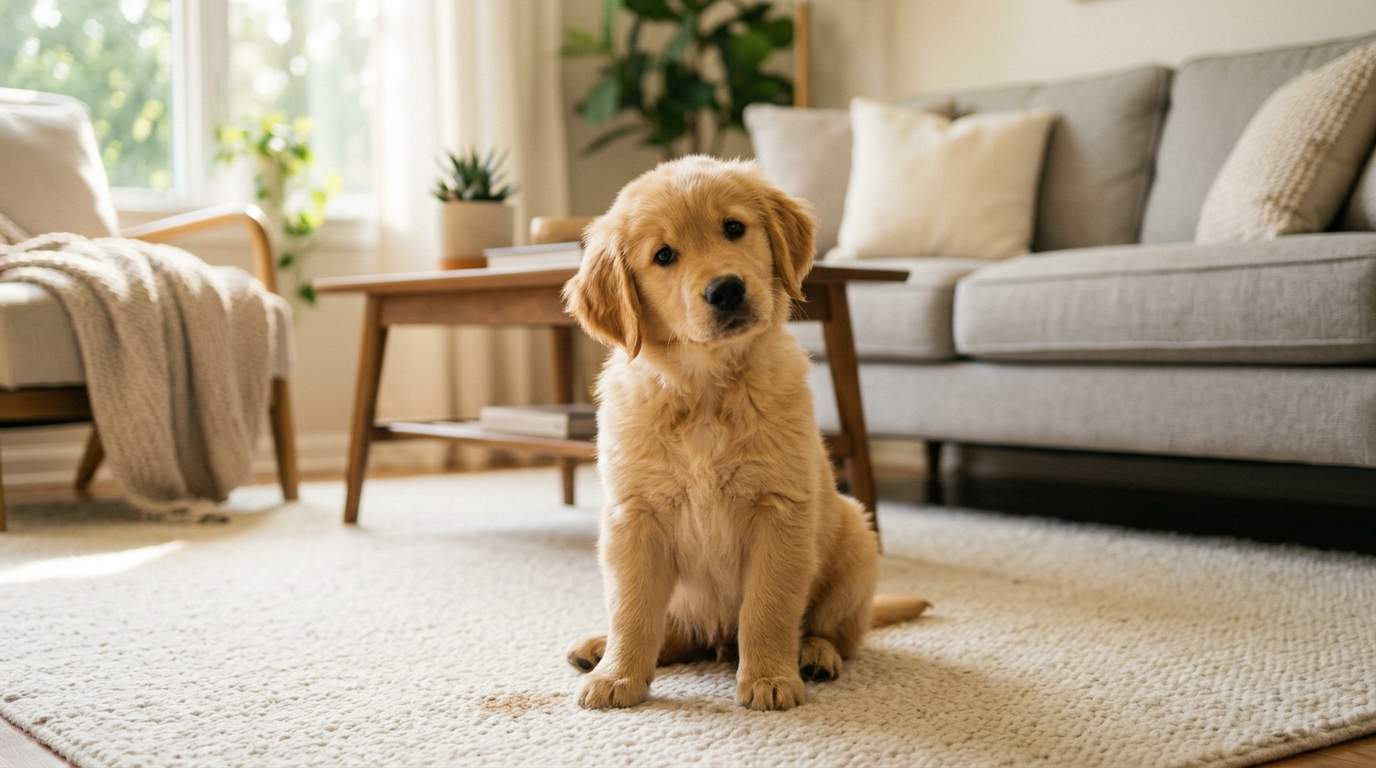
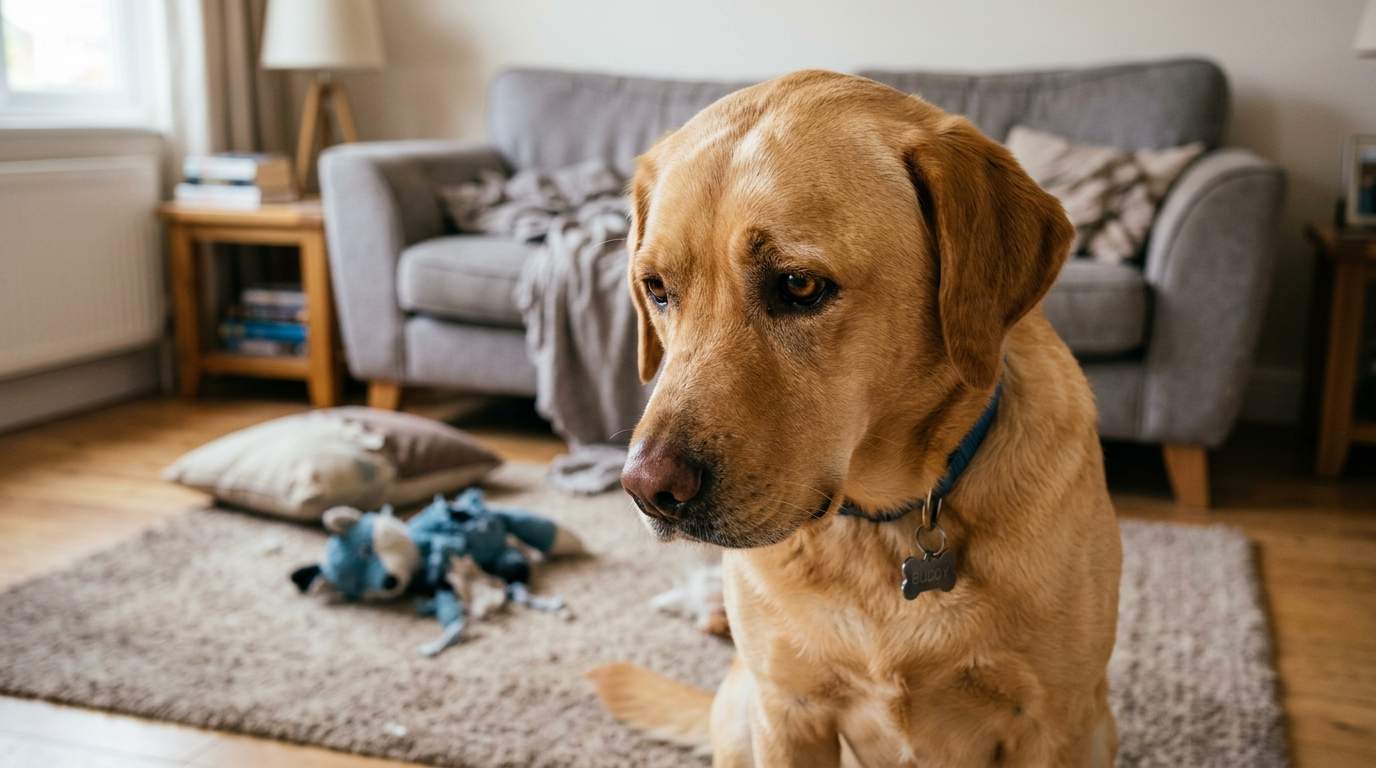
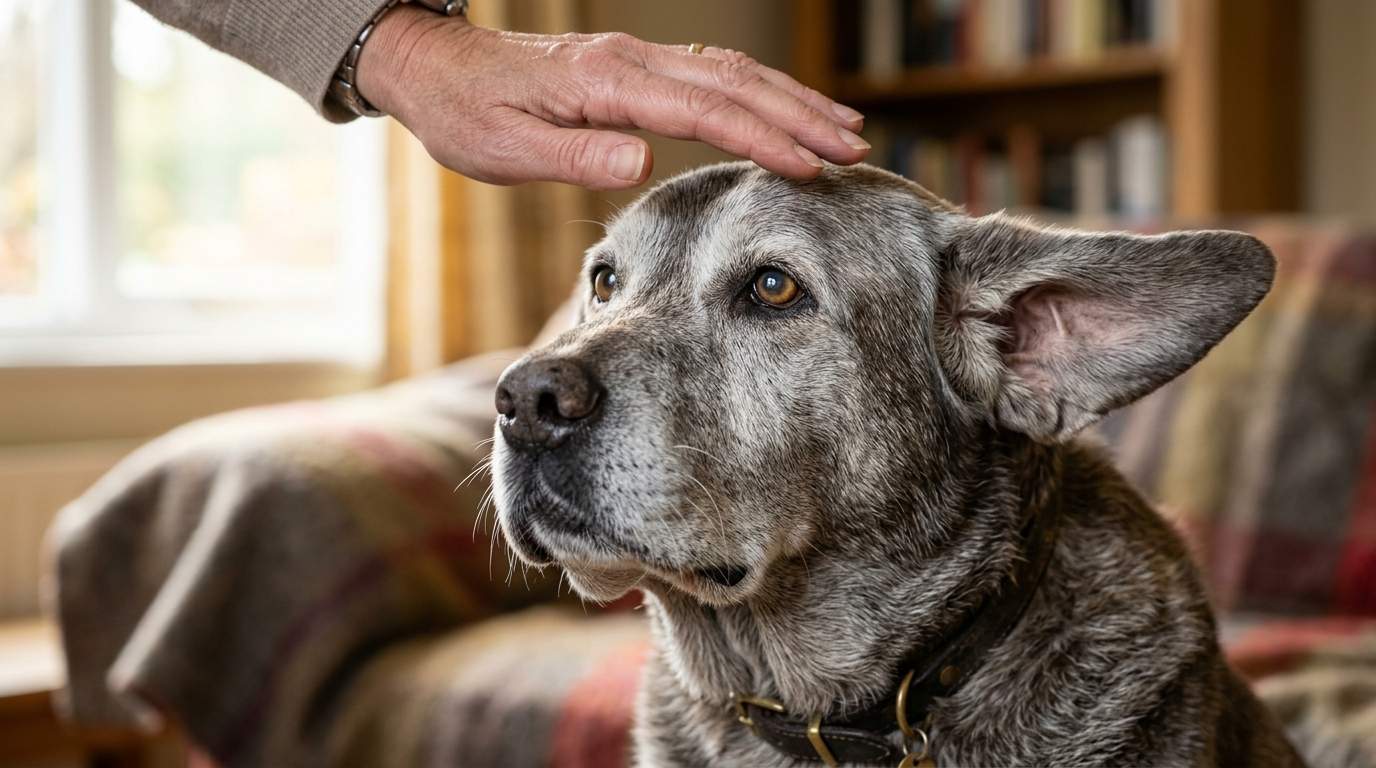
Imagine this: your senior dog's tail gives a slow, half-hearted wag as your hand approaches for a pat, but in the next breath, it pivots away, eyes averted. That subtle shift isn't rejection—it's a quiet plea many owners miss.
As a pet behavior consultant who's traveled from cozy UK cottages to sunlit Australian homes, I've seen countless senior dogs like Max, a 12-year-old Labrador with soulful eyes and a once-bouncy step. Max's owner thought his faint tail wags meant lingering joy, but they masked joint stiffness from arthritis, common in 80% of dogs over eight, per veterinary studies. Challenging the myth that all tail wags signal happiness, these motions often become compensatory—efforts to connect despite pain.
Watch for lip-licking during play; it's not anticipation but nausea or discomfort signals.
Traditional wisdom says a wagging tail equals a happy dog, but for aging pups, it's often the opposite. Take Luna, my client's elderly Border Collie, who "wagged" through walks yet limped home. Her behavior challenged us: enthusiasm faded into avoidance. Real insight? Slow wags paired with body turns indicate cognitive fog or osteoarthritis, urging gentler interactions over forced play.
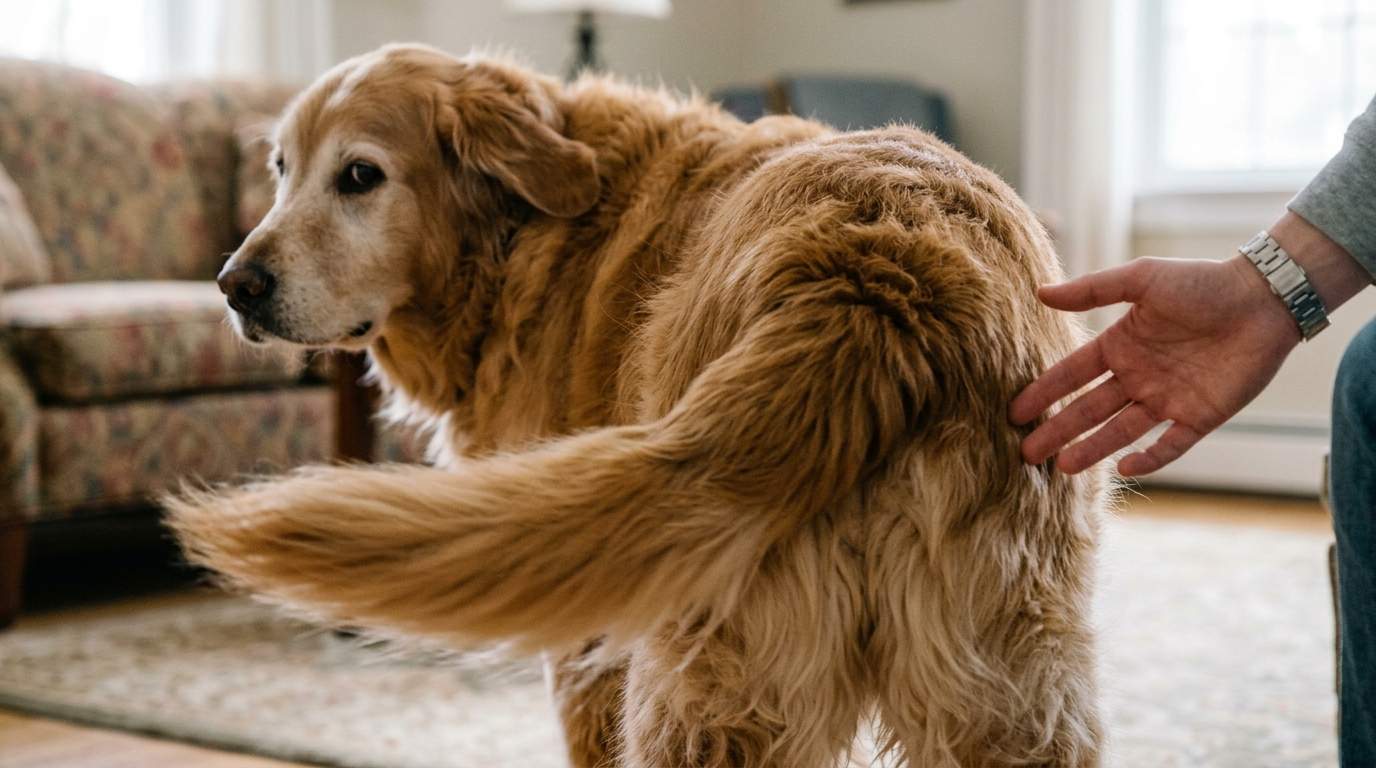
Owners of large breeds like Labs or Shepherds face this most—early detection via behavior logs builds trust.
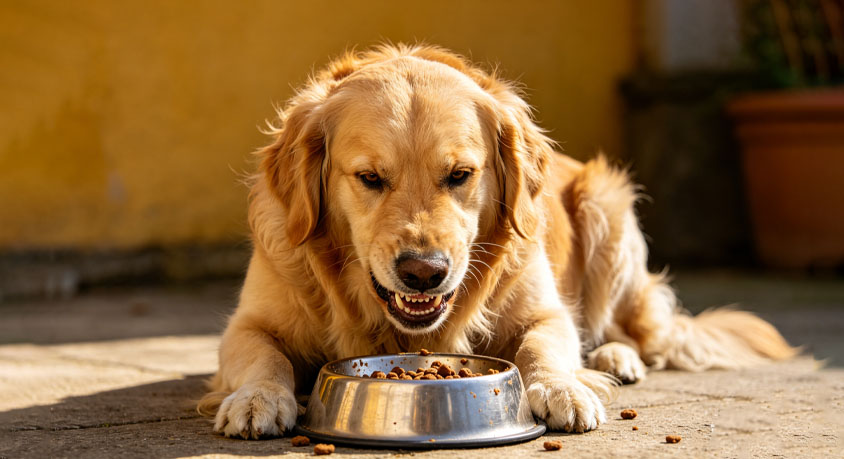
Beyond tails, flattened ears during lap time whisper unease. For senior dog care, note these: trembling paws pre-meal signal dental issues, while averted gazes hint at vision decline. I once guided a family through their Golden Retriever's "grumpy" phases, revealing hypothyroidism via vet checks. Countering the "just old" excuse, these are treatable—diet tweaks and mobility aids restore spark.
New to senior dog care? Start with home scans: does your dog hesitate at stairs? That's not laziness. Stories like Oliver's, a 14-year-old Beagle who ignored toys yet chased shadows, taught me—sensory loss drives isolation. Embed joint support treats into routines; they ease inflammation naturally.
Dimmed lights reveal if cocking heads mean hearing fade—common by age 10.
Elderly pet behavior thrives on low-pressure play. Max reconnected via scent games, not fetch—his faint wags turned enthusiastic. Challenge isolation myths: short, positive sessions prevent anxiety. For multi-pet homes, supervise intros; aging dogs tire fast.
Tailor to your dog's breed: brachycephalic seniors like Pugs need extra cooling aids.
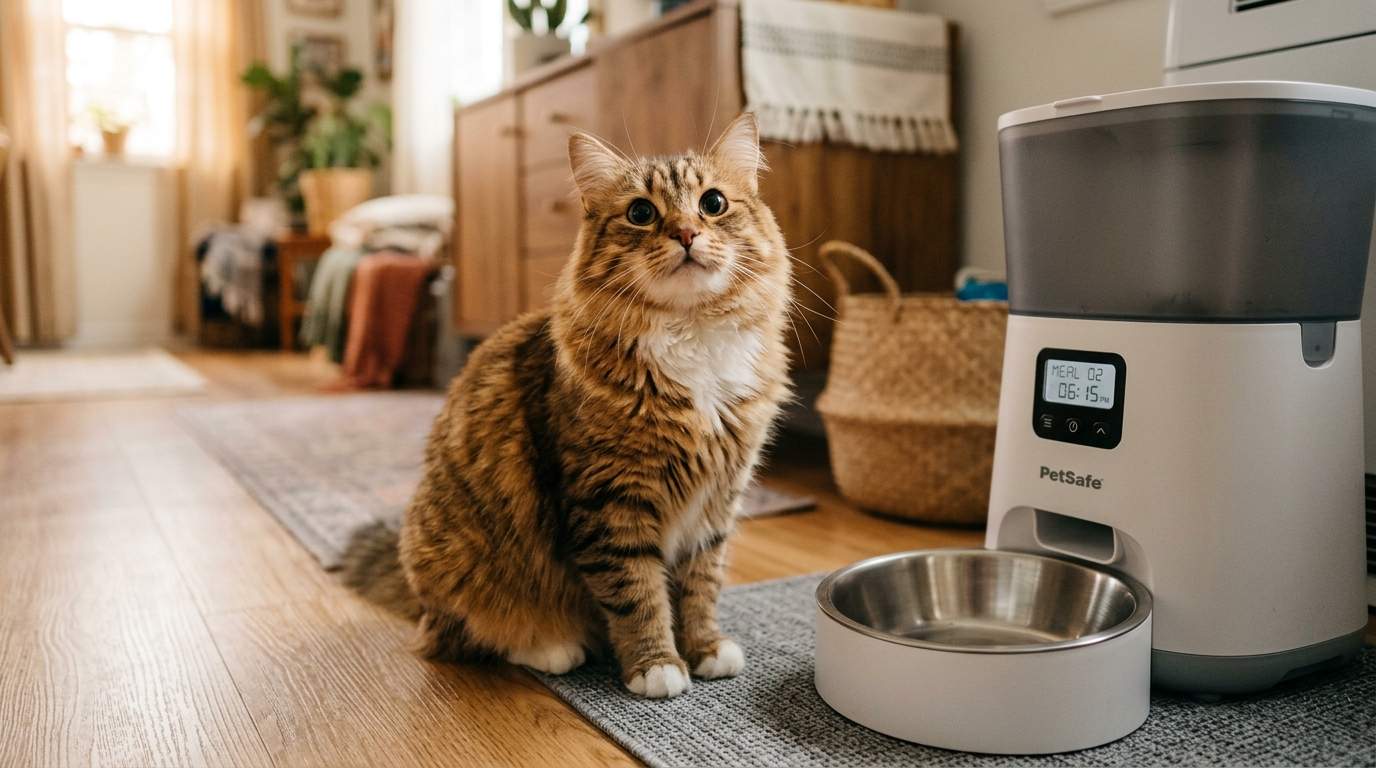
Invest in orthopedic beds for joint relief and slow feeders to manage eating hesitations. These tools, paired with patience, transform faint signals into full-hearted connections. You're not just caring—you're healing a loyal heart.